

 Pregledaj u prostoru
 Pošalji
 Podeli
 Detalji o delu

 Преузми
 Slični predmeti
 Rendgenski snimak
 Slajdovi
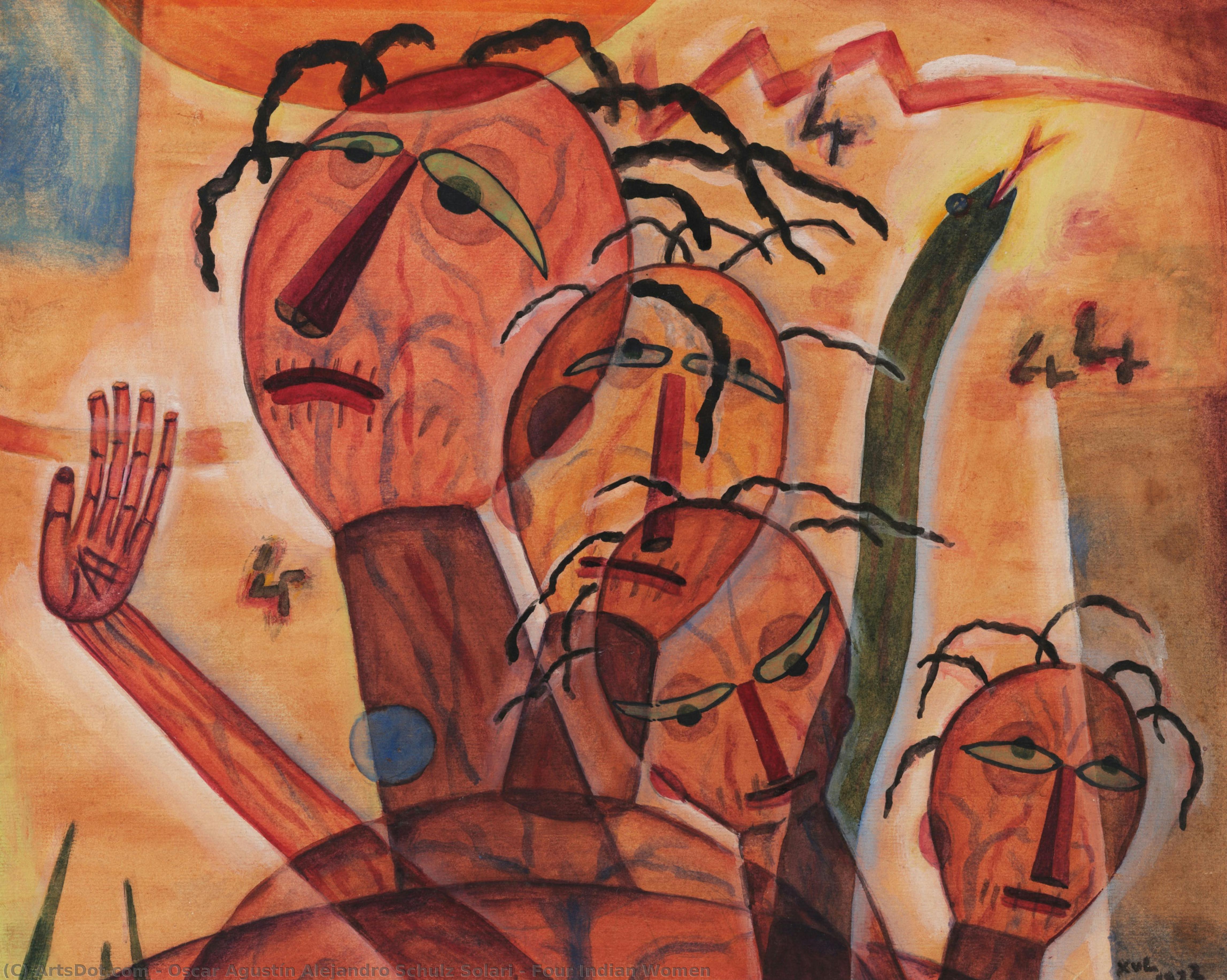
Four Indian Women


 Pročitaj više
Giclee štampa / Umetnički otisak
Giclée štampa ili print na platnu muzejskog kvaliteta uz brzu proizvodnju i fleksibilne opcije završne obrade. ( Kupi ručno naslikanu sliku Kupi digitalnu sliku)




































Izaberite jednu od naših unapred definisanih veličina koje odgovaraju originalnim proporcijama umetničkog dela.

Možete uneti sopstvene dimenzije kako biste umetničko delo prilagodili specifičnom okviru ili prostoru. Ako odabrani format ne odgovara proporcijama originalne slike, mi ćemo ili iscrtati deo dela ili proširiti sliku pomoću ogledane ivice ili jednobojnog popunjavanja. Digitalni prikaz će vam biti poslat na odobrenje pre početka proizvodnje.
Imajte na umu da pregled na ekranu ne odražava stvarno iscrtavanje ili proširivanje. Samo će prikaz (mockup) precizno pokazati finalnu kompoziciju.
Iako su prilagođene dimenzije dostupne, preporučujemo da odaberete dimenziju sa unapred definisane liste kako biste očuvali originalne proporcije.
Dostava širom sveta () za 2 nedelje umesto uobičajenih 4/5 nedelja. (7 септембар)

Besplatna ekspresna dostava širom sveta

Visokokvalitetno laneno platno

Kompletno osiguranje transporta

Garancija povraćaja carine i uvoznih dažbina

Garancija vernosti boja

Politika povraćaja u roku od 100 dana (isključivo u slučaju nedostataka)

Garancija povrata novca od 100%

Popust pri grupnoj kupovini
 Opcija sa staklom dostupna je samo za dimenzije manje od 110 cm

Four Indian Women
Giclee štampa / Umetnički otisak
Dimenzije reprodukcije
-


Konačna cena
$ 62
A Visionary Tapestry of Spirit and Form
In the ethereal realm of Xul Solar, the boundaries between the physical world and the spiritual plane dissolve into a delicate dance of watercolor and mysticism. His 1923 masterpiece, Four Indian Women, serves as a profound window into the mind of an artist who was as much a philosopher and linguist as he was a painter. This evocative work captures a moment of cosmic convergence, where the faces of four women emerge from a dreamlike void, each gazing toward a different horizon of existence. The painting is not merely a portrait but a visual transcription of an esoteric vision, blending the organic curves of human features with the geometric precision of a higher, unseen order.
The technique employed by Solar in this piece showcases his mastery over the fluid nature of watercolor. Through translucent layers and subtle gradations of color, he creates a sense of depth that feels both weightless and ancient. The faces, though possessing strange and otherworldly qualities, are anchored by delicate details—the rhythmic placement of necklaces that drape across necks like sacred talismans. These adornments serve as focal points within the composition, drawing the eye through a labyrinth of gazes. The way the light seems to emanate from within the paper itself reflects Solar's lifelong pursuit of universal knowledge, making each brushstroke feel like a coded message from the subconscious.
Symbolism and the Language of the Soul
To behold Four Indian Women is to engage with the complex symbolism that defined the Argentine avant-garde. Xul Solar was deeply immersed in the study of the I Ching, the Kabbalah, and various mystical traditions, and these influences permeate every inch of this composition. The four women can be interpreted as archetypes of different spiritual states or perhaps as representations of the cardinal directions, each looking toward a specific facet of the universe's truth. The interplay of geometric shapes and organic forms suggests a world in constant flux, where the structure of the cosmos is inextricably linked to the essence of life.
For the discerning collector or interior designer, this artwork offers more than mere decoration; it provides a profound intellectual and emotional anchor for any space. The painting’s ability to evoke curiosity and contemplation makes it an ideal centerpiece for a library, a study, or a contemporary living area where conversation and reflection are encouraged. A high-quality reproduction of this piece allows the subtle textures and the hauntingly beautiful expressions of these figures to breathe within a modern setting, bringing a touch of the surreal and the sacred into the domestic sphere.
Ultimately, Four Indian Women stands as a testament to the power of the imagination to transcend cultural and temporal boundaries. It is an invitation to look beyond the surface, to find beauty in the enigmatic, and to reconnect with the spiritual dimensions of our shared human experience. Whether viewed as a relic of the Martín Fierro era or as a timeless piece of abstract mysticism, Solar's work continues to captivate the soul, offering a sanctuary of color and thought for all who encounter it.
Srodna umetnička dela

Biografija umetnika
A Luminary of the Avant-Garde: The Enigmatic World of Xul Solar
Oscar Agustín Alejandro Schulz Solari, known to the world as Xul Solar, was a figure who defied easy categorization. Born in San Fernando, Argentina, in 1887, his life and art were a vibrant tapestry woven with threads of cosmopolitan upbringing, esoteric exploration, and an unwavering dedication to artistic innovation. His parents—a Baltic German father and an Italian mother—instilled in him a sensibility open to diverse cultural currents, a foundation that would profoundly shape his artistic journey. Though initially educated as both a musician and architect, it was during extensive travels through Europe – London, Paris, Turin, Genoa, Milan – that Schulz Solari discovered his true calling: painting. He began with watercolor, later embracing tempera and occasionally oils, each medium serving as a vehicle for increasingly complex visions. The adoption of the name “Xul Solar” itself is deeply revealing; derived from the Latin "lux" (light) and "solar," it embodies the artist’s fascination with illumination, energy, and the universal forces that underpin existence. It wasn't merely a pseudonym but an invocation of his artistic philosophy.Influences and Artistic Development
Xul Solar’s early work reflected the prevailing European avant-garde movements, yet he quickly transcended imitation to forge a uniquely personal style. His encounter with British occultist Aleister Crowley in 1924, though brief, left an indelible mark, sparking an interest in mysticism and symbolism that would permeate his art. Upon returning to Buenos Aires, Xul Solar became a central figure in the “Florida Group” (also known as the "Martín Fierro group"), a hub of intellectual and artistic ferment. Here, he forged close friendships with literary giants Jorge Luis Borges and Leopoldo Marechal, relationships that fostered a cross-pollination of ideas and profoundly influenced his creative output. This association wasn’t merely social; it was an exchange of philosophical inquiries, linguistic experimentation, and shared explorations of the subconscious. His paintings began to incorporate invented alphabets, geometric abstractions infused with occult symbolism, and dreamlike landscapes populated by enigmatic figures. He didn't simply depict reality; he constructed alternate realities governed by his own internal logic.A Universe of Symbols and Languages
The core of Xul Solar’s artistic practice lay in the creation of a personal mythology—a universe brimming with invented languages, symbolic systems, and fantastical creatures. He developed two complete artificial languages: “Neocriollo,” a poetic blend of Portuguese and Spanish intended for spoken communication, and “Panlengua,” an ambitious attempt at a universal language linking mathematics, music, astrology, and the visual arts. These linguistic endeavors weren’t merely intellectual exercises; they were integral to his artistic vision, informing the intricate patterns and coded messages embedded within his paintings. He believed that language held the key to unlocking deeper truths about the universe, and he sought to create a system of communication that transcended cultural boundaries. This fascination extended to other areas: he designed musical instruments based on esoteric principles and even invented a complex board game called “Panajedrez,” governed by rules derived from his semiotic experiments.Legacy and Lasting Impact
Despite achieving recognition during his lifetime, with a significant exposition at the Musée National d'Art Moderne in Paris in 1962, Xul Solar remained somewhat of an enigmatic figure until after his death in Tigre, Argentina, in 1963. Emilio Pettoruti’s biography published five years later helped to solidify his place within the canon of Argentine art and beyond. Today, Xul Solar is celebrated as a pivotal figure of the Latin American avant-garde—an artist whose work anticipated many of the concerns that would come to define Surrealism and other 20th-century movements. His paintings, with their vibrant colors, intricate symbolism, and otherworldly atmosphere, continue to captivate audiences worldwide. Naná Watzin, Leader of Snakes, and Four Indian Women are just a few examples of his masterpieces that showcase his unique artistic vision. Xul Solar’s legacy extends beyond the realm of painting; he was a visionary thinker, an inventor, and a cultural innovator who dared to imagine alternative realities and challenge conventional modes of thought. His work remains a testament to the power of art to transcend boundaries, explore the mysteries of existence, and illuminate the hidden dimensions of the human experience.
Xul Solar
1887 - 1963 , Argentina
Osnovne informacije
- Artistic Movement Or Style: Avant-garde, Surrealism
- Artists Or Movements Influenced By This Artist:
- Jorge Luis Borges
- Leopoldo Marechal
- Artists Who Influenced This Artist:
- Emilio Pettoruti
- Arturo Martini
- Date Of Birth: December 14, 1887
- Date Of Death: April 9, 1963
- Full Name: Oscar Agustin Schulz Solari
- Nationality: Argentine
- Notable Artworks:
- Naná Watzin
- Leader of Snakes
- Four Indian Women
- Colonial House
- Holy Dance
- Place Of Birth: San Fernando, Argentina
Povezani članci

Watercolor Wonders: 10 Masterpieces That Redefined Art History | ArtsDot
Journey through 10 legendary watercolor masterpieces by Sargent, Turner & Homer! Explore iconic landscapes, portraits & floral art that redefined history. Find museum-quality reproductions and curated decor ideas at ArtsDot.com.

Ephemeral Visions: Exploring the Artistic Legacy & Contemporary Practice of Watercolor Painting
Explore the captivating world of watercolor painting! Discover its rich history, essential techniques, influential artists & collecting tips. A comprehensive guide for art enthusiasts from ArtsDot.

Ephemeral Visions: Exploring the History & Emotional Resonance of Watercolor Painting
Explore the captivating history of watercolor painting, from ancient techniques to modern masters like Kandinsky & Blake. Discover essential artists, collecting tips & the emotional power of this luminous medium. Expert insights for art enthusiasts.
Ephemeral Visions: Exploring the Artistic Legacy & Nuances of Watercolor Painting
Explore the captivating world of watercolor painting! Discover its rich history, essential techniques, influential artists & collecting tips from art experts. A comprehensive guide for enthusiasts.
Акварел кроз векове: Историјски развој, технике и савремена пракса
Истражите историју акварела, технике и савремене трендове уз стручне увиде ArtsDot-а. Сазнајте више о познатим уметницима и материјалима за сликање акварелом. Купите квалитетне репродукције или наручите персонализовани портрет!