

 Pošalji
 Podeli
 Detalji o delu

 Преузми
 Slični predmeti
 Slajdovi
 Statistika
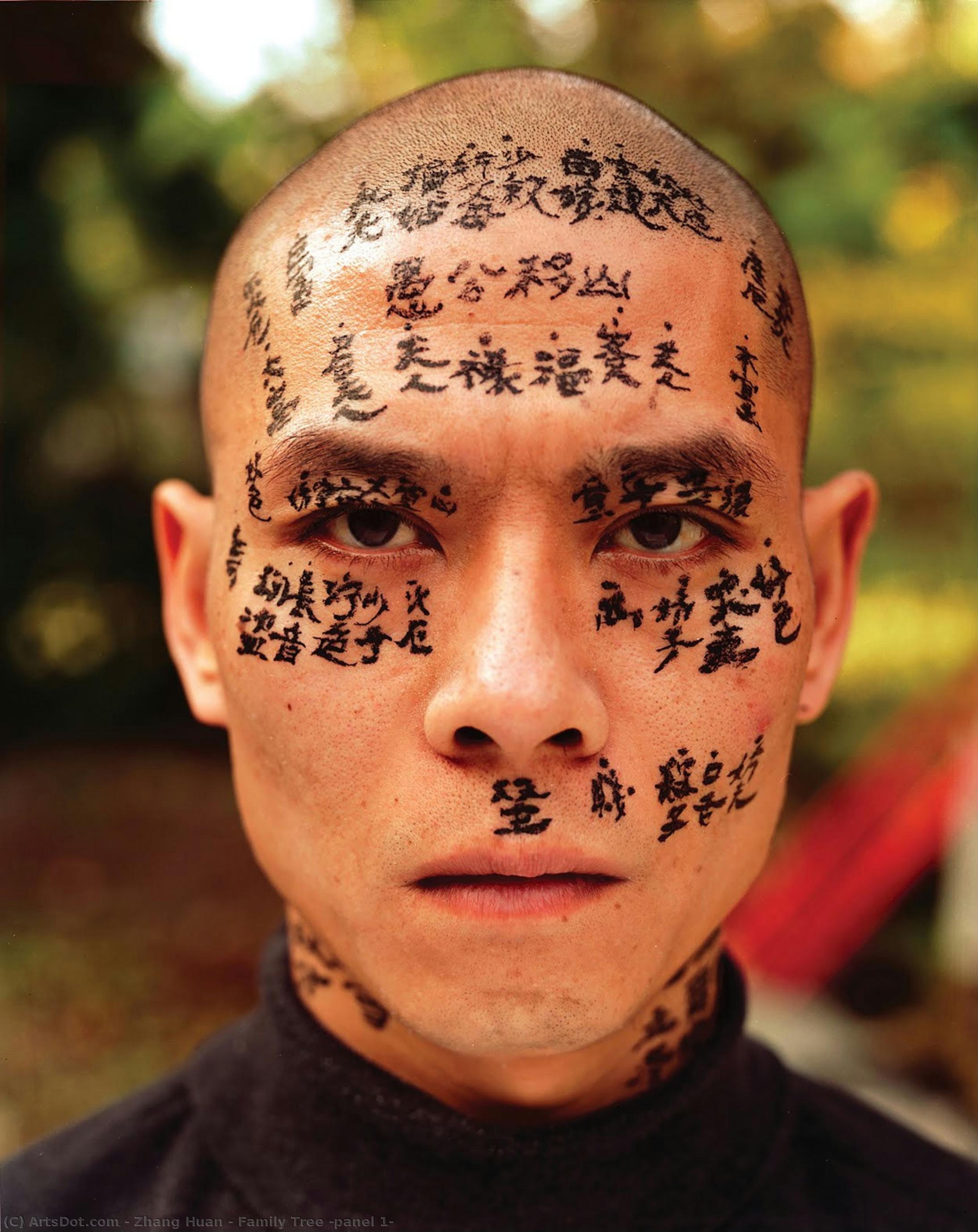
Family Tree (panel 1)


 Pročitaj više
Kupite digitalnu sliku visoke rezolucije i poboljšanog kvaliteta, koja je znatno superiornija od onoga što vidite u online prikazu.
Svaka datoteka je pedantno pripremljena od strane naših stručnjaka koristeći napredne alate i profesionalnu ručnu retušu. Osiguravamo da svaka slika ima izuzetnu oštrinu, preciznu reprodukciju boja i fine detalje.
Konačna datoteka se dostavlja putem e-pošte u roku od 72 sata, optimizovana za neposrednu upotrebu u profesionalnim, izdavačkim i štamparskim okruženjima. To je isti kvalitet kojem veruju vrhunski studiji dizajna, izdavači i galerije.
Digitalna slika
Preuzmite datoteku visoke rezolucije za ličnu upotrebu, štampanje i kreativne projekte. ( Pređi na štampu Kupi ručno naslikanu sliku)
Uključeno uz svaku porudžbinu digitalne slike
Profesionalna digitalna isporuka, zagarantovana
Kada odaberete ArtsDot.com, ne dobijate samo sliku – vi primate profesionalno unapređeno digitalno umetničko delo, izrađeno sa najvećom preciznošću i uz garanciju zadovoljstva. Evo svega što automatski dolazi uz vašu porudžbinu:

Brza dostava putem e-pošte
Vaša digitalna slika visoke rezolucije biće vam poslata putem e-pošte u roku od 72 sata od poručivanja – spremna za trenutnu upotrebu.

Digitalna datoteka unapređena veštačkom inteligencijom
Vaše umetničko delo je profesionalno optimizovano korišćenjem naprednih AI alata i ručne obrade, čime se osiguravaju maksimalni detalji, oštrina i preciznost boja.

Besplatna ponovna isporuka doživotno
Slučajno ste obrisali ili izgubili svoju datoteku? Ne brinite – poslaćemo vam je ponovo u bilo kom trenutku, potpuno besplatno.

Bez troškova uvoza – zauvek
Uživajte u svojim umetničkim delima trenutno, bez carine, dažbina ili troškova dostave – digitalni download je uvek bez poreza.

Garancija vernosti boja
Uz pomoć profesionalnih alata i upravljanja bojama, osiguravamo da vaša digitalna slika što vernije odražava originalne boje.

Garancija zadovoljstva od 100 dana
Ako niste zadovoljni svojom digitalnom slikom, izvršićemo reviziju ili ćemo vam vratiti 100% novca u roku od 100 dana – bez ikakvih pitanja.

100% garancija povrata novca
Niste zadovoljni? Dobijte puni povraćaj novca u roku od 100 dana od prijema digitalne datoteke – bez suvišnih pitanja.

Popusti na velike porudžbine
Kupite 3 slike, uštedite 10% - Kupite 5 slika, uštedite 15% - Kupite 10+ slika, uštedite 20%. Odlično za kreativne projekte, galerije i agencije.
The Intimacy of Identity: A Glimpse into Zhang Huan’s Vision
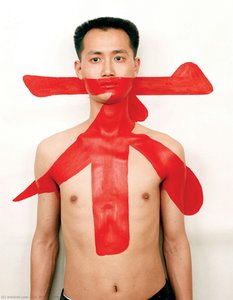
In the profound and visceral world of Zhang Huan, the human body serves as both a canvas and a site of profound ritualistic transformation. In Family Tree (panel 1), we are invited into an intensely personal encounter that blurs the lines between the physical self and the ancestral narrative. The image presents a striking close-up of a man, his presence commanding and unyielding, looking directly at the viewer with a gaze that demands recognition. His skin, adorned with intricate Chinese calligraphy that appears to merge seamlessly with his very flesh, tells a story of permanence and inescapable heritage. This is not merely a portrait; it is an exploration of how history, culture, and memory are etched into our very being.
The composition captures a raw, tactile reality. The man’s bald head and the stark contrast of his black shirt create a focused frame for the centerpiece of the work: the tattoos that sprawl across his upper body. These characters, appearing as if tattooed directly onto the skin, evoke the weight of tradition and the indelible marks left by one's lineage. For the collector or the enthusiast of contemporary Chinese art, this piece offers a window into the artist's preoccupation with the concept of the "body as a vessel." The technique, while presented through a photographic lens, carries the weight of performance art, suggesting that the subject himself is an active participant in a living, breathing historical record.
Symbolism and the Weight of Ancestry
To understand Family Tree (panel 1), one must look beneath the surface of the ink and skin. The title itself suggests a genealogical connection, implying that the individual depicted is but one branch in a much larger, more complex organism. The calligraphy acts as a symbolic bridge between the ephemeral nature of human life and the enduring legacy of the past. In Zhang Huan’s broader body of work, themes of displacement and cultural identity are paramount; here, the tattoos serve as a metaphor for the inescapable gravity of one's roots. Each stroke of the character represents a thread in the tapestry of a family, a culture, and a nation.
For interior designers and curators seeking to add depth to a space, this work provides a powerful focal point of contemplative strength. It possesses an emotional gravity that can anchor a room, offering a conversation piece that transcends mere aesthetics. The interplay between the dark tones of the clothing and the detailed textures of the skin creates a chiaroscroll effect that is both haunting and beautiful. It invites the viewer to reflect on their own "family tree"—the invisible marks left by those who came before us and the ways in which we carry their stories within our own identities.
A Legacy of Transformation
Zhang Huan’s journey from the rural landscapes of Anyang to the avant-garde circles of Beijing's East Village is reflected in the transformative energy of this piece. There is a sense of ritualistic revelation in the way the subject presents himself—vulnerable yet powerful, exposed yet shielded by his history. This work stands as a testament to the artist's ability to use the physical form to navigate the complexities of modern existence and ancient tradition.
Owning a high-quality reproduction of such a significant work allows for the preservation of this intense emotional experience within a private collection or a curated professional environment. It is an invitation to live alongside a piece that challenges the boundaries of art, pushing us to look closer at the marks we leave on the world and the marks the world leaves upon us.
Srodna umetnička dela
Biografija umetnika
Zhang Huan: A Body of Ritual and Revelation
Born in Anyang, Henan Province, China, in 1965, Zhang Huan’s artistic journey is a compelling narrative of transformation, challenging conventions and pushing the boundaries of performance art. Initially named Dong Ming – a tribute to Chairman Mao – his early life was marked by a brief relocation to rural Tangyin County, an experience that would profoundly shape his later work, imbuing it with themes of displacement, memory, and cultural identity. This formative period instilled in him a deep connection to the land and its traditions, which he would continually revisit throughout his career.
Zhang’s formal education laid the groundwork for his artistic explorations. He earned a BA from Henan University in Kaifeng (1988) and subsequently an MA from the China Central Academy of Fine Arts in Beijing (1993). It was within the vibrant, albeit politically scrutinized, environment of Beijing's East Village that Zhang began to forge his distinctive style – a potent blend of performance, photography, sculpture, and installation. This community, comprised of young artists experimenting with radical forms of expression, became a crucible for innovation, though also a source of official reprimands for their provocative actions.
The Performance of the Body
Zhang Huan’s artistic breakthrough arrived in 1993 with *Angel*, a performance at the National Art Museum of China that immediately garnered attention. This seminal work involved the artist lying naked on the floor, covered in red paint and fragments of a doll – a deliberate reference to China's controversial one-child policy. This act, and many that followed, established a core tenet of his practice: the systematic interrogation of the body as both subject and vehicle for exploring complex social, political, and spiritual themes.
His early performances were characterized by a raw physicality, often involving nudity and elements of masochism – a deliberate confrontation with vulnerability and pain. Works like *12 Square Meters* (1994), where he endured being smeared with honey and fishy liquid while sitting in a prison-like space, became iconic representations of his willingness to push personal limits. These performances weren’t merely displays of endurance; they were carefully constructed rituals designed to provoke reflection on issues ranging from the pressures of modern life to the weight of history.
Sculptural Echoes and Buddhist Influence
Following a period in New York City, Zhang Huan returned to China in 2006, marking a significant shift in his artistic focus. He began to engage with sculpture, drawing inspiration from ancient Buddhist iconography. His early sculptures – colossal copper hands and feet, magnified fragments of broken Buddhist figures unearthed in Tibet – were not simply reproductions but rather reinterpretations imbued with a profound sense of reverence and ritual.
This period saw the emergence of works like *Long Ear Ash Head* (2007), a monumental sculpture constructed entirely from incense ash, reflecting his growing interest in Buddhism and its meditative practices. The use of ash, a symbol of both mortality and rebirth, underscored the cyclical nature of existence – a central tenet of Buddhist philosophy. His later work, including *Sydney Buddha* (2015), further explored these themes, creating immersive installations that invited viewers to contemplate the relationship between the corporeal and the spiritual.
Recognition and Legacy
Zhang Huan’s work has garnered international acclaim, culminating in inclusion in prestigious exhibitions such as the 2002 Whitney Biennial and numerous solo shows at institutions worldwide. His pieces are held in collections including The Guggenheim Museum, MoMA, and the Metropolitan Museum of Art. His willingness to confront uncomfortable truths through his art – exploring themes of identity, spirituality, and social commentary – has cemented his position as a leading figure in contemporary Chinese art.
Beyond his individual achievements, Zhang Huan played a pivotal role in shaping the landscape of performance art in China, paving the way for subsequent generations of artists to challenge established norms and explore new forms of expression. His legacy extends beyond the canvas or stage; it resides in his courageous exploration of the human condition and his unwavering commitment to pushing the boundaries of artistic possibility.
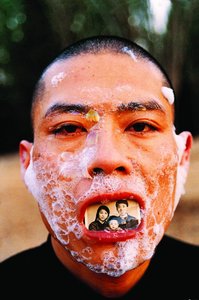
Zhang Huan
1965 - , China
Kratke činjenice
- Artistic Movement Or Style: Performance art, Sculpture, Photography
- Artists Or Movements Influenced By This Artist: ['Contemporary Art']
- Artists Who Influenced This Artist:
- Buddhist philosophy
- Beijing East Village
- Date Of Birth: 1965
- Full Name: Zhang Huan
- Nationality: Chinese
- Notable Artworks:
- Angel
- To Raise the Water Level
- My America
- Skull No. 15
- Long Ear Ash Head
- Place Of Birth: Anyang, China