


The Enduring Power of Cultural Storytelling Through Art
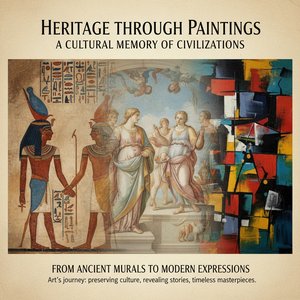
From the earliest cave paintings to the sprawling canvases of modern masters, art has always been more than mere decoration; it is a fundamental form of communication, a vessel for preserving memory, and a powerful engine of cultural identity. Across continents and millennia, humanity’s impulse to create—to depict, interpret, and imbue meaning onto the world around us—has yielded an astonishing tapestry of artistic expression. To truly understand a culture, one must delve into its art, not simply as aesthetic objects but as windows into the beliefs, values, and experiences that have shaped it. Consider the intricate wood sculptures of the Dogon people of Mali, for instance. These aren’t just beautiful forms; they are embodiments of their cosmology, ancestral spirits brought to life through painstaking craftsmanship. The very act of creation is a sacred ritual, connecting generations and reinforcing communal bonds. This inherent storytelling capacity transcends language barriers, offering a universal means of connection.
Unveiling Hidden Histories: Lesser-Known Museums Around the Globe
While institutions like the Louvre and the Metropolitan Museum of Art rightly command attention, the world is replete with smaller, often overlooked museums that hold equally compelling treasures. These hidden gems offer intimate encounters with art and history, free from the overwhelming crowds of more popular destinations. Take, for example, the National Museum of Ancient Art in Lisbon, Portugal. Housed within a stunning palace, it boasts an exceptional collection spanning centuries, including masterpieces by Hieronymus Bosch and Raphael. The building itself—a testament to Portuguese architectural heritage—adds another layer of richness to the experience. Similarly, Frederiksborg Castle in Denmark isn’t solely an art museum; it's a journey through 500 years of Danish history, with royal portraits and meticulously preserved interiors offering a vivid glimpse into the lives of past monarchs. These museums aren’t just displaying objects; they are preserving narratives, safeguarding cultural memory, and providing invaluable context for understanding artistic movements.
Digital Art Exploration: Virtual Tours, Online Collections & Immersive Experiences
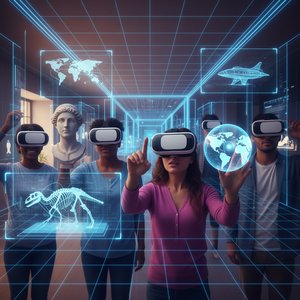
The advent of digital technology has democratized access to art in unprecedented ways. Virtual tours allow us to wander the halls of world-renowned museums from the comfort of our homes, while high-resolution images reveal details previously invisible to the naked eye. Online collections provide a wealth of scholarly resources, enabling deeper research and understanding. But the potential extends far beyond simple replication. Immersive experiences—utilizing virtual reality and augmented reality—offer new ways to engage with art, allowing viewers to step *into* paintings or reconstruct historical environments. This isn’t about replacing physical encounters; it's about expanding access and enriching our appreciation for artistic creations. The ability to explore the works of Claude Monet online, for example, allows us to appreciate his brushstrokes and color palettes in a way that wasn’t possible before.
Art as a Catalyst for Cross-Cultural Understanding and Empathy
Perhaps the most profound benefit of engaging with art from diverse cultures is its ability to foster empathy and break down barriers. By encountering unfamiliar artistic traditions, we are challenged to question our own assumptions and broaden our perspectives. The vibrant landscapes of Kim Byung-jong (Dan-A), blending Eastern and Western influences, offer a compelling example of this cross-cultural dialogue. His work invites us to consider different aesthetic values and philosophical viewpoints. Similarly, studying the art of indigenous cultures—such as the Dogon people or Aboriginal Australian artists—requires sensitivity and respect for their unique beliefs and traditions. This process of cultural immersion cultivates a deeper understanding of human diversity and promotes tolerance and appreciation.
Preserving Heritage: The Role of Conservation in Protecting Artistic Treasures
The preservation of artistic heritage is not merely an aesthetic concern; it’s a moral imperative. Artworks are fragile remnants of the past, vulnerable to the ravages of time, environmental factors, and human intervention. Conservation—the deliberate action of protecting and restoring these objects—requires specialized knowledge, meticulous craftsmanship, and a deep respect for historical authenticity. From stabilizing crumbling frescoes to repairing damaged canvases, conservators play a vital role in safeguarding our cultural legacy. This work extends beyond physical restoration; it also involves documenting provenance, researching artistic techniques, and ensuring the long-term preservation of cultural memory. Museums worldwide are increasingly prioritizing conservation efforts, recognizing that these objects represent invaluable links to our past.
Curated Journeys: Elevating Your Museum Experience with Private Access
For those seeking a truly immersive experience, curated private museum visits offer an unparalleled opportunity to engage with art on a deeper level. Exclusive access, guided tours led by expert scholars, and bespoke itineraries tailored to individual interests can transform the visitor experience. These personalized journeys allow for in-depth exploration, free from the crowds and distractions of public spaces. Imagine exploring the National Museum of Ancient Art in Lisbon with a renowned art historian, delving into the symbolism of Bosch’s paintings or uncovering hidden details within Raphael’s masterpieces. This isn't simply about *seeing* art; it's about understanding its context, appreciating its craftsmanship, and connecting with its cultural significance. At ArtsDot.com, we believe that art should be accessible to everyone, and we are committed to providing exceptional experiences that inspire and enrich lives. From hand-painted reproductions of classic masterpieces to custom portrait commissions, we offer a range of services designed to bring the beauty and power of art into your home or workspace. Explore our collection today and discover the transformative potential of cultural storytelling through canvas.