The Essence of Ma: Finding Stillness in Japanese Composition
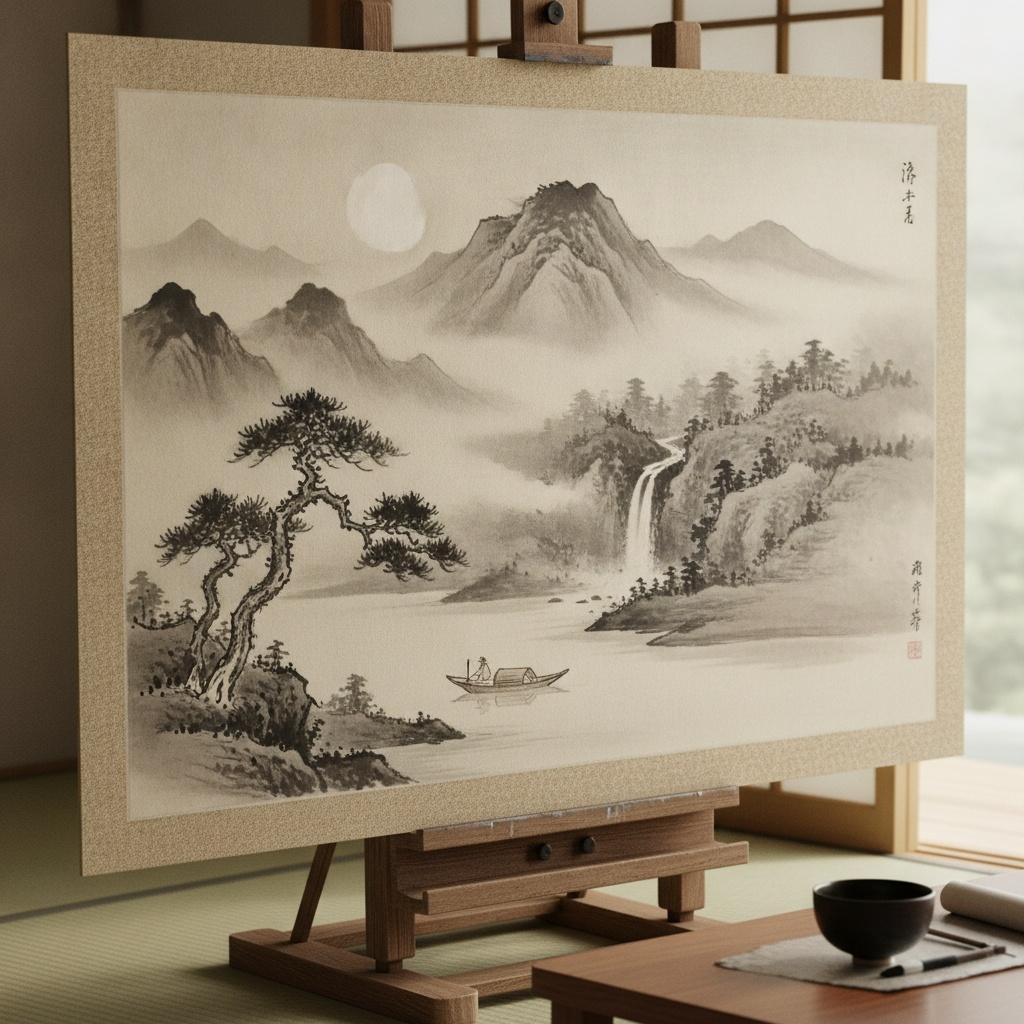
To approach a Japanese landscape is not merely to view a depiction of nature, but to enter into a profound dialogue with silence. At the heart of this aesthetic experience lies the concept of Ma—the intentional use of empty space. Unlike Western traditions that often seek to saturate the canvas with detail and perspective, Japanese masters understood that what is left unpainted is just as vital as the ink itself. This void is not a vacuum; it is a breathing presence, a reservoir of potentiality that allows the viewer’s spirit to expand.
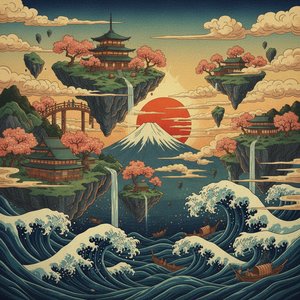
In these compositions, the emptiness serves as a bridge between the physical world and the metaphysical realm. When we gaze upon a mist-shrouded mountain or a vast, untouched sky, the Ma invites us to inhabit the stillness. It provides the necessary pause, much like the silence between notes in a Zen meditation, ensuring that every brushstroke of a pine needle or a distant shoreline carries immense weight. This deliberate use of negative space creates a sense of infinite depth, suggesting that the landscape continues far beyond the edges of the paper, into the eternal.
Ink and Spirit: The Technical Mastery of Sumi-e and Ukiyo-e
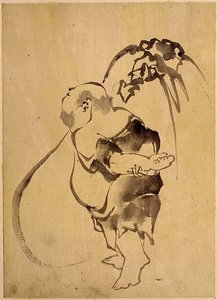
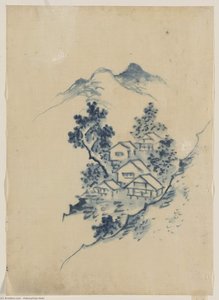
The technical execution of these works is a testament to a disciplined union of hand and soul. In the tradition of Sumi-e, or ink wash painting, the artist’s mastery over water and soot-based ink allows for an extraordinary range of expression. A single, decisive stroke can capture the rugged texture of ancient bark or the ethereal lightness of a passing cloud. There is no room for hesitation; once the brush touches the absorbent paper, the movement is permanent, demanding a state of meditative focus and absolute presence from the practitioner.
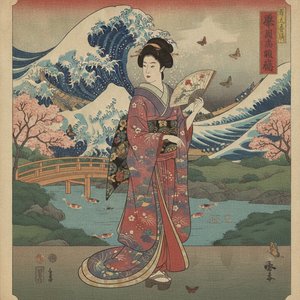
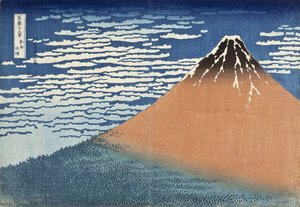
As art evolved through the Edo period, the Ukiyo-e movement introduced a different, yet equally captivating, technical complexity. Through the intricate process of woodblock printing, artists achieved a vibrant interplay of line and color. While Sumi-e relies on the subtle gradations of monochrome, Ukiyo-e utilizes layered pigments to document the "Floating World." This era saw the rise of sophisticated perspectives and the use of innovative materials that allowed for much finer detail, as seen in the works of masters who could render the delicate translucency of a courtesan's robe or the rhythmic power of a crashing wave with equal precision.
Nature as a Mirror: Seasonal Symbolism and the Floating World
In the Japanese artistic consciousness, nature is never a static backdrop; it is a living, breathing mirror reflecting the impermanence of human existence. The concept of Mono no aware—a poignant awareness of the transience of all things—permeates every seasonal motif. The fleeting beauty of cherry blossoms in spring, the lush vitality of summer greenery, the fiery descent of autumn maple leaves, and the stark, quiet dignity of winter snow are not merely seasonal markers. They are profound metaphors for the cycle of life, death, and rebirth.
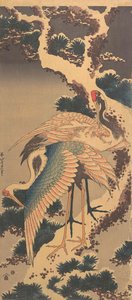
Every element within a landscape carries a symbolic weight designed to evoke specific emotional resonances. A solitary crane may represent longevity and grace, while a weathered stone suggests endurance against the passage of time. By observing these natural cycles, the viewer is reminded of their own place within the cosmic order. The "Floating World" itself—the Ukiyo—refers to this very state of being: a world of transient pleasures and shifting shadows that, despite its fleeting nature, possesses a beauty so profound it warrants eternal contemplation.
From Hokusai to Sadahide: Iconic Masters of the Landscape
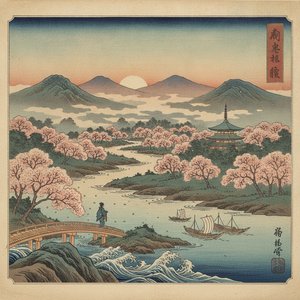
The history of Japanese landscape art is anchored by titans whose influence transcends borders. Katsushika Hokusai remains perhaps the most globally recognized, his ability to infuse the natural world with a sense of divine energy visible in works like Bridge In Southern Sea. His compositions often balance the monumental power of nature with a meticulous attention to structural detail, creating a tension that is both thrilling and serene. Hokusai’s work serves as a cornerstone for anyone seeking to understand the rhythmic vitality inherent in Japanese aesthetics.
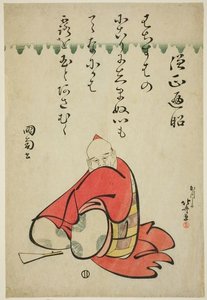
Following in this lineage of greatness, artists like Utagawa Sadahide expanded the landscape genre by documenting the evolving urban and natural vistas of the Edo period. His ability to blend portraiture with sweeping scenery provided a historical record that was as much about human presence as it was about the terrain. Furthermore, the delicate, vibrant works attributed to artists such as Yoshinari Shakutsuru Ittosai remind us of the genre's capacity for extreme delicacy, where bird and flower prints showcase a level of intricate detail that celebrates the micro-cosmos within the macrocosm.
Bringing Serenity Home: Integrating Japanese Aesthetics into Modern Interiors
In our contemporary, often chaotic world, the integration of Japanese landscape aesthetics into the home offers a sanctuary of calm. Incorporating these works is not about mere decoration; it is about curating an atmosphere of reflection. A large-scale reproduction of a misty mountain range can serve as a focal point that anchors a room, providing a window into a more tranquil existence. The minimalist ethos of Japanese art complements modern interior design, where clean lines and uncluttered spaces allow the emotional depth of the artwork to resonate.
Whether through a single, impactful ink wash print or a multi-panel series that wraps around a wall, these pieces invite a slower pace of life. For the discerning collector, choosing art that embodies Ma and seasonal symbolism allows for the creation of a living gallery—a space where every glance at the canvas becomes an opportunity for a brief, restorative moment of Zen. By surrounding ourselves with the timeless beauty of the Japanese landscape, we bring the enduring wisdom of the masters into our daily lives.
ArtsDot.com is dedicated to making these profound artistic legacies accessible to the modern connoisseur. Our mission is to preserve human creativity by offering exquisite, hand-painted reproductions that capture the true soul, texture, and brushwork of the Old Masters. From custom oil commissions that reimagine your personal memories in historical styles to museum-quality prints for sophisticated interiors, we provide a bridge between the timelessness of art history and the contemporary home.