The Philosophy of Impermanence: Understanding the 'Floating World'
 Floating Worlds: A Definitive Guide to the Mastery and Philosophy of Japanese Ukiyo-e Woodblock Prints
The Philosophy of Impermanence: Understanding the 'Floating World' Floating Worlds: The Captivating Magic and Timeless Legacy of Japanese Ukiyo-e Art The Philosophy of the Floating World: Understanding Ukiyo-e To understand Ukiyo-e is to grasp the ve...
This aesthetic does not mourn the passing of time but rather finds transcendence within it. By focusing on the floating world—a realm of pleasure, theater, and transient beauty—the artists invited their audience to find joy in the present moment. There is a haunting elegance in this pursuit, a recognition that because nothing lasts, every moment of grace is infinitely precious. It is this delicate balance between the ephemeral and the eternal that allows Ukiyo-e to resonate so deeply with the modern soul, offering a sanctuary of stillness in an ever-changing world.
Edo’s Vibrant Pulse: The Socio-Cultural Dawn of Ukiyo-e
 Ukiyo-e: The Art of the Floating World and the Legacy of Japanese Woodblock Masters
The Dawn of the Floating World: Historical Context of Edo-Period Japan Edo period The Edo period, also known as the Tokugawa period, is the period between 1600 or 1603 and 1868 in the history of Japan, when the country was under the rule of the Tokug...
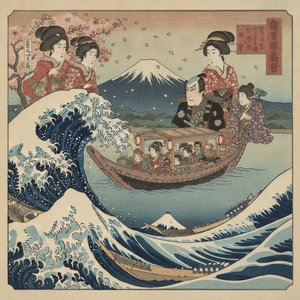
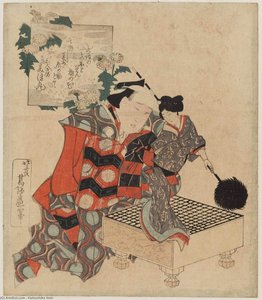
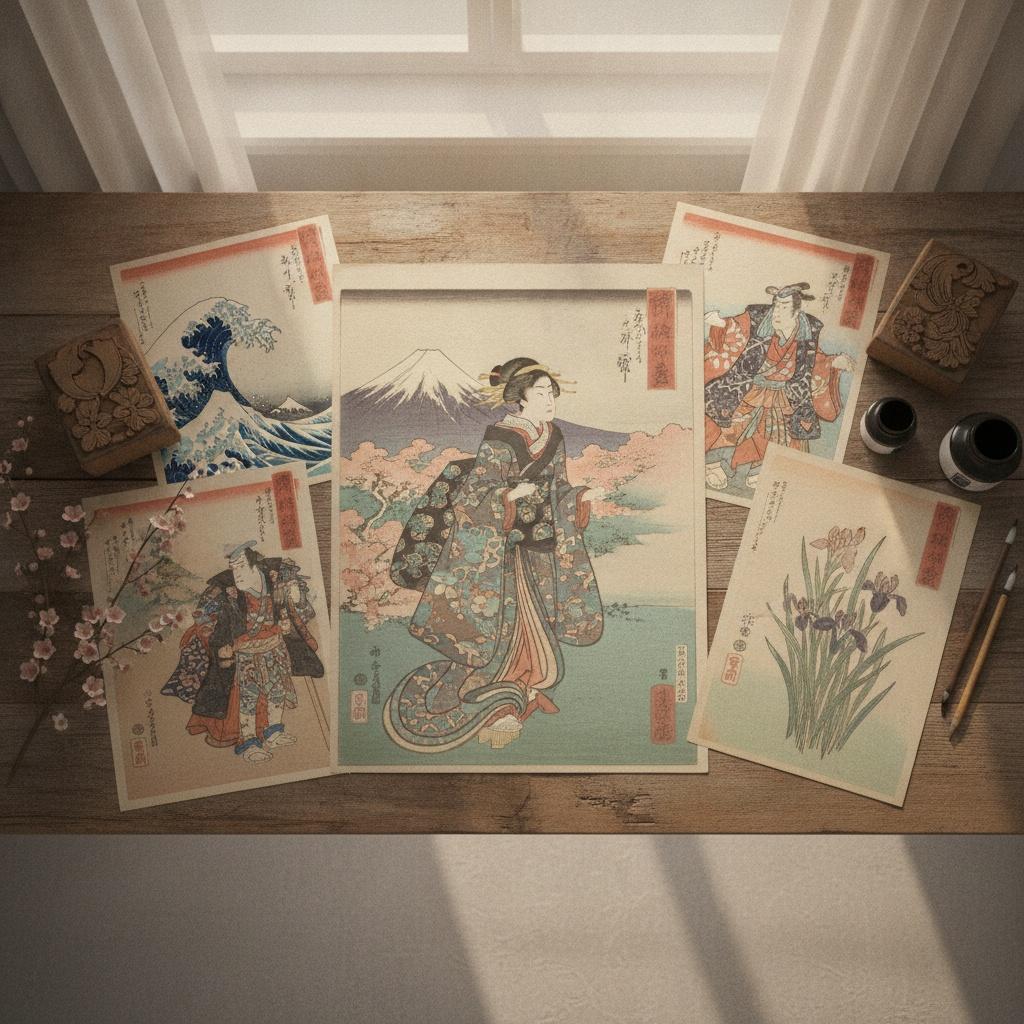
Unlike the grand, religious narratives or aristocratic paintings of earlier centuries, Ukiyo-e was an art of the people. It flourished as a medium of mass communication and popular enjoyment, featuring subjects that were contemporary and highly relatable: the celebrated actors of the Kabuki theater, the refined beauties of the pleasure districts, and the breathtaking landscapes that defined the Japanese terrain. This democratization of art transformed woodblock printing from a tool for disseminating Buddhist scriptures into a sophisticated engine of cultural expression. The prints became much more than mere images; they were visual diaries of an era, capturing the rhythms, fashions, and social dynamics of a society in the midst of a magnificent urban revolution.
Masters of the Grain: Iconic Figures and Their Visual Legacies
 Hokusai's Masterpieces: 25 Iconic Prints & Paintings for Art Lovers | ArtsDot
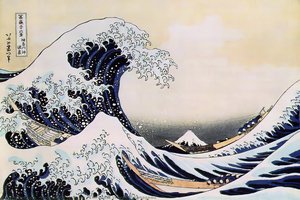
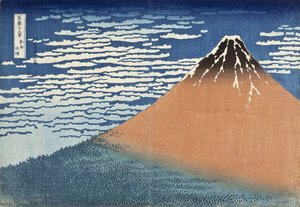
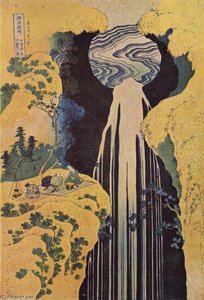
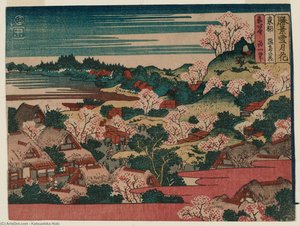
Introduction To embark on a journey through the 25 most celebrated artworks of Katsushika Hokusai is to enter a world where ink blossoms into waves, mountains breathe with life, and everyday scenes resonate with profound beauty. These pieces aren’t m...
Yet, the movement was far from monolithic, composed of diverse voices each contributing a unique texture to the era. Okumura Toshinobu offered a more intimate perspective, characterized by delicate details and soft forms that brought a subtle charm to scenes of everyday life and romanticized theater. In contrast, the versatile Utagawa Sadahide acted as a chronicler of his time, moving seamlessly between historical narratives and contemporary imagery. We also find the dramatic intensity of Utagawa Kuniyoshi, whose spectral encounters and legendary warriors brought folklore to life with striking power. Each of these masters utilized the woodblock medium to leave an indelible mark on history, creating a collective legacy that continues to inspire collectors and artists across the globe.
The Alchemy of Ink and Wood: Technical Mastery in Mokuhanga
 Woodblock printing in Japan
Woodblock printing in Japan (木版画, mokuhanga) is a technique best known for its use in the ukiyo-e artistic genre, but it was also used for printing books in the same period. Invented in China during the Tang dynasty, woodblock printing was widely ado...
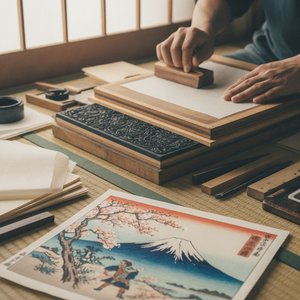
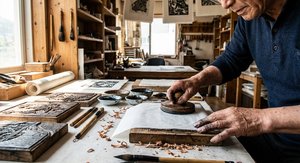
The creation of a single masterpiece was a collaborative feat of technical excellence involving the artist, the carver, and the printer. The process began with the artist's design, which was then transferred to wooden blocks. Each color required its own separate block, and some complex designs necessitated up to 205 individual hand-printings. The carver had to possess extraordinary skill to translate fine, flowing lines into the grain of the wood, while the printer had to master the application of pressure and moisture to ensure perfectly even color distribution. This alchemy of wood, water, and pigment resulted in works that were not only reproducible for a wider audience but possessed a tactile, layered beauty that remains unsurpassed in the history of printmaking.
Timeless Aesthetics: Integrating Ukiyo-e Elegance into the Modern Collector’s Space
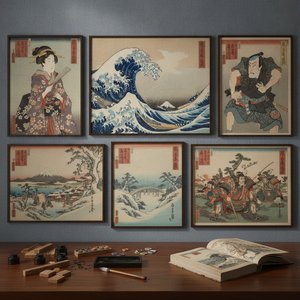
For the contemporary connoisseur, the allure of Ukiyo-e lies in its ability to anchor a modern interior with a sense of heritage and profound grace. The clean lines, bold compositions, and evocative subject matter of these prints integrate seamlessly into both minimalist and maximalist design schemes. Whether it is a large-scale landscape that evokes the serenity of nature or a delicate portrait that adds a touch of historical sophistication, Ukiyo-e brings an unparalleled narrative depth to any curated collection.At ArtsDot.com, we understand that true art appreciation is about more than mere observation; it is about bringing these timeless stories into your personal sanctuary. We specialize in the creation of museum-quality, hand-painted oil reproductions that capture the very essence of the Ukiyo-e masters. Our artists meticulously recreate the visible brushstrokes and rich tonal ranges found in original works, offering you the opportunity to own a piece of history on 100% cotton canvas.
Beyond traditional reproductions, we offer bespoke services for the truly discerning collector:
- Custom Commissions: Transform your personal milestones into masterpieces by having photos reimagined in the iconic styles of the Ukiyo-e masters.
- Professional Digital Mockups: Ensure every selection perfectly complements your space with our service that allows you to visualize the artwork on your walls before production begins.
- Architectural Art: For grander visions, we create large-format murals and frescoes, perfect for hotels or luxury residences seeking to recreate historical elegance.