Deutsche Uhrenrohwerke (Durowe): Masters of Precision and Artistic Detail
Deutsche Uhrenrohwerke (Durowe), established in 1933 by Ludwig Hummel, stands as a testament to German horological excellence—a name synonymous with meticulous craftsmanship and innovative design. Based in Pforzheim, Germany, Durowe quickly ascended to prominence as one of the nation’s foremost watch movement manufacturers until the late 1970s, leaving an indelible mark on the history of Swiss-style watchmaking.
- Early Years and Founding Principles: Ludwig Hummel's vision was rooted in a dedication to quality—a belief that a watch movement should be more than just functional; it should embody beauty and precision. This ethos shaped Durowe’s trajectory from its inception, prioritizing meticulous attention to detail and uncompromising standards.
- Innovation and Technological Advancement: Durowe distinguished itself through pioneering developments like the first electric wristwatch in Germany. However, their true legacy resides in breakthroughs such as the caliber durowe 1980—a movement that achieved renown for its incorporation of incablock shock protection devices and its elegant spring-driven lever escapement. These innovations reflected a commitment to pushing the boundaries of watchmaking technology.
The Durowe Legacy: Collaboration and Artistic Influence
Durowe’s artistic movement wasn't merely about aesthetics; it was deeply intertwined with its technical prowess. Collaborations with talented designers like Reinhold Reiling—a jewelry designer, goldsmith, and teacher—further solidified this connection. Reiling studied at prestigious institutions such as Kunstgewerbeschule Pforzheim and Kunstgewerbeschule Dresden, demonstrating Durowe’s commitment to nurturing artistic talent within its ranks.
- Notable Collaborations: Reinhold Reiling's work showcased Durowe’s influence on jewelry design—incorporating elements of precision engineering alongside artistic creativity. His pieces can be found in museums across Germany, highlighting the broader impact of Durowe’s aesthetic sensibilities.
Recognized Achievements and Museum Collections
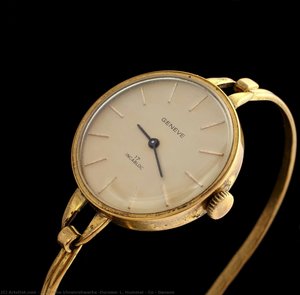
The culmination of Durowe's dedication to excellence is evident in its contribution to iconic watches like the Geneve—a timepiece celebrated globally for its exceptional value and featuring a Durowe movement. The Pforzheim Jewellery Museum houses an impressive collection of Durowe’s creations, including several durowe 1980 caliber watches, serving as tangible reminders of the company's enduring legacy.
A Lasting Impression: Artistic Legacy and Continued Influence
Deutsche Uhrenrohwerke (Durowe)’s artistic legacy extends beyond its individual achievements. Its unwavering focus on quality—a hallmark of Durowe’s production methods—has resonated throughout the watchmaking industry, inspiring subsequent manufacturers to prioritize craftsmanship alongside innovation. Durowe remains a symbol of German horological tradition and continues to inspire designers and engineers today.