

 Vorschau anzeigen
 Versenden
 Teilen
 Details anzeigen

 Herunterladen
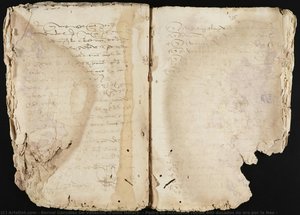
 Ähnliche Objekte
 Röntgenaufnahme
 Diashow
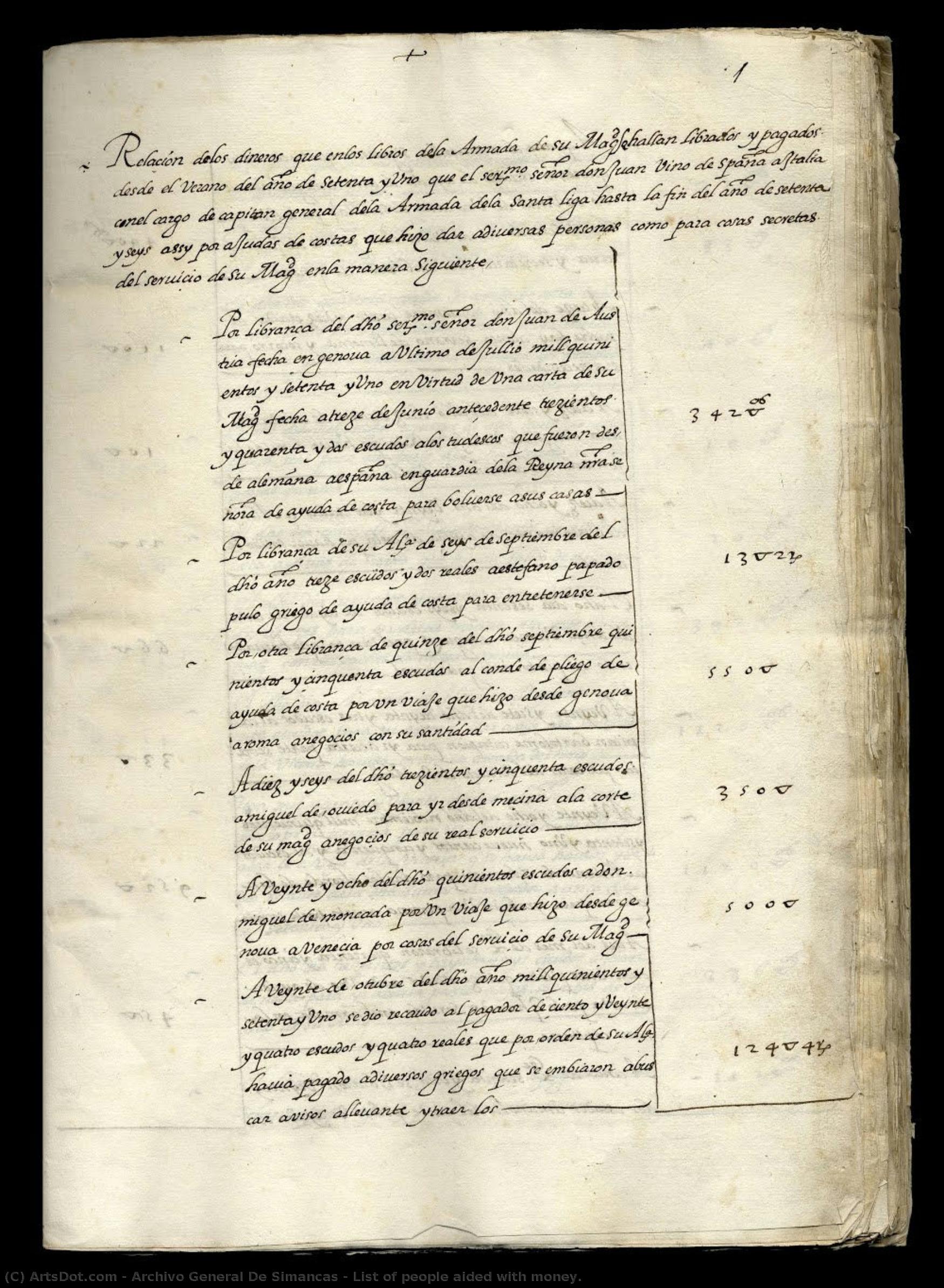
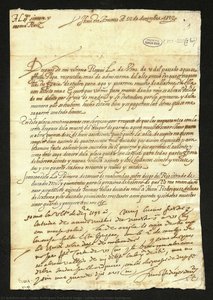
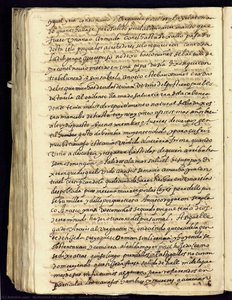
List of people aided with money.
 Other
Other 1572
1572 21.0 x 31.0 cm
 Archivos Estatales
 Weiterlesen
Erwerben Sie ein hochauflösendes, optimiertes digitales Bild, das der Online-Vorschau weit überlegen ist.
Jede Datei wird von unseren hauseigenen Spezialisten mit modernsten Werkzeugen und fachmännischer manueller Retusche sorgfältig vorbereitet. Wir stellen sicher, dass jedes Bild eine außergewöhnliche Klarheit, präzise Farbgenauigkeit und feinste Details aufweist.
Die endgültige Datei wird innerhalb von 72 Stunden per E-Mail zugestellt und ist für den sofortigen Einsatz in professionellen, redaktionellen und Druckumgebungen optimiert. Es handelt sich um dieselbe Qualität, der führende Designstudios, Verlage und Galerien vertrauen.
Digitales Bild
Laden Sie eine hochauflösende Datei für die persönliche Präsentation, den Druck und kreative Projekte herunter. ( Druck bestellen Handgemalte Reproduktion bestellen)
In jeder Bestellung digitaler Bilder enthalten
Professionelle digitale Bereitstellung, garantiert
Wenn Sie sich für ArtsDot.com entscheiden, erhalten Sie nicht nur ein Bild – Sie erhalten ein professionell aufbereitetes digitales Kunstwerk, das mit höchster Präzision erstellt und durch eine Zufriedenheitsgarantie abgesichert wird. Hier ist alles, was automatisch mit Ihrer Bestellung geliefert wird:

Schnelle E-Mail-Zustellung
Ihre hochauflösende digitale Bilddatei wird Ihnen innerhalb von 72 Stunden nach der Bestellung per E-Mail zugestellt – bereit zur sofortigen Verwendung.

KI-optimierte digitale Datei
Ihre Kunstwerke werden professionell mithilfe fortschrittlicher KI-Tools und manueller Bearbeitung optimiert, um maximale Detailtreue, Klarheit und Farbgenauigkeit zu gewährleisten.

Lebenslanger kostenloser Neudruckservice
Datei versehentlich gelöscht oder verloren? Keine Sorge – wir senden sie Ihnen jederzeit kostenlos erneut zu.

Keine Einfuhrgebühren – jemals
Genießen Sie Ihr Kunstwerk sofort ohne Zollgebühren, Einfuhrabgaben oder Versandkosten – digitale Downloads sind immer steuerfrei.

Garantierte Farbtreue
Wir garantieren, dass Ihr digitales Bild mithilfe professioneller Werkzeuge und Farbmanagement die Originalfarben so präzise wie möglich wiedergibt.

60-Tage-Zufriedenheitsgarantie
Sollten Sie mit Ihrem digitalen Bild nicht zufrieden sein, werden wir es überarbeiten oder Ihnen innerhalb von 60 Tagen 100% erstatten – ohne Wenn und Aber.

100% Geld-zurück-Garantie
Nicht zufrieden? Erhalten Sie innerhalb von 60 Tagen nach Erhalt Ihrer digitalen Datei eine vollständige Rückerstattung – ohne Angabe von Gründen.

Rabatte bei Großbestellungen
3 Bilder kaufen, 10% sparen – 5 Bilder kaufen, 15% sparen – Ab 10 Bildern 20% sparen. Ideal für kreative Projekte, Galerien und Agenturen.
Ähnliche Kunstwerke

Biografie des Künstlers
Francisco Goya y Lucientes: A Titan of Spanish Art
Francisco José de Goya y Lucientes (1746 – 1828) stands as one of Spain’s most celebrated painters and printmakers—a figure whose oeuvre transcends stylistic boundaries and confronts profound themes of human suffering, social injustice, and artistic innovation. Born in Fuendetodos, Aragon, Goya's early life was marked by modest circumstances and a formal education focused on mathematics and architecture—skills that would prove invaluable to his burgeoning artistic talent. However, it was his apprenticeship under Anton Raphael Mengels in Madrid who decisively shaped his artistic vision—introducing him to the principles of Neoclassicism and fostering an appreciation for classical sculpture and painting.- Early Artistic Training: Mengels’s influence instilled in Goya a disciplined approach to technique and composition, emphasizing idealized forms and harmonious proportions. Yet, Goya quickly developed a rebellious spirit—rejecting the rigid conventions of Neoclassicism in favor of expressive brushwork and dramatic lighting—a stylistic hallmark that would characterize his subsequent artistic endeavors.
- Madrid Patronage and Artistic Development: Goya’s career gained momentum through commissions from aristocratic patrons—including the Marquis de Villanueva and Count Altamira—who recognized his exceptional talent and supported his artistic experimentation. These engagements allowed him to hone his skills, explore diverse subjects—ranging from portraits of nobility to mythological scenes—and refine his mastery of oil paint and etching.
The Romantic Vision: Darkness and Emotion
Goya’s artistic trajectory culminated in the embrace of Romanticism—a movement that championed emotion, imagination, and individualism as responses to the Enlightenment's rational idealism. Rejecting the polished surfaces of Neoclassicism, Goya sought to convey psychological depth and visceral experience—capturing the anxieties and traumas of his time with unflinching honesty. His paintings—such as “Saturn Devouring His Son” and “The Third of May 1808”—depict scenes of brutality and despair—reflecting the horrors of war, oppression, and human cruelty. Simultaneously, Goya’s etchings—particularly “Los Caprichos” and “Disasters of War”—became iconic expressions of Romantic critique—targeting social hypocrisy, religious dogma, and political corruption.- Symbolism and Emotional Intensity: Goya's artistic language is infused with symbolism—drawing upon mythological imagery and biblical references to convey complex ideas about morality, fate, and human condition. His masterful use of chiaroscuro—the dramatic interplay between light and shadow—amplifies the emotional impact of his compositions—creating unsettling atmospheres that provoke contemplation and discomfort.
- Influence on Subsequent Artists: Goya’s Romantic style exerted a profound influence on subsequent generations of painters—inspiring artists like Eugène Delacroix, Théodore Gericault, and Edvard Munch to explore themes of suffering, alienation, and psychological torment—solidifying his position as a pivotal figure in European art history.
The Inquisition Trials: Confronting Darkness
Goya’s artistic output during the Napoleonic Wars is marked by an unprecedented level of moral seriousness—fueled by his deep engagement with the injustices perpetrated by Napoleon's regime and his unwavering sympathy for the Spanish people. He undertook a series of portrait commissions documenting the trials of inquisitors accused of abuses of power—a project that exposed the barbarity of the Inquisition and challenged prevailing notions of religious authority. These portraits—characterized by unflinching realism and psychological insight—represent Goya’s most ambitious undertaking—demonstrating his artistic prowess and moral conviction.- Psychological Portraiture: Goya's portraits transcend mere likeness—capturing not only physical appearance but also inner character—revealing the anxieties, doubts, and contradictions of his subjects with remarkable acuity. He employed innovative techniques—such as mezzotint etching—to achieve nuanced tonal gradations and convey subtle expressions—creating images that resonate with profound psychological depth.
- Social Critique: Goya’s portraits serve as powerful indictments of social hypocrisy—challenging the pretensions of the aristocracy and exposing the moral failings of those who wielded power. His unflinching gaze—directed at his subjects—demands confrontation—forcing viewers to confront uncomfortable truths about human nature and societal institutions.
Legacy: An Enduring Artistic Voice
Francisco Goya’s artistic legacy extends far beyond his individual masterpieces—establishing him as a towering figure in European art history. His stylistic innovations—characterized by expressive brushwork, dramatic lighting, and psychological insight—transformed the conventions of painting and etching—inspiring artists across disciplines to explore themes of darkness, emotion, and social critique. Goya’s unflinching honesty—coupled with his unwavering commitment to artistic integrity—continues to resonate with audiences today—affirming his enduring status as one of Spain's greatest artistic geniuses. His work remains a testament to the transformative power of art—challenging viewers to confront uncomfortable truths about human experience and societal injustice—ensuring that Goya’s voice continues to inspire generations of artists and thinkers alike.- Influence on Surrealism: Goya’s preoccupation with dreamlike imagery and irrational emotion foreshadowed developments in Surrealist painting—particularly the work of Salvador Dalí—who drew inspiration from Goya's unsettling visions and symbolic language.
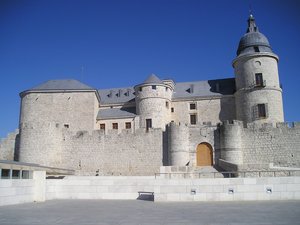
Archivo General De Simancas
Spanien
Kurzinfos
- Full Name: Archivo General de Simancas
- Nationality: Spanisch
- Notable Artworks: ['Plan of Messina']
- Place Of Birth: Spanien

