 Vorschau anzeigen
 Versenden
 Teilen
 Details anzeigen

 Herunterladen
 Ähnliche Objekte
 Röntgenaufnahme
 Diashow
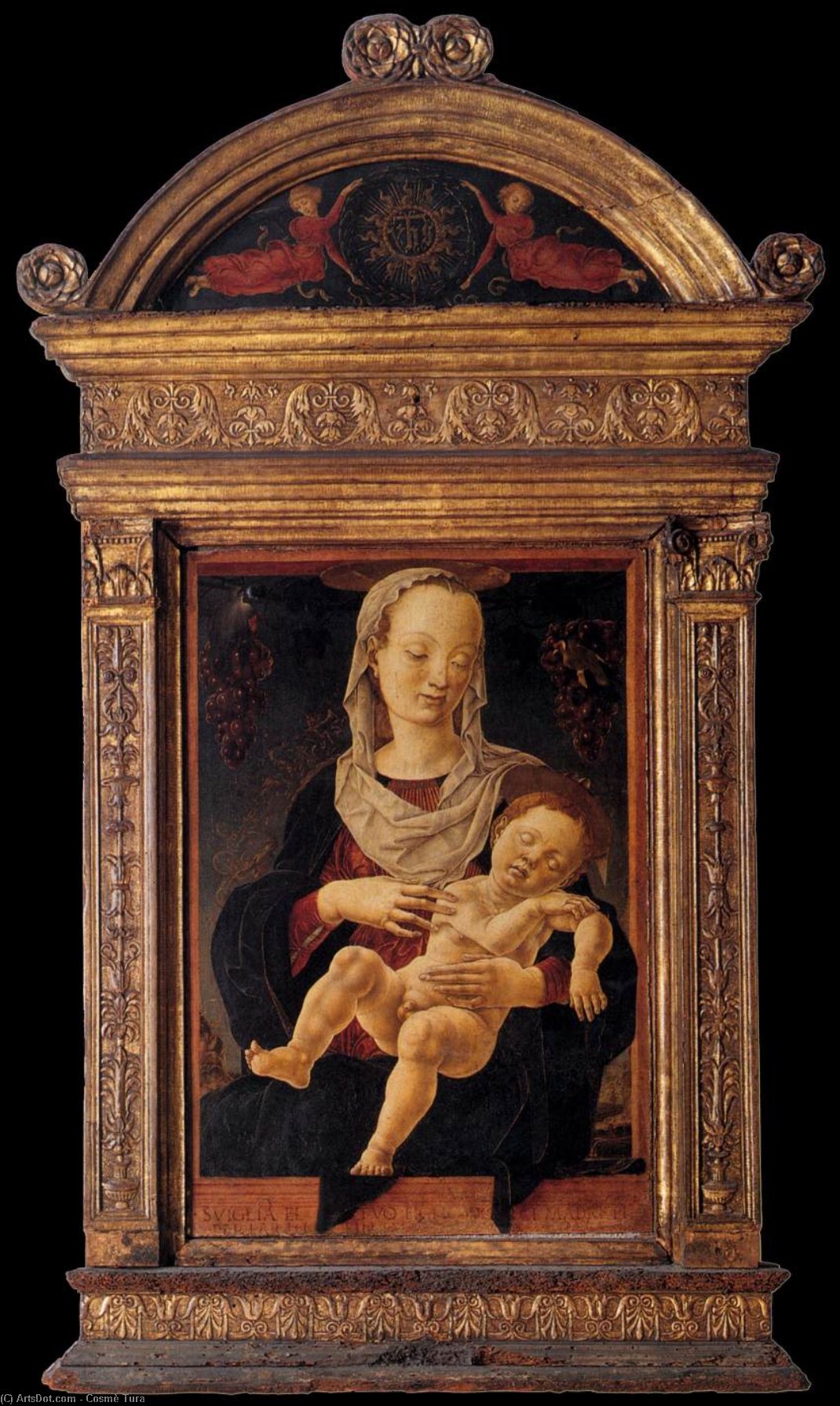
The Madonna of the Zodiac
 Öl auf Tafel
- Early Italian Renaissance
 1459
1459 121.0 x 69.0 cm
 Gallerie dell’Accademia
 Weiterlesen
Handgefertigte Ölreproduktion
Handgemaltes Ölgemälde auf Leinwand in Ihrer Wunschgröße und mit Rahmen, auf Bestellung von unseren Künstlern angefertigt. ( Druck bestellen Bild kaufen)




P118B $10

P118H $10

P118W $10

P438Z $10

P508JH $12

P508YH $12

P805H $10

P805Z $10

P919BZ $10

P919G $10

P919XJ $10

P959ZH $10

P968JZ $12

W106C $8

W218G $10

W218JH $8

W218Y $10

W307PJ $10

W316G $10

W316PJ $8

W316Y $10

W398PJ $8

W4111J $10

W500HY $15

W500JH $15

W692G $12

W849H $8

W940BG $15

W953PJ $8




Wählen Sie aus unseren vordefinierten Formaten, die den ursprünglichen Proportionen des Kunstwerks entsprechen.

Sie können Ihre eigenen Maße eingeben, um einen bestimmten Rahmen oder Platz auszufüllen. Wenn die gewählte Größe nicht den Proportionen des Originalbildes entspricht, werden wir das Kunstwerk entweder beschneiden oder das Gemälde durch zusätzliche, handgemalte Elemente erweitern. Ein digitales Mockup wird Ihnen zur Genehmigung zugesandt, bevor die Produktion beginnt.
Bitte beachten Sie, dass die Bildschirmvorschau nicht die tatsächliche Beschneidung oder Erweiterung widerspiegelt. Nur das Mockup zeigt die endgültige Komposition exakt an.
Obwohl Sondermaße verfügbar sind, empfehlen wir, eine Größe aus der vordefinierten Liste zu wählen, um die ursprünglichen Proportionen beizubehalten.
Nach der Bestellung wird das ArtsDot.com-Team dem Kunden Anweisungen per E-Mail zusenden und eine Mockup-Vorschau bereitstellen.
Weltweiter Versand () in nur 3 bis 4 Wochen statt der üblichen 5 Wochen. (2 September). Keine Kompromisse bei der Qualität.

Kostenloser weltweiter Expressversand

Hochwertige Leinenleinwand

Umfassender Versicherungsschutz beim Versand

Zollgebühren-Rückerstattungsgarantie

Garantie für exakte Farbtreue

60 Tage Rückgaberecht (nur bei Mängeln)

100% Geld-zurück-Garantie

Mengenrabatt verfügbar
 Die Glasoption ist nur für Größen unter 110 cm verfügbar.

The Madonna of the Zodiac
Art der Reproduktion
Format der Reproduktion
-


Gesamtpreis
$ 288
The Madonna of the Zodiac: A Renaissance Reverie
Cosmè Tura’s “Madonna of the Zodiac,” painted in 1459, isn't merely a depiction of the Virgin Mary and Child; it’s a shimmering portal into the intellectual and artistic fervor of early Renaissance Ferrara. This exquisite tempera on panel painting, now residing within the Gallerie dell’Accademia in Venice, embodies the era’s fascination with classical antiquity, burgeoning scientific thought, and deeply personal devotion. The work immediately captivates with its serene beauty – a testament to Tura's mastery of capturing both spiritual grace and tangible realism.
At first glance, the painting presents a familiar scene: Mary cradling the infant Jesus, their gazes locked in an intimate communion. However, closer inspection reveals a wealth of subtle details that elevate this image beyond simple iconography. The rich blues and reds of Mary’s garments, rendered with meticulous layering and glazing techniques – hallmarks of Tura's style – create a sense of luminous depth and texture. The delicate folds of her robe, the soft sheen of her veil, all speak to an artist deeply attuned to the nuances of material representation. The gold leaf accents, particularly in the halos and decorative elements, further enhance the painting’s opulent quality, reflecting the wealth and prestige associated with the patron who commissioned it.
A Celestial Tapestry: The Zodiacal Symbolism
What truly distinguishes “Madonna of the Zodiac” is its intricate background – a meticulously rendered depiction of the twelve signs of the zodiac. These celestial symbols, painted in shimmering gold against a deep blue backdrop, are not merely decorative flourishes; they represent a profound engagement with contemporary intellectual currents. During the Renaissance, astrology was far from relegated to superstition; it was intertwined with astronomy, philosophy, and even medicine. The zodiac served as a framework for understanding the cosmos, linking earthly events to celestial movements.
The specific signs visible – Aquarius, Pisces, Sagittarius, and Virgo – are particularly noteworthy. Their prominence suggests a deliberate emphasis on themes of transformation, intuition, wisdom, and purity. The inscription at the base of the painting, “Sviglia el tuo figlio dolce madre pia / per far infin felice l’alma mia” (Sweet Holy Mother awake your son/so that my soul may finally be at peace), further reinforces this connection to cosmic order and divine grace. It's a poignant reminder of the cyclical nature of life, death, and rebirth – central themes in Renaissance art and thought.
The Artist’s Legacy: Cosmè Tura and the Ferrarese School
Cosmè Tura (1430-1495) stands as a pivotal figure in the development of the Ferrarese school of painting, an artistic movement that flourished in his native city of Ferrara. Born into humble beginnings – his father was a shoemaker – Tura’s rise to prominence is a remarkable testament to his talent and ambition. He received early training from Galasso Galassi, but it was his time in Padua, under the tutelage of Francesco Squarcione, that truly shaped his artistic vision.
Squarcione's workshop, renowned for its embrace of classical antiquity and innovative techniques like linear perspective, provided Tura with a rigorous foundation. He quickly surpassed his master, developing a distinctive style characterized by expressive lines, decorative detail, and a masterful command of color and texture. “Madonna of the Zodiac” exemplifies these qualities perfectly – a vibrant synthesis of Renaissance idealism and meticulous observation. Tura’s work laid the groundwork for subsequent generations of Ferrarese artists, establishing a regional artistic identity that continues to be celebrated today.
A Timeless Masterpiece: Reproduction and Beyond
Reproductions of “Madonna of the Zodiac” offer an exceptional opportunity to bring this Renaissance treasure into your home or office. ArtsDot’s hand-painted reproductions meticulously recreate Tura's original techniques, capturing the painting’s luminous quality, intricate detail, and profound emotional resonance. Each reproduction is crafted with the same care and attention to detail as the original, ensuring a faithful representation of this iconic work.
Beyond its aesthetic appeal, “Madonna of the Zodiac” speaks to enduring themes of faith, family, and the interconnectedness of all things. It’s a painting that invites contemplation, sparking a sense of wonder and reverence. Whether you are an art collector, interior designer, or simply someone seeking a touch of timeless beauty, a reproduction of this masterpiece is sure to enrich your life.
Ähnliche Kunstwerke
Über den Künstler
Cosmè Tura: Ein Begründer der Ferrareser Schule
- Geboren: um 1430 in Ferrera, Italien
- Gestorben: 1495
- Bekannt für: Frührenaissance-Maler und Gründer der Ferrareser Schule
Frühes Leben und Ausbildung
- Cosmè Tura wurde um 1430 in Ferrara, Italien, als Sohn eines Schuhmachers geboren. Einzelheiten über seine frühen Jahre sind spärlich dokumentiert.
- Seine künstlerische Ausbildung ist schlecht dokumentiert, aber es wird vermutet, dass er von Künstlern wie Fra Angelico, Piero della Francesca und Andrea Mantegna beeinflusst wurde.
- Es gibt Spekulationen, dass er möglicherweise unter Galasso Galassi in die Lehre ging, einem etwas rätselhaften Künstler, der mit Piero della Francesca in Verbindung steht.
- Von 1452 bis 1456 ist Turas Anwesenheit in Ferrara nicht dokumentiert, was einige Historiker glauben lässt, dass er reiste, möglicherweise nach Venedig oder Padua.
- Ein möglicher Aufenthalt in Padua brachte ihn mit der Werkstatt von Francesco Squarcione in Kontakt, einem bedeutenden Zentrum für Renaissance-Kunst, und Künstlern wie Carlo Crivelli, Michael Pacher und Andrea Mantegna. Diese Begegnung beeinflusste wahrscheinlich seinen Stil.
Künstlerischer Stil und Einflüsse
- Turans künstlerischer Stil zeichnet sich durch klare und scharfe Linien, dekorative Üppigkeit und Anspielungen auf die klassische Antike aus.
- Er war einer der ersten, der Ölfarben einsetzte und sie geschickt verwendete, um verschiedene Texturen in seinen Werken darzustellen.
- Einflüsse sind die toskanischen Innovationen, die Donatello nach Padua brachte, was sich in seiner Verwendung von linearer Perspektive und starken Formen zeigt.
- Sein Stil spiegelt auch den Einfluss flämischer Künstler wider, die in Ferrara tätig waren.
Hauptwerke und Errungenschaften
- Tura arbeitete umfangreich für die Familie Este, die Herzöge von Ferrara, und schuf Dekorationen für Turniere, entwarf Möbel und trug zur Mode bei.
- Bemerkenswerte Werke sind die Fresken im Palazzo Schifanoia in Ferrara, die allegorische Szenen darstellen.
- Er malte Porträts, religiöse Panels (wie "St. Antonius von Padua beim Lesen") und andere Kunstwerke, die seinen einzigartigen Stil zeigen.
- Seine “Pietà” ist ein bemerkenswertes Beispiel für spätgotische Kunst mit Renaissance-Einflüssen.
Historische Bedeutung
- Cosmè Tura gilt als einer der wichtigsten Künstler der Frührenaissance, insbesondere in Norditalien.
- Er gründete und leitete die Ferrareser Schule, die spätere Künstler wie Giovanni Andrea Ghirardoni beeinflusste.
- Seine innovative Verwendung von Ölfarben und sein unverwechselbarer Stil trugen wesentlich zur Entwicklung der italienischen Kunst bei.
- Turans Vermächtnis wird in Werken bewahrt, die in Museen wie dem Museo di Ferrara ausgestellt sind.
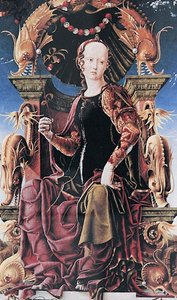
Cosmè Tura
1430 - 1495 , Italien
Kurzinfos
- Beeinflusste Künstler:
- Fra Angelico
- Piero della Francesca
- Andrea Mantegna
- Bemerkenswerte Werke:
- St. Antonius von Padua
- Pietà
- Fresken im Palazzo Schifanoia
- Geburtsdatum: ca. 1430
- Geburtsort: Ferrara, Italien
- Künstlerische Richtung: Frührenaissance
- Nationalität: Italienisch
- Sterbedatum: 1495
- Vollständiger Name: Cosmè Tura
- Von Künstlern Beeinflusst: ['Francesco Squarcione']
Ähnliche Artikel
Cosmè Tura: Die Wiederentdeckung eines Ferrara-Meisters und sein unverwechselbarer Stil
Entdecken Sie Cosmè Tura, einen Pionier der Renaissance in Ferrara! Erfahren Sie mehr über seinen einzigartigen Stil, bedeutende Werke und sein künstlerisches Vermächtnis. Expertenanalyse & detaillierte Informationen.

The Enduring Legacy of Oil on Canvas: Technique, History & Aesthetic Impact
Explore the rich history & techniques of oil painting – from Renaissance masters to Impressionism. Discover pigments, layering methods, and why this timeless medium endures. Expert insights for artists & art enthusiasts.
Raphael: Die 25 Meisterwerke des Renaissance-Genies – Kunst für Ihr Zuhause
Entdecken Sie die 25 schönsten Meisterwerke von Raphael! Tauchen Sie ein in die Welt der Renaissance-Kunst, erfahren Sie faszinierende Geschichten und lassen Sie sich von den Farben und Kompositionen inspirieren. Hochwertige Reproduktionen auf ArtsDot.com.

Öl auf Leinwand: Eine historische und technische Erkundung eines zeitlosen künstlerischen Mediums
Entdecken Sie die faszinierende Welt der Ölmalerei! Von historischen Techniken bis zur modernen Anwendung – wir bieten Expertenwissen, Restaurierungstipps und hochwertige Reproduktionen. Jetzt informieren!

The Enduring Power of Painting: A Historical & Contemporary Exploration of Form and Emotion
Explore the rich history & enduring techniques of oil painting with ArtsDot. Discover masterpieces, learn about art collecting, and find authentic handmade reproductions crafted by skilled artists.