 Vorschau anzeigen
 Versenden
 Teilen
 Details anzeigen

 Herunterladen
 Ähnliche Objekte
 Röntgenaufnahme
 Diashow
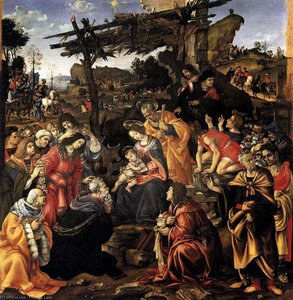
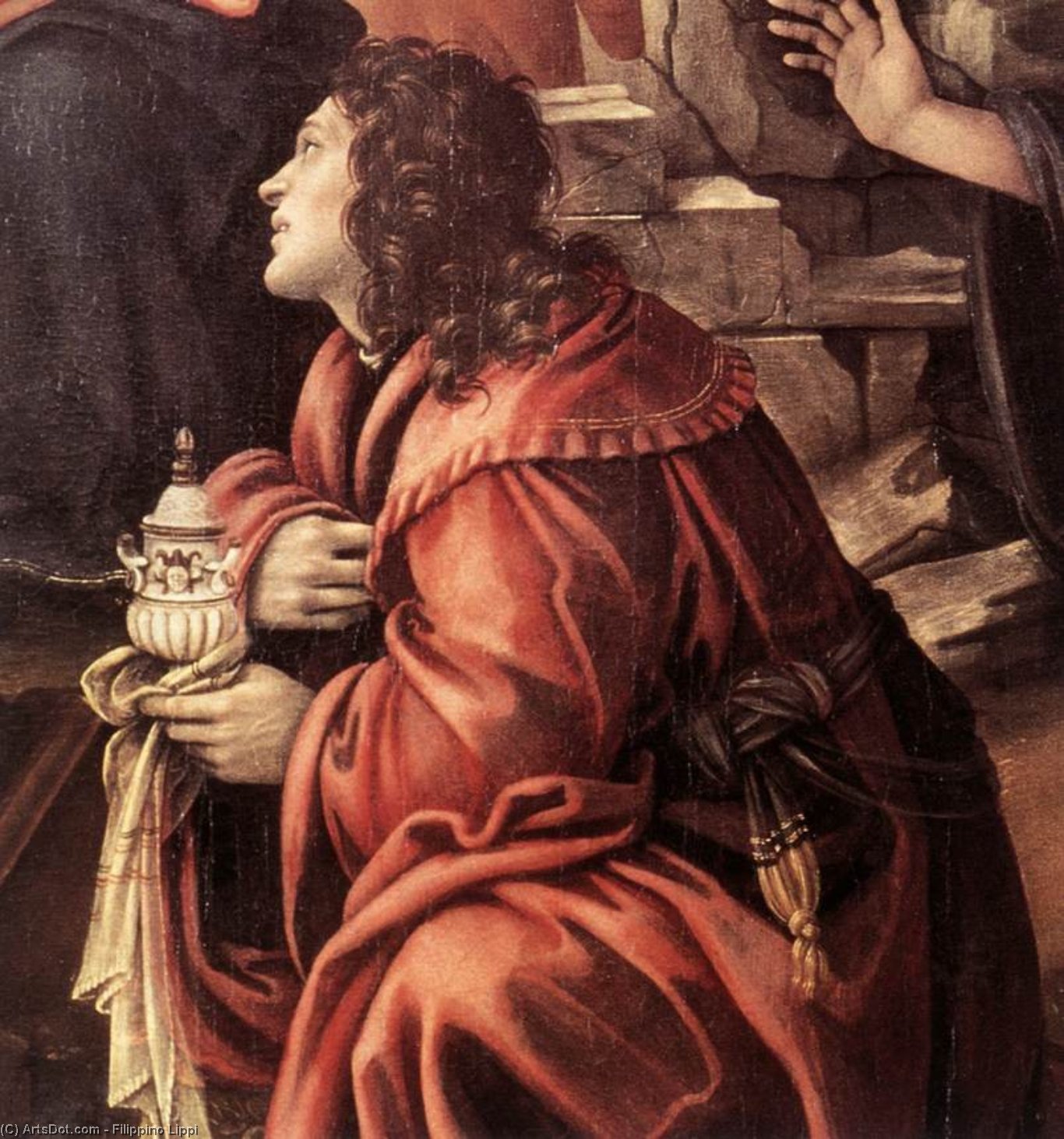
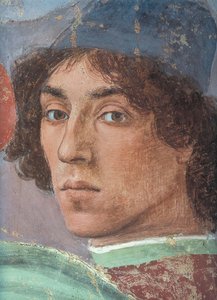
Adoration of the Magi (detail)


 Weiterlesen
Giclée / Kunstdruck
Giclée- oder Leinwanddruck in Museumsqualität mit schneller Produktion und flexiblen Veredelungsoptionen. ( Handgemalte Reproduktion bestellen Bild kaufen)




P118B $10

P118H $10

P118W $10

P438Z $10

P508JH $12

P508YH $12

P805H $10

P805Z $10

P919BZ $10

P919G $10

P919XJ $10

P959ZH $10

P968JZ $12

W106C $8

W218G $10

W218JH $8

W218Y $10

W307PJ $10

W316G $10

W316PJ $8

W316Y $10

W398PJ $8

W4111J $10

W500HY $15

W500JH $15

W692G $12

W849H $8

W940BG $15

W953PJ $8




Wählen Sie aus unseren vordefinierten Formaten, die den ursprünglichen Proportionen des Kunstwerks entsprechen.

Sie können Ihre eigenen Maße eingeben, um ein bestimmtes Format oder einen speziellen Platz einzupassen. Wenn das von Ihnen gewählte Format nicht den Proportionen des Originalbildes entspricht, werden wir das Kunstwerk entweder beschneiden oder das Bild mit einem gespiegelten oder einfarbigen Rand erweitern. Ein digitaler Entwurf wird Ihnen zur Genehmigung zugesandt, bevor die Produktion beginnt.
Bitte beachten Sie, dass die Vorschau auf dem Bildschirm nicht den tatsächlichen Zuschnitt oder die Erweiterung widerspiegelt. Nur der Entwurf zeigt die endgültige Komposition präzise an.
Obwohl Sondermaße verfügbar sind, empfehlen wir die Auswahl eines Maßes aus der vordefinierten Liste, um die ursprünglichen Proportionen zu bewahren.
Weltweiter Versand () innerhalb von 2 Wochen statt der üblichen 4/5 Wochen. (27 August)

Kostenloser weltweiter Expressversand

Hochwertige Leinenleinwand

Umfassender Versicherungsschutz beim Versand

Zollgebühren-Rückerstattungsgarantie

Garantie für exakte Farbtreue

60 Tage Rückgaberecht (nur bei Mängeln)

100% Geld-zurück-Garantie

Mengenrabatt verfügbar
 Die Glasoption ist nur für Größen unter 110 cm verfügbar.

Adoration of the Magi (detail)
Giclée / Kunstdruck
Format der Reproduktion
-


Gesamtpreis
$ 62
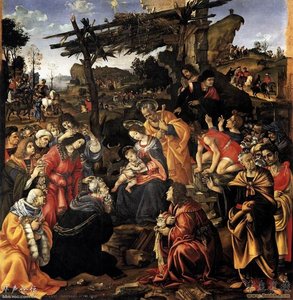
A Glimpse into Divine Reverence: The Detail from Filippino Lippi’s ‘Adoration of the Magi’
The world of 15th-century Florence pulsed with artistic fervor, a crucible where classical ideals met burgeoning Renaissance humanism. Within this vibrant landscape emerged Filippino Lippi, a master painter whose skill and profound understanding of religious iconography produced works that continue to captivate viewers centuries later. This particular detail from his ‘Adoration of the Magi,’ a fresco originally adorning the chapel of Gaspare di Zanobi del Lama in Santa Maria Novella, offers an intimate window into this world – a moment of intense reverence captured with breathtaking precision and emotional depth.
The composition immediately draws the eye to a young man, rendered in rich crimson robes, his profile turned towards an unseen point of contemplation. This figure, likely Pierfrancesco de’ Medici, embodies the quiet dignity and contemplative spirit central to the scene. His posture, subtly suggesting both humility and profound awareness, anchors the viewer within this devotional tableau. The careful rendering of his musculature, the folds of his drapery, and the subtle play of light and shadow – all hallmarks of Lippi's masterful technique – contribute to a remarkable sense of three-dimensionality, pulling us into the heart of the fresco.
The Fresco’s Context: Medici Patronage and Renaissance Innovation
To fully appreciate this detail, it’s crucial to understand its historical context. The ‘Adoration of the Magi’ was commissioned in 1496 for a private chapel within Santa Maria Novella, reflecting the wealth and influence of the Medici family. This wasn't merely a decorative piece; it served as a testament to their piety and a celebration of their lineage. Lippi skillfully integrated members of the Medici family – identifiable through subtle details like clothing and posture – into the biblical narrative, demonstrating his artistic skill while subtly acknowledging his patrons’ importance.
Furthermore, this work represents a fascinating intersection of artistic styles. While deeply rooted in the traditions of Italian Renaissance painting, Lippi demonstrates an awareness of Northern European influences, particularly evident in the landscape elements and the overall composition. This blending of styles—a hallmark of the era—allowed artists to push boundaries and explore new ways of representing both religious subjects and the natural world.
Symbolism and Emotional Resonance: A Journey of Faith
Beyond its historical significance, the ‘Adoration of the Magi’ is rich in symbolic meaning. The three kings, bearing gifts of gold, frankincense, and myrrh – traditional symbols of royalty, divinity, and spiritual enlightenment – represent humanity's yearning for connection with the divine. The central figure, bathed in a soft, directional light, embodies contemplation and devotion. The inclusion of classical ruins in the background subtly references the transition from paganism to Christianity, reinforcing the narrative’s core message.
Lippi masterfully evokes a sense of serenity and awe. The muted color palette—dominated by reds, browns, and subtle variations – creates a harmonious atmosphere, while the careful attention to detail invites close observation. The overall effect is profoundly moving, transporting the viewer to a moment of quiet reverence and spiritual contemplation. It’s a testament to Lippi's ability to capture not just the outward appearance of religious figures but also their inner lives.
A Legacy in Reproduction: Bringing Renaissance Beauty Home
ArtsDot offers meticulously crafted hand-painted reproductions of Filippino Lippi’s ‘Adoration of the Magi,’ allowing you to bring this timeless masterpiece into your own space. Each reproduction is created by skilled artists using traditional techniques and high-quality materials, ensuring that it faithfully captures the original's beauty, detail, and emotional impact. Whether adorning a grand salon or a smaller study, this artwork will serve as a constant reminder of the enduring power of Renaissance art and its ability to inspire contemplation and wonder.
Ähnliche Kunstwerke

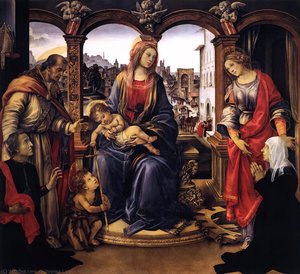
Über den Künstler
Frühe Jahre und Ausbildung
- Geboren: April 1457, Prato, Italien
- Gestorben: April 1504
- Eltern: Fra Filippo Lippi (Maler) und Lucrezia Buti
- Filippino war der uneheliche Sohn eines renommierten Malers.
- Die frühe Ausbildung unter seinem Vater legte den Grundstein für seine künstlerische Karriere.
Künstlerische Laufbahn und Entwicklung
- Frühe Periode (1475-1480): Anfängliche Werke, wie Madonnen, zeigten einen weniger verfeinerten Stil. Diese wurden zunächst einem anonymen Künstler namens "amico di Sandro" zugeschrieben.
- Entwicklung (1480-1485): Entwicklung eines persönlichen und effektiven Ansatzes in Werken wie den *Reisen des Tobias*.
- Maturität (1485-1504): Beherrschung des Hochrenaissance-Stils, veranschaulicht durch die *Erscheinung Christi der Jungfrau*.
Hauptwerke und Kollaborationen
- Zusammenarbeit mit Perugino, Ghirlandaio und Botticelli an Fresken in Lorenzos de' Medicis Villa.
- Vollendung der unvollendeten Dekoration von Masaccio in der Brancacci-Kapelle zusammen mit Masolino.
- Bemerkenswerte Werke sind: *Die Krönung der Jungfrau*, *Tobias und der Engel*, *St. Hieronymus* und *Szene aus dem Leben des Heiligen Thomas*.
Einflüsse und künstlerischer Stil
- Frühe Einflüsse: Sandro Botticelli, Fra Filippo Lippi.
- Stileigenschaften: Animierte Form und Linie, warmer Kolorit, detaillierte Landschaften, ausdrucksstarke Figuren und eine Mischung aus Perspektivgeometrie mit intimen Innenräumen.
- Römische Altertümer: Studien nach römischen Altertümern während seiner Zeit in Rom beeinflussten seine Arbeit und integrierten einen antiken Wortschatz in seine Kunst.
Historische Bedeutung und Vermächtnis
- Ein führender florentinischer Vertreter der Tradition großer Freskenzyklen.
- Sein Einfluss auf die Hochrenaissance ist unbestreitbar.
- Werke sind in Museen auf der ganzen Welt zu finden, darunter in der Uffizien-Galerie in Florenz.
- Bekannt dafür, die Kluft zwischen früheren Renaissance-Stilen und der entstehenden Hochrenaissance-Ästhetik zu überbrücken.
Filippino Lippi
1457 - 1504 , Italien
Kurzinfos
- Beeinflusste Künstler:
- Fra Filippo Lippi
- Sandro Botticelli
- Bemerkenswerte Werke:
- Coronation of the Virgin
- Tobias and the Angel
- St Jerome
- Geburtsdatum: April 1457
- Geburtsort: Prato, Italien
- Künstlerische Richtung: Hochrenaissance
- Nationalität: Italienisch
- Sterbedatum: April 1504
- Vollständiger Name: Filippino Lippi
- Von Künstlern Beeinflusst: ['Masaccio']
Ähnliche Artikel
Filippino Lippi: Renaissance-Innovation zwischen Glauben und Humanismus – Ein Meister der Florentiner Malerei
Entdecken Sie Filippino Lippi, einen Meister der Florentiner Renaissance! Erfahren Sie mehr über seinen einzigartigen Stil, monumentale Werke und seinen Einfluss auf die Kunstgeschichte. Expertenwissen & detaillierte Analysen.

Crimson Threads of Narrative: Exploring Symbolism & Representation in Artworks Featuring the Red Dress
Explore the rich symbolism of the red dress in art history! From ancient power displays to iconic portraits like Cézanne’s 'Madame Cezanne', discover the cultural and artistic significance behind this captivating color. Expert analysis & insights.
Filippo Lippi: Zwischen religiöser Andacht und künstlerischer Innovation der Renaissance
Entdecken Sie das faszinierende Leben und Werk von Filippo Lippi, einem Schlüsselkünstler der Renaissance. Analysen seiner Meisterwerke, Einflüsse & Vermächtnis – Expertenwissen für Kunstliebhaber auf ArtsDot.
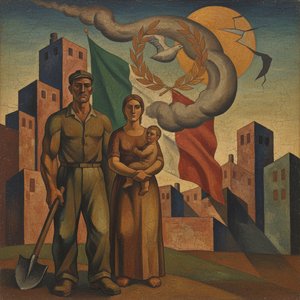
Mario Sironi: Eine Poetik der modernen italienischen Identität zwischen Symbolismus und Gesellschaftskritik
Entdecken Sie Mario Sironis wegweisendes Werk und seine Auseinandersetzung mit der italienischen Identität. Analysen, Biografie, Novecento Italiano & die politische Dimension – Expertenwissen auf ArtsDot.

Mark Rothkos Meisterwerke: Die Top 25 für Kunstliebhaber | ArtsDot
Entdecken Sie die 25 Meisterwerke von Mark Rothko! Tauchen Sie ein in die Welt der abstrakten Kunst, des Expressionismus und der Farbfeldmalerei. Hochwertige Kunstdrucke & Reproduktionen auf ArtsDot.com – für Ihre Wohnräume.