 Vorschau anzeigen
 Versenden
 Teilen
 Details anzeigen

 Herunterladen
 Ähnliche Objekte
 Röntgenaufnahme
 Diashow
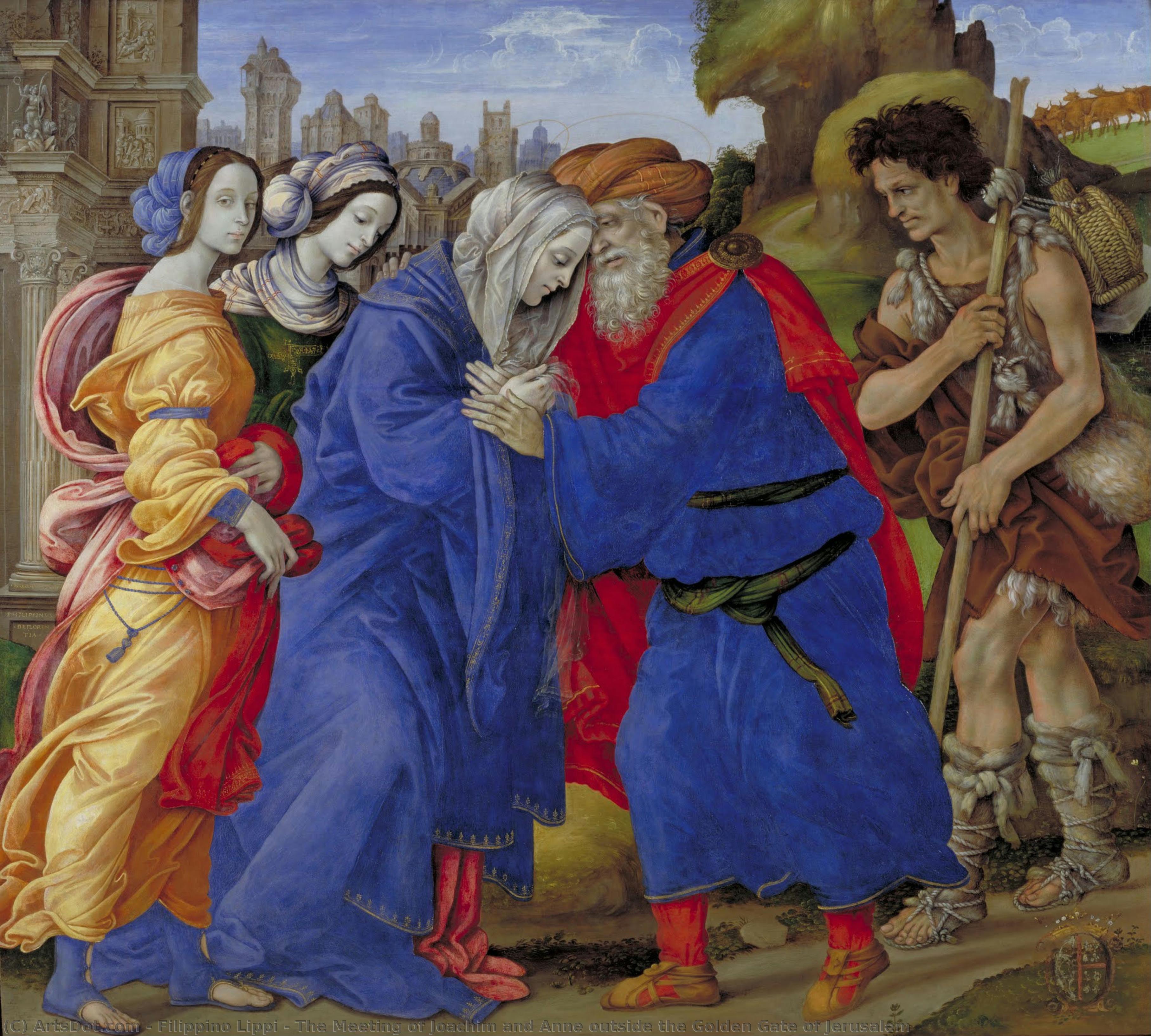
Die Begegnung von Joachim und Anna vor dem Goldenen Tor von Jerusalem
 Eitempera auf Holztafel
- Wandkunst
- Hochrenaissance
 1497
1497- Renaissance
 124.0 x 112.0 cm
 Nationalgalerie Dänemark
 Weiterlesen
Handgefertigte Ölreproduktion
Handgemaltes Ölgemälde auf Leinwand in Ihrer Wunschgröße und mit Rahmen, auf Bestellung von unseren Künstlern angefertigt. ( Druck bestellen Bild kaufen)




P118B $10

P118H $10

P118W $10

P438Z $10

P508JH $12

P508YH $12

P805H $10

P805Z $10

P919BZ $10

P919G $10

P919XJ $10

P959ZH $10

P968JZ $12

W106C $8

W218G $10

W218JH $8

W218Y $10

W307PJ $10

W316G $10

W316PJ $8

W316Y $10

W398PJ $8

W4111J $10

W500HY $15

W500JH $15

W692G $12

W849H $8

W940BG $15

W953PJ $8




Wählen Sie aus unseren vordefinierten Formaten, die den ursprünglichen Proportionen des Kunstwerks entsprechen.

Sie können Ihre eigenen Maße eingeben, um einen bestimmten Rahmen oder Platz auszufüllen. Wenn die gewählte Größe nicht den Proportionen des Originalbildes entspricht, werden wir das Kunstwerk entweder beschneiden oder das Gemälde durch zusätzliche, handgemalte Elemente erweitern. Ein digitales Mockup wird Ihnen zur Genehmigung zugesandt, bevor die Produktion beginnt.
Bitte beachten Sie, dass die Bildschirmvorschau nicht die tatsächliche Beschneidung oder Erweiterung widerspiegelt. Nur das Mockup zeigt die endgültige Komposition exakt an.
Obwohl Sondermaße verfügbar sind, empfehlen wir, eine Größe aus der vordefinierten Liste zu wählen, um die ursprünglichen Proportionen beizubehalten.
Nach der Bestellung wird das ArtsDot.com-Team dem Kunden Anweisungen per E-Mail zusenden und eine Mockup-Vorschau bereitstellen.
Weltweiter Versand () in nur 3 bis 4 Wochen statt der üblichen 5 Wochen. (28 August). Keine Kompromisse bei der Qualität.

Kostenloser weltweiter Expressversand

Hochwertige Leinenleinwand

Umfassender Versicherungsschutz beim Versand

Zollgebühren-Rückerstattungsgarantie

Garantie für exakte Farbtreue

60 Tage Rückgaberecht (nur bei Mängeln)

100% Geld-zurück-Garantie

Mengenrabatt verfügbar
 Die Glasoption ist nur für Größen unter 110 cm verfügbar.

Die Begegnung von Joachim und Anna vor dem Goldenen Tor von Jerusalem
Art der Reproduktion
Format der Reproduktion
-


Gesamtpreis
$ 263
A Divine Reunion: The Radiance of Filippino Lippi’s Masterpiece
In the quiet, hallowed halls of the Ashmolean Museum, there exists a window into a moment of profound spiritual ecstasy. Filippino Lippi’s “The Meeting of Joachim and Anne outside the Golden Gate of Jerusalem” is not merely a painting; it is a choreographed dance of faith and human emotion. Painted around 1497, this exquisite work captures the precise instant when two souls, separated by years of sorrow and perceived divine abandonment, are reunited in a burst of celestial grace. As the eyes wander across the wood panel, one is immediately struck by the ethereal beauty that defines the High Renaissance—a period where the earthly and the divine were woven together with unparalleled finesse.
The narrative strength of this piece lies in its ability to translate medieval legend into a visual symphony. Drawing from the Legenda Aurea, Lippi depicts the miraculous conception of the Virgin Mary, occurring at the very moment Joachim and Anne find one another before the monumental Golden Gate. The composition is anchored by this powerful embrace, where the figures are bathed in a warm, golden light that seems to emanately from the architecture itself. This use of gilding, combined with the delicate tempera technique, creates a shimmering effect that elevates the scene from a historical reconstruction to a transcendental vision. For the collector or the lover of fine art, the painting offers a sense of timelessness, inviting the viewer to participate in a sacred mystery.
The Mastery of Line and Light
To behold this work is to witness the culmination of a legendary lineage. Filippino Lippi, the son of the great Fra Filippo Lippi, carried forward his father’s meticulous attention to detail while infusing it with the lyrical, flowing grace he learned from his mentor, Sandro Botticelli. This stylistic synthesis is palpable in every brushstroke. The figures possess an elegant, elongated quality that speaks to the refined sensibilities of the Florentine school, yet there is a grounded, sculptural weight to their forms that hints at the burgeoning realism of the High Renaissance.
The technique employed—tempera on wood panel with strategic gilding—allows for a luminous depth that modern pigments struggle to replicate. The way the light catches the gilded elements of the Golden Gate creates a rhythmic interplay between shadow and brilliance, guiding the viewer’s gaze through the crowded, yet harmonious, scene. Notice how the blue robes of the onlookers provide a cool, stabilizing contrast to the warm, golden atmosphere of the central reunion. This careful balance of color temperature ensures that while the scene is bustling with secondary figures and symbolic objects, the emotional core remains focused and undisturbed.
An Inspiration for the Discerning Eye
For interior designers and connoisseurs of classical beauty, a reproduction of this masterpiece serves as more than just decoration; it acts as an anchor of sophistication. The painting’s palette—rich golds, deep blues, and earthy tones—complements both grand, traditional estates and contemporary spaces that seek a touch of historical gravitas. It brings with it an atmosphere of contemplation and peace, making it an ideal centerpiece for a library, a formal study, or a curated gallery wall.
Beyond its aesthetic merits, the artwork offers a profound emotional resonance. It tells a story of hope, of the end of isolation, and the beginning of a new era. In an age of rapid change, the enduring stability of Lippi’s vision provides a sanctuary for the soul. Owning a high-quality hand-painted reproduction allows one to preserve this legacy of Renaissance idealism, ensuring that the light of the Golden Gate continues to illuminate the modern home with its incomparable warmth and spiritual depth.
Ähnliche Kunstwerke


Über den Künstler
Frühe Jahre und Ausbildung
- Geboren: April 1457, Prato, Italien
- Gestorben: April 1504
- Eltern: Fra Filippo Lippi (Maler) und Lucrezia Buti
- Filippino war der uneheliche Sohn eines renommierten Malers.
- Die frühe Ausbildung unter seinem Vater legte den Grundstein für seine künstlerische Karriere.
Künstlerische Laufbahn und Entwicklung
- Frühe Periode (1475-1480): Anfängliche Werke, wie Madonnen, zeigten einen weniger verfeinerten Stil. Diese wurden zunächst einem anonymen Künstler namens "amico di Sandro" zugeschrieben.
- Entwicklung (1480-1485): Entwicklung eines persönlichen und effektiven Ansatzes in Werken wie den *Reisen des Tobias*.
- Maturität (1485-1504): Beherrschung des Hochrenaissance-Stils, veranschaulicht durch die *Erscheinung Christi der Jungfrau*.
Hauptwerke und Kollaborationen
- Zusammenarbeit mit Perugino, Ghirlandaio und Botticelli an Fresken in Lorenzos de' Medicis Villa.
- Vollendung der unvollendeten Dekoration von Masaccio in der Brancacci-Kapelle zusammen mit Masolino.
- Bemerkenswerte Werke sind: *Die Krönung der Jungfrau*, *Tobias und der Engel*, *St. Hieronymus* und *Szene aus dem Leben des Heiligen Thomas*.
Einflüsse und künstlerischer Stil
- Frühe Einflüsse: Sandro Botticelli, Fra Filippo Lippi.
- Stileigenschaften: Animierte Form und Linie, warmer Kolorit, detaillierte Landschaften, ausdrucksstarke Figuren und eine Mischung aus Perspektivgeometrie mit intimen Innenräumen.
- Römische Altertümer: Studien nach römischen Altertümern während seiner Zeit in Rom beeinflussten seine Arbeit und integrierten einen antiken Wortschatz in seine Kunst.
Historische Bedeutung und Vermächtnis
- Ein führender florentinischer Vertreter der Tradition großer Freskenzyklen.
- Sein Einfluss auf die Hochrenaissance ist unbestreitbar.
- Werke sind in Museen auf der ganzen Welt zu finden, darunter in der Uffizien-Galerie in Florenz.
- Bekannt dafür, die Kluft zwischen früheren Renaissance-Stilen und der entstehenden Hochrenaissance-Ästhetik zu überbrücken.
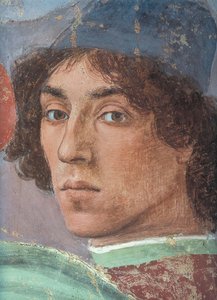
Filippino Lippi
1457 - 1504 , Italien
Kurzinfos
- Beeinflusste Künstler:
- Fra Filippo Lippi
- Sandro Botticelli
- Bemerkenswerte Werke:
- Coronation of the Virgin
- Tobias and the Angel
- St Jerome
- Geburtsdatum: April 1457
- Geburtsort: Prato, Italien
- Künstlerische Richtung: Hochrenaissance
- Nationalität: Italienisch
- Sterbedatum: April 1504
- Vollständiger Name: Filippino Lippi
- Von Künstlern Beeinflusst: ['Masaccio']
Ähnliche Artikel
Filippino Lippi: Renaissance-Innovation zwischen Glauben und Humanismus – Ein Meister der Florentiner Malerei
Entdecken Sie Filippino Lippi, einen Meister der Florentiner Renaissance! Erfahren Sie mehr über seinen einzigartigen Stil, monumentale Werke und seinen Einfluss auf die Kunstgeschichte. Expertenwissen & detaillierte Analysen.
Filippo Lippi: Zwischen religiöser Andacht und künstlerischer Innovation der Renaissance
Entdecken Sie das faszinierende Leben und Werk von Filippo Lippi, einem Schlüsselkünstler der Renaissance. Analysen seiner Meisterwerke, Einflüsse & Vermächtnis – Expertenwissen für Kunstliebhaber auf ArtsDot.

Die 10 Meisterwerke des Goldenen Zeitalters der niederländischen Malerei |
Entdecken Sie die 10 Meisterwerke des Niederländischen Goldenen Zeitalters! Von Rembrandt bis Vermeer – erleben Sie Kunstgeschichte, Techniken & Emotionen. Hochwertige Gemäldereproduktionen für Ihr Zuhause auf .

Golden Age Reflections: Dutch Baroque Painting & Cultural Innovation
Explore the Dutch Golden Age of painting! Discover key artists like Vermeer & ter Borch, their innovative techniques, and the rich cultural context behind these Baroque masterpieces. Learn about collecting & appreciating this iconic art period.
Golden Light & Dutch Skies: Bringing the Magic of Dutch Golden Age Landscapes into Your Home
Transform your home with the breathtaking light of Dutch Golden Age landscapes. Discover how hand-painted oil reproductions of masterworks like Ruisdael and Vermeer bring timeless elegance, atmosphere, and soulful texture to modern interiors. Elevate your space with museum-quality art.