![Die Anatomie Vorlesung Von Dr. Nicolaes Tulp [1632] — Rembrandt Van Rijn](/media/artworks/images-thumb/e5/fc/e5fcb33447eac6b24ab049b22effa1a3.jpg)
The Historical Crucible: Counter-Reformation and the Birth of Baroque Emotion
 Drama and Light: A Definitive Guide to the Power and Emotion of Baroque Art
The Historical Crucible: Counter-Reformation and the Birth of Baroque Emotion Counter-Reformation The Counter-Reformation (Latin: Contrareformatio), also sometimes called the Catholic Revival or the Catholic Reformation, was the period of Catholic re...
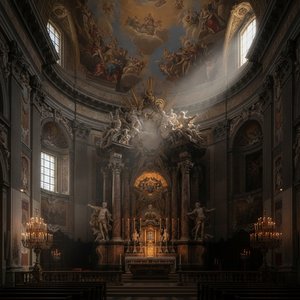
To understand the breathtaking tension within the Baroque era, one must first look beyond the canvas and into the fractured soul of seventeenth-century Europe. This was an age defined by profound upheaval, where the serene stability and mathematical perfection of the High Renaissance had given way to a landscape of religious and political struggle. The Protestant Reformation had challenged the very foundations of papal authority, prompting the Catholic Church to launch the Counter-Reformation—a period of spiritual resurgence known as the Catholic Revival. This movement was far more than a theological debate; it was a sophisticated visual campaign designed to reclaim the hearts and minds of the faithful through the power of sensory experience.
Through the decrees of the Council of Trent, the Church sought to move away from the artificiality of Mannerism toward an aesthetic that could be both direct and visceral. The goal was to commission art that could move the soul, inspire awe, and visually demonstrate the triumph of faith. Simultaneously, the political architecture of Europe was being rebuilt through the rise of absolutist monarchies. As sovereigns consolidated their power, they demanded a new visual language—one that projected strength, wealth, and a divine right to rule. This convergence of religious fervor and political ambition created a unique demand for art that could be both emotionally stirring and intellectually imposing, laying the groundwork for the grandeur we recognize today.
Chiaroscuro and Tenebrism: The Masterful Manipulation of Light and Shadow
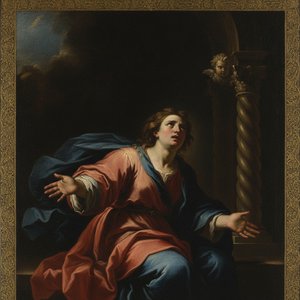 Drama & Light: The Captivating Power of Baroque Painting and the Mastery of Chiaroscuro
The Great Shift: From Renaissance Harmony to Baroque Emotion The Visceral Stage: Exploring Dramatic Narratives & Emotional Intensity in Baroque Art The Baroque Embrace of Emotion: A Shift from Renaissance Rationality Wikipedia: Baroque painting Baroq...
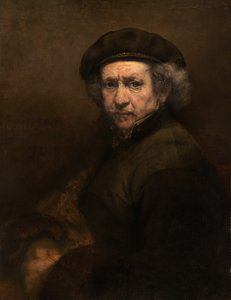
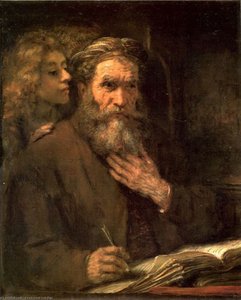
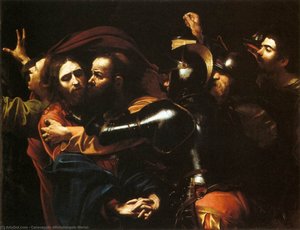
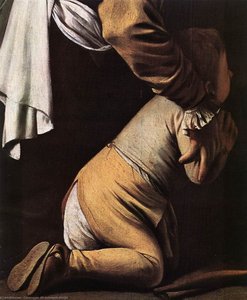
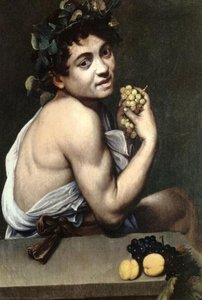
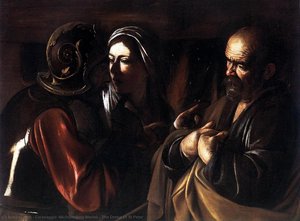
At the heart of this emotional revolution lies the most captivating technical innovation of the era: the mastery of light. If the Renaissance was defined by even, clear illumination, the Baroque was defined by the struggle between brilliance and obscurity. This was achieved through chiaroscuro, the use of strong contrasts between light and dark to model three-dimensional forms, and its more extreme descendant, tenebrism. In tenebristic works, darkness becomes a dominant, heavy presence, a void from which figures emerge suddenly, as if caught in a spotlight on a darkened stage.
This manipulation of light was never merely a stylistic flourish; it was a psychological tool. By plunging much of the composition into deep shadow, artists could direct the viewer's gaze with surgical precision, forcing an encounter with the most critical emotional elements of the work. The sudden burst of light on a face or a hand creates a sense of immediacy and drama, making the painted moment feel as though it is unfolding in real time. This interplay of light and shadow transforms a static portrait into a living narrative, where the very air seems thick with tension and mystery.
Beyond the Surface: Realism, Decorum, and the Rise of Absolutism
 Spanish Baroque painting
Spanish Baroque painting refers to the style of painting which developed in Spain throughout the 17th century and the first half of the 18th century. The style appeared in early 17th century paintings, and arose in response to Mannerist distortions a...
While the drama of light provided the atmosphere, a new commitment to realism provided the substance. In response to the Mannerist distortions and excessive idealization of beauty that preceded it, Baroque painting sought a more grounded, naturalistic approach. This was particularly evident in Spanish Baroque painting, where the objective was to allow the viewer to easily understand the scenes depicted through an unvarnating realism. This movement had to balance this raw naturalism with the Catholic Church's demands for decorum—a sense of propriety and dignity that prevented the art from becoming too common or grotesque.
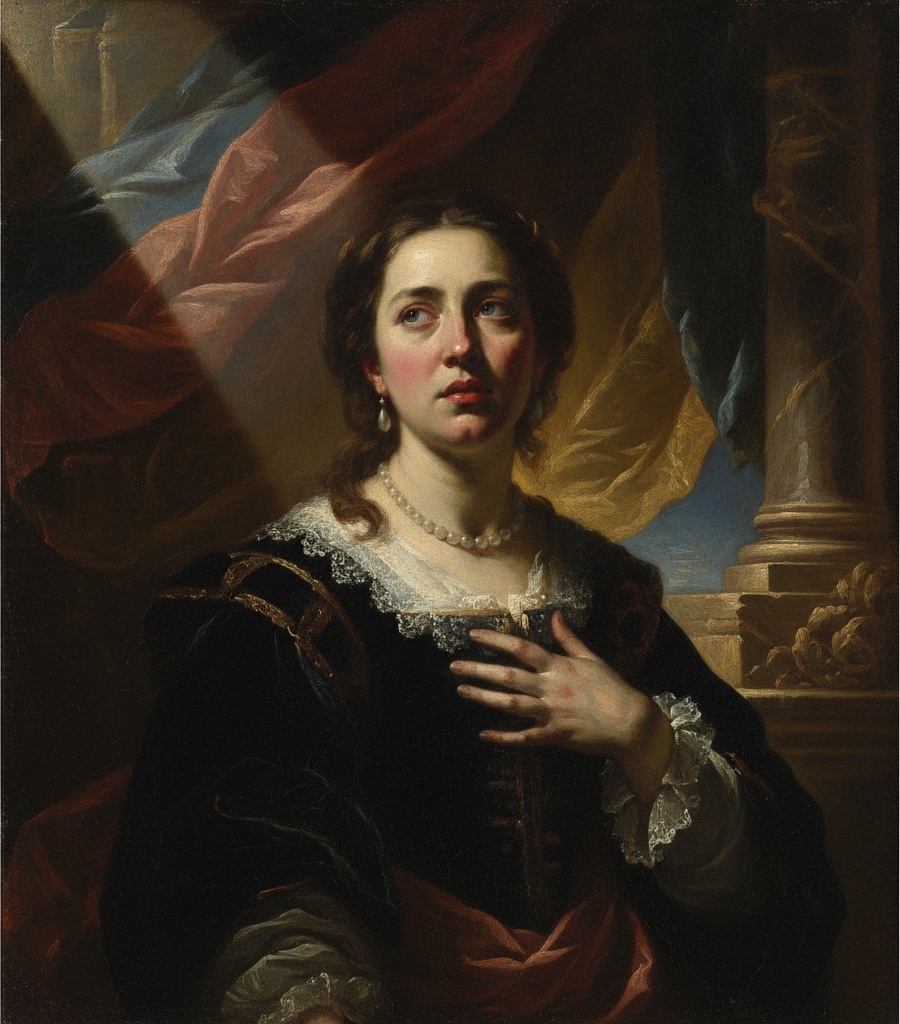
This tension between the gritty reality of human existence and the elevated status of the subject reached its zenith in the portraits of the era. As monarchs and aristocrats sought to immortalize their power, they utilized the Baroque style to project an image of effortless authority. The textures of heavy velvet, the cold glint of armor, and the intricate lace of a collar were rendered with such meticulous detail that the viewer could almost feel the weight of the fabric. This was art as propaganda, using the tangible reality of the physical world to validate the intangible concept of divine right.
Theatricality in Portraiture: Capturing the Soul through Dramatic Composition
 Decoding Baroque Grandeur: A Guide to the Drama and Emotion of 17th-Century Art
The Historical Crucible: Counter-Reformation and the Rise of Absolutism Baroque Classicism: The Grandeur of Order and Drama in 17th-Century Art History The Historical Crucible: Counter-Reformation and the Rise of Absolutism Baroque Classicism: Reconc...
Baroque portraiture functions much like a theatrical performance. The composition is rarely static; instead, it embraces movement, diagonals, and sweeping gestures that pull the viewer into the frame. Artists moved away from the balanced, centralized plans of the past, embracing more complex, asymmetrical arrangements that suggest action and life. A subject might be captured mid-turn, or their gaze might pierce through the darkness to meet the eyes of the spectator, breaking the "fourth wall" of the canvas.
This sense of theatricality is often achieved through the use of trompe l'oeil techniques and dramatic foreshortening, which create an illusion of depth that seems to spill out into the viewer's space. Whether it is the monumental altarpieces of the Flemish masters or the intimate, psychologically charged portraits of the Italian school, the goal remained the same: to create a visceral experience. The portrait was no longer just a record of a likeness; it was an invitation to participate in the subject's emotional state, making the viewer a witness to their triumphs and their tribulations.
Legacy of the Masters: From Caravaggio’s Naturalism to Flemish Grandeur
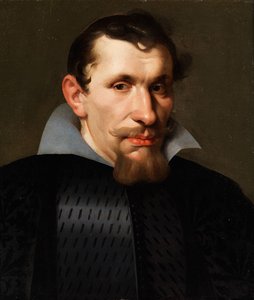 gaspard de crayer
Gaspar de Crayer: A Flemish Master of Counter-Reformation Splendor Gaspar de Crayer, a name perhaps less familiar than his contemporaries Rubens or Van Dyck, nevertheless stands as a pivotal figure in 17th-century Flemish art. Born in Antwerp in 1584...
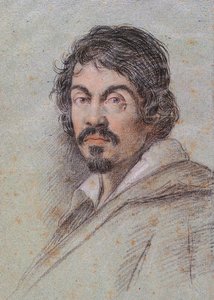
The echoes of this era continue to resonate through the history of Western art. The influence of Caravaggio, with his revolutionary use of tenebrism, spread across Europe, shaping the works of the Caravaggisti in Italy and influencing the development of Spanish painting. In the Spanish Netherlands, masters like Gaspar de Crayer navigated the political landscape of the Counter-Reion, blending Flemish craftsmanship with the new Baroque splendor to create works that were both devout and magnificent.
Further north, the influence of Peter Paul Rubens brought a sense of fleshy, dynamic energy and coloristic brilliance that would define the high Baroque. Even as the movement evolved toward the more refined Baroque Classicism, the fundamental principles of drama, light, and emotional engagement remained. Today, we see this legacy in every work that seeks to move the viewer through contrast and composition. For those looking to bring this profound history into their own spaces, the preservation of these techniques is vital. At ArtsDot.com, our master artists specialize in recreating these very textures—the visible brushstrokes, the deep tonal ranges, and the dramatic impasto—ensuring that the soul of the Baroque era can be captured in a museum-quality oil reproduction for the modern collector.