

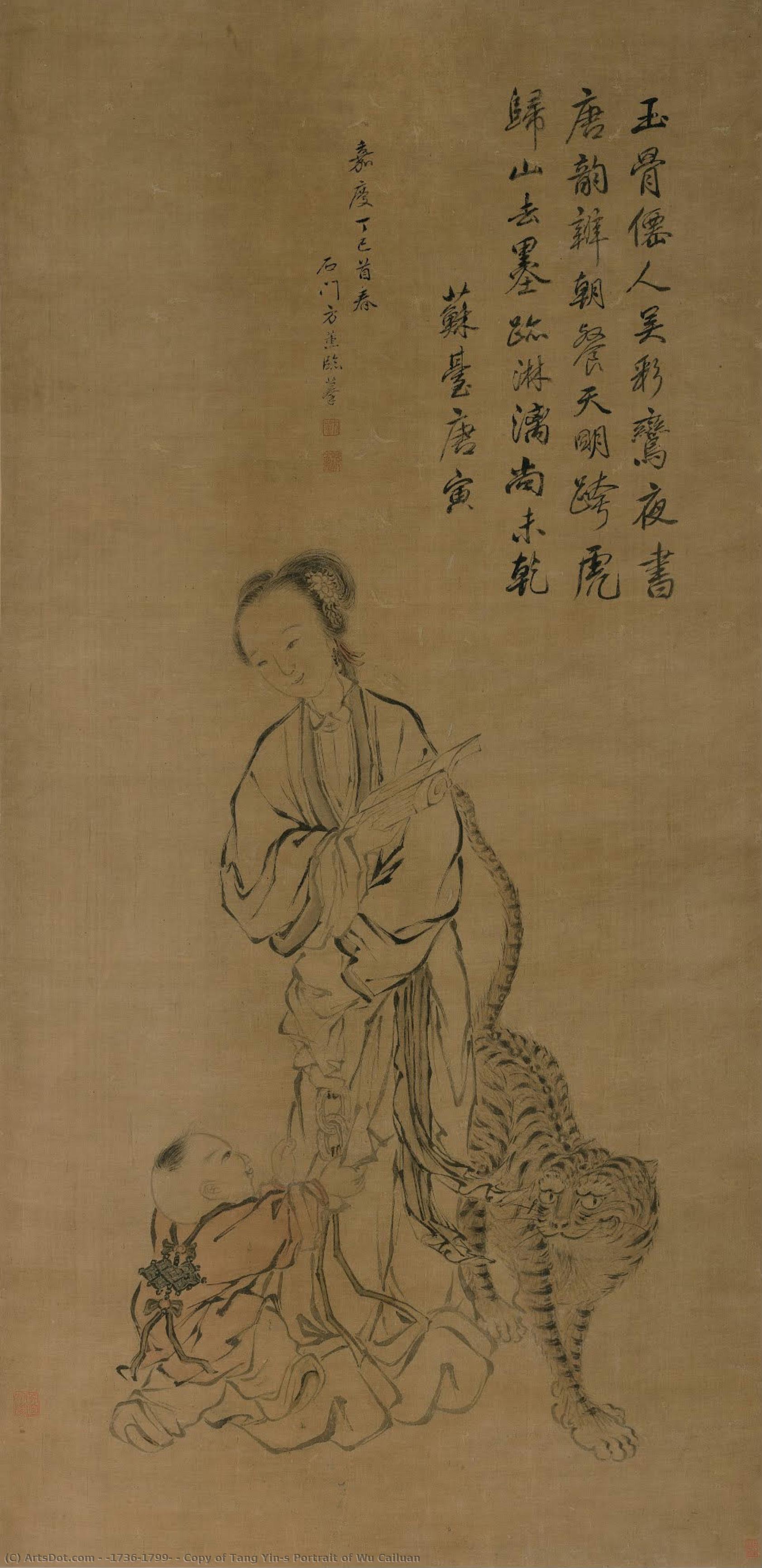
 Preview
 Send
Send Share
Share
 Details

 Download
 Similars
 X-Ray
X-Ray Diaporama
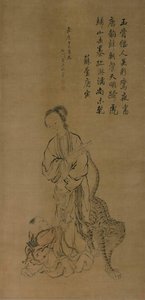
Copy of Tang Yin’s Portrait of Wu Cailuan

 Read More
Purchase a high-resolution, enhanced digital image, far superior to the online preview.
Each file is meticulously prepared by our in-house specialists using advanced tools and expert manual retouching. We ensure every image has exceptional clarity, precise color accuracy, and fine detail.
The final file is delivered via email within 72 hours, optimized for immediate use in professional, editorial, and print environments. This is the same quality trusted by top-tier design studios, publishers, and galleries.
Digital Image
Download a high-resolution file for personal display, printing, and creative projects. ( Buy Print Buy Hand Made Painting)
Included in Every Digital Image Order
Expert Digital Delivery, Guaranteed
When you choose ArtsDot.com, you're not just getting an image - you're receiving a professionally enhanced digital artwork, crafted with precision and backed by a satisfaction guarantee. Here's everything that comes with your order, automatically:

Fast Email Delivery
Your high-resolution digital image file will be emailed to you within 72 hours of ordering - ready for immediate use.

AI-Enhanced Digital File
Your artwork is professionally optimized using advanced AI tools and manual editing, ensuring maximum detail, clarity, and color accuracy.

Free Lifetime Re-Delivery
Accidentally deleted or lost your file? No worries - we'll resend it to you anytime, free of charge.

No Import Fees - Ever
Enjoy your artwork instantly with zero customs, duties, or delivery fees - digital downloads are always tax-free.

Color Accuracy Guarantee
We ensure your digital image reflects the original colors as closely as possible using professional tools and color management.

60-Day Satisfaction Guarantee
If you're not satisfied with your digital image, we'll revise it or refund 100% within 60 days - no questions asked.

100% Money-Back Guarantee
Not satisfied? Get a full refund within 60 days of receiving your digital file - no questions asked.

Bulk Order Discounts
Buy 3 images, save 10% - Buy 5, save 15% - Buy 10+, save 20%. Great for creative projects, galleries, and agencies.
Related Artworks







Artist Biography
The Enigmatic Vision of Jean-Baptiste Greuze
Jean-Baptiste Greuze, born in Tournus in 1736 and passing away in Paris in 1799, remains a fascinating, if somewhat paradoxical figure within the landscape of eighteenth-century French art. He wasn’t a product of the established academic system, yet he achieved immense popularity – and notoriety – challenging the prevailing Rococo style with his intensely psychological portraits and genre scenes depicting everyday life. His career trajectory is remarkable; rising from humble beginnings to become one of the most sought-after artists of his time, only to fall into relative obscurity during the revolutionary period. Greuze’s early training was conventional enough – he initially studied under his father, a cloth merchant, and later with local artists in Tournus and Dijon. However, it wasn't until he moved to Paris around 1755 that his artistic voice began to truly emerge. He rejected the lighthearted frivolity of painters like Boucher and Fragonard, instead focusing on capturing the emotional depth and moral complexities of ordinary people. This was a radical departure for the time; aristocratic patrons were accustomed to idealized representations of themselves and mythological subjects, not unflinching portrayals of familial discord or youthful indiscretion. His early success came with his *genre* paintings – scenes of domestic life that resonated deeply with a burgeoning middle-class audience eager to see their own experiences reflected in art. Works like “The Village Betrothal” (1761) and “Hurt Feelings” (1763) weren’t simply charming depictions of rural life; they were imbued with a powerful sense of realism, exploring themes of love, loss, and the consequences of poor choices.- A Revolutionary Realism: Greuze's focus on moralizing narratives within everyday scenes was groundbreaking. He didn’t shy away from depicting flawed characters or uncomfortable truths, a stark contrast to the escapism favored by many of his contemporaries.
- The Salon Star: His paintings were consistently exhibited at the Paris Salons, garnering both critical acclaim and public adoration. The demand for his work was so high that he could dictate his own prices – a testament to his unique appeal.
Quick Facts
- Artistic Movement Or Style: Genre painting, Moralizing realism
- Date Of Birth: 1736
- Date Of Death: 1799
- Full Name: Jean-Baptiste Greuze
- Nationality: French
- Notable Artworks:
- The Village Betrothal
- Hurt Feelings
- Place Of Birth: Tournus, France

