 Preview
 Send
Send Share
Share
 Details

 Download
 Similars
 X-Ray
X-Ray Diaporama
 Stats
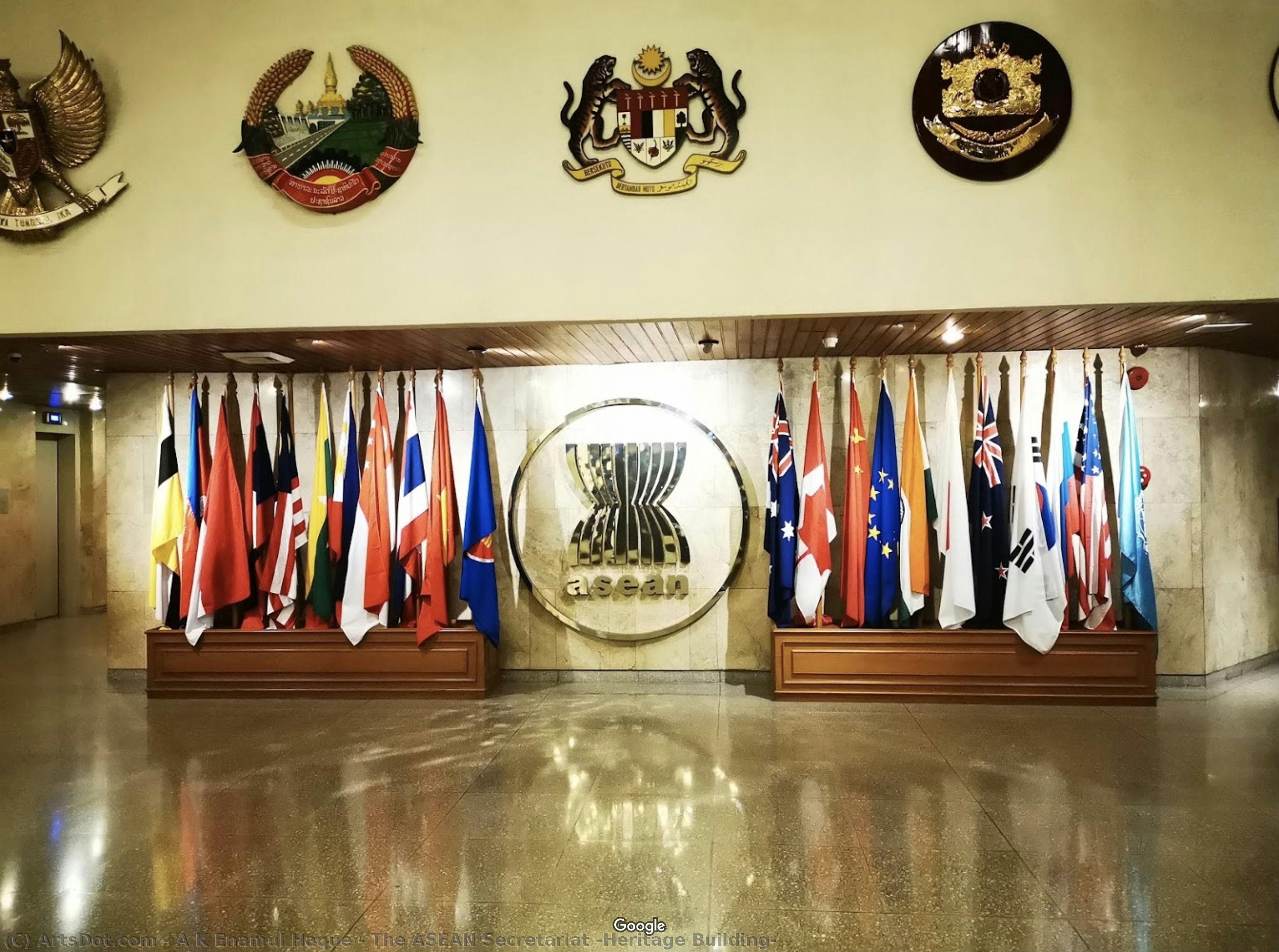
StatsThe ASEAN Secretariat (Heritage Building)


 Read More
Purchase a high-resolution, enhanced digital image, far superior to the online preview.
Each file is meticulously prepared by our in-house specialists using advanced tools and expert manual retouching. We ensure every image has exceptional clarity, precise color accuracy, and fine detail.
The final file is delivered via email within 72 hours, optimized for immediate use in professional, editorial, and print environments. This is the same quality trusted by top-tier design studios, publishers, and galleries.
Digital Image
Download a high-resolution file for personal display, printing, and creative projects. ( Switch to Print Buy Hand Made Painting)
Included in Every Digital Image Order
Expert Digital Delivery, Guaranteed
When you choose ArtsDot.com, you're not just getting an image - you're receiving a professionally enhanced digital artwork, crafted with precision and backed by a satisfaction guarantee. Here's everything that comes with your order, automatically:

Fast Email Delivery
Your high-resolution digital image file will be emailed to you within 72 hours of ordering - ready for immediate use.

AI-Enhanced Digital File
Your artwork is professionally optimized using advanced AI tools and manual editing, ensuring maximum detail, clarity, and color accuracy.

Free Lifetime Re-Delivery
Accidentally deleted or lost your file? No worries - we'll resend it to you anytime, free of charge.

No Import Fees - Ever
Enjoy your artwork instantly with zero customs, duties, or delivery fees - digital downloads are always tax-free.

Color Accuracy Guarantee
We ensure your digital image reflects the original colors as closely as possible using professional tools and color management.

100-Day Satisfaction Guarantee
If you're not satisfied with your digital image, we'll revise it or refund 100% within 100 days - no questions asked.

100% Money-Back Guarantee
Not satisfied? Get a full refund within 100 days of receiving your digital file - no questions asked.

Bulk Order Discounts
Buy 3 images, save 10% - Buy 5, save 15% - Buy 10+, save 20%. Great for creative projects, galleries, and agencies.
Related Artworks
Artist Biography
Early Life and Artistic Beginnings
Enamul Haque, a name synonymous with the modern art movement in Bangladesh, embarked on his artistic journey amidst a period of significant socio-political change. Born in 1938, his early life was deeply influenced by the burgeoning nationalist sentiments and the struggle for cultural identity that characterized pre-independence Bengal. While specific details regarding his childhood remain somewhat scarce, it is understood he received foundational art training at the Government Institute of Fine Arts (now the Faculty of Fine Arts, University of Dhaka). This institution served as a crucible for budding artists, fostering a spirit of experimentation and a desire to break away from traditional academic styles. Haque’s initial works reflected this exploration, demonstrating an early aptitude for form and composition but also hinting at a deeper quest for a unique artistic voice. The atmosphere within the Institute was charged with intellectual discourse, encouraging students to engage with both Western modernism and indigenous art forms – a duality that would become central to Haque's later development. He wasn’t merely learning technique; he was absorbing a new way of seeing, a new language for expressing the complexities of his world.The Search for Abstraction: Influences and Development
Haque’s artistic evolution is marked by a compelling transition from representational painting to increasingly abstract forms. This shift wasn't abrupt but rather a gradual process fueled by exposure to international art movements, particularly Abstract Expressionism and Cubism. Artists like Wassily Kandinsky, Paul Klee, and Pablo Picasso profoundly impacted his thinking, inspiring him to explore the emotive power of color, line, and shape independent of recognizable subject matter. However, Haque never simply replicated these Western styles; he meticulously synthesized them with the rich visual heritage of Bengal – its folk art traditions, calligraphy, and landscape.- Folk Art Integration: He found resonance in the vibrant colors and symbolic motifs of traditional Bengali folk paintings, incorporating their essence into his abstract compositions.
- Calligraphic Influence: The fluid lines and expressive energy of Bengali calligraphy also played a crucial role, lending a unique rhythm and texture to his work.
- Landscape as Inspiration: Though abstracted, traces of the Bengal landscape – its rivers, fields, and monsoon skies – often emerge in his paintings, evoking a sense of place and memory.