 Preview
 Send
Send Share
Share
 Details

 Download
 Similars
 X-Ray
X-Ray Diaporama
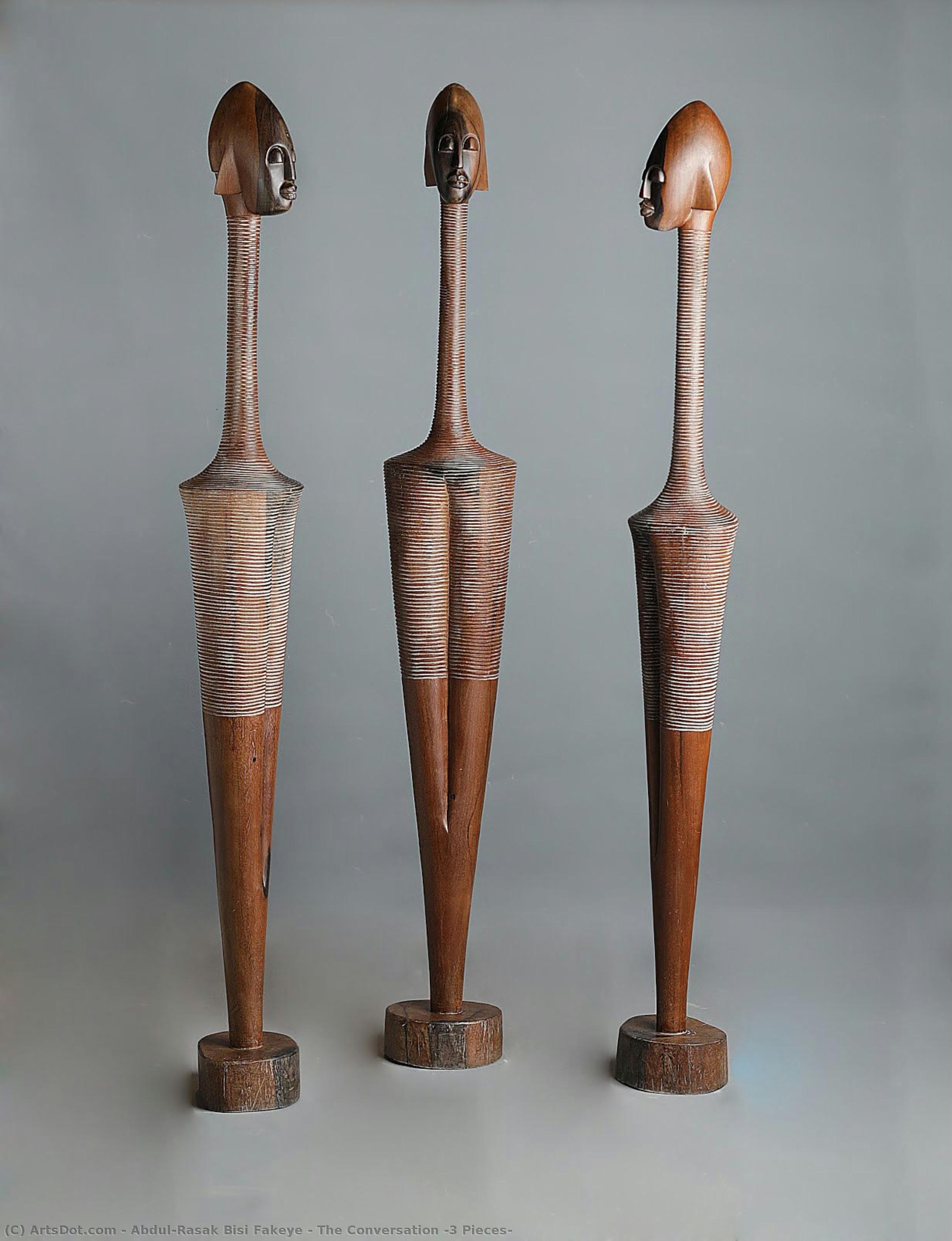
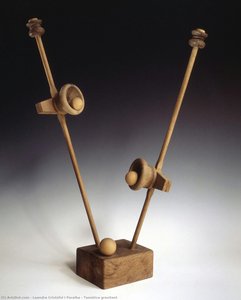
The Conversation (3 Pieces)


 Read More
Hand Made Oil Reproduction
Hand-painted oil on canvas in your size and frame, made to order by our artists. ( Buy Print Buy Image)




































Pick from our preset sizes that match the artwork's original proportions.

You may enter your own dimensions to fit a specific frame or space. If your selected size does not match the original image's proportions, we will either crop the artwork or extend the painting with additional hand-painted elements. A digital mockup will be sent for your approval before production begins.
Please note that the on-screen preview does not reflect the actual cropping or extension. Only the mockup will accurately show the final composition.
While custom sizes are available, we recommend selecting a dimension from the predefined list to preserve the original proportions.
After order, ArtsDot.com team will email client for instructions and provide a mockup preview
Worldwide Delivery () in 3/4 weeks instead of standard 5 weeks. (22 August). No compromise on quality.

Free Worldwide Express Shipping

High-Quality Linen Canvas

Full Shipping Insurance

Customs Tax Refund Guarantee

True Color Matching Guarantee

60-Day Return Policy (Defects Only)

100% Money-Back Guarantee

Bulk Discount Offer
 Glass option is only available in size under 110 CM

The Conversation (3 Pieces)
Reproduction Medium
Reproduction Size
-


Total Price
$ 313
Artwork Description
Related Artworks







Artist Biography
Abdul-Rasak Bisi Fakeye: A Legacy Carved in Wood and Bronze
Born in Ila Orangun, Nigeria, in 1942, Abdul-Rasak Bisi Fakeye emerged as a pivotal figure in the vibrant landscape of Nigerian art. His life’s work wasn't merely about creating sculptures; it was an embodiment of cultural heritage, familial tradition, and a profound engagement with both established Yoruba artistic principles and evolving contemporary styles. He carried on a distinguished family legacy, tracing his roots back to Lamidi Fakeye, a renowned wood carver whose influence shaped the very foundations of Bisi’s artistic journey. This lineage, spanning five generations, is a testament to a deep-seated commitment to craftsmanship and a unique visual language that continues to resonate today.
Bisi's early years were steeped in apprenticeship under his uncle, Lamidi. This formative period wasn’t simply about learning techniques; it was an immersion into the soul of Yoruba sculpture – its symbolic vocabulary, intricate detailing, and profound connection to spiritual beliefs. The traditional aesthetic, characterized by sharp segmentation, bulging eyes conveying wisdom, and a deliberate emphasis on posture and expression, became deeply ingrained in Bisi's artistic DNA. However, unlike some of his predecessors who remained firmly rooted in tradition, Bisi demonstrated an exceptional ability to synthesize this inherited knowledge with modern sensibilities, forging a distinctive style that reflected the dynamism of post-independence Nigeria.
Training and Artistic Development
Formal education played a crucial role in shaping Bisi’s artistic trajectory. After completing his initial apprenticeship, he attended the Ife Divisional Teacher Training College from 1963 to 1965, gaining valuable pedagogical skills while simultaneously nurturing his burgeoning artistic talent. This dual pursuit – teaching and creating – provided him with a unique perspective on art's role within society. Following this, Bisi’s career truly blossomed as he transitioned into full-time sculpting in Lagos, immersing himself in the city’s thriving art scene.
His early works were heavily influenced by his uncle’s traditional style, characterized by a meticulous attention to detail and adherence to established Yoruba iconography. However, Bisi quickly began to experiment with new techniques and subject matter, incorporating elements of contemporary life into his sculptures. This evolution was marked by a shift towards more abstract forms and a greater emphasis on individual expression. He skillfully blended the rigor of traditional carving with a burgeoning sense of modernity, creating works that were both deeply rooted in Nigerian culture and strikingly original.
A Style Defined by Yoruba Symbolism and Contemporary Vision
Bisi Fakeye’s sculptures are instantly recognizable for their distinctive style – a captivating fusion of ancient traditions and modern sensibilities. His work is profoundly informed by Yoruba cosmology, mythology, and social structures. He frequently depicted figures from Yoruba folklore, such as Sango, the god of thunder, and Ilari, a powerful warrior king, imbuing them with a sense of dignity, strength, and spiritual significance. The use of exaggerated features – bulging eyes, broad lips, and prominent noses – is characteristic of traditional Yoruba sculpture, but Bisi employed these elements not merely as decorative flourishes, but as vehicles for conveying complex narratives and emotions.
Crucially, Bisi wasn’t simply replicating the past; he was actively engaging with it. He skillfully integrated contemporary themes into his work, reflecting the social and political realities of post-colonial Nigeria. This resulted in a dynamic interplay between tradition and modernity, creating sculptures that were both timelessly evocative and strikingly relevant to their time. His transition from primarily wood carving to incorporating bronze casting further demonstrated this commitment to innovation, allowing him to explore new textures, forms, and techniques.
Notable Works and Recognition
Among Bisi’s most celebrated works is “Ilari Sango,” a monumental sculpture that exemplifies his mastery of traditional Yoruba iconography combined with a contemporary artistic vision. The figure of Ilari, rendered in rich detail and imbued with an aura of power and authority, serves as a potent symbol of Nigerian heritage. Other significant pieces include depictions of Sango, reflecting the deity’s role as both a warrior and a spiritual leader. His work has been exhibited extensively both nationally and internationally, garnering critical acclaim and establishing him as one of Nigeria's leading sculptors.
Bisi’s sculptures are proudly displayed in prestigious institutions such as the Yemisi Shyllon Museum of Art in Lagos, a testament to their enduring artistic value. His legacy extends beyond individual works; it represents a vital link between Nigeria’s rich artistic past and its dynamic future. His influence can be seen in the work of subsequent generations of Nigerian sculptors, ensuring that his vision continues to inspire and shape the course of contemporary art in Africa.
A Lasting Legacy
Abdul-Rasak Bisi Fakeye’s passing in 2017 marked the end of a remarkable artistic lineage. He was the last of the fifth generation of Fakeye sculptors, carrying forward a tradition that stretches back centuries. His work stands as a powerful reminder of Nigeria's rich cultural heritage and its vibrant artistic community. Bisi’s sculptures are not merely objects of beauty; they are windows into a complex and fascinating culture – a testament to the enduring power of art to connect us to our past, inform our present, and inspire our future.
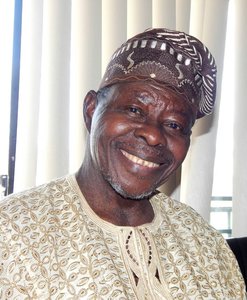
abdul-rasak bisi fakeye
1942 - 2017 , Nigeria
Quick Facts
- Artistic Movement Or Style: Yoruba themes & Postwar Contemporary art
- Artists Or Movements Influenced By This Artist: ['Olowe of Ise']
- Artists Who Influenced This Artist: ['Lamidi Fakeye']
- Date Of Birth: March 9, 1942
- Date Of Death: 2017
- Full Name: Abdul-Rasak Bisi Fakeye
- Nationality: Nigerian
- Notable Artworks:
- Ilari Sango
- Sango sculptures
- Place Of Birth: Ila Orangun, Nigeria