 Preview
 Send
Send Share
Share
 Details

 Download
 Similars
 X-Ray
X-Ray Diaporama
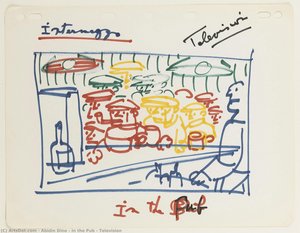
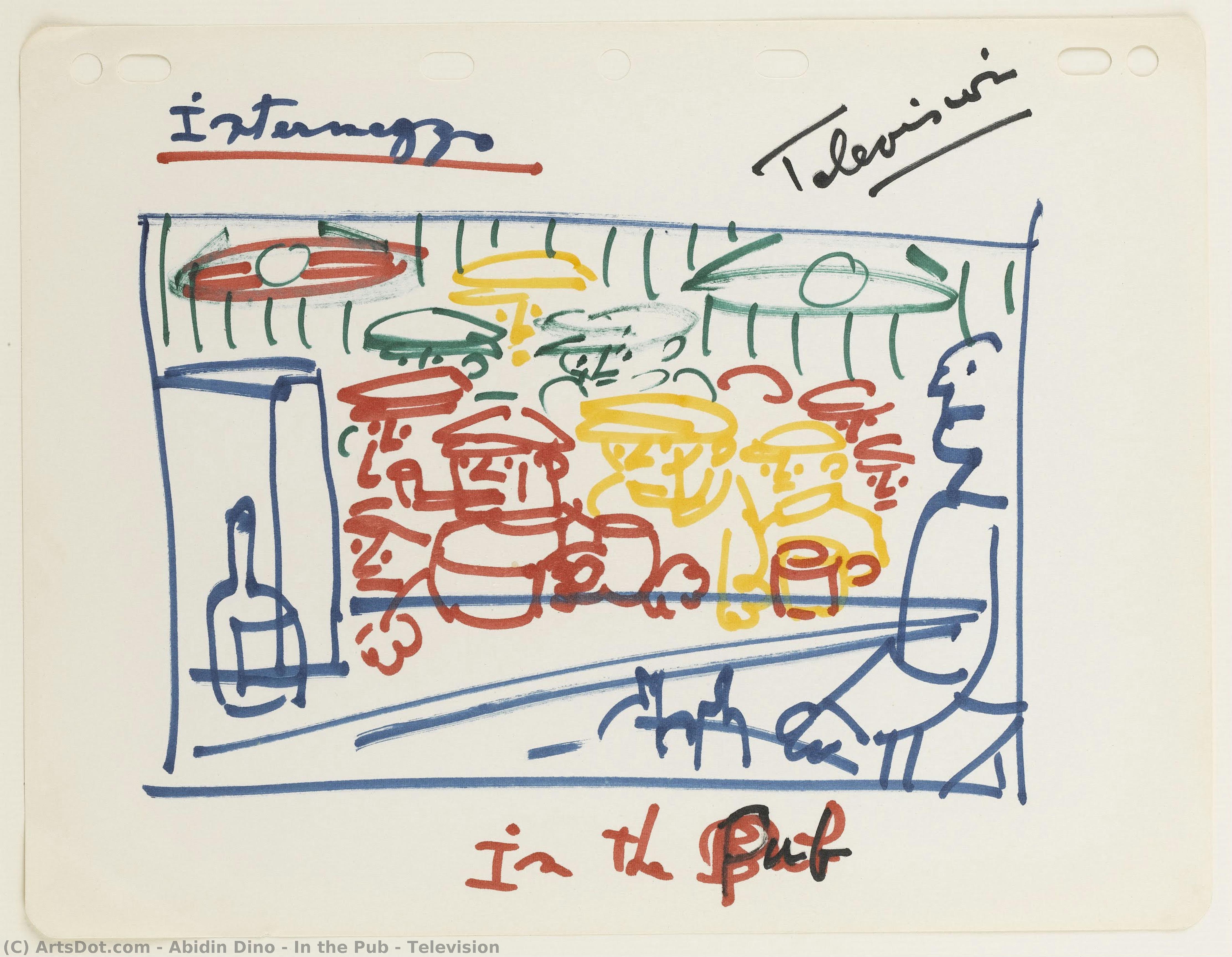
In the Pub - Television
 Painting
- Social Realism
 1966
1966- Modern
 5.0 x 27.0 cm
 Sakıp Sabancı Museum
 Read More
Hand Made Oil Reproduction
Hand-painted oil on canvas in your size and frame, made to order by our artists. ( Buy Print Buy Image)




P118B $10

P118H $10

P118W $10

P438Z $10

P508JH $12

P508YH $12

P805H $10

P805Z $10

P919BZ $10

P919G $10

P919XJ $10

P959ZH $10

P968JZ $12

W106C $8

W218G $10

W218JH $8

W218Y $10

W307PJ $10

W316G $10

W316PJ $8

W316Y $10

W398PJ $8

W4111J $10

W500HY $15

W500JH $15

W692G $12

W849H $8

W940BG $15

W953PJ $8




Pick from our preset sizes that match the artwork's original proportions.

You may enter your own dimensions to fit a specific frame or space. If your selected size does not match the original image's proportions, we will either crop the artwork or extend the painting with additional hand-painted elements. A digital mockup will be sent for your approval before production begins.
Please note that the on-screen preview does not reflect the actual cropping or extension. Only the mockup will accurately show the final composition.
While custom sizes are available, we recommend selecting a dimension from the predefined list to preserve the original proportions.
After order, ArtsDot.com team will email client for instructions and provide a mockup preview
Worldwide Delivery () in 3/4 weeks instead of standard 5 weeks. (17 August). No compromise on quality.

Free Worldwide Express Shipping

High-Quality Linen Canvas

Full Shipping Insurance

Customs Tax Refund Guarantee

True Color Matching Guarantee

60-Day Return Policy (Defects Only)

100% Money-Back Guarantee

Bulk Discount Offer
 Glass option is only available in size under 110 CM

In the Pub - Television
Reproduction Medium
Reproduction Size
-


Total Price
$ 263
Artwork Description
A Glimpse into Mid-Century Sociality
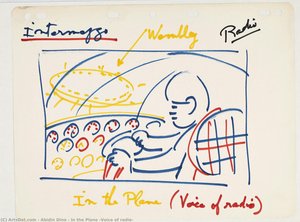
In the evocative painting In the Pub - Television, created in 1966 by the master of Turkish modernism Abidin Dino, we are invited to step into a moment of suspended animation within a bustling social landscape. The scene captures the quintessential atmosphere of a mid-century pub, where the boundaries between public life and private reflection blur under the soft glow of a communal space. Dino, a pioneer of the D Group, possesses a unique ability to transform a mundane setting into a stage for human connection. As we gaze upon the tables scattered with bottles and the rhythmic placement of umbrellas, we feel the pulse of a lively gathering, a snapshot of a time when the local tavern served as the heartbeat of community interaction.
The composition is masterfully layered, drawing the eye through a labyrinth of objects and figures. Dino utilizes a technique that balances expressive brushwork with a keen eye for detail, allowing the viewer to navigate the crowded environment. The presence of the television in the background acts as a silent observer, a technological interloper that anchors the scene in its specific historical era. This subtle inclusion adds a layer of contemporary realism to the work, suggesting how media began to permeate even our most intimate social rituals. For the collector or interior designer, this piece offers more than just visual interest; it provides a window into the sociological fabric of the 1960s, making it a profound addition to any collection focused on modern history and social realism.
The Artistry of Atmosphere and Light
Technically, Dino’s work in this period reflects his deep engagement with both European modernism and the raw energy of social commentary. The painting employs a palette that feels both warm and lived-in, mirroring the amber tones of spilled spirits and the dim, comforting light of a crowded room. There is a rhythmic quality to the way the artist depicts the various elements—the verticality of the bottles, the circular motifs of the umbrellas, and the organic shapes of the patrons. This creates a sense of movement, as if the viewer is caught in a gentle swirl of conversation and clinking glasses.
Beyond its aesthetic charm, In the Pub - Television carries a weight of symbolic significance. The pub serves as a microcosm of society, where different lives intersect momentarily. Dino’s ability to capture this "social choreography" makes the painting an emotionally resonant piece. It evokes feelings of nostalgia, warmth, and perhaps a slight melancholy for a disappearing way of life. For those seeking to decorate a space with art that sparks conversation and provides a sense of depth, this reproduction offers an unparalleled opportunity to bring a touch of historical soul and sophisticated modernism into a contemporary interior.
Related Artworks
Artist Biography
Abidin Dino: A Life in Art
Abidin Dino (1913-1993) was a pivotal Turkish artist whose work spanned several decades and reflected both his homeland’s rich cultural heritage and the influences of European modernism. His journey as an artist was marked by innovation, social commentary, and a deep commitment to artistic expression.
Early Life and Influences
Born on March 23, 1913, in Istanbul, Turkey, Abidin Dino came from an art-loving family. This early exposure fostered his passion for drawing and painting. His grandfather, Abidin Pasha Dino, was an Albanian Ottoman diplomat, adding a unique cultural dimension to his lineage. He spent parts of his childhood in Geneva and France, experiencing different artistic environments before returning to Istanbul in 1925.
Artistic Development & The D Group
Dino’s formal education was briefly interrupted when he left Robert College to dedicate himself fully to art. He quickly began publishing cartoons and articles, establishing himself as a rising talent. In 1933, alongside other innovative painters, he co-founded the “D Group”, a collective that challenged conventional artistic norms in Turkey. The D Group’s exhibitions were groundbreaking for their time.
Early Career & Soviet Union
A significant turning point came when Dino was invited by Soviet director Sergei Yutkevich to work at the Lenfil Studios in Leningrad (now Saint Petersburg) in 1933. This experience, encouraged by Atatürk himself, exposed him to new artistic techniques and perspectives. He worked as a scenery designer and assistant director, even directing his own film, “Miners,” in Moscow, Kyiv, and Odesa.
Parisian Period & International Exposure
Dino spent considerable time in Paris, first from 1937-1939 and then settling there permanently in 1952. He encountered leading figures of the Parisian art world, including Gertrude Stein, Tristan Tzara, and Pablo Picasso. This period was crucial for his artistic development, allowing him to absorb new influences and refine his style.
Artistic Style & Themes
Abidin Dino’s artistic style is characterized by:
- Expressive Brushwork: His use of felt-tip pen often added depth and texture to his compositions.
- Vibrant Color Palette: Reflecting the rich cultural heritage of both Turkey and France.
- Innovative Composition: He experimented with form and perspective, creating dynamic and engaging artworks.
His work frequently explored themes of:
- Social realism – depicting the lives of ordinary people.
- Political commentary – reflecting his concerns about social justice and political issues.
- Turkish culture – celebrating its traditions, landscapes, and people.
Major Achievements & Recognition
Throughout his career, Abidin Dino achieved significant recognition:
- Participation in the “Harbour Exhibition” showcasing Turkish dockworkers and fishermen.
- Designing the Turkish pavilion at the 1939 New York World’s Fair.
- Regular exhibitions with the Salon de Mai in Paris for eight years from 1954.
Later Life & Legacy
Dino continued to create art and engage with the artistic community until his death on December 7, 1993, in Villejuif Hospital, Paris. His body was returned to Istanbul for burial in Aşiyan Cemetery.
Historical Significance
Abidin Dino’s legacy extends beyond his individual artworks. He played a vital role in bridging Turkish and European art scenes, influencing subsequent generations of artists with his innovative style and commitment to social commentary. His work remains a testament to the power of art to reflect and shape our understanding of the world.
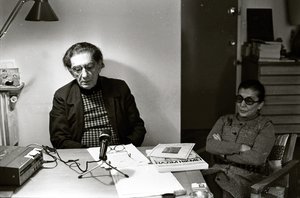
abidin dino
1913 - 1993 , Turkey
Quick Facts
- Birth Date: 1913-03-23
- Birth Place: Istanbul, Turkey
- Death Date: 1993-12-07
- Movement: Expressionism, Social realism
- Name: Abidin Dino
- Nationality: Turkish
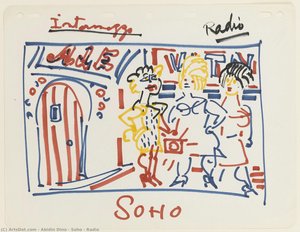
- Notable Works: In the Pub - Television, Çiçek / Flower, Soho - Radio
Related Articles
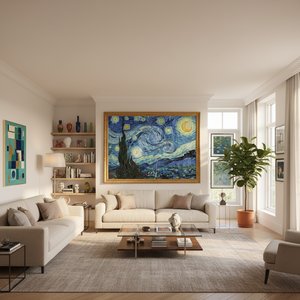
Top 10 Masterpieces for Your Living Room: Iconic Paintings & Art Decor Ideas |
Transform your living room with iconic art! Explore our guide to the Top 10 most famous paintings – from Van Gogh's Starry Night to Mona Lisa. Discover artist stories, techniques & find museum-quality reproductions for timeless decor. Explore the full collection on
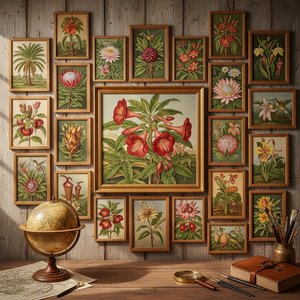
Marianne North's Masterpieces: 25 Botanical Paintings That Bloom With Adventure | ArtsDot
Journey through the vibrant world of Marianne North’s botanical paintings! Explore 25 iconic artworks from this Victorian artist, celebrating exotic flora & travel. Find museum-quality reproductions and curated decor ideas at ArtsDot.com.
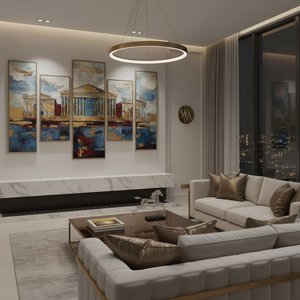
F.A.Q.: Multi-Panel Group Set Art – A Sophisticated Decor Solution for Elite Collectors
Discover 's exquisite multi-panel art sets – a sophisticated decor solution for elite collectors. Custom designs, premium reproductions & expert guidance. Elevate your space with lasting beauty.
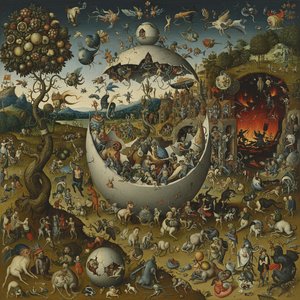
Hieronymus Bosch's Masterpieces: 25 Visions of Art & Morality | ArtsDot
Delve into the enigmatic world of Hieronymus Bosch! Explore 25 iconic paintings – from 'The Garden of Earthly Delusions' to his haunting triptychs. Discover the symbolism, history & artistry behind these Renaissance masterpieces. Find museum-quality art reproductions at ArtsDot.com.
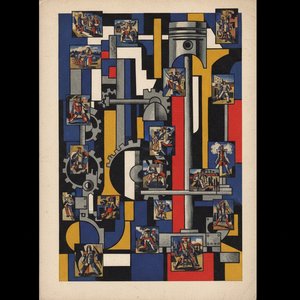
Fernand Léger's Masterpieces: 25 Iconic Paintings & The Machine Age Aesthetic | ArtsDot
Explore 25 iconic Fernand Léger paintings that defined the Machine Age & Cubism. Discover the stories behind his bold colors, geometric forms & avant-garde style. Find museum-quality art reproductions on ArtsDot.com.