 Preview
 Send
Send Share
Share
 Details

 Download
 Similars
 X-Ray
X-Ray Diaporama
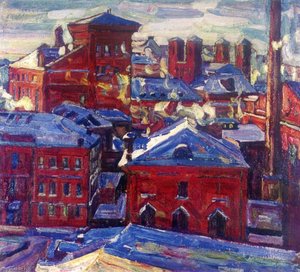
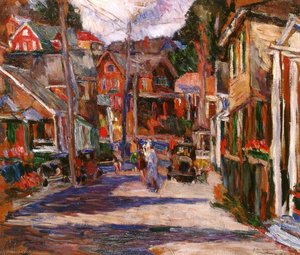
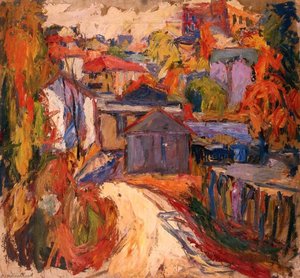
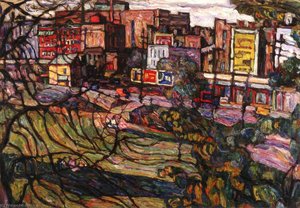
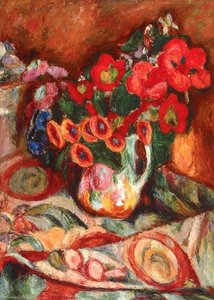
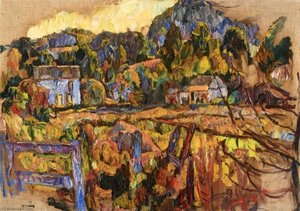
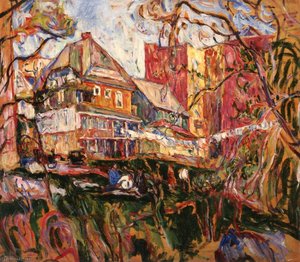
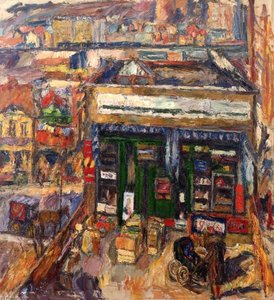
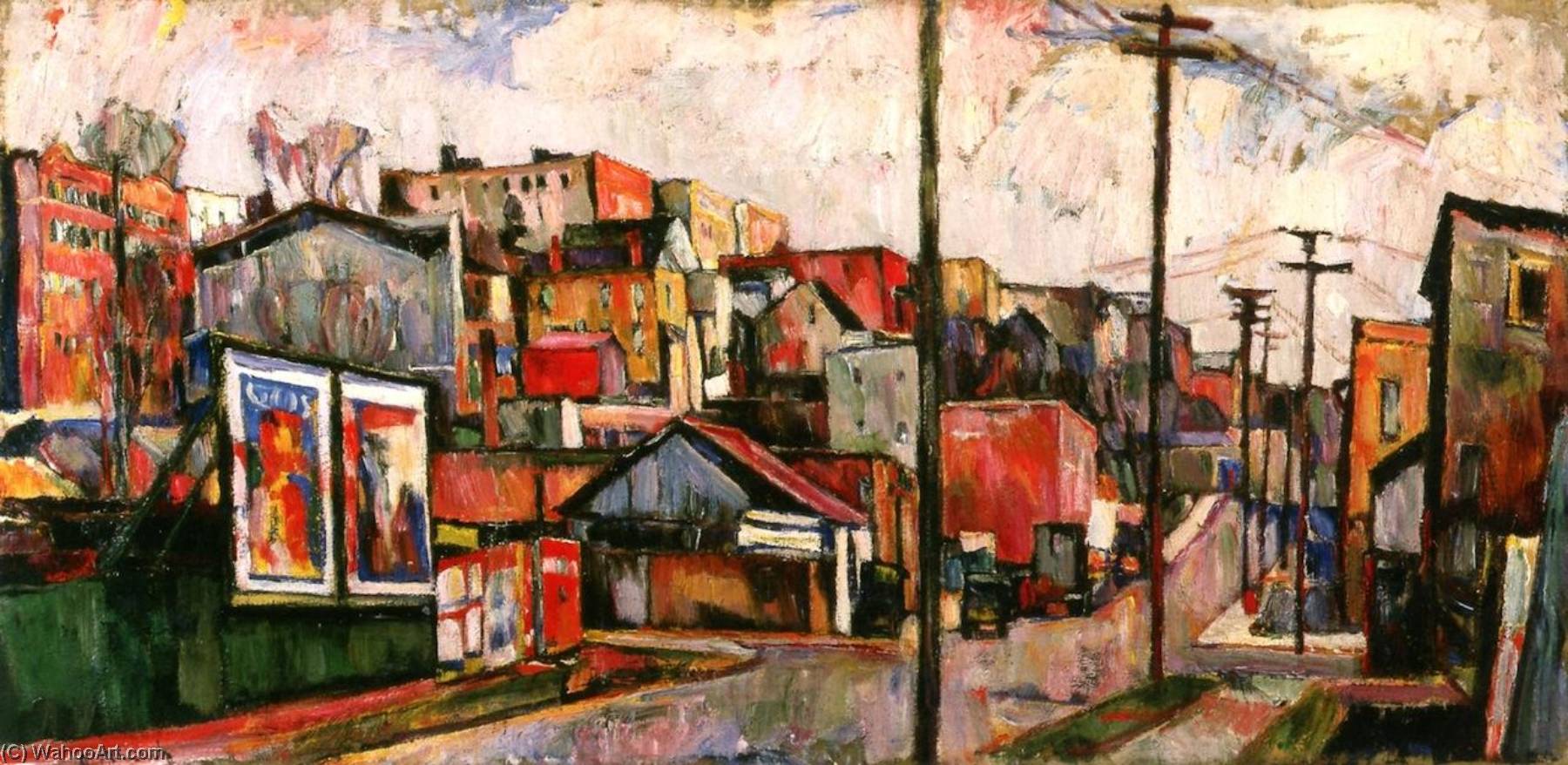
Morris Avenue, New York II

 Read More
Giclée / Art Print
Museum-quality giclée or canvas print with fast production and flexible finish options. ( Buy Hand Made Painting Buy Image)




































Pick from our preset sizes that match the artwork's original proportions.

You may enter your own dimensions to fit a specific frame or space. If your selected size does not match the original image's proportions, we will either crop the artwork or extend the image with a mirrored or solid-fill edge. A digital mockup will be sent for your approval before production begins.
Please note that the on-screen preview does not reflect the actual cropping or extension. Only the mockup will accurately show the final composition.
While custom sizes are available, we recommend selecting a dimension from the predefined list to preserve the original proportions.
Worldwide Delivery () in 2 weeks instead of standard 4/5 weeks. (22 August)

Free Worldwide Express Shipping

High-Quality Linen Canvas

Full Shipping Insurance

Customs Tax Refund Guarantee

True Color Matching Guarantee

60-Day Return Policy (Defects Only)

100% Money-Back Guarantee

Bulk Discount Offer
 Glass option is only available in size under 110 CM

Morris Avenue, New York II
Giclée / Art Print
Reproduction Size
-


Total Price
$ 63
Related Artworks









Artist Biography
The Soul of Expressionism: The Life and Legacy of Abraham Manievich
To trace the life of Abraham Anshelovich Manievich is to follow a journey through the most turbulent corridors of the twentieth century. Born in 1881 in Mstislaw, Belarus, as Abram Manevich, his very existence was shaped by the shifting borders and profound cultural intersections of Eastern Europe. A pioneer of Belarusian Expressionism, Manievich possessed an artistic vision that bridged the gap between the ancestral landscapes of his Jewish-Ukrainian roots and the avant-garde energy of the Western world. His path, stretching from the banks of the Dnipro river to the bustling streets of the Bronx, reflects a life marked by both immense creative triumph and deep personal tragedy.
Manievich’s artistic foundation was built upon rigorous classical training, yet it was his exposure to the burgeoning modern movements that truly ignited his spirit. His formative years at the Kyiv Art School provided him with essential technical mastery, but it was his subsequent studies at the Academy of Art in Munich that allowed him to absorb the radical innovations of European modernism. As he traveled through Italy, France, and Switzerland, Maniev and his contemporaries began to dismantle traditional perspectives. This period of wandering was not merely a geographical transit but an intellectual metamorphosis, where the echoes of Cubism and Futurism began to harmonize with his innate emotional depth.
A Vanguard of the Ukrainian Avant-Garde
In the vibrant cultural landscape of early twentieth-century Ukraine, Manievich emerged as a pivotal figure in the development of modern art. He was not merely a participant in the movement but a foundational architect of it. Alongside the legendary Alexander Bogomazov, he co-founded the Ukrainian Academy of Arts, creating a sanctuary for intellectual and aesthetic experimentation. Perhaps most significantly, his role in establishing the “Koltso” (The Ring) group marked a definitive moment in art history. This Cubo-Futurist collective sought to push the boundaries of form and rhythm, blending the structural rigor of Cubism with the dynamic, fractured energy of Futurism.
His work during this era serves as a testament to his ability to synthesize disparate influences into a singular, emotive language. Manievich’s canvases often feature:
- Bold Color Palettes: Using vibrant, sometimes jarring hues to evoke psychological states rather than mere visual reality.
- Textured Surfaces: A tactile approach to paint that gives his landscapes and cityscapes a palpable, physical presence.
- Emotional Resonance: A profound ability to imbue even the most abstract compositions with a sense of longing, movement, or stillness.
From the Old World to the New
The trajectory of Manievich’s life was irrevocably altered by the violence of history. The tragic loss of his son during the pogrom-related destruction of the Kiev ghetto in 1921 served as a harrowing catalyst for his emigration to the United States. This transition from the heart of the Ukrainian avant-garde to the landscapes of America introduced a new chapter to his oeuvre. While his memories of Belarusian towns like Mstislaw and Podillya remained etched in his soul, he found new inspiration in the urban rhythms of the New World, capturing the essence of places such as Nantasket, Massachusetts, and the Bronx.
His masterpiece, “Neige dans la forêt” (Snow in the Forest), remains one of the most poignant examples of his enduring genius. Held within the National Art Museum of Ukraine, this work encapsulates his signature style—a breathtaking blend of regionalist sentiment and expressionist fervor. Even as he lived his final years in America, Manievich’s art continued to resonate with a global significance, bridging the gap between the lost worlds of Eastern Europe and the modern complexities of the West. Today, his legacy survives through his presence in major museums across Ukraine, Canada, France, and Israel, standing as a testament to an artist who transformed personal and historical upheaval into timeless beauty.
abraham a manievich
1881 - 1942
Quick Facts
- Artistic Movement Or Style: Expressionism
- Artists Or Movements Influenced By This Artist: ['Ukrainian Avant-garde']
- Artists Who Influenced This Artist: ['Alexis Romm']
- Date Of Birth: November 25, 1881
- Date Of Death: June 30, 1942
- Full Name: Abraham Anshelovich Manievich
- Nationality: Belarusian-Jewish
- Notable Artworks:
- Nantasket, Massachusetts
- Garden View
- Place Of Birth: Mstsislaw, Belarus