

 Preview
 Send
Send Share
Share
 Details

 Download
 Similars
 X-Ray
X-Ray Diaporama
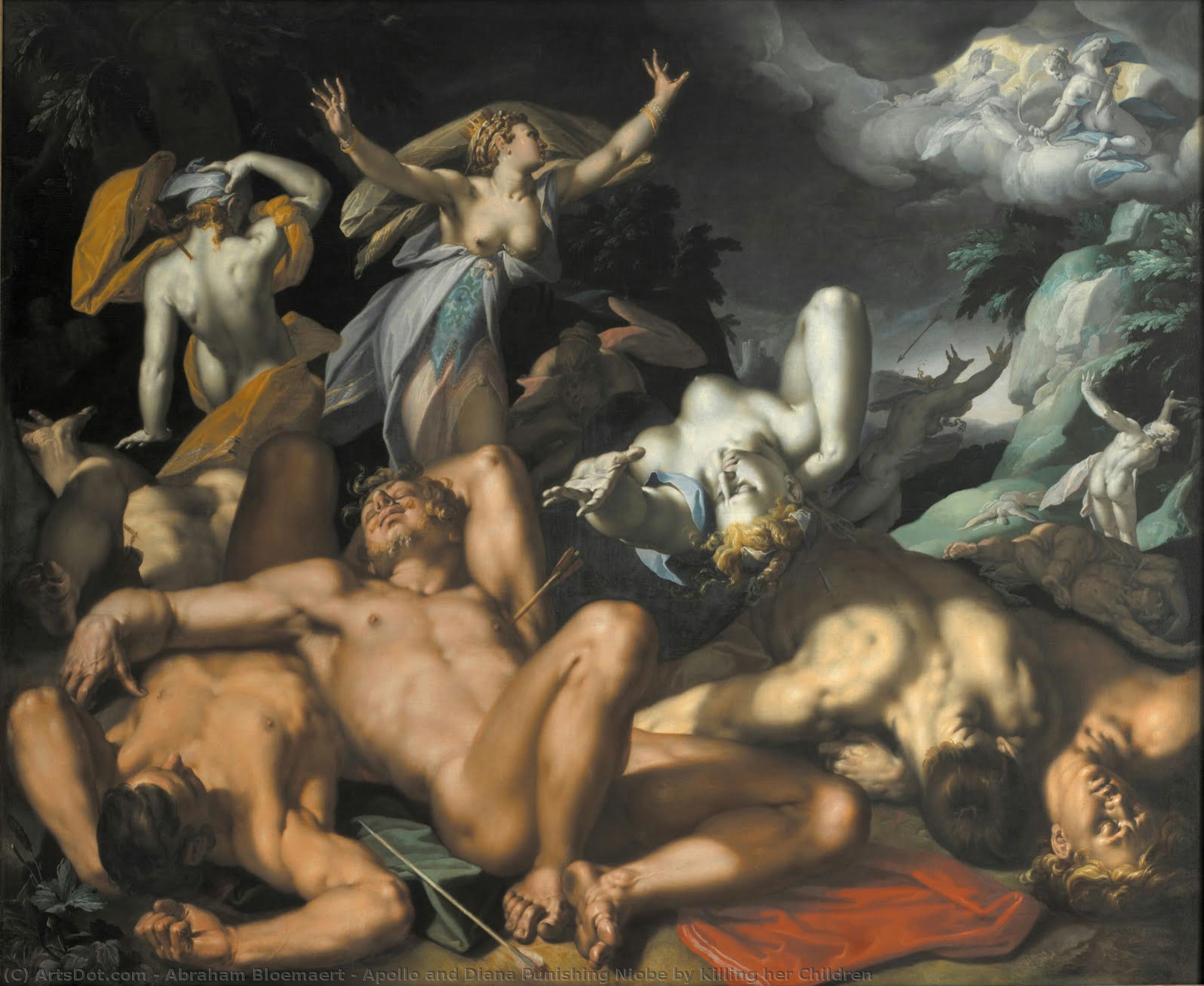
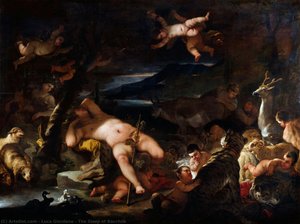
Apollo and Diana Punishing Niobe by Killing her Children
 Oil On Canvas
- WallArt
- Haarlem Mannerism
 1591
1591 249.0 x 203.0 cm
 National Gallery of Denmark
 Read More
Purchase a high-resolution, enhanced digital image, far superior to the online preview.
Each file is meticulously prepared by our in-house specialists using advanced tools and expert manual retouching. We ensure every image has exceptional clarity, precise color accuracy, and fine detail.
The final file is delivered via email within 72 hours, optimized for immediate use in professional, editorial, and print environments. This is the same quality trusted by top-tier design studios, publishers, and galleries.
Digital Image
Download a high-resolution file for personal display, printing, and creative projects. ( Buy Print Buy Hand Made Painting)
Included in Every Digital Image Order
Expert Digital Delivery, Guaranteed
When you choose ArtsDot.com, you're not just getting an image - you're receiving a professionally enhanced digital artwork, crafted with precision and backed by a satisfaction guarantee. Here's everything that comes with your order, automatically:

Fast Email Delivery
Your high-resolution digital image file will be emailed to you within 72 hours of ordering - ready for immediate use.

AI-Enhanced Digital File
Your artwork is professionally optimized using advanced AI tools and manual editing, ensuring maximum detail, clarity, and color accuracy.

Free Lifetime Re-Delivery
Accidentally deleted or lost your file? No worries - we'll resend it to you anytime, free of charge.

No Import Fees - Ever
Enjoy your artwork instantly with zero customs, duties, or delivery fees - digital downloads are always tax-free.

Color Accuracy Guarantee
We ensure your digital image reflects the original colors as closely as possible using professional tools and color management.

60-Day Satisfaction Guarantee
If you're not satisfied with your digital image, we'll revise it or refund 100% within 60 days - no questions asked.

100% Money-Back Guarantee
Not satisfied? Get a full refund within 60 days of receiving your digital file - no questions asked.

Bulk Order Discounts
Buy 3 images, save 10% - Buy 5, save 15% - Buy 10+, save 20%. Great for creative projects, galleries, and agencies.
Collectible Description
A Tempestuous Vision: Abraham Bloemaert’s “Apollo and Diana Punishing Niobe”
Abraham Bloemaert's "Apollo and Diana Punishing Niobe by Killing her Children," painted in 1591, is not merely a depiction of a classical myth; it’s a visceral exploration of grief, divine retribution, and the devastating consequences of hubris. This monumental oil on canvas, measuring an impressive 249 x 203 cm, pulsates with dramatic intensity, showcasing Bloemaert's mastery of chiaroscuro – the skillful manipulation of light and shadow – to create a scene brimming with both terror and profound sorrow. The painting immediately commands attention through its scale and the sheer force of its composition; it’s a theatrical tableau designed to overwhelm the viewer.
Bloemaert, working at the cusp of the Mannerist and Baroque periods in Haarlem, inherited a rich artistic legacy from his mentor, Cornelis van Haarlem. However, Bloemaert swiftly established his own distinctive style, characterized by an almost obsessive attention to detail and a willingness to distort perspective for dramatic effect. This is particularly evident here, where figures are rendered with unsettlingly elongated limbs and contorted poses, conveying the chaos and horror of the event unfolding before us. The artist’s deep understanding of anatomy is juxtaposed against this deliberate exaggeration, creating a compelling tension between realism and theatricality.
The Mythic Core: Niobe's Tragic Fate
The painting draws upon Ovid’s *Metamorphoses*, recounting the tale of Niobe, a queen renowned for her vanity. She boasted that she had more children than the goddess Leto (mother of Apollo and Diana). Enraged by this audacious claim, the twin gods unleashed a devastating plague upon Niobe's offspring, leaving her to mourn the loss of her seven sons and seven daughters. The scene depicted is the moment of their demise – Apollo and Diana raining down arrows from the clouds, while Niobe, consumed by grief, cradles the lifeless bodies of her children.
The symbolism woven throughout the painting is rich and layered. Niobe herself embodies excessive pride (hubris), a fatal flaw that ultimately leads to her downfall. The scattered limbs of her children represent innocence brutally extinguished, while the radiant figures of Apollo and Diana symbolize divine justice – albeit delivered with merciless efficiency. The stark contrast between the cold, detached expressions of the gods and the raw anguish on Niobe’s face underscores the tragic nature of the event.
A Masterclass in Technique: Bloemaert's Dramatic Palette
Bloemaert’s technical skill is immediately apparent in the painting’s masterful use of color. He employs a dramatic palette dominated by cool blues and purples, reflecting the somber mood of the scene. These are sharply contrasted with bursts of fiery orange and red emanating from the arrows of Apollo and Diana, creating a dynamic interplay of light and shadow that intensifies the drama. The artist’s meticulous attention to detail is evident in every brushstroke – from the delicate folds of Niobe's garments to the intricate patterns on her skin.
Furthermore, Bloemaert expertly utilizes *sfumato*, a technique popularized by Leonardo da Vinci, to soften edges and create an atmospheric haze that envelops the scene. This blurring effect adds to the sense of unease and disorientation, immersing the viewer in the tragedy unfolding before them. The composition itself is carefully constructed – figures are arranged in a pyramidal structure, drawing the eye towards Niobe’s central position and emphasizing her vulnerability.
Echoes of Haarlem Mannerism & Beyond
Bloemaert's work stands as a pivotal moment in the evolution of Dutch painting. He closely emulated the style of Cornelis van Haarlem, particularly his penchant for dramatic lighting and complex compositions. However, Bloemaert pushed these stylistic elements to new extremes, forging a unique artistic voice that anticipated the Baroque period. The original intention was for this piece to be presented to Rudolph II in Prague, a patron known for his appreciation of Mannerist art. This connection highlights the painting’s place within a broader European artistic context.
Today, “Apollo and Diana Punishing Niobe by Killing her Children” remains a powerful testament to Bloemaert's artistry – a haunting meditation on grief, divine retribution, and the enduring consequences of human pride. Reproductions capture only a fraction of the painting’s original impact, but offer a window into this extraordinary work of art.
Related Artworks


Artist Biography
A Life Immersed in Art: The World of Abraham Bloemaert
Abraham Bloemaert, born in Gorinchem in 1564 and passing away in Utrecht in 1651, stands as a pivotal figure bridging the Mannerist and Baroque periods in Dutch painting. His long and prolific career unfolded against a backdrop of religious and political upheaval, yet he consistently produced works imbued with both dramatic intensity and subtle beauty. Bloemaert’s journey began under the tutelage of his father, Cornelis Bloemaert I, an architect who instilled in him a foundational understanding of form and composition. This early training was further refined through studies with Gerrit Splinter and Joos de Beer in Utrecht, laying the groundwork for his artistic explorations. A crucial period followed – three years spent in Paris from 1581 to 1583. There, he absorbed influences from Jehan Bassot and Maistre Herry, while also encountering the works of Hieronymus Francken, a fellow Dutch artist who broadened his stylistic horizons. This Parisian sojourn proved formative, exposing him to the refined elegance of the French School and setting the stage for his later innovations.From Mannerism to Baroque: A Shifting Aesthetic
Upon returning to Utrecht, Bloemaert quickly established himself as a leading artist. Initially, his style aligned with the prevailing Haarlem Mannerism – characterized by elongated figures, elegant poses, and often complex allegorical narratives. However, he was not content to remain solely within this framework. As the 17th century dawned, Bloemaert began to embrace the emerging Baroque aesthetic, a shift marked by increased dynamism, emotional intensity, and a heightened sense of realism. This transition wasn’t abrupt; rather, it represented a gradual evolution, blending elements of both styles into a uniquely personal artistic language. He skillfully incorporated dramatic lighting effects, rich color palettes, and expressive gestures to convey powerful narratives and evoke profound emotions in his viewers. His paintings began to resonate with a new energy, reflecting the changing cultural landscape of the Dutch Republic.A Master of Diverse Subjects and Techniques
Bloemaert’s artistic output was remarkably diverse. He excelled in history painting, bringing biblical stories and classical myths to life with compelling detail and emotional depth. Landscapes also held a special place in his repertoire, often serving as settings for religious or mythological scenes, but increasingly becoming subjects in their own right – picturesque vistas populated with figures engaged in everyday activities. Beyond painting, Bloemaert was a highly skilled printmaker, proficient in both etching and engraving. These prints served to disseminate his artistic vision more widely, contributing significantly to his reputation and influence. His technical mastery extended to still lifes and animal paintings as well, demonstrating an exceptional versatility that set him apart from many of his contemporaries. Notable works such as “The Expulsion of Hagar and Ishmael,” “Venus and Adonis”, and "Warrior & Young Standard-Bearer" exemplify this range, showcasing his ability to handle complex compositions and convey nuanced emotions with equal skill.A Prolific Teacher and Lasting Legacy
Abraham Bloemaert was not only a gifted artist but also an influential teacher. He established a thriving workshop in Utrecht, attracting numerous students who would go on to become prominent artists themselves. Remarkably, his four sons – Hendrick, Frederick, Cornelis, and Adriaan – all followed in his footsteps, achieving considerable success as painters and engravers. Beyond his immediate family, Bloemaert mentored a generation of Dutch artists, including Jan Aerntsz de Hel, Nicolaes van Bercheyck, Leonaert Bramer, Bartholomeus Breenbergh, Hendrick ter Brugghen, and Gerrit van Honthorst. His influence was particularly profound on the Utrecht Caravaggisti – a group of painters who embraced the dramatic realism and tenebrism (the use of strong contrasts between light and dark) pioneered by Caravaggio. Bloemaert’s teachings helped to shape their distinctive style, solidifying his position as a central figure in the development of Dutch Baroque painting. His legacy continues to resonate today, with his works admired for their technical brilliance, emotional power, and historical significance. They stand as testaments to a life dedicated to artistic exploration and innovation, leaving an indelible mark on the art world.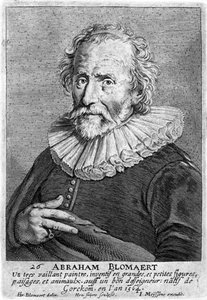
Abraham Bloemaert
1564 - 1651 , Netherlands
Quick Facts
- Artistic Movement Or Style: Baroque, Mannerism
- Artists Or Movements Influenced By This Artist: ['Utrecht Caravaggisti']
- Artists Who Influenced This Artist: ['Hieronymus Francken']
- Date Of Birth: 1564
- Date Of Death: 1651
- Full Name: Abraham Bloemaert
- Nationality: Dutch
- Notable Artworks:
- Expulsion of Hagar
- Venus and Adonis
- Landscape with Peasants
- Place Of Birth: Gorinchem, Netherlands

