

 Preview
 Send
Send Share
Share
 Details

 Download
 Similars
 X-Ray
X-Ray Diaporama
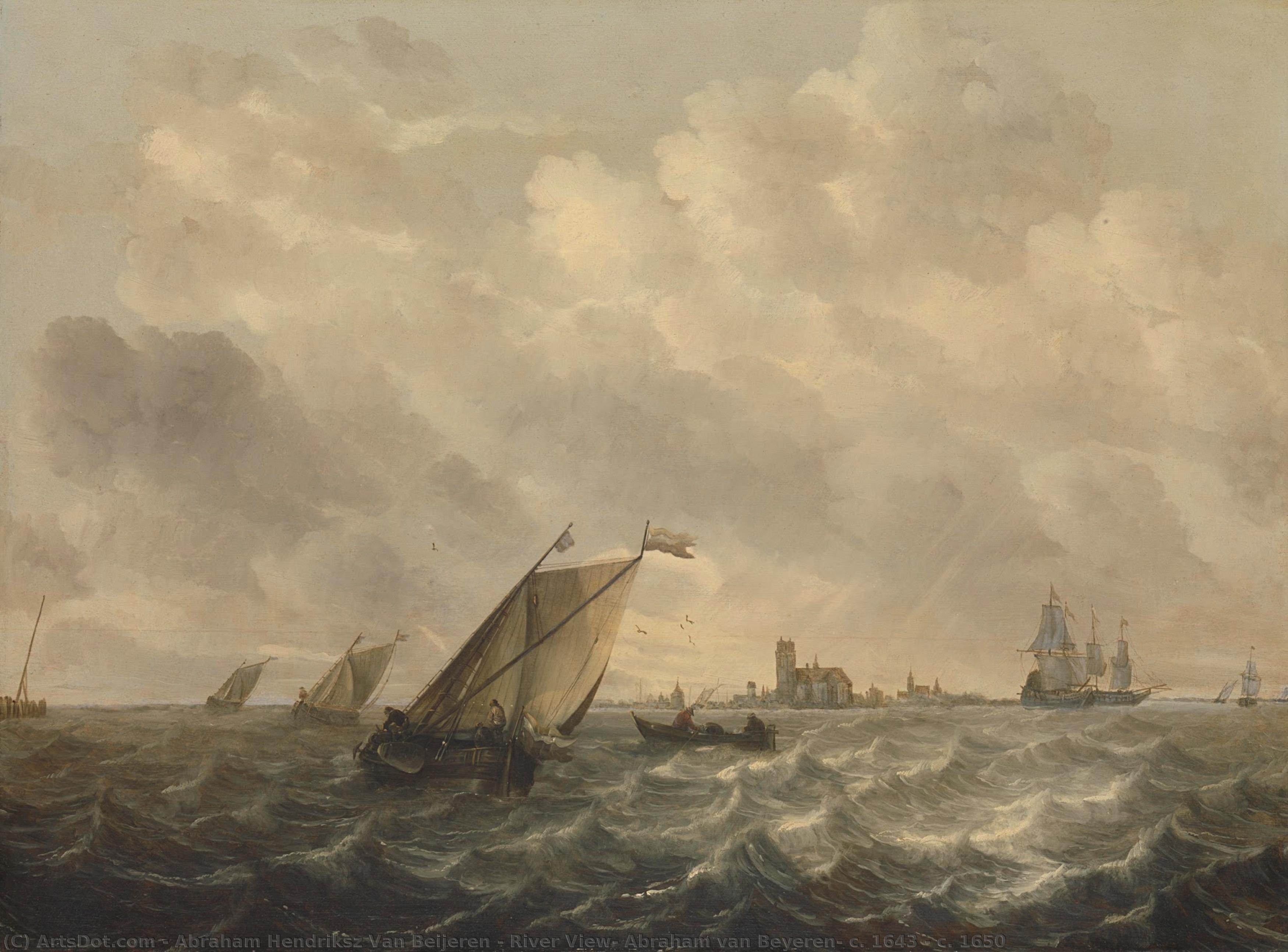
River View, Abraham van Beyeren, c. 1643 - c. 1650
 Oil
Oil- WallArt
- Dutch Golden Age
 1650
1650- Early Modern
 72.0 x 96.0 cm
 Read More
Purchase a high-resolution, enhanced digital image, far superior to the online preview.
Each file is meticulously prepared by our in-house specialists using advanced tools and expert manual retouching. We ensure every image has exceptional clarity, precise color accuracy, and fine detail.
The final file is delivered via email within 72 hours, optimized for immediate use in professional, editorial, and print environments. This is the same quality trusted by top-tier design studios, publishers, and galleries.
Digital Image
Download a high-resolution file for personal display, printing, and creative projects. ( Buy Print Buy Hand Made Painting)
Included in Every Digital Image Order
Expert Digital Delivery, Guaranteed
When you choose ArtsDot.com, you're not just getting an image - you're receiving a professionally enhanced digital artwork, crafted with precision and backed by a satisfaction guarantee. Here's everything that comes with your order, automatically:

Fast Email Delivery
Your high-resolution digital image file will be emailed to you within 72 hours of ordering - ready for immediate use.

AI-Enhanced Digital File
Your artwork is professionally optimized using advanced AI tools and manual editing, ensuring maximum detail, clarity, and color accuracy.

Free Lifetime Re-Delivery
Accidentally deleted or lost your file? No worries - we'll resend it to you anytime, free of charge.

No Import Fees - Ever
Enjoy your artwork instantly with zero customs, duties, or delivery fees - digital downloads are always tax-free.

Color Accuracy Guarantee
We ensure your digital image reflects the original colors as closely as possible using professional tools and color management.

60-Day Satisfaction Guarantee
If you're not satisfied with your digital image, we'll revise it or refund 100% within 60 days - no questions asked.

100% Money-Back Guarantee
Not satisfied? Get a full refund within 60 days of receiving your digital file - no questions asked.

Bulk Order Discounts
Buy 3 images, save 10% - Buy 5, save 15% - Buy 10+, save 20%. Great for creative projects, galleries, and agencies.
Collectible Description
A Symphony of Silver and Grey: The Atmospheric Mastery of Van Beyeren
In the quiet, mist-laden expanse of River View, Abraham van Beyeren invites us into a world where the boundaries between water, sky, and earth dissolve into a singular, atmospheric experience. Created during the mid-17th century, this masterpiece captures a moment of profound stillness within the bustling maritime life of the Dutch Golden Age. The composition is anchored by a rhythmic dance of vessels—at least nine boats drift across the undulating surface of the river, their varying scales creating a breathtaking sense of depth and perspective. As the eye wanders from the textured foreground toward the distant, hazy horizon, one encounters a solitary figure in a red jacket, a sudden and vibrant heartbeat of color that breaks the monochromatic spell of browns, greys, and silvers.
The technique employed by Van Beyeren is nothing short of revolutionary for its era. Moving away from the rigid precision of his contemporaries, he utilizes a loose, flickering brushwork that suggests movement even in the most tranquil moments. There is an almost impressionistic quality to the way light interacts with the heavy, cloud-laden sky; a singular band of illumination pierces through the gloom, casting a soft, silvery glow upon the cresting waves. This strategic use of thick impasto for the highlights provides a tactile dimension to the painting, allowing the peaks of the water to catch the light, while the thinner, more transparent layers of paint allow the underlying ground to breathe, lending the work an ethereal, translucent quality.
Historical Resonance and the Spirit of the Dutch Golden Age
To understand River View is to understand the economic and artistic pulse of the Netherlands in the 1640s. Van Beyeren’s style bears the unmistakable influence of Jan van Goyen, particularly in his ability to evoke the damp, heavy air of the Dutch landscape through a restrained palette. Yet, where others might focus on horizontal expanses of light, Van Beyeren introduces a more dynamic diagonal energy, leading the viewer's gaze toward a distant town that whispers of the great church of Dordrecht. This painting serves as a testament to the artist's remarkable ability to balance artistic innovation with the practical demands of a high-turnover market, using an economical use of pigments to create works of immense scale and emotional weight.
For the discerning collector or interior designer, this reproduction offers more than just a window into the past; it provides a sophisticated focal point for any curated space. The painting’s muted tones and dramatic lighting make it an ideal centerpiece for rooms that value understated luxury and classical elegance. It evokes a sense of contemplative peace, making it perfect for study libraries, grand hallways, or living spaces designed for reflection. Owning a piece that captures such a masterful interplay of light and shadow allows one to bring the timeless, melancholic beauty of the Dutch maritime tradition into the modern home, serving as a constant reminder of the enduring power of the natural world.
Related Artworks

Artist Biography
The Master of the Dutch Golden Age Still Life
In the vibrant, prosperous landscape of the seventeenth-century Netherlands, few artists captured the sensory richness of existence as profoundly as Abraham Hendricksz. van Beyeren. Born in The Hague around 1620, van Beyeren emerged during a period of unparalleled artistic flourishing known as the Dutch Golden Age. His life and work were deeply intertwined with the intellectual and commercial pulse of cities like Leiden, Delft, and Amsterdam, where he established himself as a premier chronicler of the material world. While much of his early biography remains shrouded in the soft shadows of history, his artistic lineage suggests a connection to the masters of his era, with some accounts even attributing his foundational training to the legendary Johannes Vermeer. This influence is evident in his sophisticated command of light, a quality that allowed him to transform simple objects into luminous protagonists within his compositions.
The evolution of van Beyron's style serves as a visual chronicle of the shifting aesthetic tides in Dutch art. His early period was characterized by a dramatic, almost theatrical intensity, heavily influenced by the chiaroscuro techniques popularized by Caravaggio. During these formative years, his canvases were defined by deep, moody shadows and sharp, piercing highlights that lent a sense of gravity and emotional weight to his subjects. However, as his career matured, van Beyeren underwent a remarkable stylistic metamorphosis. He gradually moved away from the heavy Baroque tension toward a more serene and luminous palette. His later works embraced softer hues and delicate, precise brushstrokes, reflecting a broader cultural transition from the dramatic grandeur of the early century toward a more contemplative, tranquil aesthetic that celebrated the quiet beauty of the natural world.
Symbolism and the Art of the Banquet
Van Beyeren’s oeuvre is most celebrated for its mastery of the still life, particularly his ability to render textures that seem almost tactile to the viewer. He was a virtuoso of the "banquet" tradition, creating opulent scenes that were far more than mere displays of wealth. Through his meticulous depiction of overflowing platters of fruit, glistening lobsters, and fine glassware, he engaged in a complex dialogue with symbolism. A single piece of ripening fruit or a beautifully crafted timepiece could serve as a memento mori—a poignant reminder of the fleeting nature of life and the inevitability of decay. This tension between the exuberant abundance of the feast and the underlying theme of transience gave his work a profound intellectual depth that resonated with the humanist values of his time.
His technical achievements are perhaps best exemplified in his diverse range of subjects, which included:
- Floral Compositions: Exquisite arrangements where each petal and leaf was rendered with scientific precision, capturing the ephemeral beauty of blooms.
- Maritime and Aquatic Life: Masterful depictions of fish and crustaceans, such as his famous Large Still life with Lobster, which showcased his ability to capture moisture and light reflecting off organic surfaces.
- Luxury Goods: The inclusion of precious metals, fine ceramics, and intricate glassware, demonstrating a profound understanding of how different materials interact with light.
Legacy and Historical Significance
The historical significance of Abraham Hendricksz. van Beyeren lies in his ability to elevate the still life genre from mere decorative craft to a high art form capable of expressing complex philosophical truths. His works continue to reside in some of the world's most prestigious institutions, including the Mauritshuis in The Hague, the Louvre in Paris, and the Metropolitan Museum of Art in New York. By bridging the gap between the dramatic intensity of the early Baroque and the refined elegance of later Dutch traditions, he left an indelible mark on the trajectory of European painting. Today, his canvases remain much more than historical artifacts; they are enduring windows into a lost era of splendor, inviting every generation to pause and admire the quiet, magnificent details of the world around them.
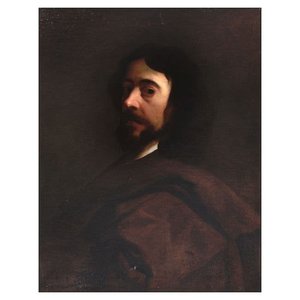
abraham hendricksz. van beyeren
1620 - 1690 , Netherlands
Quick Facts
- Artistic Movement Or Style: Still Life
- Artists Or Movements Influenced By This Artist: ['Dutch Golden Age']
- Date Of Birth: 1620
- Full Name: Abraham Hendricksz. van Beyeren
- Nationality: Dutch
- Notable Artworks:
- Still Life with a Lobster, Fruit, Silver and China Ware
- A blue and white porcelain bowl with fruit
- A chinese porcelain jug, grapes and a peach on a pewter plate with a fobwatch on a draped ledge
- Place Of Birth: The Hague, Netherlands

