 Preview
 Send
Send Share
Share
 Details

 Download
 Similars
 X-Ray
X-Ray Diaporama
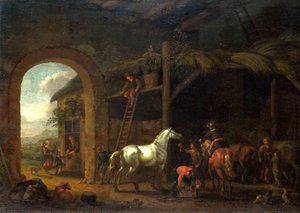
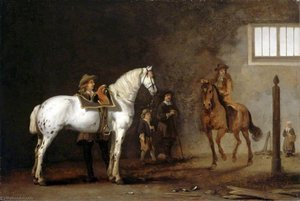
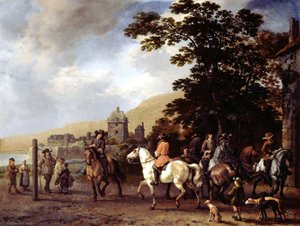
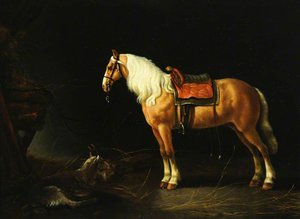
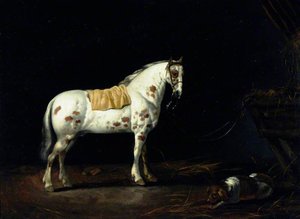
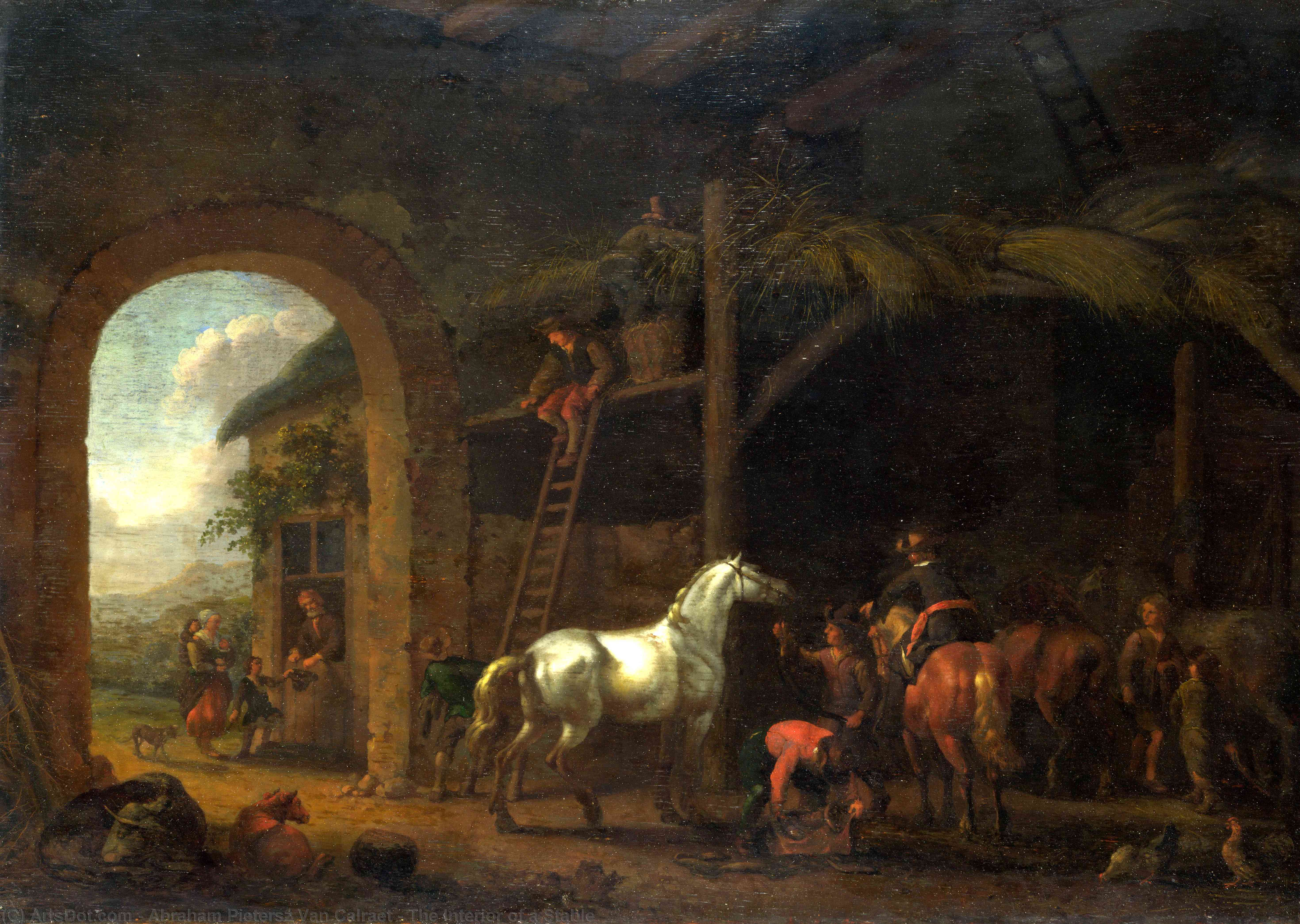
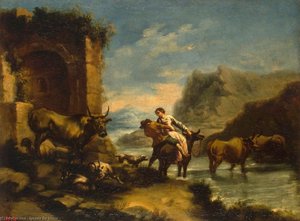
The Interior of a Stable
 Read More
Hand Made Oil Reproduction
Hand-painted oil on canvas in your size and frame, made to order by our artists. ( Buy Print Buy Image)




































Pick from our preset sizes that match the artwork's original proportions.

You may enter your own dimensions to fit a specific frame or space. If your selected size does not match the original image's proportions, we will either crop the artwork or extend the painting with additional hand-painted elements. A digital mockup will be sent for your approval before production begins.
Please note that the on-screen preview does not reflect the actual cropping or extension. Only the mockup will accurately show the final composition.
While custom sizes are available, we recommend selecting a dimension from the predefined list to preserve the original proportions.
After order, ArtsDot.com team will email client for instructions and provide a mockup preview
Worldwide Delivery () in 3/4 weeks instead of standard 5 weeks. (16 August). No compromise on quality.

Free Worldwide Express Shipping

High-Quality Linen Canvas

Full Shipping Insurance

Customs Tax Refund Guarantee

True Color Matching Guarantee

60-Day Return Policy (Defects Only)

100% Money-Back Guarantee

Bulk Discount Offer
 Glass option is only available in size under 110 CM

The Interior of a Stable
Reproduction Medium
Reproduction Size
-


Total Price
$ 263
Related Artworks
Artist Biography
A Life Immersed in Dutch Light: Abraham Pietersz van Calraet
Abraham Pietersz van Calraet, a name resonating softly through the annals of the Dutch Golden Age, embodies the quiet mastery and evolving artistic sensibilities of 17th-century Holland. Born in Dordrecht in 1642 and passing away there in 1722, his life was deeply interwoven with the fabric of this thriving mercantile city—a center for both commerce and burgeoning artistic expression. Calraet’s journey began not with a brush, but with the sculptor's chisel. He initially apprenticed under Aemilius and Samuel Hup, respected sculptors in Dordrecht, absorbing their technical precision and understanding of form. However, it was a shift towards painting that would ultimately define his legacy, spurred by assisting his father, a wood sculptor, and an early fascination with capturing the delicate beauty of fruit. This foundational training in three-dimensional art undoubtedly informed the remarkable realism and tactile quality present in his still lifes.From Still Life to Landscape: A Developing Style
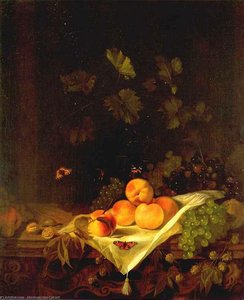
Calraet’s artistic development was not linear but rather a fascinating exploration of genre and technique. He initially gained recognition for his exquisitely rendered still life paintings, particularly those depicting luscious arrangements of fruit. These works weren't merely depictions; they were celebrations of abundance, often imbued with subtle symbolism reflecting the transience of earthly pleasures. The surfaces gleam with an almost photographic realism, a testament to his meticulous observation and skillful handling of oil paint. However, Calraet’s ambition extended beyond the confines of the still life. He resided in Dordrecht throughout his life, and it is believed he may have been influenced by Aelbert Cuyp, a generation older master known for his idyllic landscapes. This connection proved pivotal, though complicated. Cuyp's signature was frequently—and often fraudulently—added to Calraet’s paintings, highlighting the esteem with which Cuyp was held and perhaps suggesting an attempt to capitalize on his established reputation.The Cuyp Controversy and Rediscovery
The attribution of works became a source of considerable debate in the early 20th century. For years, many of Calraet's still lifes were mistakenly attributed to Cuyp himself. It was Abraham Bredius, a renowned art historian, who spearheaded the “rediscovery” of Calraet, meticulously re-attributing two paintings previously considered Cuyp’s work. This sparked intense discussion, with Cornelis Hofstede de Groot vehemently disagreeing with Bredius' findings. The debate even escalated into public discourse when Frits Lugt announced a new Calraet painting at the Frans Hals Museum in 1915. Ultimately, Bredius prevailed, and his attributions largely stand today, solidifying Calraet’s position as an independent artist of significant merit. This episode underscores the challenges inherent in art historical research and the importance of careful analysis and scholarly debate.Themes and Techniques: A Master of Observation
Calraet's oeuvre encompasses both still life compositions and landscapes featuring horses—a subject he embraced with increasing enthusiasm later in his career. His still lifes are characterized by a warm, intimate atmosphere, often employing rich, earthy tones and dramatic chiaroscuro to accentuate the textures and forms of the fruit. He possessed an exceptional ability to capture the play of light on surfaces, creating a sense of depth and realism that draws the viewer into the scene. In his landscapes, Calraet demonstrates a keen eye for atmospheric effects and a talent for depicting horses in dynamic poses. These works often feature riders traversing rural scenes, evoking a sense of movement and vitality. He was known to be a teacher as well, passing on his knowledge and skills to his younger brother, Barent van Kalraet, who also became a landscape painter.Legacy and Historical Significance
Abraham Pietersz van Calraet’s contribution to the Dutch Golden Age lies in his ability to seamlessly blend meticulous realism with subtle artistic expression. While perhaps not as widely celebrated as some of his contemporaries, his works offer a compelling glimpse into the everyday life and aesthetic sensibilities of 17th-century Holland. His still lifes are testaments to the beauty of nature and the transience of earthly pleasures, while his landscapes capture the dynamism and vitality of rural life. Today, Calraet is recognized as a skilled painter who successfully navigated evolving artistic trends, leaving behind a body of work that continues to captivate and inspire. His story serves as a reminder that even within a period renowned for its iconic masters, there existed a wealth of talented artists whose contributions deserve recognition and appreciation. His paintings offer a window into the Dutch Golden Age, revealing not only artistic skill but also a profound connection to the natural world.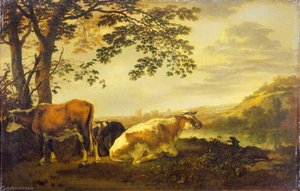
abraham pietersz van calraet
1642 - 1722
Quick Facts
- Artistic Movement Or Style: Golden Age
- Artists Or Movements Influenced By This Artist: ['Cornelis Hofstede de Groot']
- Artists Who Influenced This Artist:
- Aemilius Hup
- Samuel Hup
- Date Of Birth: 1642
- Date Of Death: 1722
- Full Name: Abraham Pietersz van Calraet
- Nationality: Dutch
- Notable Artworks:
- A Glass Vase of Flowers
- Still-life with Peaches and Grapes
- Two Horsemen at a Tavern
- Place Of Birth: Dordrecht, Netherlands