

 Preview
 Send
Send Share
Share
 Details

 Download
 Similars
 X-Ray
X-Ray Diaporama
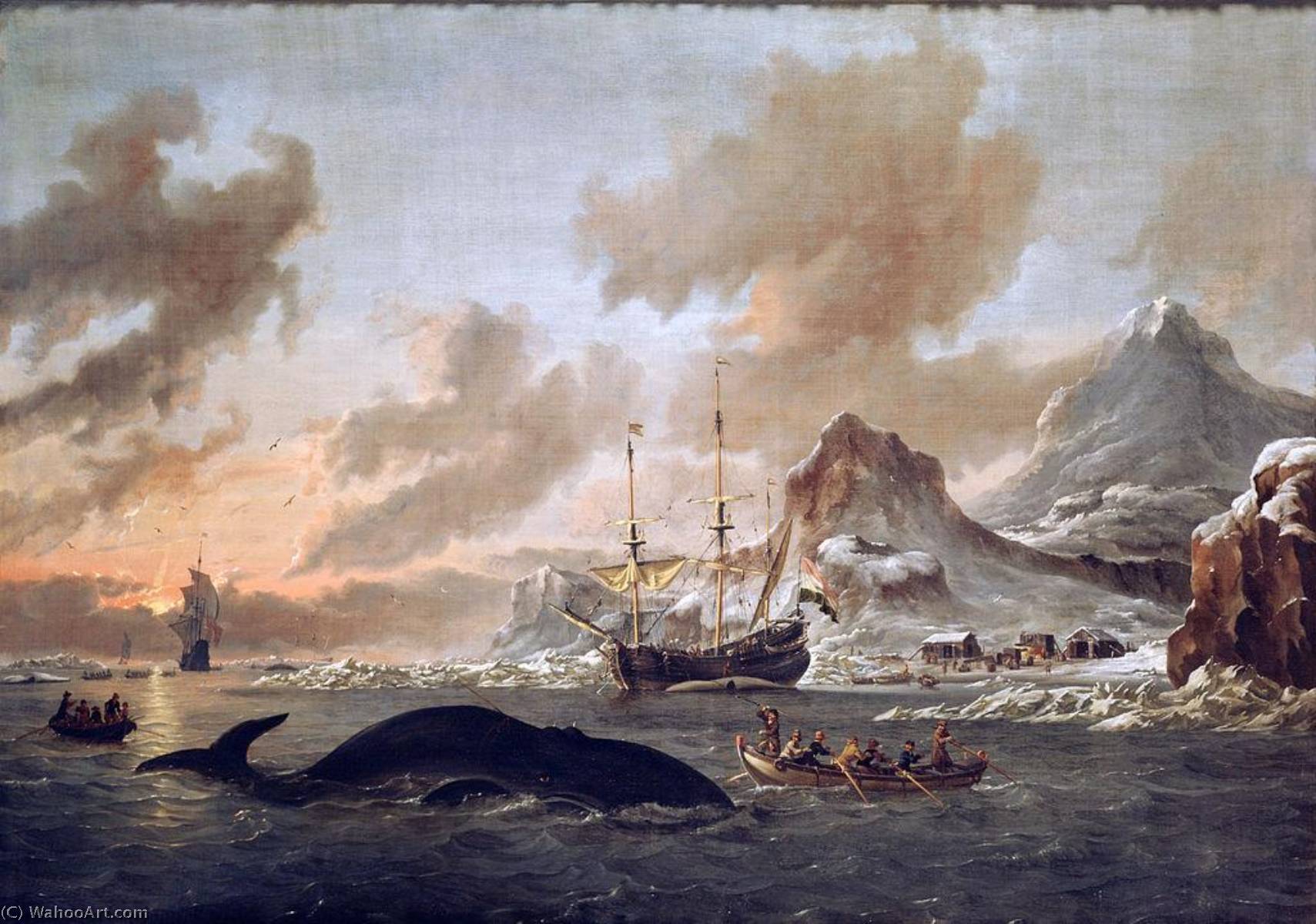
Dutch Whalers near Spitsbergen


 Read More
Purchase a high-resolution, enhanced digital image, far superior to the online preview.
Each file is meticulously prepared by our in-house specialists using advanced tools and expert manual retouching. We ensure every image has exceptional clarity, precise color accuracy, and fine detail.
The final file is delivered via email within 72 hours, optimized for immediate use in professional, editorial, and print environments. This is the same quality trusted by top-tier design studios, publishers, and galleries.
Digital Image
Download a high-resolution file for personal display, printing, and creative projects. ( Buy Print Buy Hand Made Painting)
Included in Every Digital Image Order
Expert Digital Delivery, Guaranteed
When you choose ArtsDot.com, you're not just getting an image - you're receiving a professionally enhanced digital artwork, crafted with precision and backed by a satisfaction guarantee. Here's everything that comes with your order, automatically:

Fast Email Delivery
Your high-resolution digital image file will be emailed to you within 72 hours of ordering - ready for immediate use.

AI-Enhanced Digital File
Your artwork is professionally optimized using advanced AI tools and manual editing, ensuring maximum detail, clarity, and color accuracy.

Free Lifetime Re-Delivery
Accidentally deleted or lost your file? No worries - we'll resend it to you anytime, free of charge.

No Import Fees - Ever
Enjoy your artwork instantly with zero customs, duties, or delivery fees - digital downloads are always tax-free.

Color Accuracy Guarantee
We ensure your digital image reflects the original colors as closely as possible using professional tools and color management.

60-Day Satisfaction Guarantee
If you're not satisfied with your digital image, we'll revise it or refund 100% within 60 days - no questions asked.

100% Money-Back Guarantee
Not satisfied? Get a full refund within 60 days of receiving your digital file - no questions asked.

Bulk Order Discounts
Buy 3 images, save 10% - Buy 5, save 15% - Buy 10+, save 20%. Great for creative projects, galleries, and agencies.
Collectible Description
Dutch Whalers Near Spitsbergen
Abraham Storck’s “Un Prt de Mer,” depicting Dutch whalers navigating the icy waters off Spitsbergen—a breathtaking vista of Arctic exploration and maritime ambition—stands as a testament to the grandeur of the Dutch Golden Age. Painted circa 1690, this monumental canvas captures not merely a scene of seafaring activity but embodies the very ethos of the era: daring enterprise coupled with meticulous observation. Storck’s masterful rendering elevates the commonplace pursuit of whale oil into an emblem of national pride and artistic innovation.- Subject Matter: The painting portrays a flotilla of Dutch whaling vessels bravely confronting the formidable challenges posed by the Arctic environment. Dominating the composition is a colossal whale, rendered with impressive anatomical accuracy—a deliberate nod to scientific curiosity prevalent during Storck’s time. Scattered amongst the ships are figures representing sailors and observers, conveying both the practical realities of whaling expeditions and the spirit of discovery.
- Style & Technique: Storck's style aligns closely with the Baroque tradition, particularly influenced by Caravaggio’s dramatic chiaroscuro – a technique that utilizes stark contrasts between light and dark to heighten emotional impact and create an illusionistic depth. The artist employs meticulous brushwork, layering tonal variations to achieve remarkable realism in depicting the textures of the sea spray, weathered hulls, and icy peaks of Spitsbergen.
- Historical Context: “Un Prt de Mer” emerged during a period of intense maritime expansion for the Dutch Republic. Whaling was not just a lucrative trade but also a symbol of national prestige and technological prowess. Storck’s depiction reflects the fascination with natural history and scientific inquiry that characterized the Golden Age, mirroring the broader cultural preoccupation with mapping and understanding the world around them. The painting commemorates Tsar Peter the Great's visit to Amsterdam in 1697, highlighting the importance of maritime diplomacy and showcasing Dutch artistic achievement on an international stage.
- Symbolism: Beyond its depiction of whaling activity, the artwork carries symbolic weight. The whale itself represents power, majesty, and the untamed wilderness—themes frequently explored in Baroque art. Furthermore, the mountainous backdrop serves as a reminder of humanity’s insignificance against the forces of nature, prompting contemplation on themes of courage, resilience, and the pursuit of knowledge.
- Emotional Impact: Storck succeeds in conveying a palpable sense of drama and excitement. The turbulent sea conditions, illuminated by shafts of sunlight piercing through the overcast sky, evoke feelings of awe and apprehension. The artist’s skillful use of color—primarily blues and whites—creates an immersive experience for the viewer, transporting them to the icy shores of Spitsbergen and immersing them in the perilous yet rewarding world of Dutch whaling.
Related Artworks

Artist Biography
A Mariner’s Vision of Dutch Grandeur
Abraham Storck, born in the vibrant maritime hub of Amsterdam around 1644, stands as a preeminent figure within the illustrious landscape of the Dutch Golden Age. While the archival records of his era leave certain biographical details shrouded in the mists of time, his artistic legacy remains anchored by his exceptional ability to capture the pulse of the sea. Storck’s work serves as a window into an age defined by unprecedented maritime expansion, commerce, and naval supremacy. His canvases do not merely depict ships; they embody the very spirit of the Dutch Republic at its zenith, reflecting a period when the ocean was both a highway for wealth and a theater of intense geopolitical struggle.
The foundations of Storck’s mastery were laid in Haarlem, where he underwent rigorous training under the guidance of Hendrick van Balen I and II. This apprenticeship introduced him to the sophisticated nuances of Mannerism and the dramatic, high-contrast lighting of Caravaggio’s chiaroscuro technique. These early influences were transformative, instilling in him a profound command over composition and tonal manipulation. As his career progressed, Storck moved beyond simple portraiture and genre scenes, gravitating toward the vast, unpredictable horizons of the sea. He developed a unique ability to balance the technical precision required for maritime documentation with an emotive, atmospheric quality that breathed life into every wave and sail.
The Art of Realism and Naval Combat
What truly distinguishes Storck from his contemporaries was his unwavering commitment to realism over idealization. While other painters might have sought to present a sanitized or heroic version of seafaring, Storck embraced the visceral, often gritty realities of naval warfare. His brushwork meticulously rendered the intricate rigging, the weathered textures of wooden hulls, and the strained expressions of crew members caught in the throes of battle. He possessed an uncanny talent for capturing the palpable tension of a storm or the chaotic energy of a broadside exchange, presenting scenes where heroism and destruction existed in a delicate, terrifying balance.
His oeuvre is populated by legendary maritime moments and atmospheric studies that showcase his versatility:
- The Royal Prince and other Vessels at the Four Days Battle: A masterful depiction of one of the most significant naval engagements of the era, showcasing his ability to manage large-scale complexity.
- Walvisvangst in de Poolzee: An evocative exploration of whaling in the Arctic seas, demonstrating his skill in depicting the cold, desolate beauty of northern waters.
- An Incident on a Mock Fight on the River Y: A fascinating historical record that captures a celebratory naval maneuver in honor of Peter the Great, blending spectacle with precise maritime detail.
Legacy and Historical Significance
The significance of Abraham Storck lies in his role as a visual chronicler of the Dutch maritime identity. Through works such as “Un Prt de Mer” (A Portion of Sea), completed in 1688, he demonstrated a breathtaking mastery of perspective and dramatic lighting that continues to captivate viewers centuries later. His ability to convey the sheer scale of naval engagements—capturing both the monumental grandeur of the fleet and the intimate chaos of individual combat—ensured his place among the most respected painters of the seventeenth century.
Ultimately, Storck’s art transcends simple maritime documentation; it is a profound meditation on the triumphs and anxieties of an era. By documenting the movement of ships, the intensity of battles, and the vastness of the oceans, he preserved the heartbeat of the Dutch Golden Age. His work remains a vital testament to a time when the horizon represented both infinite possibility and the daunting unknown, making him an enduring master of the maritime genre.
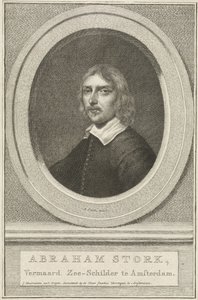
abraham storck (sturckenburch)
1644 - 1708 , Netherlands
Quick Facts
- Artistic Movement Or Style: Maritime Painting
- Artists Who Influenced This Artist:
- Johannes Vermeer
- Rembrandt
- Date Of Birth: Amsterdam, Netherlands (1644)
- Date Of Death: 1708
- Full Name: Abraham Storck
- Nationality: Dutch
- Notable Artworks:
- Un Prt de Mer
- Ships in Torbay
- A Dutch Two Decker
- Place Of Birth: Amsterdam

