

 Preview
 Send
Send Share
Share
 Details

 Download
 Similars
 X-Ray
X-Ray Diaporama
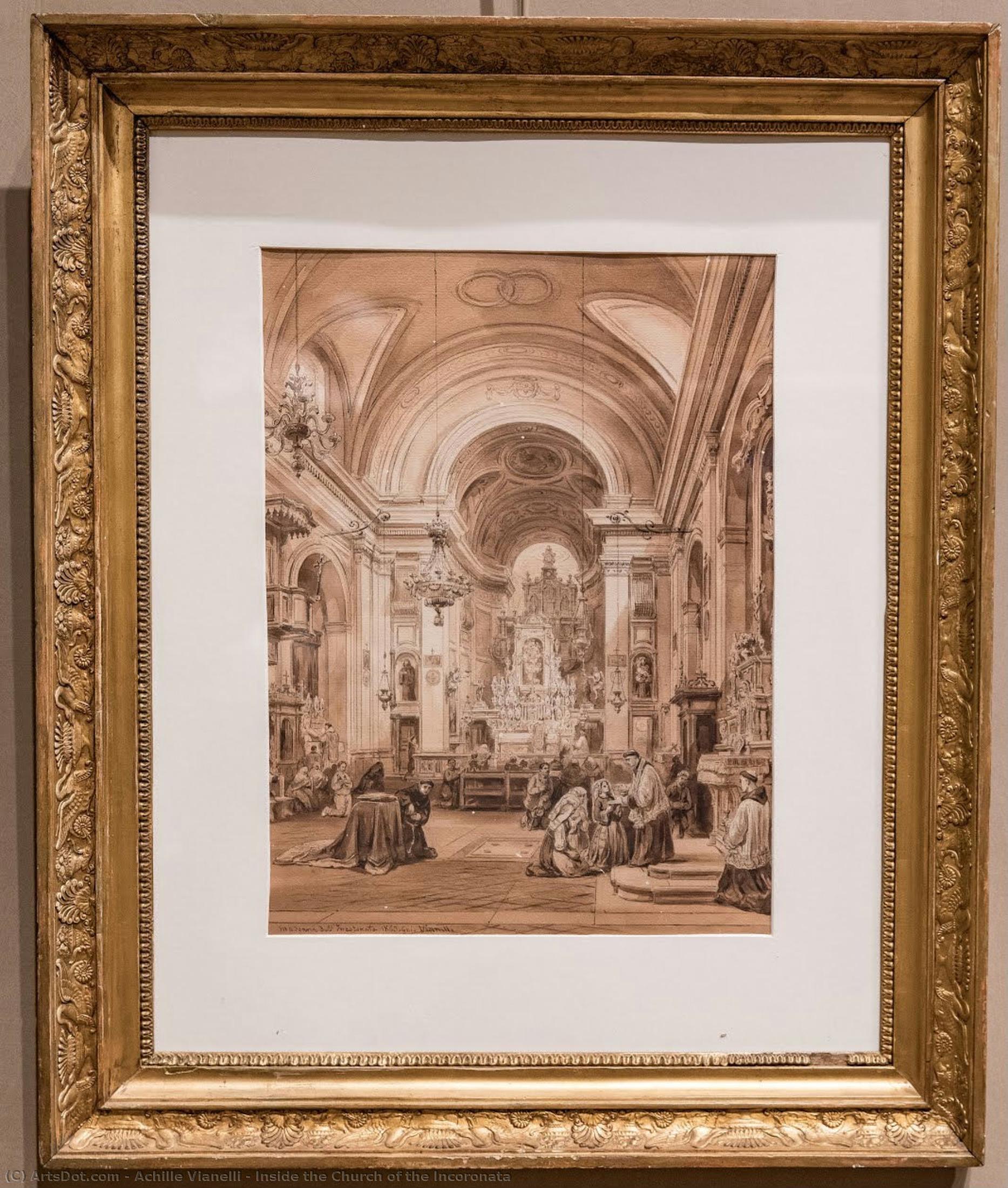
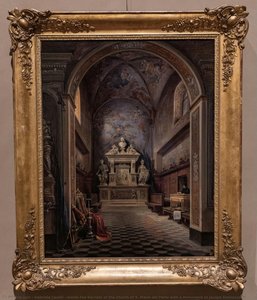
Inside the Church of the Incoronata


 Read More
Purchase a high-resolution, enhanced digital image, far superior to the online preview.
Each file is meticulously prepared by our in-house specialists using advanced tools and expert manual retouching. We ensure every image has exceptional clarity, precise color accuracy, and fine detail.
The final file is delivered via email within 72 hours, optimized for immediate use in professional, editorial, and print environments. This is the same quality trusted by top-tier design studios, publishers, and galleries.
Digital Image
Download a high-resolution file for personal display, printing, and creative projects. ( Buy Print Buy Hand Made Painting)
Included in Every Digital Image Order
Expert Digital Delivery, Guaranteed
When you choose ArtsDot.com, you're not just getting an image - you're receiving a professionally enhanced digital artwork, crafted with precision and backed by a satisfaction guarantee. Here's everything that comes with your order, automatically:

Fast Email Delivery
Your high-resolution digital image file will be emailed to you within 72 hours of ordering - ready for immediate use.

AI-Enhanced Digital File
Your artwork is professionally optimized using advanced AI tools and manual editing, ensuring maximum detail, clarity, and color accuracy.

Free Lifetime Re-Delivery
Accidentally deleted or lost your file? No worries - we'll resend it to you anytime, free of charge.

No Import Fees - Ever
Enjoy your artwork instantly with zero customs, duties, or delivery fees - digital downloads are always tax-free.

Color Accuracy Guarantee
We ensure your digital image reflects the original colors as closely as possible using professional tools and color management.

60-Day Satisfaction Guarantee
If you're not satisfied with your digital image, we'll revise it or refund 100% within 60 days - no questions asked.

100% Money-Back Guarantee
Not satisfied? Get a full refund within 60 days of receiving your digital file - no questions asked.

Bulk Order Discounts
Buy 3 images, save 10% - Buy 5, save 15% - Buy 10+, save 20%. Great for creative projects, galleries, and agencies.
A Sanctuary in Monochrome: Contemplation at the Incoronata
To gaze upon this depiction of the interior of the Church of the Incoronata is to step across a threshold and leave the clamor of the modern world behind. It is an invitation into profound stillness, rendered with the delicate precision of a master draftsman. The scene unfolds in a hushed, almost reverent silence, capturing a moment suspended in time—a gathering of souls united by shared devotion before the solemn altar. The composition itself speaks volumes; its inherent symmetry and balanced grandeur draw the eye deep into the architectural embrace of the space. One senses the cool weight of ancient stone and the echoing resonance of whispered prayers.
The Artistry of Shadow and Light
Technically, this piece offers a fascinating study in tonal mastery. Presented as a photographic reproduction of an original drawing, perhaps executed in charcoal or pen and ink, the artist has achieved depth not through vibrant color, but through the exquisite modulation of black, white, and grey. The diffused lighting is handled with such grace that it seems to emanate from nowhere and everywhere at once, softly illuminating the folds of drapery and the polished surfaces of the altar while allowing deep, contemplative shadows to guard the corners. This monochromatic palette forces the viewer to concentrate purely on form, gesture, and the interplay between light and shadow—a visual meditation in itself.
Historical Echoes and Devotional Depth
Dating from 1863, this work situates itself within a period where religious art continued to serve as both cultural anchor and profound source of spiritual narrative. Achille Vianelli, whose hand guided this vision, was deeply connected to the artistic currents of his time, even if his primary focus lay in landscape. Here, however, he channels that academic skill toward an interior scene steeped in piety. The linear perspective employed is not merely decorative; it is a guiding force, leading the viewer's gaze inexorably toward the sacred focal point—the altar—thereby reinforcing the narrative of pilgrimage and spiritual journey.
Symbolism of Community and Faith
The human element within this grand setting is crucial. The figures are not merely placed; they are gathered, their postures suggesting a shared emotional resonance. They embody the universal themes of faith, humility, and communal worship. The architecture itself—the soaring arches and intricate detailing—serves as a physical manifestation of aspiration, lifting the spirit upward toward the divine. For the collector or designer, this piece offers more than mere decoration; it provides an atmospheric anchor, capable of transforming any space into one imbued with solemnity and enduring grace.
A Reproduction for Modern Reverence
The inclusion of the ornate gold frame in the presentation enhances the artwork's perceived value and historical weight. While the original drawing captures the ephemeral quality of a fleeting moment of prayer, its reproduction allows this powerful atmosphere to permeate a contemporary setting. It is an object that speaks eloquently of enduring human spirit, making it a breathtaking focal point for libraries, formal reception rooms, or any space where one wishes to cultivate a sense of quiet contemplation and timeless beauty.
Related Artworks
Artist Biography
Achille Vianelli (1803-1894): A Painter of Nostalgia
Achille Vianelli, an Italian landscape painter of the Posillipo School, was born in Porto Maurizio, Italy, on December 21st, 1803. His father, Giovan Battista Vianelli, originally from Veneto, had married a Parisian and consequently changed his name to Vianelly or Viennelly and assumed French nationality, becoming Napoleon’s consular agent in Porto Maurizio. Achille kept his new surname and French nationality until after 1938. From Porto Maurizio the family moved to Otranto, where Achille spent his youth. In 1819 he was in Naples, to study painting; but his father and sister returned to France, to reunite with him only in 1826. In Naples Achille became an intimate of Giacinto Gigante, together with whom he studied the landscape taken from life, attending for a few months the school of Wolfgang Hüber - a German painter specialized in shooting topographical of academic taste - he then became a student of Anton Sminck van Pitloo, in whose atelier the Posillipo School originated in 1820, in which Vianelli also participated.- Early Life and Training: Achille’s artistic inclination began early, shaping his formative years in Otranto and Naples. His exposure to the Royal Topographic Office undoubtedly influenced his later work, fostering a meticulous attention to detail and capturing the essence of the Italian landscape with remarkable accuracy.
- The Posillipo School & Artistic Influences: Vianelli’s association with Anton Sminck van Pitloo cemented his place within the influential Posillipo School, characterized by its embrace of plein air painting and a profound connection to observation. Gigante's guidance instilled in him a stylistic approach rooted in realism and imbued with an emotional resonance that would permeate his oeuvre.
- Notable Works: Among Vianelli’s most celebrated paintings are “Viaggio pittorico nel regno delle due sicilie” (1829–1834), a series of lithographs documenting the scenic grandeur of Sicily, and “San Giovanni Battista al pozzo,” which exemplifies his ability to portray everyday life with delicate brushstrokes and evocative color palettes. Furthermore, "Capitano James Smith" showcases Vianelli’s skill in portraiture, capturing not only physical likeness but also psychological depth.
Technique & Style: Watercolor Mastery
- Watercolor Technique: Achille Vianelli perfected a distinctive watercolor technique—characterized by subtle gradations of color and meticulous layering—that became his signature style. This method allowed him to convey atmospheric conditions and textural nuances with unparalleled subtlety, resulting in landscapes imbued with palpable emotion.
- Sepia Monochromes: Particularly noteworthy were his sepia monochrome paintings, which demonstrated a masterful command of tonal range and achieved an ethereal quality that distinguished them from more conventional depictions of the Italian countryside.
Legacy & Recognition
- Family Artistic Heritage: Achille’s son, Alberto Vianelli, continued his father's artistic legacy, establishing himself as a respected landscape painter in Paris and upholding the traditions of the Posillipo School.
- Awards & Honorary Positions: Vianelli received recognition for his contributions to the art world, culminating in an honorary professorship at the Academy of Fine Arts of Naples—a testament to his influence on subsequent generations of artists.
Further Exploration
To delve deeper into Achille Vianelli’s artistic vision and explore his enduring impact on Italian landscape painting, consider visiting “Inside the Church of the Incoronata” by Achille Vianelli (1863). This monochromatic depiction captures the solemn beauty of religious devotion and exemplifies Posillipo School realism.
Additionally, explore Achille Vianelli’s artist profile on ArtsDot.com for biographical details and a comprehensive overview of his artistic output.

achille vianelli
1803 - 1894 , Italy
Quick Facts
- Artistic Movement Or Style: Posillipo School
- Artists Or Movements Influenced By This Artist: ['Wolfgang Hüber']
- Artists Who Influenced This Artist: ['Anton Sminck van Pitloo']
- Date Of Birth: 1803
- Full Name: Achille Vianelli
- Nationality: Italian
- Notable Artworks:
- Viaggio pittorico nel regno delle due sicilie
- San giovanni battista al pozzo
- Capitano james smith
- Place Of Birth: Porto Maurizio, Italy

