 Preview
 Send
Send Share
Share
 Details

 Download
 Similars
 X-Ray
X-Ray Diaporama
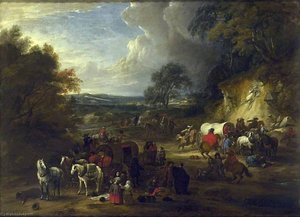
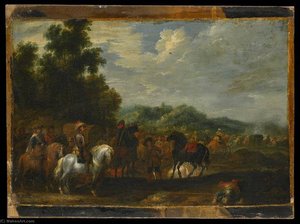
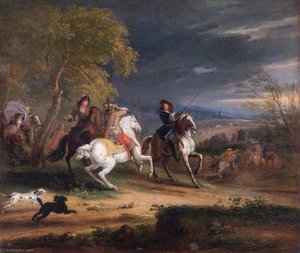
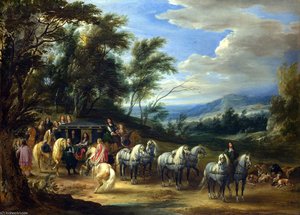
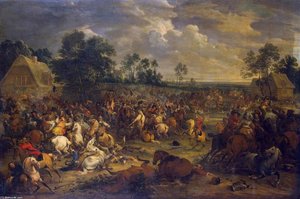
Dutch Battle Scene
 Oil On Canvas
- WallArt
- Baroque
 1690
1690 108.0 x 155.0 cm
 Read More
Hand Made Oil Reproduction
Hand-painted oil on canvas in your size and frame, made to order by our artists. ( Buy Print Buy Image)




P118B $10

P118H $10

P118W $10

P438Z $10

P508JH $12

P508YH $12

P805H $10

P805Z $10

P919BZ $10

P919G $10

P919XJ $10

P959ZH $10

P968JZ $12

W106C $8

W218G $10

W218JH $8

W218Y $10

W307PJ $10

W316G $10

W316PJ $8

W316Y $10

W398PJ $8

W4111J $10

W500HY $15

W500JH $15

W692G $12

W849H $8

W940BG $15

W953PJ $8




Pick from our preset sizes that match the artwork's original proportions.

You may enter your own dimensions to fit a specific frame or space. If your selected size does not match the original image's proportions, we will either crop the artwork or extend the painting with additional hand-painted elements. A digital mockup will be sent for your approval before production begins.
Please note that the on-screen preview does not reflect the actual cropping or extension. Only the mockup will accurately show the final composition.
While custom sizes are available, we recommend selecting a dimension from the predefined list to preserve the original proportions.
After order, ArtsDot.com team will email client for instructions and provide a mockup preview
Worldwide Delivery () in 3/4 weeks instead of standard 5 weeks. (17 August). No compromise on quality.

Free Worldwide Express Shipping

High-Quality Linen Canvas

Full Shipping Insurance

Customs Tax Refund Guarantee

True Color Matching Guarantee

60-Day Return Policy (Defects Only)

100% Money-Back Guarantee

Bulk Discount Offer
 Glass option is only available in size under 110 CM

Dutch Battle Scene
Reproduction Medium
Reproduction Size
-


Total Price
$ 263
Artwork Description
A Symphony of Conflict: Adam Frans van der Meulen’s Dutch Battle Scene
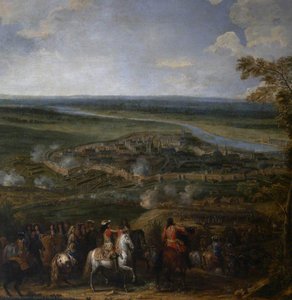
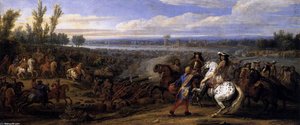
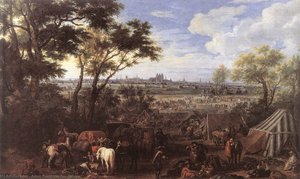
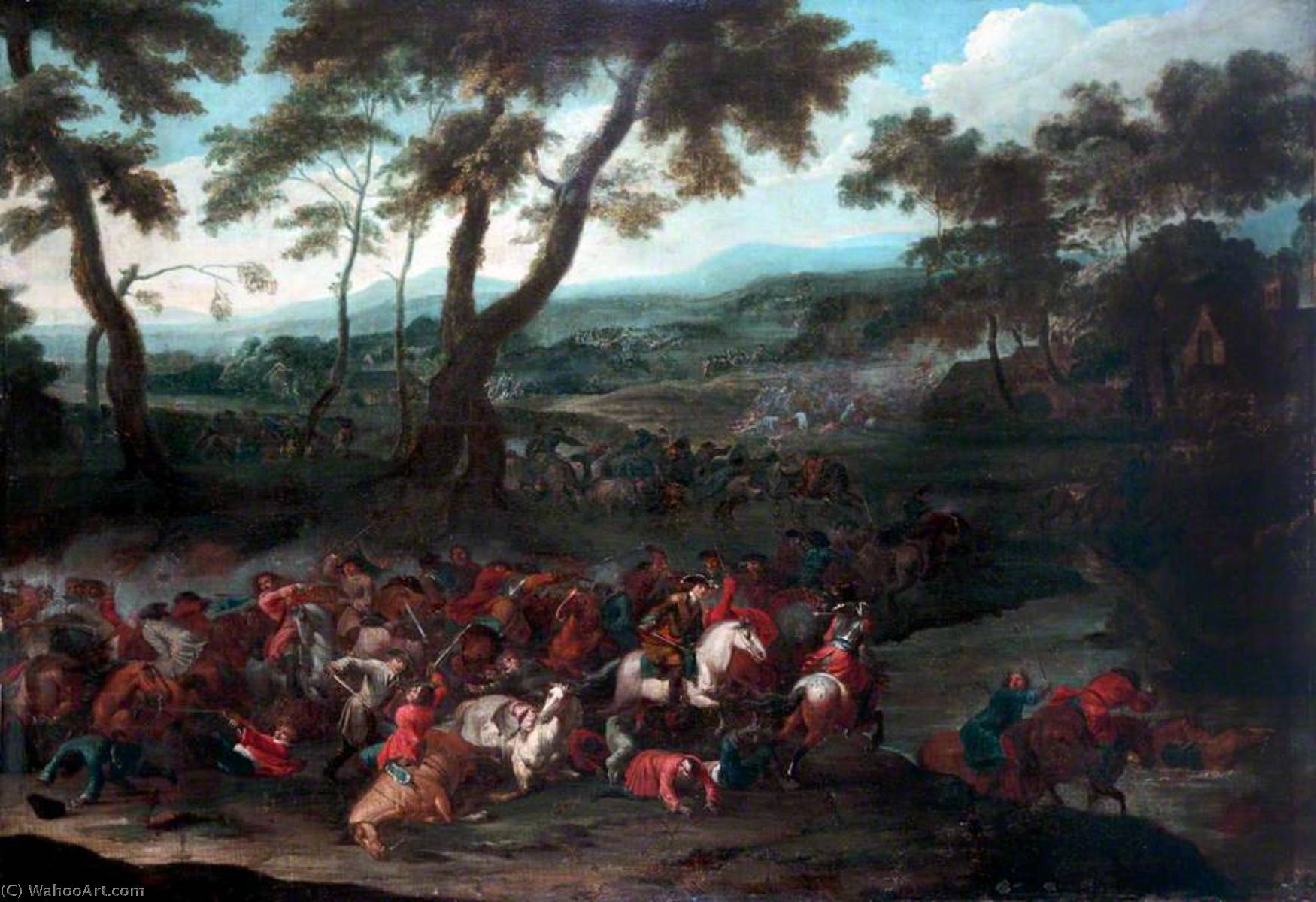
Adam Frans van der Meulen's “Dutch Battle Scene,” completed in 1690, transcends mere depiction; it embodies the very spirit of Baroque art and serves as a cornerstone in understanding Louis XIV’s ambition to establish himself as an unchallenged monarch. Housed at the Victoria Gallery – Museum in Birmingham, England, this monumental oil on canvas offers more than just a visual record of military prowess—it presents a carefully orchestrated tableau designed to inspire awe and reaffirm royal authority.
- Artist’s Background: Born in Brussels in 1632, Van der Meulen honed his craft under the tutelage of Peter Snayers, inheriting a tradition of Flemish painting characterized by meticulous realism and dramatic flair. His subsequent appointment as court painter to Louis XIV propelled him into the epicenter of European artistic innovation.
- Style & Technique: The painting exemplifies Baroque dynamism—a hallmark of the era—through its masterful use of chiaroscuro, employing stark contrasts between light and dark to sculpt figures and heighten emotional intensity. Van der Meulen’s brushstrokes are bold yet controlled, conveying both movement and precision simultaneously.
- Historical Context: “Dutch Battle Scene” emerged during Louis XIV's reign, a period marked by relentless expansionist policies and an unwavering commitment to projecting grandeur across Europe. The artwork reflects the anxieties of the time—the constant threat of invasion demanded decisive action and reinforced the importance of military strength—but also served as propaganda, glorifying Louis XIV’s victories and bolstering his image as divine ruler.
Composition & Color Palette: Orchestrating Visual Drama
The canvas pulsates with energy thanks to its complex composition. A multitude of figures – soldiers, officers, horses—are interwoven into a swirling vortex of conflict. Van der Meulen skillfully arranges these elements to guide the viewer’s eye across the scene, emphasizing key moments of action and creating a sense of immediacy. The color palette is rich and opulent, dominated by deep blues and greens that evoke the atmosphere of battle—the damp earth, the smoke-filled air—while flashes of crimson highlight wounds and bloodshed.
Symbolism & Narrative Depth: Beyond Mere Representation
More than just illustrating a historical event, “Dutch Battle Scene” is laden with symbolic meaning. The horses represent nobility and power, mirroring Louis XIV’s own aspirations for dominance. Swords symbolize courage and martial prowess, underscoring the importance of defense against external threats. The artist's meticulous rendering of armor and weaponry speaks to the sophistication of military technology during the Baroque period.
Emotional Impact: Capturing the Sublime
Ultimately, Van der Meulen succeeds in conveying the sublime—that feeling of awe and terror inspired by confronting something vast and incomprehensible. The painting compels viewers to contemplate mortality and the fragility of human existence amidst the grandeur of warfare. It remains a powerful testament to the artist’s ability to transform visual observation into profound emotional experience.
Related Artworks
Artist Biography
A Life in Service of the 'Sun King'
Adam Frans van der Meulen, a name perhaps less instantly recognizable than some of his Baroque contemporaries, nevertheless occupies a crucial position in the artistic landscape of 17th-century Europe. Born in Brussels in 1632, he rose to prominence not merely as a painter of exceptional skill, but as a key architect of Louis XIV’s carefully cultivated image – the ‘Sun King’. His life was one dedicated to translating military power and regal grandeur onto canvas and, crucially, into the elaborate tapestry cycles that adorned the palaces of France. Van der Meulen wasn't simply recording history; he was actively shaping it, crafting a visual narrative designed to glorify the reign of Louis XIV and cement his legacy for posterity.From Brussels Workshop to Parisian Court
Van der Meulen’s artistic journey began within the traditional framework of a master-apprentice relationship. He entered the workshop of Peter Snayers, an established Antwerp painter specializing in battle scenes, hunting expeditions, and depictions of courtly life – subjects that would profoundly influence his own early work. Mastering the intricacies of portraying cavalry skirmishes and the dynamic energy of military engagements formed the foundation of his artistic skillset. Becoming a master within the Brussels Guild of Saint Luke in 1651 signaled his growing competence, but it was an invitation from Paris in 1664 that irrevocably altered the course of his career. Jean-Baptiste Colbert, Louis XIV’s formidable Superintendent of Buildings, Arts and Manufactures, recognized Van der Meulen's talent for capturing movement and detail, qualities essential for immortalizing the king’s military triumphs. Colbert tasked him with contributing to a series of tapestries – ambitious projects intended as potent symbols of royal authority and national pride. This marked his entry into the orbit of Charles Le Brun, the court painter and director of the newly established Gobelins Manufactory, where Van der Meulen would become an integral part of a team dedicated to visually constructing the myth of Louis XIV.The Art of Propaganda: Tapestries and Military Campaigns
Van der Meulen’s role at the Gobelins was multifaceted. He wasn't merely executing designs; he was actively involved in conceptualizing and realizing complex narrative cycles. The “History of the King” series, depicting Louis XIV’s military conquests, stands as a testament to his skill. He meticulously documented the king’s campaigns – accompanying Louis on expeditions to Flanders and Burgundy, sketching scenes of battles, sieges, and strategic maneuvers. These drawings served as the basis for paintings that were then translated into the intricate designs woven into the tapestries. Collaboration was key; Van der Meulen frequently worked alongside other Flemish artists like Adriaen Frans Boudewijns and Abraham Genoels, who contributed their expertise in landscape design and engraving. The “Maison Royales” series, showcasing the opulent palaces of Louis XIV, further demonstrated his versatility and ability to capture both the grandeur of architecture and the refined elegance of courtly life. His work wasn’t simply about depicting events; it was about constructing a carefully curated image of power, control, and divine right. The annual increases in his wages at the Gobelins reflect not only his artistic skill but also his growing importance to the propagandistic aims of the French monarchy.Style, Influence, and Lasting Legacy
Van der Meulen’s artistic style is characterized by a dynamic energy and meticulous attention to detail. His battle scenes aren't static representations; they convey the chaos, drama, and sheer scale of warfare. He possessed an exceptional ability to portray horses with realism and grace – a skill that earned him considerable acclaim and was highly valued in the context of military painting. However, it’s crucial to remember that his work wasn’t solely about artistic merit. It served a clear propagandistic purpose, glorifying Louis XIV's reign and projecting an image of invincibility. This focus on realism, combined with a deliberate emphasis on spectacle, significantly impacted the development of military painting in France. He established a style that would be emulated by subsequent generations of artists. Beyond his paintings, his designs for tapestries contributed to the flourishing of tapestry production during Louis XIV’s reign, solidifying France's position as a leading center for this luxurious art form. Recognized for his contributions, Van der Meulen received numerous honors – a royal privilege allowing engravings of his works, appointment as “Ordinary Painter to the King” in 1673, and admission to the prestigious Royal Academy of Painting and Sculpture without having to submit a traditional reception piece—a testament to his established reputation. Adam Frans van der Meulen died in Paris in 1690, leaving behind a legacy not just as a skilled artist but as an instrumental figure in shaping the visual narrative of one of Europe’s most powerful monarchs. His detailed depictions of battles, landscapes, and courtly life continue to offer valuable insights into the era and stand as enduring examples of Baroque artistry serving a potent political purpose.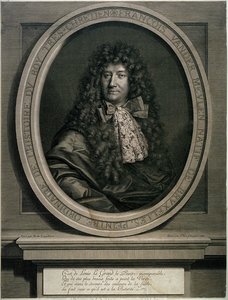
Adam Frans van der Meulen
1632 - 1690 , Belgium
Quick Facts
- Artistic Movement Or Style: Baroque
- Artists Or Movements Influenced By This Artist: ['French military painting']
- Artists Who Influenced This Artist: ['Peter Snayers']
- Date Of Birth: January 11, 1632
- Date Of Death: 1690
- Full Name: Adam Frans van der Meulen
- Nationality: Flemish
- Notable Artworks:
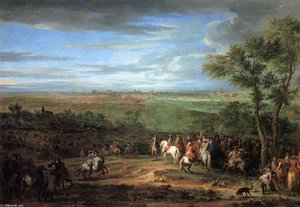
- Louis XIV devant Dole
- Le Siège de Lille
- A Cavalry Engagement
- Place Of Birth: Brussels, Belgium
Related Articles
Van Gogh's Masterpieces: Explore 25 Iconic Paintings & Art for Your Home
Journey through Vincent van Gogh's 25 most iconic paintings! Explore 'Starry Night', 'Sunflowers,' and more—discover the stories, techniques & emotions behind these Post-Impressionist masterpieces. Find museum-quality art reproductions for your home at ArtsDot.com.
Early Netherlandish Masters: 10 Paintings That Revolutionized Art & Decor
Journey into the Early Netherlandish Renaissance! Explore 10 iconic paintings by Jan van Eyck, Rogier van der Weyden & more. Discover stunning detail, symbolism, and oil painting techniques. Find museum-quality art reproductions for your home at ArtsDot.com.
Early Netherlandish Masters: 10 Paintings That Revolutionized Art & Decor
Journey into the world of Early Netherlandish painting! Explore 10 masterpieces by Jan van Eyck, Rogier van der Weyden & more. Discover stunning detail, symbolism & Renaissance art for your home decor. Find museum-quality reproductions on ArtsDot.com
Hugo van der Goes: Devotion, Innovation & the Psychological Depth of Early Netherlandish Painting
Explore the revolutionary art of Hugo van der Goes – a master of Early Netherlandish painting renowned for his dramatic realism, psychological depth & profound influence on Renaissance artists. Discover his iconic works and lasting legacy.

Rembrandt's Masterpieces: Explore 25 Iconic Paintings & Prints | ArtsDot
Journey through Rembrandt van Rijn's 25 most iconic paintings & etchings. Explore Dutch Golden Age masterpieces, dramatic chiaroscuro, and timeless portraits. Find museum-quality art reproductions to elevate your home decor on ArtsDot.com.