

 Preview
 Send
Send Share
Share
 Details

 Download
 Similars
 X-Ray
X-Ray Diaporama
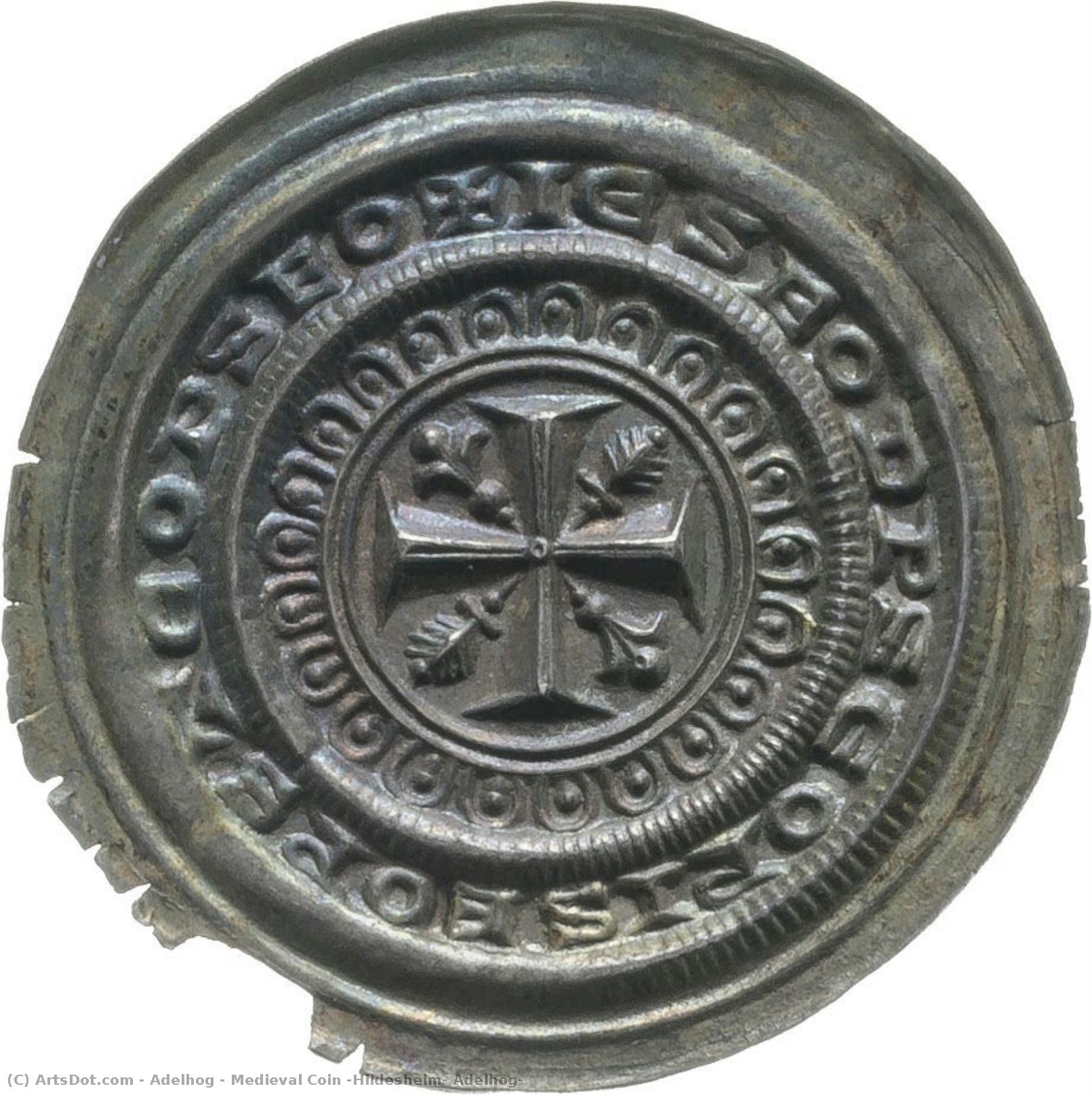
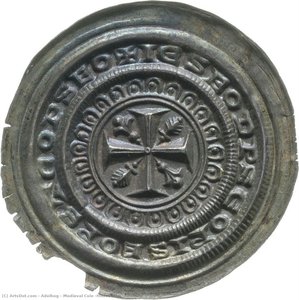
Medieval Coin (Hildesheim: Adelhog)

 Read More
Hand Made Oil Reproduction
Hand-painted oil on canvas in your size and frame, made to order by our artists. ( Buy Print Buy Image)




































Pick from our preset sizes that match the artwork's original proportions.

You may enter your own dimensions to fit a specific frame or space. If your selected size does not match the original image's proportions, we will either crop the artwork or extend the painting with additional hand-painted elements. A digital mockup will be sent for your approval before production begins.
Please note that the on-screen preview does not reflect the actual cropping or extension. Only the mockup will accurately show the final composition.
While custom sizes are available, we recommend selecting a dimension from the predefined list to preserve the original proportions.
After order, ArtsDot.com team will email client for instructions and provide a mockup preview
Worldwide Delivery () in 3/4 weeks instead of standard 5 weeks. (25 August). No compromise on quality.

Free Worldwide Express Shipping

High-Quality Linen Canvas

Full Shipping Insurance

Customs Tax Refund Guarantee

True Color Matching Guarantee

60-Day Return Policy (Defects Only)

100% Money-Back Guarantee

Bulk Discount Offer
 Glass option is only available in size under 110 CM

Medieval Coin (Hildesheim: Adelhog)
Reproduction Medium
Reproduction Size
-


Total Price
$ 263
Related Artworks






Artist Biography
A Bishop's Legacy: The Artistry of Adelhog
In the quiet, hallowed annals of twelfth-century Germany, few figures cast a shadow as subtle yet enduring as Bishop Adelhog. Though his life was brief, spanning from 1170 to 1190, his influence resonated far beyond the pulpit of Hildesheim. Born into a city steeped in deep ecclesiastical tradition, Adelhog ascended to the episcopacy in 1171, inheriting a role that demanded much more than spiritual stewardship. He was a man of vision who understood that the visual language of power and faith could be etched into the very currency of his people. Through his patronage and oversight of the minting process, he transformed simple silver into a medium for theological storytelling, cementing his place as a vital architect of medieval visual culture.
The formative years of Adelhog’s life suggest a journey shaped by the broader intellectual and artistic currents of Europe. While much of his early education remains shrouded in the mists of time, historical records point toward his training at the Toulouse Cathedral in France. This exposure to the sophisticated artistic practices of the French ecclesiastical centers undoubtedly refined his sensibilities. It was likely within these grand, ornate spaces that he first encountered the intricate iconography that would later define his own legacy. This international perspective allowed him to bring a sense of continental elegance back to the German territories, bridging the gap between local tradition and the burgeoning artistic movements of the high Middle Ages.
Symbolism and the Silver Medium
The most tangible remnant of Adelhog’s reign is the Hildesheim: Adelhog coin, a masterpiece of medieval numismatic art. This silver piece serves as more than mere economic tender; it is a profound symbolic manifesto. At its heart lies a stylized, crutch-type cross, an emblem that speaks to the steadfastness of faith and a total reliance on divine providence. The design is not merely geometric but organic, surrounded by meticulously rendered floral motifs—most notably the lily. In the medieval lexicon, the lily was a potent signifier of purity, resurrection, and the grace of the Virgin Mary, mirroring the theological triumphs of Christ’s ascension.
The artistry found within this small silver disc reveals a deep commitment to elevating the prestige of Hildesheim. By integrating these sacred symbols into the daily commerce of his diocese, Adelhog ensured that the themes of spiritual renewal and divine protection were literally held in the hands of his subjects. The interplay between the rigid structure of the cross and the delicate, flowing stalks of the lilies creates a visual harmony that reflects the medieval ideal of order emerging from grace. This careful curation of imagery suggests that Adelhog viewed the mint as an extension of his spiritual mission, using art to bolster both the economic prosperity and the religious devotion of his people.
Historical Significance and Artistic Impact
While direct records of specific artistic commissions under Adelhog’s hand are rare, his historical significance lies in the atmosphere of innovation he helped cultivate. His reign acted as a catalyst for a period of heightened artistic awareness within the Hildesheim diocese. By championing a design language that blended local piety with sophisticated European motifs, he laid the groundwork for a visual identity that would endure long after his passing in 1190.
The legacy of Adelhog can be summarized through several key contributions to the medieval landscape:
- Integration of Iconography: He successfully merged religious symbolism, such as the lily and the cross, with functional objects like coinage.
- Cultural Connectivity: Through his education in Toulouse, he acted as a conduit for French artistic influences within the German ecclesiastical tradition.
- Patronage of Visual Identity: His oversight of the minting process helped establish a cohesive visual brand for the Hildesheim diocese, emphasizing themes of purity and strength.
Ultimately, Adelhog remains a fascinating figure of the twelfth century—a leader who understood that the most lasting legacies are often those that are beautifully crafted and widely circulated. His work reminds us that even in the smallest of mediums, art can carry the weight of an entire civilization's faith and aspirations.
adelhog
1170 - 1190 , Germany
Quick Facts
- Artistic Movement Or Style: Medieval Art
- Date Of Birth: 1170
- Full Name: adelhog
- Nationality: German
- Notable Artworks: ['Hildesheim: Adelhog']
- Place Of Birth: Hildesheim, Germany

