 Preview
 Send
Send Share
Share
 Details

 Download
 Similars
 X-Ray
X-Ray Diaporama
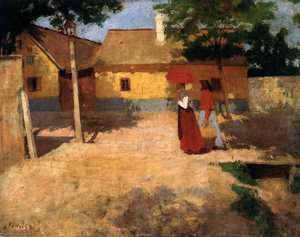
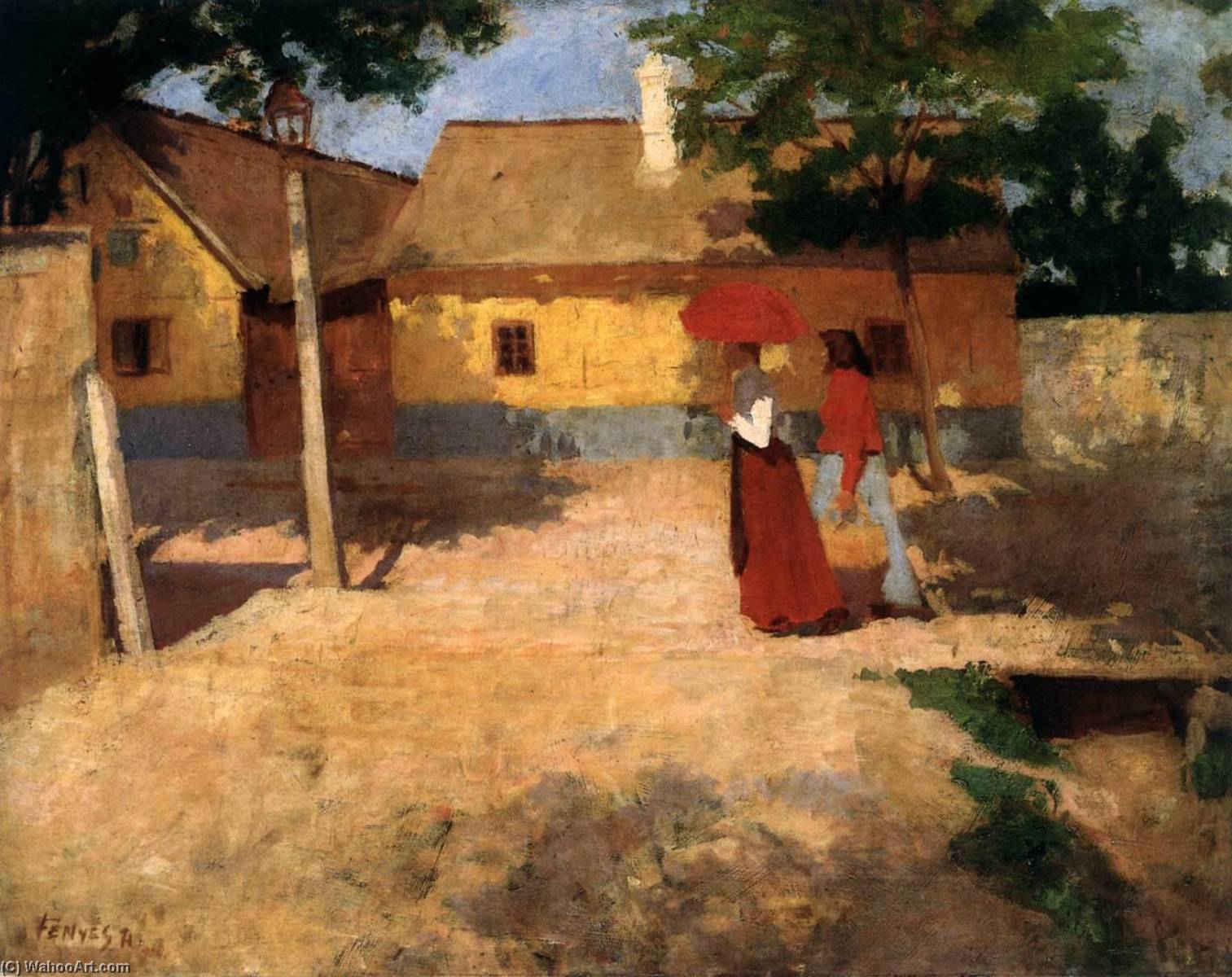
Forenoon in a Provincial Town
 Impressionism
 1904
1904 70.0 x 90.0 cm
 Read More
Hand Made Oil Reproduction
Hand-painted oil on canvas in your size and frame, made to order by our artists. ( Buy Print Buy Image)




































Pick from our preset sizes that match the artwork's original proportions.

You may enter your own dimensions to fit a specific frame or space. If your selected size does not match the original image's proportions, we will either crop the artwork or extend the painting with additional hand-painted elements. A digital mockup will be sent for your approval before production begins.
Please note that the on-screen preview does not reflect the actual cropping or extension. Only the mockup will accurately show the final composition.
While custom sizes are available, we recommend selecting a dimension from the predefined list to preserve the original proportions.
After order, ArtsDot.com team will email client for instructions and provide a mockup preview
Worldwide Delivery () in 3/4 weeks instead of standard 5 weeks. (24 August). No compromise on quality.

Free Worldwide Express Shipping

High-Quality Linen Canvas

Full Shipping Insurance

Customs Tax Refund Guarantee

True Color Matching Guarantee

60-Day Return Policy (Defects Only)

100% Money-Back Guarantee

Bulk Discount Offer
 Glass option is only available in size under 110 CM

Forenoon in a Provincial Town
Reproduction Medium
Reproduction Size
-


Total Price
$ 288
Related Artworks

Artist Biography
The Soul of the Hungarian Landscape: The Life and Legacy of Adolf Fényes
Adolf Fényes, born Fischmann in 1867, was a painter whose brush captured the profound quietude and the underlying struggles of the human condition. His journey began in Kecskemét, but his artistic spirit was forged in the great art capitals of Europe. After an initial pursuit of law, Fényes surrendered to his true calling, seeking mastery through the prestigious Royal Drawing School under Bertalan Székely and János Greguss. This foundational training was later enriched by the cosmopolitan air of Weimar and the rigorous academic atmosphere of Paris, where he studied under the legendary William-Adolphe Bouguereau at the Académie Julian. These diverse influences—ranging from German precision to French academic excellence—would eventually coalesce into a style that was uniquely his own: a delicate balance between post-impressionistic light and a deep, social realism.
The heart of Fényes’s artistic identity beat most strongly within the Szolnok Art Colony. Established in 1906, this collective became a sanctuary for artists dedicated to portraying the authentic pulse of Hungarian life. It was here that Fényues moved away from purely academic subjects toward the poignant realities of the peasantry and the humble dignity of the poor. His work often serves as a window into a vanishing world, where the weight of poverty is met with an unflinching yet compassionate gaze. Through his celebrated cycle, The Life of a Poor Man, he transformed the mundane struggles of rural existence into high art, utilizing muted palettes and meticulous detail to evoke a sense of shared humanity and spiritual depth.
Technique, Symbolism, and the Weight of History
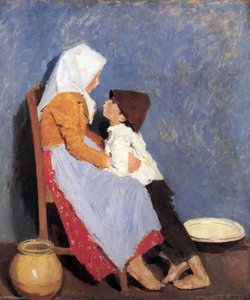
Fényes’s technical evolution is a testament to his sensitivity to light and emotion. While his early inclinations leaned toward the Symbolist movement—drawing inspiration from the haunting depths of Edvard Munch and the ethereal visions of Gustave Moreau—his mature work embraced a more grounded, evocative realism. He possessed a remarkable ability to manipulate subtle tonal variations, using expressive brushstrokes to breathe life into still lifes and landscapes alike. In works such as Forenoon in a Provincial Town, one can sense the warmth of the sun filtering through the atmosphere, while in Brother and Sister, the emotional intimacy of familial bonds is rendered with a tender, almost tactile precision.
Beyond the aesthetic, Fényes’s life was inextricably linked to the turbulent tides of Hungarian history. His later years were marked by both professional distinction and immense personal hardship. During the brief Hungarian Soviet Republic, he played a role in the artistic administration, but it was the dark era of the Arrow Cross Party that brought his greatest trial. Forced into the Budapest Ghetto during the Siege, Fényes endured the unimaginable horrors of war and deprivation. His death in 1945, whether from the physical toll of hunger or the aftermath of a stroke, remains a somber coda to a life spent documenting the resilience of the human spirit. Today, he is remembered not merely as a painter of landscapes and still lifes, but as a chronicler of the Hungarian soul, whose canvases continue to resonate with a timeless, melancholic beauty.
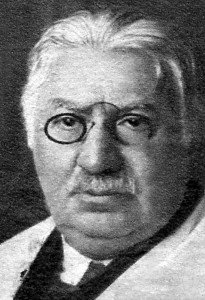
adolf fényes
1867 - 1945
Quick Facts
- Artistic Movement Or Style: Post-Impressionism
- Artists Or Movements Influenced By This Artist: ['Szolnok Art Colony']
- Artists Who Influenced This Artist:
- Georges Seurat
- Paul Cézanne
- Date Of Death: 1945
- Full Name: Adolf Fényes
- Nationality: Hungarian
- Notable Artworks:
- Brother and Sister
- Forenoon in a Provincial Town
- Place Of Birth: Budapest, Hungary
Related Articles

The Enduring Legacy of Oil on Canvas: Technique, History & Aesthetic Impact
Explore the rich history & techniques of oil painting – from Renaissance masters to Impressionism. Discover pigments, layering methods, and why this timeless medium endures. Expert insights for artists & art enthusiasts.

Oil on Canvas: A Historical & Technical Exploration of a Timeless Artistic Medium
Explore the rich history & enduring techniques of oil painting on canvas. Discover the science behind its longevity, conservation practices, and contemporary relevance. Expert insights for art enthusiasts.

The Enduring Legacy of Oil on Canvas: Technique, History & Contemporary Practice
Explore the rich history & enduring techniques of oil painting on canvas. Discover the science behind its longevity, conservation practices, and contemporary relevance. Expert insights for art enthusiasts.
Oil on Canvas Masters: 10 Paintings That Redefined Art History |
Journey through art history with our guide to 10 legendary oil on canvas masterpieces! Explore iconic works by Van Gogh, Monet & Rembrandt. Find museum-quality reproductions and elevate your home decor at . Discover all masterpieces online.
Sir Alfred Munnings' Masterpieces: 25 Paintings That Define Equine Art | ArtsDot
Explore 25 iconic Sir Alfred Munnings paintings! Discover the beauty of British Impressionism, equine art & rural England. Find museum-quality reproductions and elevate your home decor with ArtsDot. Explore the full collection online.