

 Preview
 Send
Send Share
Share
 Details

 Download
 Similars
 X-Ray
X-Ray Diaporama
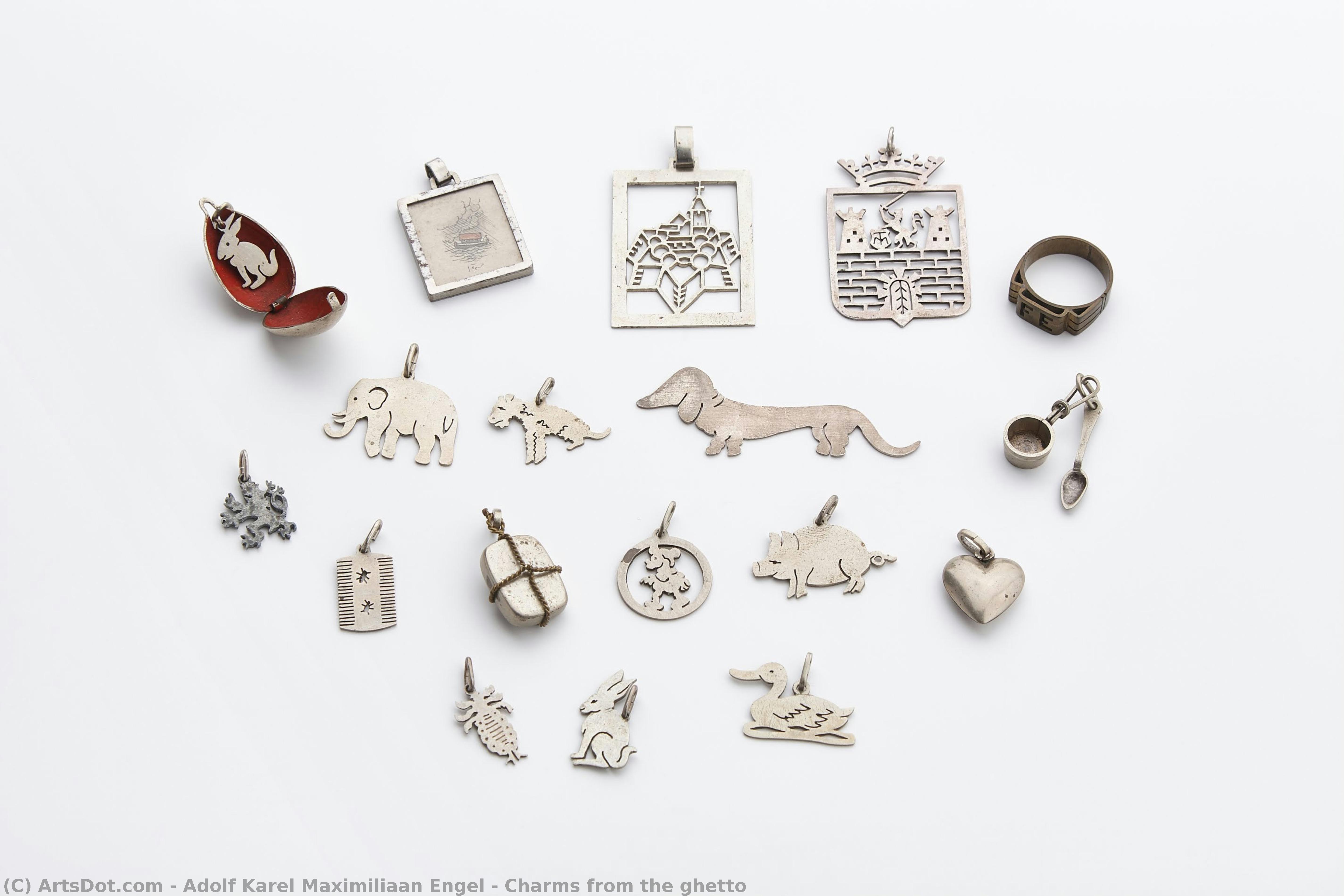
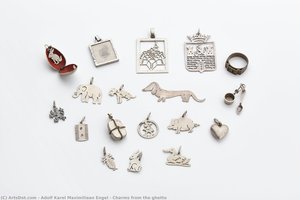
Charms from the ghetto


 Read More
Giclée / Art Print
Museum-quality giclée or canvas print with fast production and flexible finish options. ( Buy Hand Made Painting Buy Image)




































Pick from our preset sizes that match the artwork's original proportions.

You may enter your own dimensions to fit a specific frame or space. If your selected size does not match the original image's proportions, we will either crop the artwork or extend the image with a mirrored or solid-fill edge. A digital mockup will be sent for your approval before production begins.
Please note that the on-screen preview does not reflect the actual cropping or extension. Only the mockup will accurately show the final composition.
While custom sizes are available, we recommend selecting a dimension from the predefined list to preserve the original proportions.
Worldwide Delivery () in 2 weeks instead of standard 4/5 weeks. (7 September)

Free Worldwide Express Shipping

High-Quality Linen Canvas

Full Shipping Insurance

Customs Tax Refund Guarantee

True Color Matching Guarantee

100-Day Return Policy (Defects Only)

100% Money-Back Guarantee

Bulk Discount Offer
 Glass option is only available in size under 110 CM

Charms from the ghetto
Giclée / Art Print
Reproduction Size
-


Total Price
$ 63
Related Artworks

Artist Biography
The Melancholic Vision of Adolf Karel Maximillian Engel
Adolf Karel Maximillian Engel emerged from the artistic milieu of Brussels during a period marked by profound social and political upheaval—the twilight years of the Southern Netherlands before its unification with Prussia in 1830. Though his life was tragically curtailed, Engel’s contribution to Belgian art history remains significant, primarily recognized for his evocative depictions of landscapes imbued with subtle psychological depth and poignant observations on societal realities. He was not merely capturing scenery; he wrestled with the anxieties inherent in his era, translating them into canvases that resonate with a haunting, melancholic beauty.
Engel’s artistic journey began in the heart of Brussels, where he sought formal training under the guidance of Jean-Baptiste Oudry, a celebrated Flemish landscape painter and a champion of the Romantic movement. From Oudry, Engel inherited a rigorous dedication to meticulous observation and a profound appreciation for tonal harmonies. These technical foundations would become the hallmarks of his distinctive style, allowing him to move beyond simple representation toward a more emotive form of expression. This influence is most palpable in his explorations of the rural landscapes surrounding Brussels and Ghent, where he utilized darker palettes and atmospheric perspectives to convey not just the physical terrain, but the emotional weight of the environment.
Romanticism and the Sublime
The oeuvre of Engel, comprising approximately thirty paintings predominantly executed in oil on canvas, serves as a window into the burgeoning Romantic sensibility of the early 19th century. His work is characterized by an emphasis on emotion, imagination, and the concept of the sublime. Rather than seeking the idealized or the picturesque, Engel often turned his gaze toward more somber and introspective subjects:
- Misty Marshes: Landscapes that blur the line between earth and sky, evoking a sense of uncertainty and transition.
- Brooding Forests: Dense, shadowed woodlands that suggest the untamed and mysterious aspects of nature.
- Solitary Figures: Small, often isolated human presences that contemplate the vastness and indifference of the natural world.
Through these recurring motifs, Engel explored existential questions, using the landscape as a metaphor for the human condition. His ability to weave together the physical reality of the Belgian countryside with deep-seated psychological tension allowed his work to transcend mere stylistic imitation. He possessed a unique sensitivity to human experience and a profound engagement with the moral and social dilemmas of his time.
Legacy and Historical Significance
While Engel's career was brief, his impact on the trajectory of Belgian landscape painting is undeniable. He stood at a pivotal moment in history, capturing the transition from classical traditions to the more turbulent, emotional landscapes of the Romantic era. His work remains a testament to the power of art to reflect the internal struggles of an age. By prioritizing atmospheric truth over aesthetic perfection, Engel paved the way for future generations of artists to use the natural world as a canvas for the soul's most complex reflections.
adolf karel maximiliaan engel
1801 - 1833 , Belgium
Quick Facts
- Artistic Movement Or Style: Early 20th Century Landscapes
- Date Of Birth: 1801
- Full Name: Adolf Karel Maximillian Engel
- Nationality: Belgian
- Notable Artworks: ['Charms from the ghetto']
- Place Of Birth: Brussels, Belgium