 Preview
 Send
Send Share
Share
 Details

 Download
 Similars
 X-Ray
X-Ray Diaporama
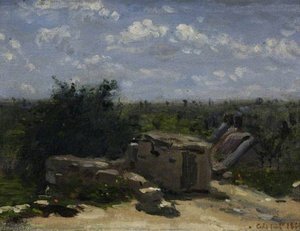
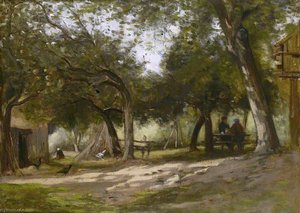
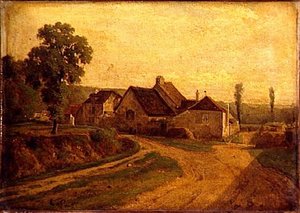
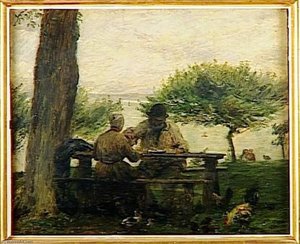
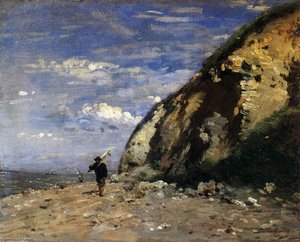
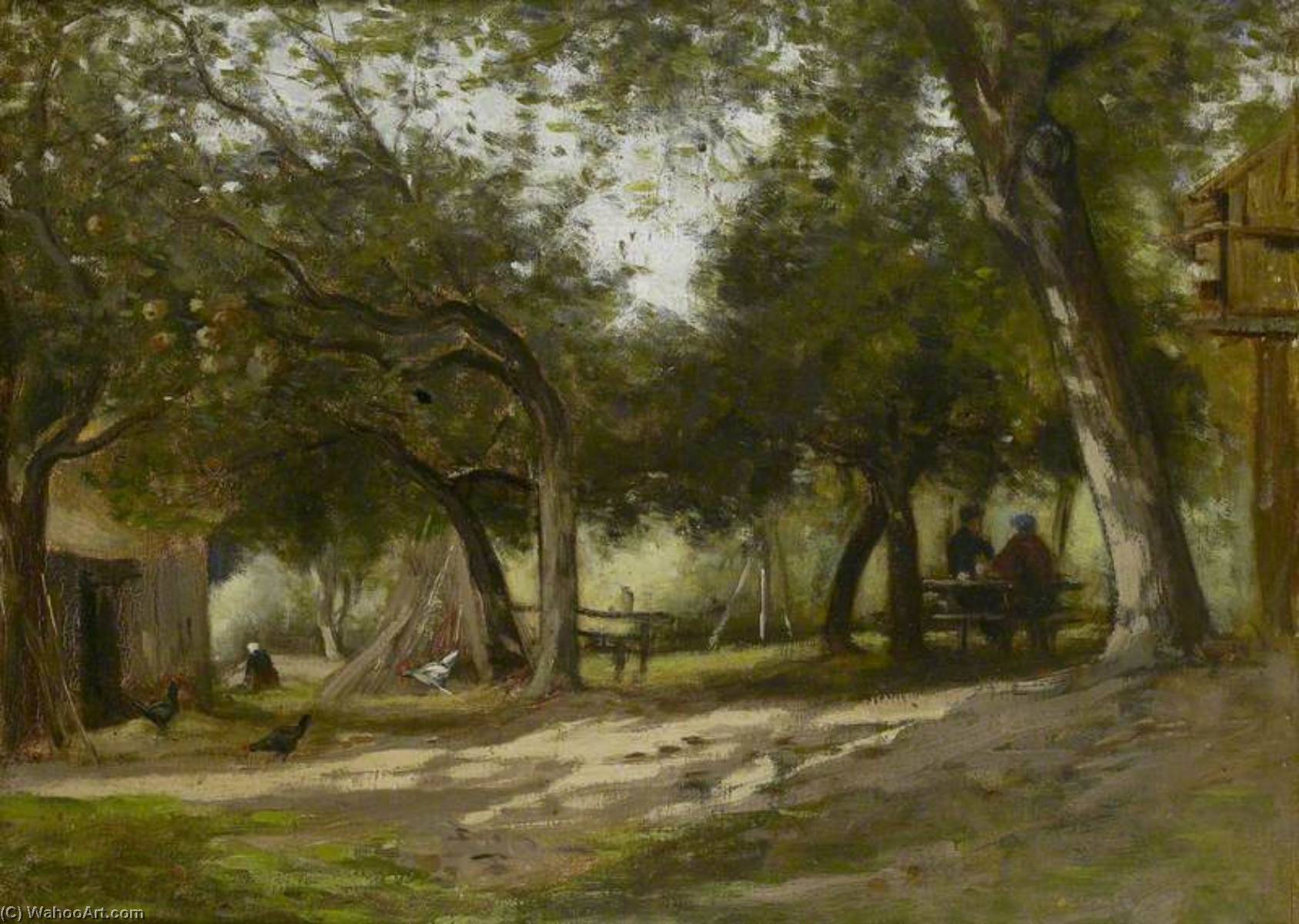
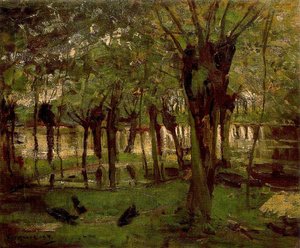
Landscape with a Farmyard
 25.0 x 33.0 cm
 The Ashmolean Museum of Art And Archaeology
 Read More
Hand Made Oil Reproduction
Hand-painted oil on canvas in your size and frame, made to order by our artists. ( Buy Print Buy Image)




































Pick from our preset sizes that match the artwork's original proportions.

You may enter your own dimensions to fit a specific frame or space. If your selected size does not match the original image's proportions, we will either crop the artwork or extend the painting with additional hand-painted elements. A digital mockup will be sent for your approval before production begins.
Please note that the on-screen preview does not reflect the actual cropping or extension. Only the mockup will accurately show the final composition.
While custom sizes are available, we recommend selecting a dimension from the predefined list to preserve the original proportions.
After order, ArtsDot.com team will email client for instructions and provide a mockup preview
Worldwide Delivery () in 3/4 weeks instead of standard 5 weeks. (20 August). No compromise on quality.

Free Worldwide Express Shipping

High-Quality Linen Canvas

Full Shipping Insurance

Customs Tax Refund Guarantee

True Color Matching Guarantee

60-Day Return Policy (Defects Only)

100% Money-Back Guarantee

Bulk Discount Offer
 Glass option is only available in size under 110 CM

Landscape with a Farmyard
Reproduction Medium
Reproduction Size
-


Total Price
$ 288
Related Artworks
Artist Biography
Constant Troyon: Bridging Porcelain and Pastoral
August 28, 1810, in Sèvres, France, marked the birth of Constant Troyon – a painter whose journey began far from the grand salons of Paris, amidst the meticulous world of porcelain decoration. His early life was steeped in the traditions of his father’s workshop, a seemingly restrictive environment that nonetheless honed his eye for detail and precision. Yet, beneath this veneer of craftsmanship lay a restless spirit, a yearning to capture the fleeting beauty of the natural world. It wasn't until he reached twenty-one that Troyon truly embraced his artistic destiny, embarking on a nomadic existence as a landscape painter, fueled by wanderlust and the necessity of earning a living. This early period, characterized by sketches and watercolors, laid the groundwork for his later mastery – a synthesis of technical skill with an increasingly profound understanding of light, color, and atmosphere. His initial travels exposed him to diverse artistic influences, but it was the Barbizon school, centered around Paris, that would fundamentally shape his approach to painting.The Barbizon Influence and Early Landscapes
The Barbizon school represented a deliberate rejection of the academic traditions dominating the Parisian art world. Artists like Rousseau, Dupré, and Troyon sought inspiration directly from nature, eschewing studio work in favor of *en plein air* painting – working outdoors to capture the immediacy of the landscape. Troyon’s early landscapes, produced between 1840 and 1847, reflect this influence, displaying a sincerity and freshness that resonated with contemporary audiences. While technically proficient, these works often lacked the distinctive character that would later define his oeuvre. However, a pivotal encounter in 1846 – a visit to the Hague and a profound study of Paulus Potter’s “Young Bull” – proved transformative. Potter's masterful depiction of animal anatomy and behavior ignited within Troyon a new passion: painting animals with an unprecedented level of realism and emotional depth. This experience, coupled with his admiration for the works of Cuyp and Rembrandt, spurred him to develop a unique style characterized by dramatic lighting, rich textures, and a palpable sense of movement.Mastering Animal Painting and International Recognition
Following Potter’s influence, Troyon rapidly evolved as an animal painter, achieving remarkable success in both Britain and America. His paintings weren't merely representations of animals; they conveyed their personalities, instincts, and the subtle nuances of their interactions with the environment. He meticulously observed his subjects – cattle, horses, sheep – capturing not just their physical appearance but also their moods and behaviors. This dedication to realism was further enhanced by his ability to render textures with astonishing accuracy, from the rough hide of a bull to the soft wool of a lamb. His work gained international acclaim, finding favor in prestigious collections across Europe and the United States. Critics lauded his technical skill, emotional sensitivity, and his ability to evoke a sense of connection between the viewer and the animal subjects. The art critic Albert Wolff famously described Troyon’s later works as “masterpieces,” recognizing their profound artistic merit and enduring appeal.A Shift Towards Pastoral Scenes and Later Works
As Troyon matured, his subject matter broadened beyond purely animalistic scenes. He increasingly explored pastoral landscapes – depictions of rural life, featuring shepherds, farm animals, and the serene beauty of the countryside. These later works demonstrate a shift in focus from the dynamic energy of animal painting to a more contemplative and evocative approach to landscape. While some critics initially dismissed these paintings as less ambitious than his earlier work, they reveal a deepening of Troyon’s artistic vision – a subtle understanding of light, color, and composition that elevates them to a level of quiet beauty. His final works, produced in the years leading up to his death in 1865, are characterized by a remarkable serenity and a profound appreciation for the simple pleasures of rural life. They represent a culmination of his artistic journey – a testament to a lifetime dedicated to capturing the essence of nature on canvas.Legacy and Historical Significance
Constant Troyon’s legacy extends beyond his individual paintings. He played a crucial role in the development of the Barbizon school, demonstrating the value of *en plein air* painting and inspiring subsequent generations of artists. His meticulous observation of nature, combined with his technical skill and emotional sensitivity, established him as one of the most important animal painters of his era. Troyon’s work continues to be admired for its realism, beauty, and profound connection to the natural world. He stands as a bridge between the rigid traditions of academic art and the more expressive approach of the Barbizon school, embodying a spirit of artistic exploration and a deep appreciation for the enduring power of nature. His paintings offer a valuable glimpse into 19th-century rural life and provide a lasting testament to the artist’s remarkable talent and dedication.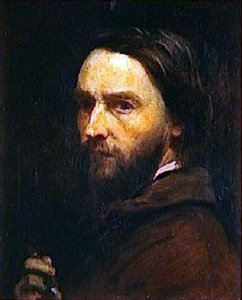
adolphe félix cals
1810 - 1880
Quick Facts
- Artistic Movement Or Style: Barbizon School
- Artists Or Movements Influenced By This Artist:
- Camille Roqueplan
- Jules Dupré
- Artists Who Influenced This Artist:
- Paulus Potter
- Aelbert Cuyp
- Rembrandt
- Date Of Birth: August 28, 1810
- Date Of Death: February 21, 1865
- Full Name: Constant Troyon
- Nationality: French
- Notable Artworks:
- Young Bull
- The Raft of the Medusa
- Place Of Birth: Sèvres, France