 Preview
 Send
Send Share
Share
 Details

 Download
 Similars
 X-Ray
X-Ray Diaporama
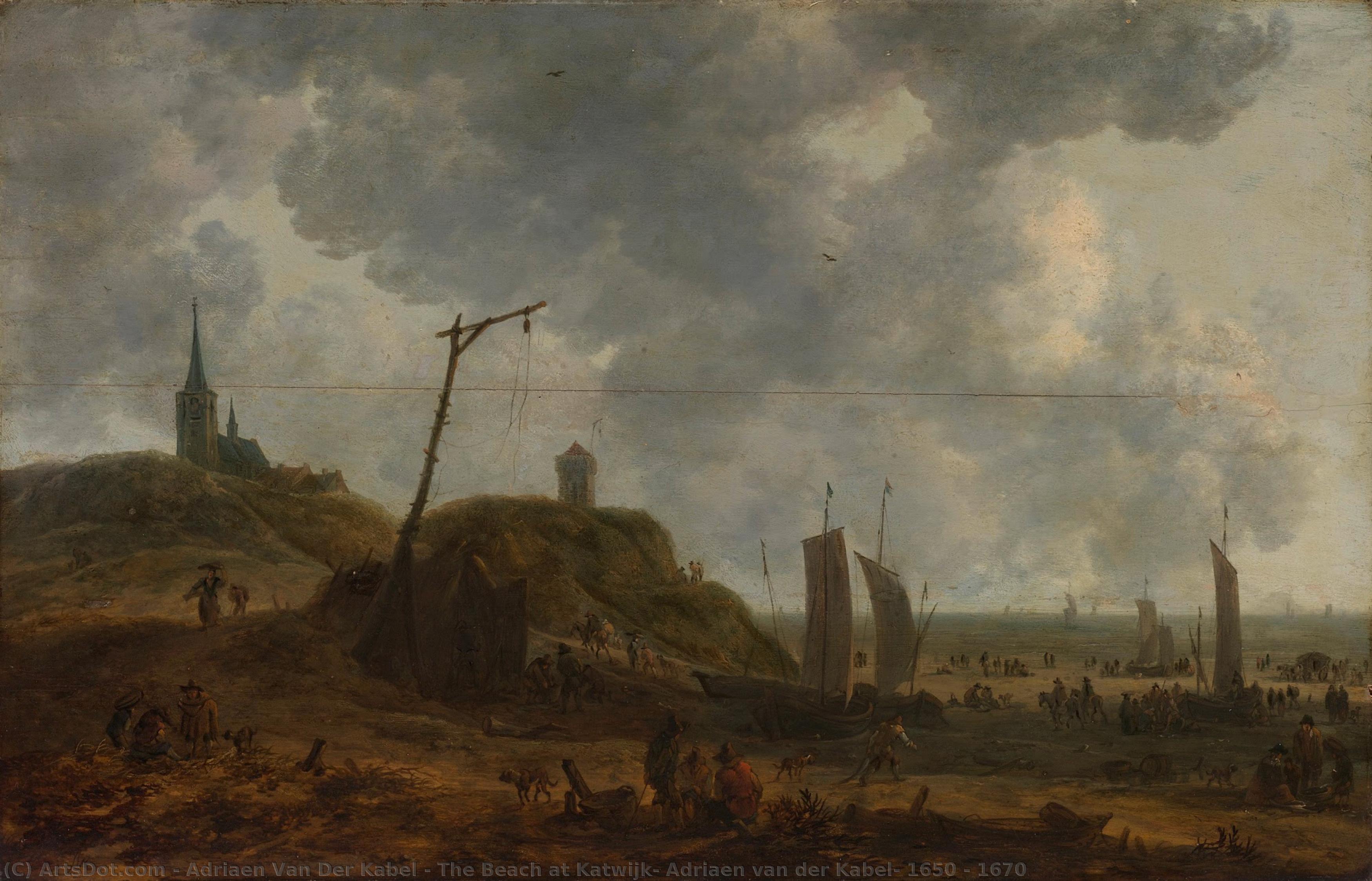
The Beach at Katwijk, Adriaen van der Kabel, 1650 - 1670
 1670
1670 47.0 x 74.0 cm
 Read More
Purchase a high-resolution, enhanced digital image, far superior to the online preview.
Each file is meticulously prepared by our in-house specialists using advanced tools and expert manual retouching. We ensure every image has exceptional clarity, precise color accuracy, and fine detail.
The final file is delivered via email within 72 hours, optimized for immediate use in professional, editorial, and print environments. This is the same quality trusted by top-tier design studios, publishers, and galleries.
Digital Image
Download a high-resolution file for personal display, printing, and creative projects. ( Buy Print Buy Hand Made Painting)
Included in Every Digital Image Order
Expert Digital Delivery, Guaranteed
When you choose ArtsDot.com, you're not just getting an image - you're receiving a professionally enhanced digital artwork, crafted with precision and backed by a satisfaction guarantee. Here's everything that comes with your order, automatically:

Fast Email Delivery
Your high-resolution digital image file will be emailed to you within 72 hours of ordering - ready for immediate use.

AI-Enhanced Digital File
Your artwork is professionally optimized using advanced AI tools and manual editing, ensuring maximum detail, clarity, and color accuracy.

Free Lifetime Re-Delivery
Accidentally deleted or lost your file? No worries - we'll resend it to you anytime, free of charge.

No Import Fees - Ever
Enjoy your artwork instantly with zero customs, duties, or delivery fees - digital downloads are always tax-free.

Color Accuracy Guarantee
We ensure your digital image reflects the original colors as closely as possible using professional tools and color management.

60-Day Satisfaction Guarantee
If you're not satisfied with your digital image, we'll revise it or refund 100% within 60 days - no questions asked.

100% Money-Back Guarantee
Not satisfied? Get a full refund within 60 days of receiving your digital file - no questions asked.

Bulk Order Discounts
Buy 3 images, save 10% - Buy 5, save 15% - Buy 10+, save 20%. Great for creative projects, galleries, and agencies.
Collectible Description
Related Artworks





Artist Biography
The Quiet Mastery of Adriaen van der Kabel
Adriaen van der Kabel remains a somewhat enigmatic figure in the landscape of 17th-century Dutch painting, yet his contributions to still life – particularly his depictions of kitchen and pantry scenes – are undeniably significant. Born in The Hague (date currently unknown), Van der Kabel flourished during the Golden Age, a period renowned for its unprecedented artistic blossoming fueled by burgeoning trade, scientific inquiry, and a newfound appreciation for everyday life. Unlike many artists who documented grand historical narratives or portraits of the wealthy elite, Van der Kabel chose to focus on the humble beauty found within domestic interiors, elevating commonplace objects to subjects worthy of meticulous observation and skilled representation. His long life (still living) suggests a sustained career, though detailed biographical information remains scarce, adding an intriguing layer of mystery to his oeuvre.A World Within Walls: Van der Kabel’s Artistic Focus
Van der Kabel dedicated himself almost exclusively to the *pronkstillevens*, or ‘ostentatious still lifes,’ a genre that emerged in the Dutch Republic as a reflection of increasing prosperity and refined taste. These were not merely records of food items; they were carefully constructed arrangements designed to showcase wealth, skill, and often, subtle moralizing messages. His paintings typically feature lavish displays of fruits, cheeses, breads, pewterware, glassware, and other culinary delights arranged on tables draped with rich textiles. The artist’s strength lies in his ability to render textures with astonishing realism – the sheen of polished silver, the velvety skin of peaches, the crumbly crust of a loaf of bread are all depicted with painstaking accuracy. He wasn't interested in dramatic compositions or dynamic action; instead, he cultivated an atmosphere of quiet contemplation and understated elegance.Influences and Artistic Development
While pinpointing specific artistic mentors proves challenging due to the limited documentation surrounding Van der Kabel’s early life, scholars generally place him within the orbit of painters like Willem Claesz Heda and Pieter Claesz, pioneers of the *breakfast still life* tradition. Like these masters, Van der Kabel demonstrates a keen understanding of light and shadow, employing a restrained palette dominated by browns, ochres, and grays to create a sense of depth and volume. However, he gradually developed his own distinctive style, characterized by a slightly warmer tonality and a greater emphasis on the interplay between different materials. His work distinguishes itself through an exceptional clarity of form and a remarkable attention to detail, surpassing some contemporaries in the sheer tactile quality of his representations. It’s believed that Van der Kabel may have been influenced by the emerging scientific interest in optics and perspective, which informed his precise rendering of spatial relationships within his compositions.Symbolism Subtly Woven
The Dutch *pronkstillevens* were rarely devoid of meaning beyond their aesthetic appeal. While not as overtly symbolic as some other still life painters, Van der Kabel’s works often contain subtle allusions to themes of abundance, temperance, and the fleeting nature of earthly pleasures. A half-peeled lemon might represent decay or bitterness, while a fly perched on a piece of fruit could symbolize mortality. These symbols were not intended as explicit moral lessons but rather as gentle reminders of life’s transience. The inclusion of expensive imported goods also served to highlight the wealth and status of the patron commissioning the work.Legacy and Historical Significance
Adriaen van der Kabel's enduring legacy lies in his masterful execution of a highly specialized genre. He wasn’t striving for innovation or dramatic effect; instead, he perfected a style that celebrated the beauty of everyday life with unparalleled skill and sensitivity.- His paintings offer a fascinating glimpse into the material culture of 17th-century Holland.
- They demonstrate the growing importance of still life as an independent artistic category during the Golden Age.
- Van der Kabel’s work continues to be admired for its technical brilliance and quiet elegance, appealing to collectors and art enthusiasts alike.