 Preview
 Send
Send Share
Share
 Details

 Download
 Similars
 X-Ray
X-Ray Diaporama
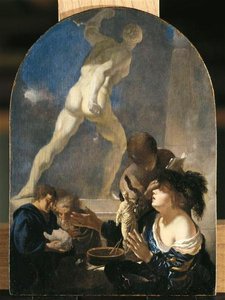
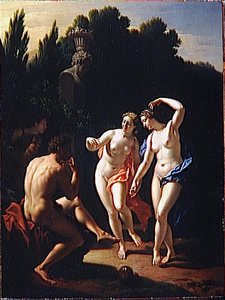
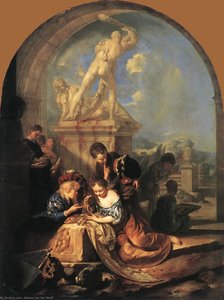
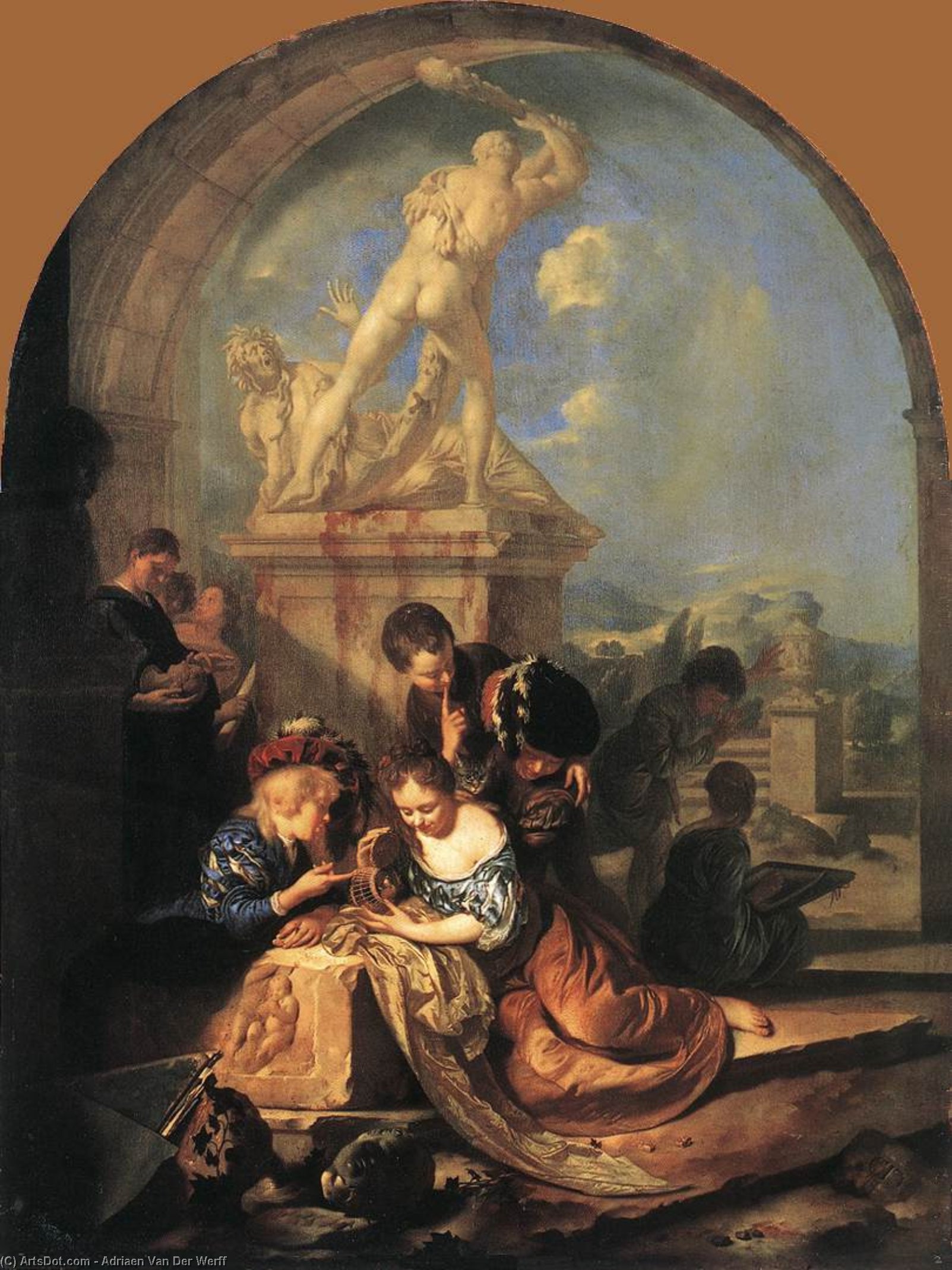
Children Playing before a Hercules Group
 Oil On Canvas
- WallArt
- Baroque
 1687
1687 46.0 x 35.0 cm
 Alte Pinakothek
 Read More
Hand Made Oil Reproduction
Hand-painted oil on canvas in your size and frame, made to order by our artists. ( Buy Print Buy Image)




P118B $10

P118H $10

P118W $10

P438Z $10

P508JH $12

P508YH $12

P805H $10

P805Z $10

P919BZ $10

P919G $10

P919XJ $10

P959ZH $10

P968JZ $12

W106C $8

W218G $10

W218JH $8

W218Y $10

W307PJ $10

W316G $10

W316PJ $8

W316Y $10

W398PJ $8

W4111J $10

W500HY $15

W500JH $15

W692G $12

W849H $8

W940BG $15

W953PJ $8




Pick from our preset sizes that match the artwork's original proportions.

You may enter your own dimensions to fit a specific frame or space. If your selected size does not match the original image's proportions, we will either crop the artwork or extend the painting with additional hand-painted elements. A digital mockup will be sent for your approval before production begins.
Please note that the on-screen preview does not reflect the actual cropping or extension. Only the mockup will accurately show the final composition.
While custom sizes are available, we recommend selecting a dimension from the predefined list to preserve the original proportions.
After order, ArtsDot.com team will email client for instructions and provide a mockup preview
Worldwide Delivery () in 3/4 weeks instead of standard 5 weeks. (17 August). No compromise on quality.

Free Worldwide Express Shipping

High-Quality Linen Canvas

Full Shipping Insurance

Customs Tax Refund Guarantee

True Color Matching Guarantee

60-Day Return Policy (Defects Only)

100% Money-Back Guarantee

Bulk Discount Offer
 Glass option is only available in size under 110 CM

Children Playing before a Hercules Group
Reproduction Medium
Reproduction Size
-


Total Price
$ 263
Artwork Description
Children Playing Before a Hercules Group by Adriaen van der Werff
Adriaen van der Werff’s “Children Playing Before a Statue of Hercules,” painted in 1687, stands as an exquisite testament to Dutch Baroque artistry—a scene brimming with serene beauty and subtle psychological depth. Executed on panel measuring 46.8 x 35 cm, this artwork resides within the Alte Pinakothek museum in Munich, offering visitors a privileged glimpse into a pivotal moment of European artistic expression. The painting depicts a woman seated calmly upon the ground, surrounded by her children who engage in playful activities before a monumental statue of Hercules—a figure embodying strength and divine authority—creating an arresting juxtaposition between human vulnerability and heroic grandeur. Van der Werff’s meticulous attention to detail is immediately apparent; every brushstroke contributes to a palpable sense of realism, capturing the textures of fabric, skin, and stone with remarkable precision. The artist skillfully employs chiaroscuro – dramatic contrasts between light and shadow – to sculpt the figures and statue alike, enhancing their dimensionality and conveying an emotional resonance that transcends mere visual representation. More than just a portrait, “Children Playing Before a Statue of Hercules” speaks volumes about the era’s preoccupation with moral virtue and familial piety. The woman's gaze fixed upon the Hercules statue suggests contemplation—perhaps pondering themes of heroism, duty, and the role of fatherhood in shaping character. Simultaneously, the children’s unrestrained joy embodies innocence and vitality, representing a harmonious balance between earthly pleasures and spiritual aspiration. This duality is skillfully rendered through Van der Werff’s masterful use of color palettes – muted tones dominate, fostering an atmosphere of tranquility—further emphasizing the painting's contemplative mood. The statue itself serves as a powerful symbol—a reminder of classical ideals of nobility and virtue—and its presence underscores the importance of moral fortitude in achieving fulfillment. Hercules represents not merely physical prowess but also courage, perseverance, and overcoming adversity—qualities valued throughout Baroque society. Van der Werff’s depiction elevates this mythological narrative into a profound meditation on human experience, inviting viewers to consider questions of faith, family, and the enduring legacy of heroic figures. Further research indicates that Adriaen van der Werff was deeply influenced by his brother Pieter, who shared his artistic vision and established a celebrated studio in Rotterdam. The collaborative spirit fostered within this environment undoubtedly contributed to the creation of masterpieces like “Children Playing Before a Statue of Hercules.” Moreover, scholarly analyses confirm that Van der Werff’s technique—characterized by painstaking layering of glazes and meticulous blending—represents a pinnacle of Baroque painting craftsmanship. This remarkable artwork continues to inspire admiration for its artistic excellence and its enduring capacity to evoke contemplation about the human condition.- Artist: Adriaen van der Werff
- Year: 1687
- Location: Alte Pinakothek, Munich
- Medium: Oil on Panel
- Style: Dutch Baroque
Additional Resources
For a deeper understanding of Adriaen van der Werff and his artistic legacy, explore these valuable resources:
- Pinakothek Museum Website: Web Gallery of Art - Children Playing Before a Statue of Hercules
- Wikimedia Commons - File:Werff, Adriaen van der - Children Playing before a Statue of Hercules
Licensing Information
This artwork is freely available for reproduction under CC ZERO 1.0 license.
Related Artworks
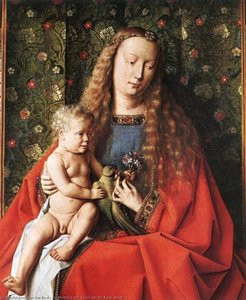
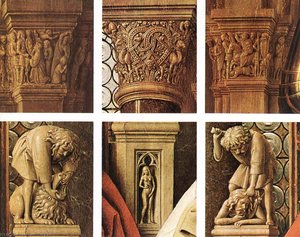
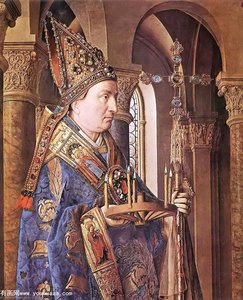
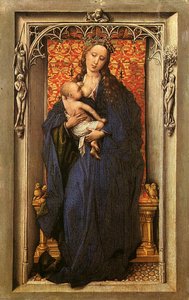
Artist Biography
The Master of Meticulous Grace: The Life of Adriaen van der Werff
In the grand tapestry of the Dutch Golden Age, few threads shine with as much polished brilliance as the work of Adriaen van der Werff. Born in The Hague in 1659, Van der Werff emerged from a lineage of artistic talent, the son of a painter, which provided him with an early and intimate introduction to the nuances of light and form. His formative years were shaped by the rigorous tutelage of Eglon van der Neer, a master of costume and drapery whose influence is still visible in the exquisite, silken textures that define Van der Werff’s later compositions. This early training instilled in him a devotion to precision, transforming his brush into an instrument capable of capturing the most delicate transitions of skin and fabric.
As his career progressed, Van der Werff moved beyond mere technical proficiency to achieve a level of psychological depth that captivated the European aristocracy. Alongside his brother and pupil, Pieter van der Werff, he established a formidable studio in Rotterdam. His ascent within the artistic community was marked by his leadership of the Saint Luke Guild, a position of immense prestige that allowed him to command the attention of the most influential patrons of the era. His work became a bridge between the rugged realism of earlier Dutch masters and the refined, elegant sensibilities of the burgeoning Rococo movement.
A Symphony of Light and Myth
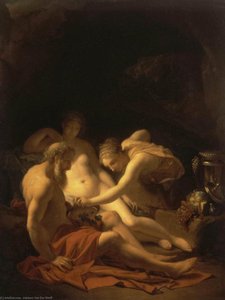
The true magic of Van der Werff’s oeuvre lies in his ability to breathe life into the mythological and biblical narratives of antiquity. He did not merely illustrate stories; he staged them with a dramatic intensity that utilized chiaroscuro to evoke profound emotion. In works such as 'Lot and his Daughters', one can witness the masterful interplay of shadow and light, where every flicker of candlelight serves to heighten the tension and symbolic weight of the scene. His canvases often serve as windows into a world of classical elegance, where the human form is rendered with a porcelain-like perfection that feels both ethereal and tangibly present.
His technical repertoire was remarkably diverse, allowing him to navigate between different modes of portraiture and narrative painting:
- Mythological Grandeur: His depictions of gods and heroes often utilized monumental compositions to convey power and grace.
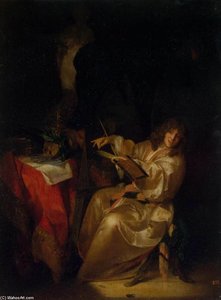
- Intimate Portraiture: In works like his 'Self-Portrait', he demonstrated an unflinching honesty, capturing the confidence and character of the subject through meticulous detail.
- Genre and Groupings: Pieces such as 'Children Playing before a Hercules Group' showcase his ability to blend domestic tenderness with the imposing presence of classical sculpture, creating a layered narrative of innocence meeting antiquity.
Legacy and Historical Significance
The reach of Adriaen van der Werff extended far beyond the borders of the Netherlands. His reputation as a "fine painter" earned him the patronage of the highest echelons of European royalty, including Johann Wilhelm, the Elector Palatine, and the illustrious Anna Maria Luisa de' Medici. The commission of monumental works for the Florentine court stands as a testament to his status as an international figure of the Baroque era. His ability to satisfy the sophisticated tastes of the Medici family solidified his legacy as an artist who could marry Northern precision with Southern elegance.
Ultimately, Van der Werff’s significance lies in his role as a transitional figure. He took the foundational elements of Dutch realism—the obsession with texture, light, and truth—and elevated them into a refined, courtly language that would influence the trajectory of 18th-century art. Though the era of the great Dutch Masters would eventually give way to new movements, the luminous, polished world created by Van der Werff remains an enduring monument to the heights of Baroque artistry.
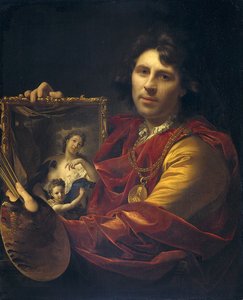
Adriaen van der Werff
1659 - 1722 , Netherlands
Quick Facts
- Artistic Movement Or Style: Baroque
- Artists Or Movements Influenced By This Artist: ['Dutch Masters']
- Artists Who Influenced This Artist: ['Eglon van der Neer']
- Date Of Birth: The Hague, Netherlands (1659)
- Date Of Death: 1722
- Full Name: Adriaen van der Werff
- Nationality: Dutch
- Notable Artworks:
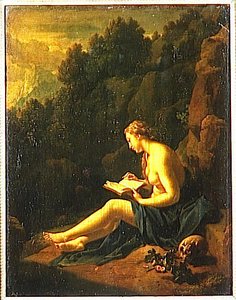
- SAINTE MADELEINE MEDITANT DANS LA SOLITUDE
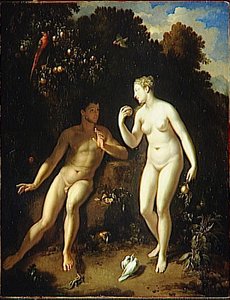
- ADAM ET EVE
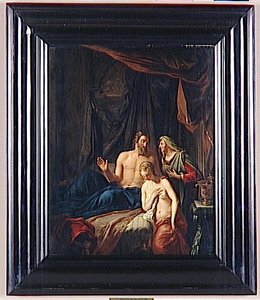
- SARAH PRESENTE AGAR A ABRAHAM
- Place Of Birth: The Hague
Related Articles
Van Gogh's Masterpieces: Explore 25 Iconic Paintings & Art for Your Home
Journey through Vincent van Gogh's 25 most iconic paintings! Explore 'Starry Night', 'Sunflowers,' and more—discover the stories, techniques & emotions behind these Post-Impressionist masterpieces. Find museum-quality art reproductions for your home at ArtsDot.com.
Early Netherlandish Masters: 10 Paintings That Revolutionized Art & Decor
Journey into the Early Netherlandish Renaissance! Explore 10 iconic paintings by Jan van Eyck, Rogier van der Weyden & more. Discover stunning detail, symbolism, and oil painting techniques. Find museum-quality art reproductions for your home at ArtsDot.com.
Hugo van der Goes: Devotion, Innovation & the Psychological Depth of Early Netherlandish Painting
Explore the revolutionary art of Hugo van der Goes – a master of Early Netherlandish painting renowned for his dramatic realism, psychological depth & profound influence on Renaissance artists. Discover his iconic works and lasting legacy.

Rembrandt's Masterpieces: Explore 25 Iconic Paintings & Prints | ArtsDot
Journey through Rembrandt van Rijn's 25 most iconic paintings & etchings. Explore Dutch Golden Age masterpieces, dramatic chiaroscuro, and timeless portraits. Find museum-quality art reproductions to elevate your home decor on ArtsDot.com.

Early Netherlandish Masters: 10 Paintings That Revolutionized Art & Decor
Journey into the world of Early Netherlandish painting! Explore 10 masterpieces by Jan van Eyck, Rogier van der Weyden & more. Discover stunning detail, symbolism & Renaissance art for your home decor. Find museum-quality reproductions on ArtsDot.com