 Preview
 Send
Send Share
Share
 Details

 Download
 Similars
 X-Ray
X-Ray Diaporama
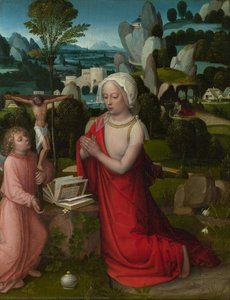
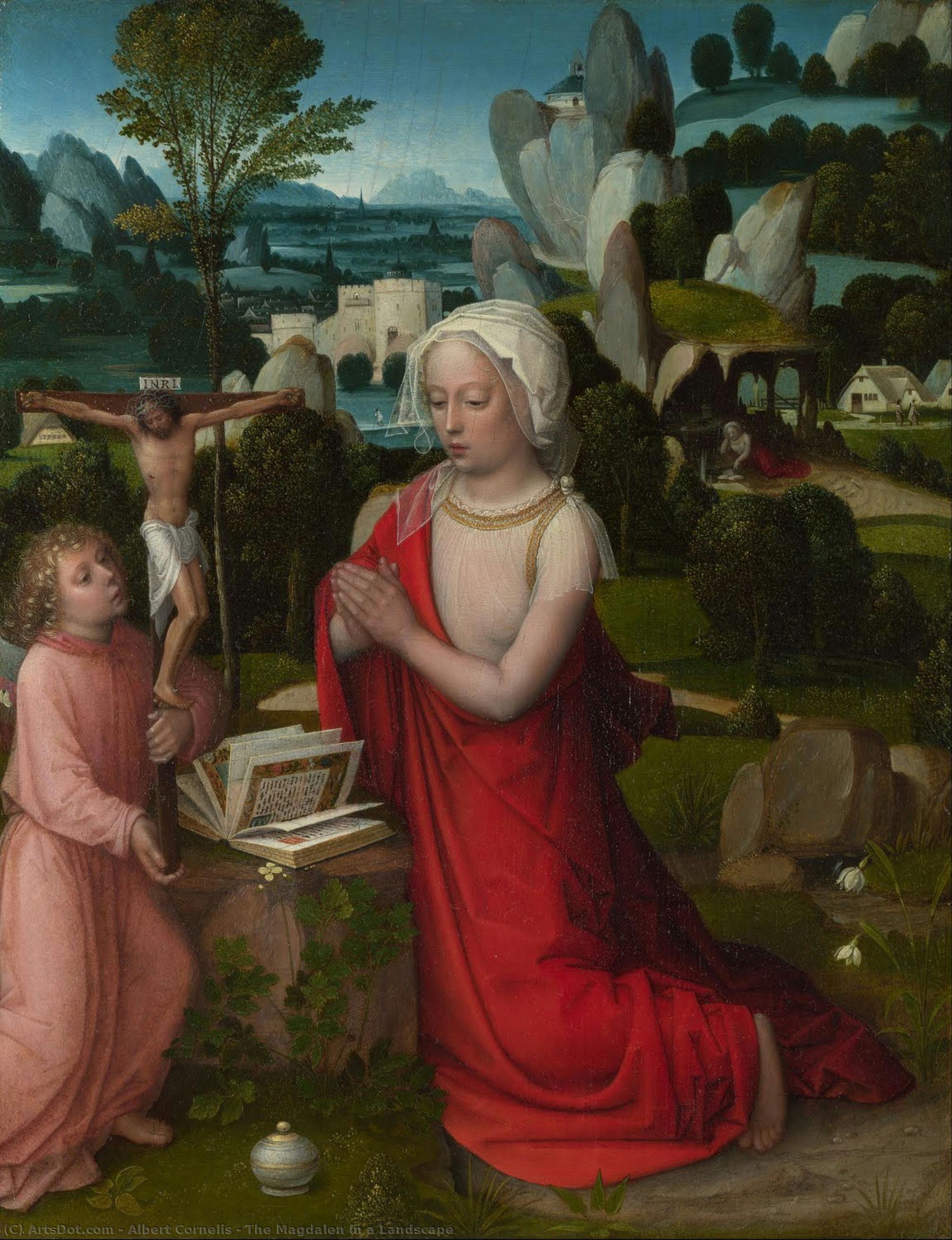
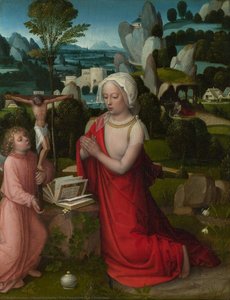
The Magdalen in a Landscape
 Oil
Oil- WallArt
- Renaissance
 1520
1520- Renaissance
 41.0 x 32.0 cm
 National Gallery
 Read More
Hand Made Oil Reproduction
Hand-painted oil on canvas in your size and frame, made to order by our artists. ( Buy Print Buy Image)




P118B $10

P118H $10

P118W $10

P438Z $10

P508JH $12

P508YH $12

P805H $10

P805Z $10

P919BZ $10

P919G $10

P919XJ $10

P959ZH $10

P968JZ $12

W106C $8

W218G $10

W218JH $8

W218Y $10

W307PJ $10

W316G $10

W316PJ $8

W316Y $10

W398PJ $8

W4111J $10

W500HY $15

W500JH $15

W692G $12

W849H $8

W940BG $15

W953PJ $8




Pick from our preset sizes that match the artwork's original proportions.

You may enter your own dimensions to fit a specific frame or space. If your selected size does not match the original image's proportions, we will either crop the artwork or extend the painting with additional hand-painted elements. A digital mockup will be sent for your approval before production begins.
Please note that the on-screen preview does not reflect the actual cropping or extension. Only the mockup will accurately show the final composition.
While custom sizes are available, we recommend selecting a dimension from the predefined list to preserve the original proportions.
After order, ArtsDot.com team will email client for instructions and provide a mockup preview
Worldwide Delivery () in 3/4 weeks instead of standard 5 weeks. (30 August). No compromise on quality.

Free Worldwide Express Shipping

High-Quality Linen Canvas

Full Shipping Insurance

Customs Tax Refund Guarantee

True Color Matching Guarantee

60-Day Return Policy (Defects Only)

100% Money-Back Guarantee

Bulk Discount Offer
 Glass option is only available in size under 110 CM

The Magdalen in a Landscape
Reproduction Medium
Reproduction Size
-


Total Price
$ 288
A Vision of Piety in Renaissance Light
To gaze upon Albert Cornelis's "The Magdalen in a Landscape" is to step directly into the hushed, reverent atmosphere of the early sixteenth century. This oil painting captures not merely a scene, but a profound moment of spiritual communion. The composition centers on a kneeling figure—the Magdalen—whose posture speaks volumes of devotion and contemplation. She is set against a breathtakingly detailed landscape that unfolds with an almost palpable sense of depth. The inclusion of the small child holding a cross anchors the narrative in themes of sacrifice and enduring faith, making the entire piece a meditation on piety itself.
Mastery of Flemish Detail and Devotional Subject Matter
Cornelis, working within the rich tradition of Flemish Renaissance masters, demonstrates an exquisite attention to detail that is characteristic of the period. Observe how the artist renders the textures: the smooth drape of the woman's robes contrasts beautifully with the rugged suggestion of rocks and the delicate foliage in the background. The landscape itself is a carefully constructed stage, utilizing linear perspective to draw the eye toward distant mountains and the glimmering body of water. This technical skill serves the spiritual narrative; the vastness of nature frames the intimacy of human devotion.
Symbolism Woven into Color and Form
The palette employed by Cornelis is deeply symbolic, dominated by rich reds, serene blues, and earthy greens. These colors do more than decorate; they evoke emotion. The vibrant red worn by the central figure draws the eye immediately, suggesting passion or sacrifice, while the cool blues of the distant water impart a sense of eternal calm. Furthermore, the subtle use of gold accents on the cross elevates the sacred elements, guiding the viewer's focus toward the core tenets of Christian belief. Every geometric shape—the rectangles of unseen architecture juxtaposed with the organic curves of the hills—contributes to a balanced, solemn harmony.
An Echo of Historical Reverence for the Modern Space
Dating from 1520, this work encapsulates the fervent religious spirit of Northern Europe during a time of immense upheaval. For the modern collector or designer, "The Magdalen in a Landscape" offers more than just historical artistry; it provides an atmosphere. Its quiet intensity and rich narrative quality allow it to anchor any space—be it a private chapel, a formal drawing-room, or a contemplative study. Reproducing this piece allows one to bring home not just paint on canvas, but a tangible echo of Renaissance devotion, inviting moments of pause and reflection into contemporary life.
Related Artworks

Artist Biography
A Shadowy Master of the Flemish Renaissance
In the grand, sweeping tapestry of the Flemish Renaissance, certain names shine with an undeniable brilliance, while others linger like a soft, evocative mist. Albert Cornelis belongs to that latter, more mysterious category. Born around 1475 in the fertile artistic landscape of what is now Belgium, Cornelis emerged during an era of profound religious transformation and unparalleled technical innovation. Though much of his personal biography remains shrouded in the shadows of history, his presence is felt through the enduring spiritual resonance of his canvases. He was a painter who did not merely capture light, but rather used it to illuminate the deepest recesses of human devotion, creating works that served as windows into the divine for the faithful of the sixteenth century.
The life of Cornelis is largely known only through the silent testimony of his art. While precise details regarding his early upbringing and formative education are scarce, scholars point to the unmistakable influence of the great Netherlandish masters. One can trace the lineage of his technique back to the meticulous realism of Jan van Eyck and the profound emotional gravity of Rogier van der Weyden. By embracing the advancements of oil painting, Cornelis was able to move beyond the flatter textures of tempera, achieving a luminous depth and a nuanced tonal gradation that allowed for a more visceral connection between the viewer and the sacred subject matter. His work embodies the transition from the late Gothic tradition into the burgeoning humanism of the Renaissance, where every fold of fabric and every distant mountain peak was imbued with symbolic significance.
The Language of Devotion and Symbolism
To encounter a work by Albert Cornelis is to enter a space of quiet contemplation. His oeuvre was primarily dedicated to religious narratives and scenes of Marian veneration, reflecting the fervent piety that defined Northern Europe during his lifetime. He possessed a remarkable ability to weave complex iconography into seemingly naturalistic landscapes, creating a dialogue between the earthly and the eternal. In his celebrated masterpiece, The Magdalen in a Landscape, currently held at the Brighton Museum & Art Gallery, we see this mastery in full bloom. The painting is not merely a portrait of a saint, but a profound meditation on sacrifice and enduring faith. Through the use of vibrant reds to suggest passion and cool, serene blues to evoke eternal calm, Cornelis guides the eye through a carefully constructed spiritual journey.
His technical prowess was particularly evident in his command of perspective and texture. He utilized the burgeoning science of linear perspective to draw the viewer into vast, breathtaking vistas, yet he never lost sight of the intimate human moment. The ruggedness of a stone outcrop or the delicate translucency of a leaf served as much more than mere decoration; they were part of a larger symbolic language designed to inspire awe. This meticulous attention to detail ensured that his church commissions—often intended for altarpieces such as the Coronation of the Virgin attributed to him in Bruges—functioned as powerful liturgical tools, capable of transporting the observer from the mundane world into a state of grace.
Legacy and Historical Significance
Though Albert Cornelis passed away on the 4th of September, 1532, in Bruges, his artistic legacy remains an essential thread in the history of Flemish art. He represents a pivotal moment in the development of Northern European painting, where the rigorous observational skills of the early Netherlandish period met the expanding emotional and spatial possibilities of the Renaissance. His ability to harmonize the monumental with the minute helped define the aesthetic of an era marked by both religious upheaval and artistic rebirth.
Today, his contributions are preserved in prestigious collections, serving as a testament to a lifetime of dedicated craftsmanship. The significance of his work lies not only in its technical execution but in its ability to capture the very essence of sixteenth-century spirituality. Through his brush, the landscapes of Flanders became sacred stages, and the figures of biblical history became intimately present, ensuring that while the man himself may remain a shadowy figure, his vision continues to illuminate the halls of art history.
Albert Cornelis
1532 , Belgium
Quick Facts
- Artistic Movement Or Style: Early Netherlandish Painting
- Artists Or Movements Influenced By This Artist: ['']
- Artists Who Influenced This Artist: ['']
- Date Of Death: 1532
- Full Name: Albert Cornelis
- Nationality: Flemish
- Notable Artworks:
- The Magdalen in a Landscape
- Coronation of the Virgin
- Place Of Birth: Belgium
Related Articles

Evocations of Place: A Historical Journey Through Landscape Art
Explore the rich history of landscape art with ArtsDot. Discover renowned artists, movements like Impressionism & Romanticism, and expert guidance for collecting timeless pieces. Find your perfect serene escape today!

Romantic Landscapes: 10 Masterpieces for Your Home | ArtsDot
Journey through 10 Romantic landscape masterpieces by Friedrich, Turner & Cole. Explore emotional art, sublime nature scenes & iconic 19th-century paintings. Find museum-quality reproductions for your home at ArtsDot.com – discover the full collection online!
Evocations of Place: A Historical Journey Through Landscape Art
Explore the rich history of landscape art with ArtsDot. Discover renowned artists, movements like Impressionism & tonalism, and expert guidance for collecting timeless pieces. Find your perfect serene escape today!

John Constable's Masterpieces: Explore 25 Iconic Landscapes for Your Home
Journey through John Constable's 25 most celebrated landscapes. Explore Romanticism, Dedham Vale & his masterful use of light in iconic paintings like 'Hay Wain'. Find museum-quality art reproductions and elevate your home decor on ArtsDot.com.

Oil on Canvas: A Historical & Technical Exploration of a Timeless Artistic Medium
Explore the rich history & enduring techniques of oil painting on canvas. Discover the science behind its longevity, conservation practices, and contemporary relevance. Expert insights for art enthusiasts.