 Preview
 Send
Send Share
Share
 Details

 Download
 Similars
 X-Ray
X-Ray Diaporama
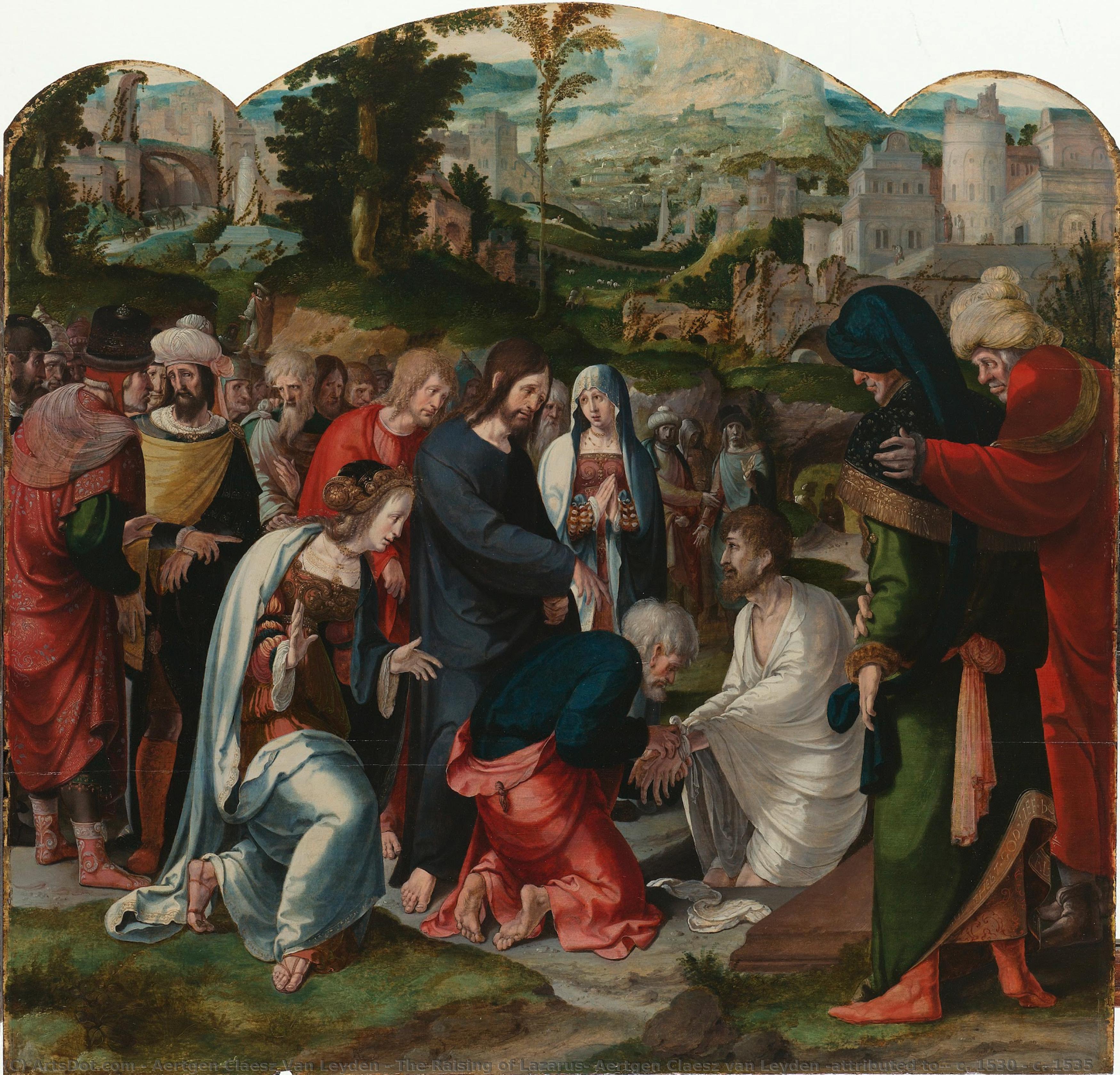
The Raising of Lazarus, Aertgen Claesz van Leyden (attributed to), c. 1530 - c. 1535
 Early Netherlandish
 1535
1535 76.0 x 79.0 cm
 Read More
Hand Made Oil Reproduction
Hand-painted oil on canvas in your size and frame, made to order by our artists. ( Buy Print Buy Image)




































Pick from our preset sizes that match the artwork's original proportions.

You may enter your own dimensions to fit a specific frame or space. If your selected size does not match the original image's proportions, we will either crop the artwork or extend the painting with additional hand-painted elements. A digital mockup will be sent for your approval before production begins.
Please note that the on-screen preview does not reflect the actual cropping or extension. Only the mockup will accurately show the final composition.
While custom sizes are available, we recommend selecting a dimension from the predefined list to preserve the original proportions.
After order, ArtsDot.com team will email client for instructions and provide a mockup preview
Worldwide Delivery () in 3/4 weeks instead of standard 5 weeks. (16 August). No compromise on quality.

Free Worldwide Express Shipping

High-Quality Linen Canvas

Full Shipping Insurance

Customs Tax Refund Guarantee

True Color Matching Guarantee

60-Day Return Policy (Defects Only)

100% Money-Back Guarantee

Bulk Discount Offer
 Glass option is only available in size under 110 CM

The Raising of Lazarus, Aertgen Claesz van Leyden (attributed to), c. 1530 - c. 1535
Reproduction Medium
Reproduction Size
-


Total Price
$ 588
Artwork Description
Related Artworks
Artist Biography
Aertgen Claesz van Leyden: A Master of Subtle Detail in the Dutch Renaissance
Aertgen Claesz van Leyden (c. 1498 – c. 1564), a name perhaps less familiar than those of his contemporaries, stands as a quietly significant figure within the rich tapestry of early Netherlandish painting. Born and primarily active in Leiden, Netherlands, he carved out a distinctive artistic identity characterized by an exquisite attention to detail, a profound understanding of religious iconography, and a masterful command of oil paint—qualities that secured him a place among the esteemed Leiden Masters.
Van Leyden’s early life remains somewhat shrouded in mystery. Records suggest he was the son of a Leiden fuller, a profession indicating a family rooted in textile production. This humble background contrasts sharply with the refined artistry he would later develop. His formal artistic training began under the tutelage of Cornelis Engebrechtsz., a prominent Leiden painter known for his meticulous realism and detailed depictions of religious scenes. Engebrechtsz.’s influence is readily apparent in Aertgen’s initial works, characterized by a similar emphasis on precise rendering and a restrained palette. However, it was not merely imitation; Van Leyden quickly developed his own unique style, subtly diverging from his mentor's approach.
The Development of a Distinctive Style
Van Leyden’s artistic journey reveals a fascinating evolution, influenced by a diverse range of masters and contemporary trends. Early works demonstrate a clear debt to Engebrechtsz., particularly in the meticulous rendering of drapery and the careful observation of natural forms. Yet, as he matured, Van Leyden absorbed elements from Jan van Scorel, renowned for his luminous colors and atmospheric effects, and even the more dramatic style of Maarten van Heemskerck, a master of narrative painting. This eclectic blend resulted in a highly individualistic approach—one that is both technically accomplished and emotionally resonant.
Crucially, Van Leyden’s style wasn't simply a synthesis of influences; he possessed a remarkable ability to distill these elements into a cohesive and deeply personal vision. His paintings are distinguished by their subtle gradations of tone, their delicate modeling, and their almost photographic realism—a hallmark of the Leiden school. He frequently employed a limited palette, favoring muted earth tones and rich jewel colors, creating a sense of quiet solemnity and spiritual depth.
Religious Themes and Iconographic Significance
Van Leyden’s oeuvre is overwhelmingly devoted to religious subjects, reflecting the prevailing artistic climate of the 16th century. He produced numerous altarpieces, panel paintings, and devotional images—each imbued with profound symbolic meaning. His depictions of biblical scenes, such as *The Raising of Lazarus* (attributed to him), are not merely illustrations but carefully constructed narratives designed to convey theological truths. The artist’s meticulous attention to detail extends beyond mere representation; he meticulously incorporates symbolism into every element of the composition—from the gestures and expressions of the figures to the arrangement of objects within the scene.
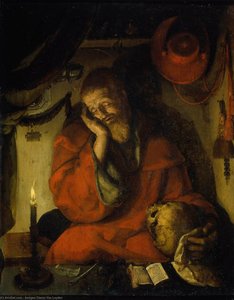
Notable works include *St. Jerome in his Study*, a poignant portrayal of the hermit contemplating scripture, and depictions of *The Last Judgment*. His *Calling of St. Anthony* is particularly noteworthy for its intimate portrayal of the saint’s conversion—a moment of profound spiritual awakening rendered with remarkable sensitivity.
Legacy and Historical Context
Despite his considerable talent and prolific output, Van Leyden's name has often been overshadowed by that of his more famous brother, Lucas van Leyden. This is partly due to the challenges inherent in attributing paintings to individual artists within the Leiden school—a group characterized by a high degree of stylistic similarity. However, recent scholarship has increasingly recognized Aertgen’s unique contribution to Netherlandish art.
Van Leyden's work reflects the broader cultural and artistic currents of the 16th century—the rise of humanism, the rediscovery of classical antiquity, and the burgeoning interest in religious imagery. His paintings offer a valuable window into the spiritual and intellectual life of Renaissance Europe, demonstrating the power of art to both illuminate and inspire.
His legacy endures through his meticulously crafted works, which continue to be admired for their technical brilliance, emotional depth, and profound symbolic significance. Aertgen Claesz van Leyden remains a testament to the quiet artistry and enduring influence of a master painter who deserves greater recognition within the history of art.
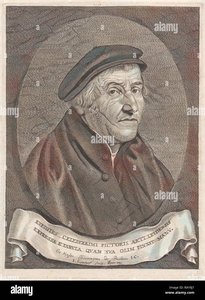
aertgen claesz van leyden
1498 - 1564 , Netherlands
Quick Facts
- Artistic Movement Or Style: Early Netherlandish
- Artists Or Movements Influenced By This Artist:
- Jan van Scorel
- Maarten van Heemskerck
- Artists Who Influenced This Artist: ['Cornelis Engebrechtsz']
- Date Of Birth: c. 1498
- Date Of Death: c. 1564
- Full Name: Aertgen Claesz van Leyden
- Nationality: Dutch
- Notable Artworks:
- The Raising of Lazarus
- St Jerome
- Place Of Birth: Leiden, Netherlands
Related Articles
Van Gogh's Masterpieces: Explore 25 Iconic Paintings & Art for Your Home
Journey through Vincent van Gogh's 25 most iconic paintings! Explore 'Starry Night', 'Sunflowers,' and more—discover the stories, techniques & emotions behind these Post-Impressionist masterpieces. Find museum-quality art reproductions for your home at ArtsDot.com.
Early Netherlandish Masters: 10 Paintings That Revolutionized Art & Decor
Journey into the world of Early Netherlandish painting! Explore 10 masterpieces by Jan van Eyck, Rogier van der Weyden & more. Discover stunning detail, symbolism & Renaissance art for your home decor. Find museum-quality reproductions on ArtsDot.com
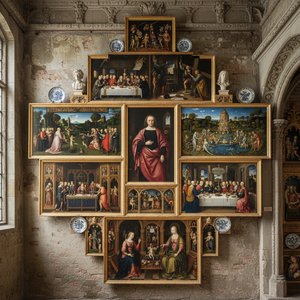
Early Netherlandish Masters: 10 Paintings That Revolutionized Art & Decor
Journey into the Early Netherlandish Renaissance! Explore 10 iconic paintings by Jan van Eyck, Rogier van der Weyden & more. Discover stunning detail, symbolism, and oil painting techniques. Find museum-quality art reproductions for your home at ArtsDot.com.

Rembrandt's Masterpieces: Explore 25 Iconic Paintings & Prints | ArtsDot
Journey through Rembrandt van Rijn's 25 most iconic paintings & etchings. Explore Dutch Golden Age masterpieces, dramatic chiaroscuro, and timeless portraits. Find museum-quality art reproductions to elevate your home decor on ArtsDot.com.
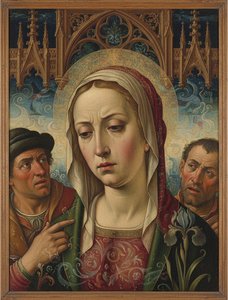
Hugo van der Goes: Devotion, Innovation & the Psychological Depth of Early Netherlandish Painting
Explore the revolutionary art of Hugo van der Goes – a master of Early Netherlandish painting renowned for his dramatic realism, psychological depth & profound influence on Renaissance artists. Discover his iconic works and lasting legacy.