

 Preview
 Send
Send Share
Share
 Details

 Download
 Similars
 X-Ray
X-Ray Diaporama
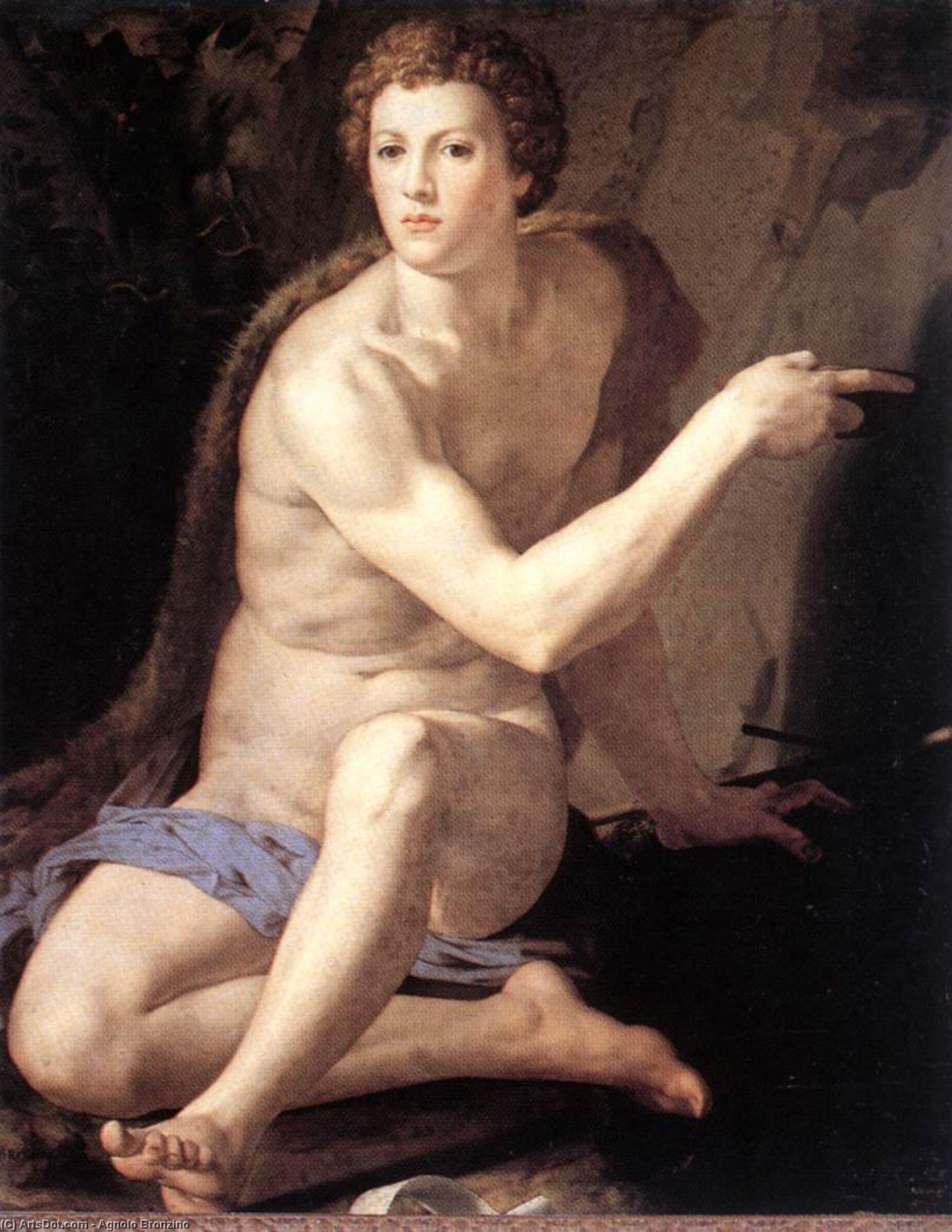
St John the Baptist
 Oil
Oil- WallArt
- Mannerist Style
 1550
1550 120.0 x 92.0 cm
 Galleria Borghese
 Read More
Purchase a high-resolution, enhanced digital image, far superior to the online preview.
Each file is meticulously prepared by our in-house specialists using advanced tools and expert manual retouching. We ensure every image has exceptional clarity, precise color accuracy, and fine detail.
The final file is delivered via email within 72 hours, optimized for immediate use in professional, editorial, and print environments. This is the same quality trusted by top-tier design studios, publishers, and galleries.
Digital Image
Download a high-resolution file for personal display, printing, and creative projects. ( Buy Print Buy Hand Made Painting)
Included in Every Digital Image Order
Expert Digital Delivery, Guaranteed
When you choose ArtsDot.com, you're not just getting an image - you're receiving a professionally enhanced digital artwork, crafted with precision and backed by a satisfaction guarantee. Here's everything that comes with your order, automatically:

Fast Email Delivery
Your high-resolution digital image file will be emailed to you within 72 hours of ordering - ready for immediate use.

AI-Enhanced Digital File
Your artwork is professionally optimized using advanced AI tools and manual editing, ensuring maximum detail, clarity, and color accuracy.

Free Lifetime Re-Delivery
Accidentally deleted or lost your file? No worries - we'll resend it to you anytime, free of charge.

No Import Fees - Ever
Enjoy your artwork instantly with zero customs, duties, or delivery fees - digital downloads are always tax-free.

Color Accuracy Guarantee
We ensure your digital image reflects the original colors as closely as possible using professional tools and color management.

60-Day Satisfaction Guarantee
If you're not satisfied with your digital image, we'll revise it or refund 100% within 60 days - no questions asked.

100% Money-Back Guarantee
Not satisfied? Get a full refund within 60 days of receiving your digital file - no questions asked.

Bulk Order Discounts
Buy 3 images, save 10% - Buy 5, save 15% - Buy 10+, save 20%. Great for creative projects, galleries, and agencies.
Collectible Description
Agnolo Bronzino’s Enigmatic St. John the Baptist
Agnolo Bronzino's "St. John the Baptist," painted in 1550 and currently residing within the Galleria Borghese in Rome, is a masterful embodiment of Mannerist artistry—a period characterized by its deliberate elegance, stylized forms, and subtle psychological depth. This arresting image transcends mere portraiture; it’s an exploration of religious iconography interwoven with a profound sense of introspection and restrained emotion. The painting immediately draws the eye to the figure of St. John himself, seated on the ground in a pose that is both dynamic and subtly unsettling. His muscular physique, rendered with Bronzino's signature cool precision, contrasts sharply with the vulnerability suggested by his exposed nudity and downward-pointing hand – a gesture simultaneously inviting and enigmatic.
Bronzino’s technique is immediately recognizable: a meticulous layering of glazes that create an almost luminous surface. The colors are muted yet rich, dominated by deep blues, browns, and ochres, contributing to the painting's overall sense of stillness and formality. Notice how the folds of his garment are not simply painted but built up through countless thin layers, creating a tactile quality that invites close examination. This painstaking attention to detail is characteristic of Bronzino’s work, reflecting his position as one of Florence’s most sought-after court painters – a role demanding both technical mastery and an ability to capture the refined sensibilities of his aristocratic patrons.
The Symbolism of Restraint
Beyond its formal beauty, “St. John the Baptist” is laden with symbolic meaning. The figure's nudity, while reflecting his baptismal origins, also speaks to a deeper sense of vulnerability and exposure. He’s not depicted as a heroic warrior or triumphant prophet; instead, he embodies a quiet contemplation, a man wrestling with his role as herald of Christ. The blue cloth draped around him is particularly significant – often interpreted as representing the heavens, suggesting John's connection to divine revelation. The upward pointing hand, a gesture frequently associated with prophecy and judgment, adds another layer of complexity, hinting at the weighty responsibility he carries.
Furthermore, Bronzino’s choice of pose—the twisting torso, the slightly angled head—is deliberately unnaturalistic, a hallmark of Mannerism. This departure from classical ideals wasn't simply an aesthetic preference; it served to heighten the emotional intensity and psychological complexity of the subject. Bronzino was less interested in capturing a realistic likeness than in conveying a particular mood or state of mind – a quality that distinguishes his work from the more naturalistic styles prevalent during the High Renaissance.
Context within Florentine Art
To understand Bronzino’s “St. John the Baptist,” it's crucial to consider its place within the broader artistic landscape of Florence in the mid-16th century. Following the innovations of Leonardo da Vinci and Michelangelo, artists like Bronzino were pushing the boundaries of representation, exploring new ways to express emotion and create visual drama. He was influenced by Jacopo Pontormo’s innovative style but ultimately forged his own distinct voice—one characterized by a cool composure and refined detail markedly different from Pontormo’s often emotionally charged works. Bronzino's work reflects the patronage of Cosimo I de' Medici, Grand Duke of Tuscany, who commissioned numerous portraits and allegorical paintings to decorate the lavish palaces and chapels of Florence.
A Reproduction for Your Space
ArtsDot offers meticulously crafted hand-painted reproductions of Agnolo Bronzino’s “St. John the Baptist,” capturing the artist's exquisite detail and evocative atmosphere with unparalleled fidelity. Whether you are a seasoned art collector, an interior designer seeking to elevate your space, or simply an admirer of Renaissance beauty, our reproduction provides a stunning way to experience this iconic masterpiece. Each reproduction is created using traditional techniques and archival-quality materials, ensuring its longevity and preserving the rich colors and textures of Bronzino’s original work. Bring the enigmatic gaze of St. John into your home and immerse yourself in the timeless elegance of Mannerist art.
Related Artworks


Artist Biography
A Florentine Master of Reserved Elegance
Agnolo di Cosimo, known to history as Bronzino, emerged from the vibrant artistic landscape of Renaissance Florence in 1503, a period already brimming with genius. Born the son of a butcher, his path diverged sharply from familial trade, guided instead by an innate talent that would see him become one of the most sought-after portraitists of his era and a defining figure of Mannerism. His early training began with Raffaellino del Garbo, but it was under the tutelage of Jacopo da Pontormo that Bronzino’s artistic sensibilities truly took shape. While absorbing Pontormo's innovative style, he ultimately forged his own distinct voice—one characterized by a cool composure and refined detail markedly different from his teacher’s often emotionally charged works. This early period was also influenced by studies with Andrea del Sarto, exposing him to the legacies of Michelangelo and Leonardo da Vinci, foundational influences that would subtly permeate his mature style. The young Bronzino quickly demonstrated an aptitude for capturing not just physical likeness but a certain psychological depth, even in his earliest commissions.Ascension at the Medici Court
Bronzino’s career ascended dramatically with the patronage of Cosimo I de’ Medici, Duke of Tuscany. This relationship, solidified after Bronzino contributed to the lavish decorations celebrating Cosimo’s wedding to Eleonora di Toledo in 1539, cemented his position as the official court painter for much of his life. It was a role he fulfilled with unwavering dedication and remarkable skill. The portraits emanating from this period are not merely likenesses; they are carefully constructed statements of power, status, and dynastic ambition. Cosimo and Eleonora themselves became frequent subjects, immortalized in paintings that exude an aristocratic aloofness and polished elegance. These works weren’t simply about capturing physical resemblance but crafting enduring symbols of Medici authority. Bronzino's mastery extended beyond portraiture; he was entrusted with decorating the chapel dedicated to Eleonora, a project spanning two decades and showcasing his versatility as a fresco painter. The meticulous detail and refined technique evident in these works established Bronzino as the preeminent artist of the Florentine court, shaping the visual language of power for generations to come.The Art of Mannerist Refinement
Bronzino’s artistic style is quintessentially Mannerist—a movement that flourished in Italy during the mid-16th century as a reaction against the High Renaissance's emphasis on naturalism and harmonious balance. He embraced elongated forms, stylized poses, and an often cool, detached emotionality. His figures are rarely caught in moments of spontaneous action; instead, they appear carefully posed, almost sculptural in their stillness. Venus, Cupid, Folly and Time (c. 1544-45), perhaps his most celebrated allegorical work, exemplifies this approach. The painting is a complex tapestry of symbolism, inviting multiple interpretations while simultaneously maintaining an air of enigmatic detachment. His portraits are renowned for their meticulous attention to detail—the textures of fabrics, the gleam of jewels, the subtle nuances of expression—all rendered with an almost enamel-like precision. This dedication to surface refinement and intellectual complexity distinguishes Bronzino’s work from that of his contemporaries. He wasn't interested in simply replicating reality; he sought to elevate it through artifice and stylistic control.Legacy and Lasting Influence
Beyond his prolific output as a painter, Bronzino played an important role in the Florentine artistic community. He was a founding member of the Accademia delle Arti del Disegno in 1563, an institution dedicated to promoting the study of art and fostering artistic excellence. His influence extended far beyond Florence, impacting court portraiture throughout Europe for generations. The cool elegance and refined technique he championed became hallmarks of aristocratic representation. Though his style fell somewhat out of favor during periods that prioritized more emotive or naturalistic approaches, Bronzino’s work has experienced a resurgence in appreciation in recent decades. Scholars now recognize the intellectual depth and stylistic innovation inherent in his art. He passed away in Florence in 1572, leaving behind a legacy as one of the most important Mannerist painters—a master of reserved elegance whose portraits continue to captivate and intrigue viewers centuries later. His ability to capture not just likeness but also the essence of power and status ensures his enduring place in art history.- Born: Florence, Italy, 1503
- Died: Florence, Italy, 1572
- Key Movement: Mannerism
- Notable Works: *Venus, Cupid, Folly and Time*, Portraits of Cosimo I de’ Medici and Eleonora di Toledo
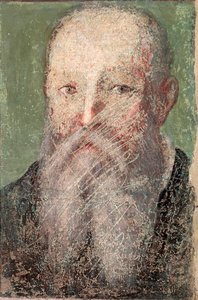
Agnolo Bronzino
1503 - 1572 , Italy
Quick Facts
- Artistic Movement Or Style: Mannerism
- Artists Or Movements Influenced By This Artist: European court portraiture
- Artists Who Influenced This Artist:
- Pontormo
- Michelangelo
- Leonardo da Vinci
- Date Of Birth: November 17, 1503
- Date Of Death: November 23, 1572
- Full Name: Agnolo di Cosimo
- Nationality: Italian
- Notable Artworks:
- Venus, Cupid, Folly & Time
- Ugolino Martelli
- The Holy Family
- Place Of Birth: Florence, Italy

