 Preview
 Send
Send Share
Share
 Details

 Download
 Similars
 X-Ray
X-Ray Diaporama
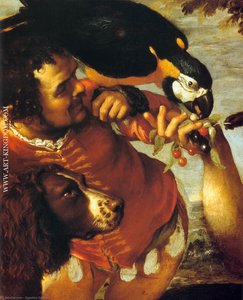
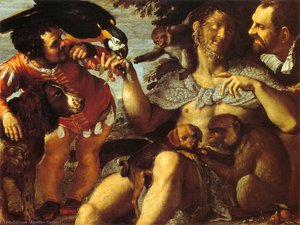
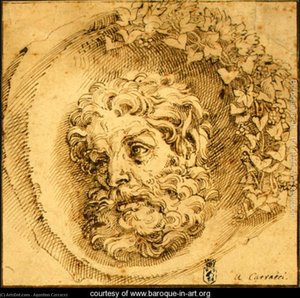
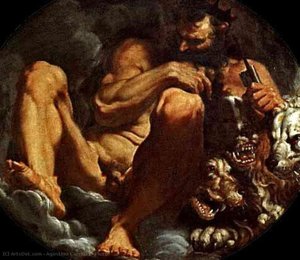
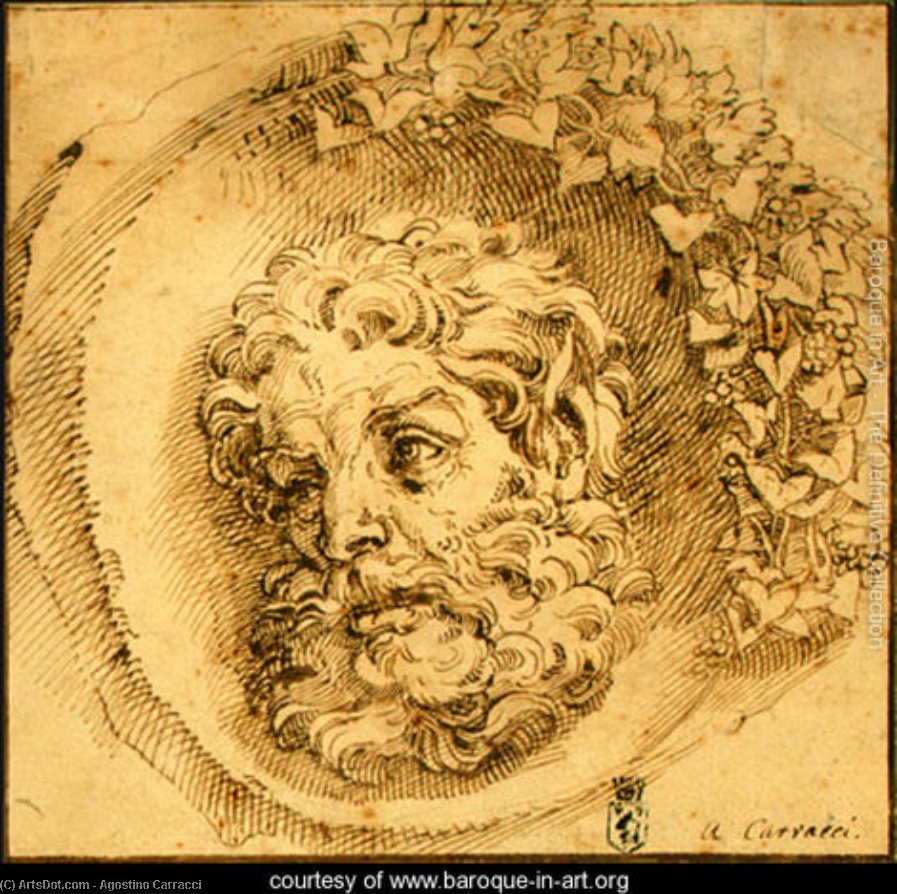
Head of a Faun in a Concave (roundel)
 Acrylic On Canvas
- WallArt
- Baroque
 1595
1595 181.0 x 187.0 cm
 National Gallery of Art
 Read More
Giclée / Art Print
Museum-quality giclée or canvas print with fast production and flexible finish options. ( Buy Hand Made Painting Buy Image)




P118B $10

P118H $10

P118W $10

P438Z $10

P508JH $12

P508YH $12

P805H $10

P805Z $10

P919BZ $10

P919G $10

P919XJ $10

P959ZH $10

P968JZ $12

W106C $8

W218G $10

W218JH $8

W218Y $10

W307PJ $10

W316G $10

W316PJ $8

W316Y $10

W398PJ $8

W4111J $10

W500HY $15

W500JH $15

W692G $12

W849H $8

W940BG $15

W953PJ $8




Pick from our preset sizes that match the artwork's original proportions.

You may enter your own dimensions to fit a specific frame or space. If your selected size does not match the original image's proportions, we will either crop the artwork or extend the image with a mirrored or solid-fill edge. A digital mockup will be sent for your approval before production begins.
Please note that the on-screen preview does not reflect the actual cropping or extension. Only the mockup will accurately show the final composition.
While custom sizes are available, we recommend selecting a dimension from the predefined list to preserve the original proportions.
Worldwide Delivery () in 2 weeks instead of standard 4/5 weeks. (26 August)

Free Worldwide Express Shipping

High-Quality Linen Canvas

Full Shipping Insurance

Customs Tax Refund Guarantee

True Color Matching Guarantee

60-Day Return Policy (Defects Only)

100% Money-Back Guarantee

Bulk Discount Offer
 Glass option is only available in size under 110 CM

Head of a Faun in a Concave (roundel)
Giclée / Art Print
Reproduction Size
-


Total Price
$ 63
Collectible Description
Agostino Carracci’s “Head of a Faun in a Concave (Roundel)” – A Glimpse into Bolognese Baroque
Agostino Carracci's "Head of a Faun in a Concave (Roundel)," painted around 1595, is more than just a portrait; it’s a meticulously crafted window into the burgeoning artistic landscape of Bologna during the late Renaissance. This intimate piece, now housed within the National Gallery of Art in Washington D.C., reveals a masterful synthesis of classical ideals and emerging Baroque sensibilities, showcasing Carracci's pivotal role in shaping the direction of Bolognese painting. The work immediately draws the eye with its serene composure – a faun, half-man, half-goat, rendered with an almost unnerving stillness that belies his mythical nature.
Carracci’s technique is characterized by a remarkable restraint and precision. Executed in pen and brown ink on laid paper, the image possesses a subtle yet powerful depth of tone achieved through careful layering and shading. The artist's hand is evident in the delicate rendering of the faun’s features – the slightly furrowed brow, the watchful eyes, and the subtly sculpted horns that hint at his wild origins. Notice how Carracci avoids overly dramatic gestures or flamboyant ornamentation, instead opting for a refined elegance that speaks to the humanist principles championed by the Academy degli Incamminati, where he served as a key instructor alongside his brothers Annibale and Ludovico.
The Mythic Figure and Symbolism
The faun itself is a figure deeply rooted in classical mythology. Originally associated with shepherds and wild landscapes, the faun represented fertility, abundance, and connection to nature. In Roman art, he was often depicted as a companion of Pan, the god of the wild, and his presence served as a reminder of humanity’s primal roots. Carracci's depiction subtly elevates this traditional image, imbuing the faun with an air of contemplative wisdom. The wreath of leaves encircling his head isn’t merely decorative; it reinforces his connection to the natural world, suggesting a harmony between the human and animal realms – a key theme in Renaissance art.
The “concave (roundel)” format itself is significant. This circular composition, reminiscent of ancient Roman medallions, lends an aura of timelessness and formality to the subject. It’s a deliberate choice that elevates the faun from a simple pastoral figure to a symbol of enduring beauty and classical ideals. The enclosed space also creates a sense of intimacy, drawing the viewer into a private moment of contemplation.
Context within Bolognese Baroque
“Head of a Faun in a Concave (Roundel)” is a crucial work in understanding the transition from Mannerism to the early Baroque style in Bologna. Carracci and his brothers were instrumental in dismantling the overly complex, artificial forms of Mannerism and advocating for a return to classical proportions, clarity, and naturalism. Their work at the Academy degli Incamminati aimed to establish a new artistic standard based on observation, anatomical accuracy, and a deep understanding of Roman art. This piece exemplifies this shift – moving away from the elongated figures and distorted perspectives of Mannerism towards a more balanced and harmonious composition.
The painting’s creation coincided with a period of intense intellectual and artistic ferment in Bologna. The city was a hub for humanist scholarship, attracting artists, architects, and intellectuals eager to revive classical traditions. Carracci's work reflects this vibrant atmosphere, embodying the spirit of innovation and experimentation that characterized Bolognese Baroque art. It stands as a testament to his skill and vision, solidifying his place as one of the most important figures in the development of Italian painting.
A Timeless Masterpiece – Reproduction Possibilities
Reproductions of “Head of a Faun in a Concave (Roundel)” offer an exceptional opportunity to bring this captivating artwork into any interior space. The rich detail and nuanced composition translate beautifully to high-quality prints, allowing viewers to appreciate the artist’s meticulous craftsmanship and profound understanding of human form and nature. Consider framing options that complement the painting's classical aesthetic – a simple wooden frame or a more ornate gilded design would both enhance its visual impact. Whether adorning a study, a gallery wall, or a private residence, this iconic image will undoubtedly serve as a source of inspiration and contemplation for years to come.
Related Artworks
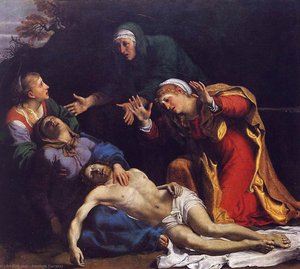
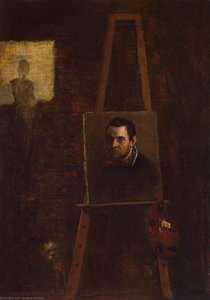
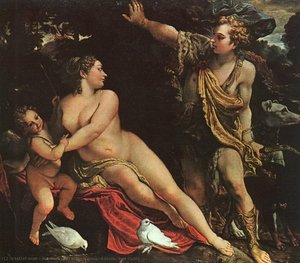
Artist Biography
The Architect of Naturalism: The Life and Legacy of Agostino Carracci
Agostino Carracci stands as a pivotal figure in the burgeoning Baroque movement within Bologna, Italy. Often overshadowed by his more celebrated brother, Annibale, Agostino’s artistic vision—characterized by a deliberate rejection of Mannerist formalism and an embrace of classical ideals—established him as a crucial innovator who profoundly impacted the stylistic trajectory of Bolognese painting. He was not merely a craftsman but a visionary pedagogue, shaping the future generation of artists through the Accademia degli Incamminati, alongside Annibale and Ludovico Carracci. This academy became a crucible for a new era of art, moving away from the artificiality of the late Renaissance toward a more profound connection with reality. Born in Bologna in 1557 to Giovanni Battista Carracci and Lucrezia Panciatichi, Agostino’s artistic journey began under the tutelage of Domenico Tiberiadi. This early training instilled in him a foundational understanding of disegno—the humanist concept of drawing—which was essential for mastering classical proportions and perspective. While his contemporaries often leaned into the stylized forms and exaggerated poses of Mannerism, Agostino sought inspiration from the enduring strength of antiquity. He looked toward Roman sculpture and architecture as the ultimate models for achieving artistic excellence, believing that true beauty resided in the balance between idealized form and natural truth.The Mastery of Line and Light
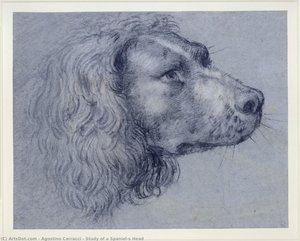
Before he achieved renown for monumental frescoes and portraits, Carracci’s career found its footing through the intricate medium of engraving. This period was transformative, as he utilized the printmaker's tool to reproduce masterpieces by titans such as Federico Barocci, Tintoretto, Veronese, and Correggio. For Agostino, engraving was far more than a method of reproduction; it was a vital intellectual exercise in disseminating artistic knowledge across Europe. His prints demonstrated an acute sensitivity to tonal variations and chiaroscuro—the dramatic interplay of light and shadow—which would later become a hallmark of the Baroque style. Through these meticulous lines, he translated the fluid textures of paint into the permanent language of ink, elevating the status of printmaking within the fine arts. His technical prowess is perhaps most intimately captured in his preparatory works, where the boundary between study and masterpiece dissolves. In works such as his Study of a Spaniel’s Head, one can witness the artist's commitment to naturalism. Created around 1598, this drawing avoids all artifice, presenting the subject with remarkable realism—from the attentive eyes to the textured, curly fur of the ears. Such studies served as the essential building blocks for his larger compositions, proving that his devotion to the minute details of the natural world was the foundation upon which his grander, more classical visions were built.A Lasting Impression on the Baroque Era
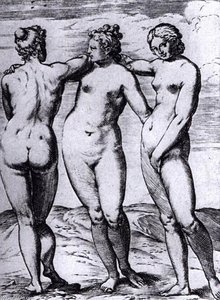
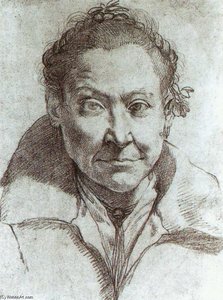
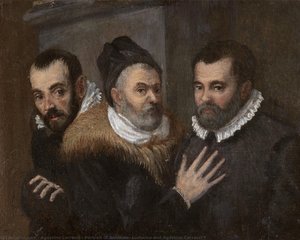
The historical significance of Agostino Carracci lies in his role as a bridge between two eras. By challenging the intellectualized complexity of Mannerism with a renewed focus on clarity and natural observation, he helped midwife the birth of the Bolognese School. His ability to blend the classical elegance of the Renaissance with the emotional depth and dramatic lighting of the Baroque provided a blueprint for generations of painters. Whether through the ethereal beauty found in his The Three Graces or the familial intimacy captured in portraits of himself and his brothers, Agostino’s work remains a testament to a period of profound transition. Though his life was tragically short, ending in 1602, his influence endured far beyond his years. Through the Accademia degli Incamminati, he helped establish a pedagogical tradition that prioritized direct observation and classical study, ensuring that the principles of naturalism would become a cornerstone of Western art. His legacy is not found merely in individual canvases, but in the very way we perceive light, shadow, and the human form—a legacy of precision, passion, and an unwavering pursuit of truth in art.
Agostino Carracci
1557 - 1602 , Italy
Quick Facts
- Artistic Movement Or Style: Baroque
- Artists Or Movements Influenced By This Artist: ['Matisse']
- Artists Who Influenced This Artist:
- Federico Barocci
- Tintoretto
- Antonio Campi
- Correggio
- Date Of Birth: August 1557
- Date Of Death: March 1602
- Full Name: Agostino Carracci
- Nationality: Italian
- Notable Artworks:
- Jupiter
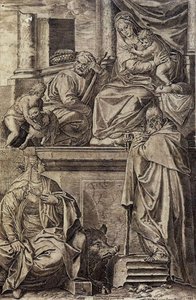
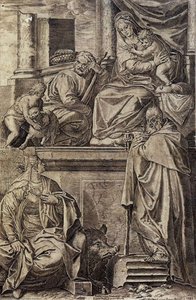
- The Holy Family with Sts Anthony Abbot, Catherine and the Infant St John
- Place Of Birth: Bologna, Italy
Related Articles
Annibale Carracci: Bridging Renaissance Ideals & Baroque Innovation
Explore the life & art of Annibale Carracci, a pivotal figure bridging Renaissance ideals with Baroque innovation. Discover his masterpieces and lasting influence on Italian painting.

Baroque Drama: Bringing Opulence & Emotion into Contemporary Interiors
Explore the opulent world of Baroque interior design! Discover key elements, modern applications & how to bring dramatic elegance into your home with 's authentic reproductions.

The Visceral Stage: Exploring Dramatic Narratives & Emotional Intensity in Baroque Art
Explore the dramatic world of Baroque art! Discover iconic masters like Caravaggio & Rembrandt, their techniques, and the movement's lasting impact. Expert insights for collectors & enthusiasts at ArtsDot.

Baroque Masterpieces: 10 Paintings That Defined an Era |
Journey through the drama & grandeur of Baroque art! Explore 10 masterpieces by Caravaggio, Rembrandt, Rubens & more. Discover stunning oil paintings, rich colors & timeless stories. Find museum-quality reproductions at .

The Dramatic Flourish: Exploring the Baroque Movement's Enduring Legacy in Art History
Explore the dramatic world of Baroque art! Discover iconic artists like Caravaggio & Rubens, defining techniques, and its lasting impact on art history. Expert insights for collectors & enthusiasts at ArtsDot.