

 Preview
 Send
Send Share
Share
 Details

 Download
 Similars
 X-Ray
X-Ray Diaporama
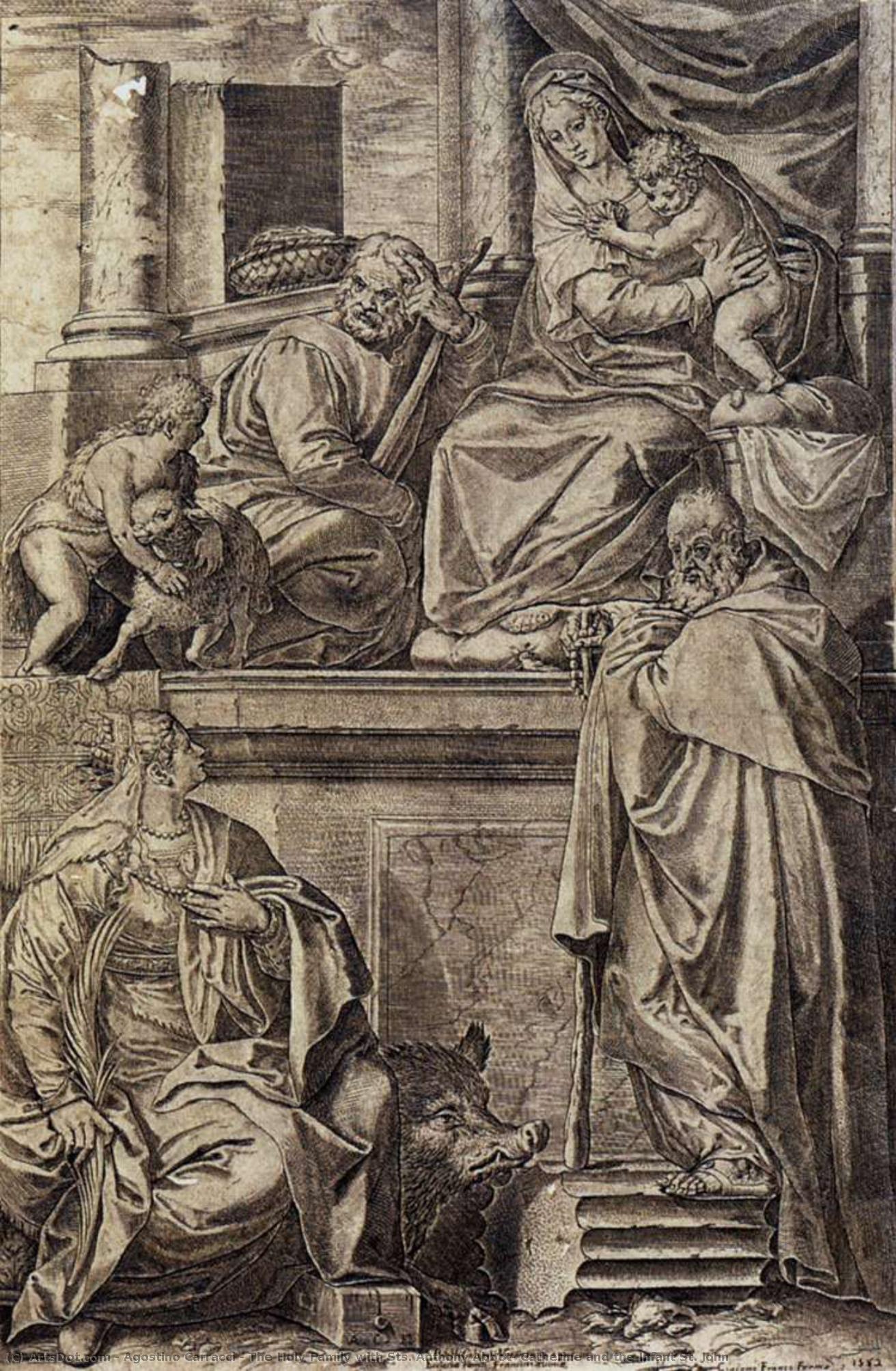
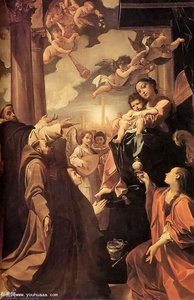
The Holy Family with Sts. Anthony Abbot, Catherine and the Infant St. John
 Acrylic On Canvas
- WallArt
- Baroque
 1582
1582 488.0 x 316.0 cm
 Museo Correr
 Read More
Purchase a high-resolution, enhanced digital image, far superior to the online preview.
Each file is meticulously prepared by our in-house specialists using advanced tools and expert manual retouching. We ensure every image has exceptional clarity, precise color accuracy, and fine detail.
The final file is delivered via email within 72 hours, optimized for immediate use in professional, editorial, and print environments. This is the same quality trusted by top-tier design studios, publishers, and galleries.
Digital Image
Download a high-resolution file for personal display, printing, and creative projects. ( Buy Print Buy Hand Made Painting)
Included in Every Digital Image Order
Expert Digital Delivery, Guaranteed
When you choose ArtsDot.com, you're not just getting an image - you're receiving a professionally enhanced digital artwork, crafted with precision and backed by a satisfaction guarantee. Here's everything that comes with your order, automatically:

Fast Email Delivery
Your high-resolution digital image file will be emailed to you within 72 hours of ordering - ready for immediate use.

AI-Enhanced Digital File
Your artwork is professionally optimized using advanced AI tools and manual editing, ensuring maximum detail, clarity, and color accuracy.

Free Lifetime Re-Delivery
Accidentally deleted or lost your file? No worries - we'll resend it to you anytime, free of charge.

No Import Fees - Ever
Enjoy your artwork instantly with zero customs, duties, or delivery fees - digital downloads are always tax-free.

Color Accuracy Guarantee
We ensure your digital image reflects the original colors as closely as possible using professional tools and color management.

60-Day Satisfaction Guarantee
If you're not satisfied with your digital image, we'll revise it or refund 100% within 60 days - no questions asked.

100% Money-Back Guarantee
Not satisfied? Get a full refund within 60 days of receiving your digital file - no questions asked.

Bulk Order Discounts
Buy 3 images, save 10% - Buy 5, save 15% - Buy 10+, save 20%. Great for creative projects, galleries, and agencies.
Collectible Description
A Window into Bolognese Baroque: The Carracci’s “The Holy Family”
Agostino Carracci's "The Holy Family with Sts. Anthony Abbot, Catherine and the Infant St. John," painted in 1582, isn’t merely a depiction of a sacred scene; it’s a vibrant testament to the burgeoning artistic spirit of Bologna during the late Renaissance. Emerging from the heart of the Accademia degli Incamminati – an academy dedicated to reviving classical ideals while rejecting the overly ornate Mannerism that dominated the preceding era – this work embodies a crucial shift in Italian painting: a return to clarity, naturalism, and a profound engagement with human emotion. The scene unfolds within a warmly lit interior, suggesting a domestic setting imbued with reverence. The composition is carefully balanced, drawing the eye towards the central figures of Christ, Mary, and the infant John the Baptist, yet skillfully incorporating the presence of the revered saints Anthony Abbot and Catherine – both potent symbols of piety and devotion.
A Masterclass in Technique: Light, Shadow, and Composition
Carracci’s mastery is immediately evident in his handling of light and shadow. He employs a technique known as *chiaroscuro*, dramatically contrasting areas of bright illumination with deep shadows, creating a palpable sense of depth and volume. This isn't simply an aesthetic choice; it serves to elevate the figures, imbuing them with a divine presence. Notice how the light gently caresses Mary’s face, highlighting her serene expression, while simultaneously casting subtle shadows across the architectural backdrop – a deliberate move that anchors the scene within a believable space. The composition itself is meticulously planned, utilizing pyramidal structures to create stability and harmony. The figures are rendered with remarkable realism, their drapery flowing naturally, their gestures conveying genuine emotion. Carracci’s attention to detail extends to the smallest elements, from the folds of the fabric to the delicate features of the children, demonstrating a commitment to portraying human likeness with unparalleled accuracy.
Symbolism and Spiritual Resonance: Saints and Sacred Narrative
The inclusion of St. Anthony Abbot and St. Catherine is particularly significant. Anthony, a desert hermit renowned for his asceticism and devotion, represents the path of spiritual solitude and prayer. His presence underscores the importance of inner contemplation alongside outward piety. St. Catherine, martyred for her unwavering faith, embodies courage, sacrifice, and the triumph of virtue over adversity. The infant St. John the Baptist, depicted holding a lamb – a symbol of innocence and Christ’s sacrifice – further reinforces the painting's central themes of redemption and divine grace. Beyond these individual figures, the entire scene speaks to the core tenets of Christian faith: family, devotion, and the promise of salvation. The setting itself, though domestic, evokes a sense of timelessness, suggesting that this sacred narrative transcends specific historical contexts.
Historical Context and Artistic Legacy
Painted in 1582, “The Holy Family” reflects the artistic climate of Bologna during the High Renaissance. The Carracci brothers – Agostino, Annibale, and Ludovico – were instrumental in shaping a new style that blended classical ideals with contemporary sensibilities. Their work served as a crucial bridge between Mannerism and Baroque art, paving the way for future generations of Italian painters. The painting’s influence can be seen in the works of other Bolognese artists, such as Guido Reni and Domenichino. Today, “The Holy Family” stands as a powerful example of Renaissance religious art, admired for its technical brilliance, emotional depth, and enduring spiritual resonance. Reproductions offer a remarkable opportunity to experience this masterpiece firsthand, bringing its beauty and profound meaning into any space.
Related Artworks
Artist Biography
The Architect of Naturalism: The Life and Legacy of Agostino Carracci
Agostino Carracci stands as a pivotal figure in the burgeoning Baroque movement within Bologna, Italy. Often overshadowed by his more celebrated brother, Annibale, Agostino’s artistic vision—characterized by a deliberate rejection of Mannerist formalism and an embrace of classical ideals—established him as a crucial innovator who profoundly impacted the stylistic trajectory of Bolognese painting. He was not merely a craftsman but a visionary pedagogue, shaping the future generation of artists through the Accademia degli Incamminati, alongside Annibale and Ludovico Carracci. This academy became a crucible for a new era of art, moving away from the artificiality of the late Renaissance toward a more profound connection with reality. Born in Bologna in 1557 to Giovanni Battista Carracci and Lucrezia Panciatichi, Agostino’s artistic journey began under the tutelage of Domenico Tiberiadi. This early training instilled in him a foundational understanding of disegno—the humanist concept of drawing—which was essential for mastering classical proportions and perspective. While his contemporaries often leaned into the stylized forms and exaggerated poses of Mannerism, Agostino sought inspiration from the enduring strength of antiquity. He looked toward Roman sculpture and architecture as the ultimate models for achieving artistic excellence, believing that true beauty resided in the balance between idealized form and natural truth.The Mastery of Line and Light
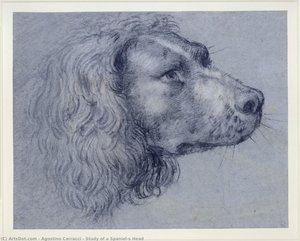
Before he achieved renown for monumental frescoes and portraits, Carracci’s career found its footing through the intricate medium of engraving. This period was transformative, as he utilized the printmaker's tool to reproduce masterpieces by titans such as Federico Barocci, Tintoretto, Veronese, and Correggio. For Agostino, engraving was far more than a method of reproduction; it was a vital intellectual exercise in disseminating artistic knowledge across Europe. His prints demonstrated an acute sensitivity to tonal variations and chiaroscuro—the dramatic interplay of light and shadow—which would later become a hallmark of the Baroque style. Through these meticulous lines, he translated the fluid textures of paint into the permanent language of ink, elevating the status of printmaking within the fine arts. His technical prowess is perhaps most intimately captured in his preparatory works, where the boundary between study and masterpiece dissolves. In works such as his Study of a Spaniel’s Head, one can witness the artist's commitment to naturalism. Created around 1598, this drawing avoids all artifice, presenting the subject with remarkable realism—from the attentive eyes to the textured, curly fur of the ears. Such studies served as the essential building blocks for his larger compositions, proving that his devotion to the minute details of the natural world was the foundation upon which his grander, more classical visions were built.A Lasting Impression on the Baroque Era
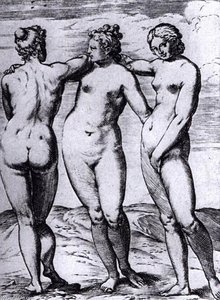
The historical significance of Agostino Carracci lies in his role as a bridge between two eras. By challenging the intellectualized complexity of Mannerism with a renewed focus on clarity and natural observation, he helped midwife the birth of the Bolognese School. His ability to blend the classical elegance of the Renaissance with the emotional depth and dramatic lighting of the Baroque provided a blueprint for generations of painters. Whether through the ethereal beauty found in his The Three Graces or the familial intimacy captured in portraits of himself and his brothers, Agostino’s work remains a testament to a period of profound transition. Though his life was tragically short, ending in 1602, his influence endured far beyond his years. Through the Accademia degli Incamminati, he helped establish a pedagogical tradition that prioritized direct observation and classical study, ensuring that the principles of naturalism would become a cornerstone of Western art. His legacy is not found merely in individual canvases, but in the very way we perceive light, shadow, and the human form—a legacy of precision, passion, and an unwavering pursuit of truth in art.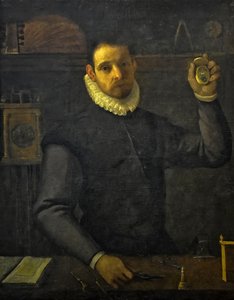
Agostino Carracci
1557 - 1602 , Italy
Quick Facts
- Artistic Movement Or Style: Baroque
- Artists Or Movements Influenced By This Artist: ['Matisse']
- Artists Who Influenced This Artist:
- Federico Barocci
- Tintoretto
- Antonio Campi
- Correggio
- Date Of Birth: August 1557
- Date Of Death: March 1602
- Full Name: Agostino Carracci
- Nationality: Italian
- Notable Artworks:
- Jupiter
- The Holy Family with Sts Anthony Abbot, Catherine and the Infant St John
- Place Of Birth: Bologna, Italy

