 Preview
 Send
Send Share
Share
 Details

 Download
 Similars
 X-Ray
X-Ray Diaporama
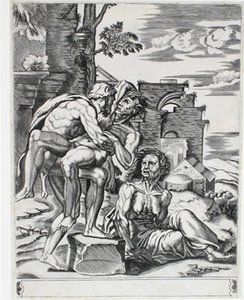
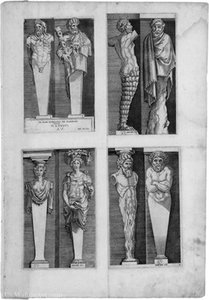
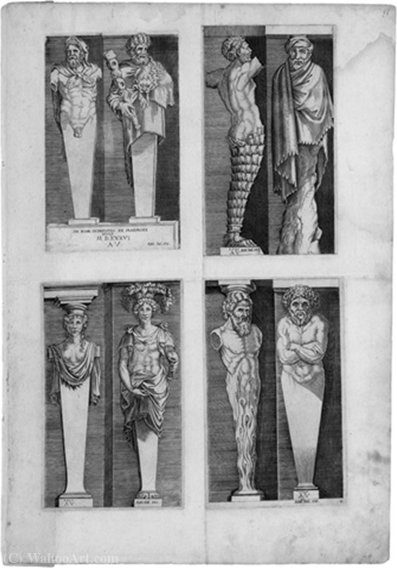
Zwei hermen

 Read More
Hand Made Oil Reproduction
Hand-painted oil on canvas in your size and frame, made to order by our artists. ( Buy Print Buy Image)




































Pick from our preset sizes that match the artwork's original proportions.

You may enter your own dimensions to fit a specific frame or space. If your selected size does not match the original image's proportions, we will either crop the artwork or extend the painting with additional hand-painted elements. A digital mockup will be sent for your approval before production begins.
Please note that the on-screen preview does not reflect the actual cropping or extension. Only the mockup will accurately show the final composition.
While custom sizes are available, we recommend selecting a dimension from the predefined list to preserve the original proportions.
After order, ArtsDot.com team will email client for instructions and provide a mockup preview
Worldwide Delivery () in 3/4 weeks instead of standard 5 weeks. (17 August). No compromise on quality.

Free Worldwide Express Shipping

High-Quality Linen Canvas

Full Shipping Insurance

Customs Tax Refund Guarantee

True Color Matching Guarantee

60-Day Return Policy (Defects Only)

100% Money-Back Guarantee

Bulk Discount Offer
 Glass option is only available in size under 110 CM

Zwei hermen
Reproduction Medium
Reproduction Size
-


Total Price
$ 288
Related Artworks
Artist Biography
Agostino dei Musi (c.1490-1536): Venetian Mannerist Master of Printmaking
Agostino dei Musi, born around 1490 in Venice, stands as a pivotal figure within the burgeoning Renaissance printmaking tradition—a testament to artistic innovation and stylistic convergence during a transformative period in European art history. While biographical details remain scarce, his legacy rests firmly on his prolific output of engravings, primarily influenced by the groundbreaking work of Albrecht Dürer and Giulio Campagnola, cementing his place as one of Venice’s most celebrated artists of his time.- Early Training & Apprenticeship: Precise information regarding Musi's formative years is elusive, yet he honed his skills under the tutelage of Giulio Campagnola, a renowned engraver whose workshop served as a crucible for stylistic experimentation and technical mastery. This mentorship instilled in Musi a deep appreciation for Roman artistic ideals—particularly the grandeur and precision of Dürer’s prints—which would permeate throughout his oeuvre.
- Florence & Artistic Exploration: Around 1515-16, Musi traveled to Florence, immersing himself in the intellectual ferment of the Florentine Renaissance. Exposure to Michelangelo's monumental sculptures and frescoes undoubtedly broadened his artistic horizons, fostering a fascination with dramatic composition and expressive gesture—elements that would become hallmarks of his engravings.
- Rome & Collaboration with Raimondi: Musi’s relocation to Rome in 1514 marked the beginning of a fruitful partnership with Marc Antoine Raimondi, arguably Venice's most influential printmaker. Together they established a workshop that became a hub for artistic innovation and produced prints reflecting the stylistic currents of Mannerism—characterized by elongated figures, distorted perspectives, and theatrical lighting.
A Style Defined: Mannerist Influence & Venetian Tradition
Musi’s engravings are distinguished by their meticulous attention to detail and a masterful command of line engraving technique. Unlike the idealized beauty favored by earlier Renaissance artists, Musi embraced Mannerist aesthetics—rejecting harmonious proportions in favor of unsettling distortions that conveyed psychological complexity and emotional intensity. His prints frequently depict mythological subjects with dramatic flair, mirroring the theatrical conventions of Venetian opera and capturing the spirit of the era.Notable Prints & Artistic Achievements
Musi’s artistic output spanned a remarkable range of themes—from biblical narratives to classical mythology to portraits—demonstrating his versatility as an engraver. Among his most celebrated works are ‘Hercules,’ a monumental depiction of the hero's labors imbued with dynamism and grandeur, and ‘The Climbers,’ which meticulously captures Michelangelo’s cartoon for Raphael’s ceiling fresco in the Vatican Stanze—a testament to Musi’s dedication to faithfully reproducing artistic masterpieces. His prints after Raphael and Giulio Romano exemplify his ability to distill complex visual ideas into striking engravings.Legacy & Historical Significance
Agostino dei Musi's contribution to printmaking history is undeniable. He stands as the sole major artist whose career coincided with the genesis of reproductive printmaking—a revolutionary innovation that fundamentally altered the dissemination of art and transformed artistic practice. His workshop’s success in preserving prints during the Sack of Rome underscores his foresight and resilience, ensuring that Musi's engravings continue to inspire admiration and scholarly study centuries later. He remains a cornerstone of Venetian Renaissance art, embodying the stylistic fusion of Roman grandeur and Mannerist drama—a legacy etched indelibly onto the annals of printmaking history.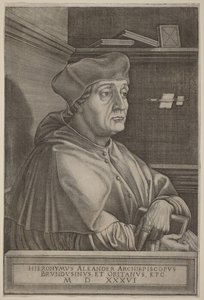
agostino dei musi
1490 - 1536 , Italy
Quick Facts
- Artistic Movement Or Style: Mannerist
- Artists Or Movements Influenced By This Artist: ['Michelangelo']
- Artists Who Influenced This Artist:
- Albrecht Dürer
- Giulio Campagnola
- Date Of Birth: Venice, Italy (c.1490)
- Date Of Death: c. 1536
- Full Name: Agostino dei Musi
- Nationality: Italian
- Notable Artworks: ['Hercules & The Climbers']
- Place Of Birth: Venice
Related Articles
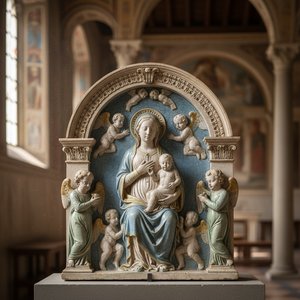
Luca della Robbia: Renaissance Sculpture & the Innovation of Terracotta Glazing
Discover the innovative terracotta glazing techniques of Luca della Robbia, a Renaissance master sculptor. Explore his iconic works, legacy, and collecting tips with ArtsDot.
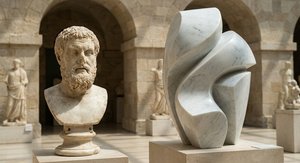
The Enduring Allure of Marble in Art History: From Classical Sculpture to Modern Abstraction
Explore the captivating history of marble sculpture from ancient Greece to modern art. Discover renowned artists like Canova & Michelangelo, carving techniques, and investment insights at ArtsDot.
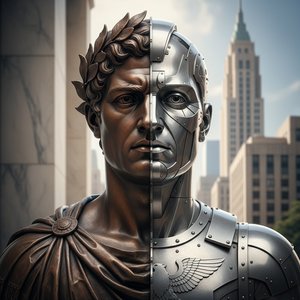
Anthony De Francisci: A Sculptural Synthesis of Classical Tradition & American Modernism
Explore the life & art of Anthony de Francisci, master sculptor of the Peace Dollar & exquisite medals. Discover his classical influences and enduring legacy – a must-read for collectors.

Monochrome Visions: Exploring the Aesthetic & Historical Significance of Black & White Photography
Explore the rich history & artistic power of black and white photography. From early techniques to iconic masters like Ansel Adams, discover why monochrome continues to captivate art lovers today. Expert insights for collectors.

Chromatic Absence: Exploring the Aesthetic Power of Black & White Art
Explore the captivating world of monochrome art! Discover its rich history, influential artists like Malevich & Klein, and profound emotional impact. Expert insights for collectors & design enthusiasts.