 Preview
 Send
Send Share
Share
 Details

 Download
 Similars
 X-Ray
X-Ray Diaporama
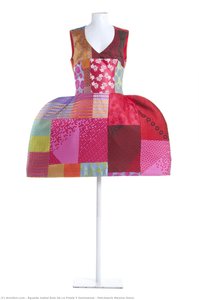
Circus skirt I


 Read More
Giclée / Art Print
Museum-quality giclée or canvas print with fast production and flexible finish options. ( Buy Hand Made Painting Buy Image)




P118B $10

P118H $10

P118W $10

P438Z $10

P508JH $12

P508YH $12

P805H $10

P805Z $10

P919BZ $10

P919G $10

P919XJ $10

P959ZH $10

P968JZ $12

W106C $8

W218G $10

W218JH $8

W218Y $10

W307PJ $10

W316G $10

W316PJ $8

W316Y $10

W398PJ $8

W4111J $10

W500HY $15

W500JH $15

W692G $12

W849H $8

W940BG $15

W953PJ $8




Pick from our preset sizes that match the artwork's original proportions.

You may enter your own dimensions to fit a specific frame or space. If your selected size does not match the original image's proportions, we will either crop the artwork or extend the image with a mirrored or solid-fill edge. A digital mockup will be sent for your approval before production begins.
Please note that the on-screen preview does not reflect the actual cropping or extension. Only the mockup will accurately show the final composition.
While custom sizes are available, we recommend selecting a dimension from the predefined list to preserve the original proportions.
Worldwide Delivery () in 2 weeks instead of standard 4/5 weeks. (25 August)

Free Worldwide Express Shipping

High-Quality Linen Canvas

Full Shipping Insurance

Customs Tax Refund Guarantee

True Color Matching Guarantee

60-Day Return Policy (Defects Only)

100% Money-Back Guarantee

Bulk Discount Offer
 Glass option is only available in size under 110 CM

Circus skirt I
Giclée / Art Print
Reproduction Size
-


Total Price
$ 63
Collectible Description
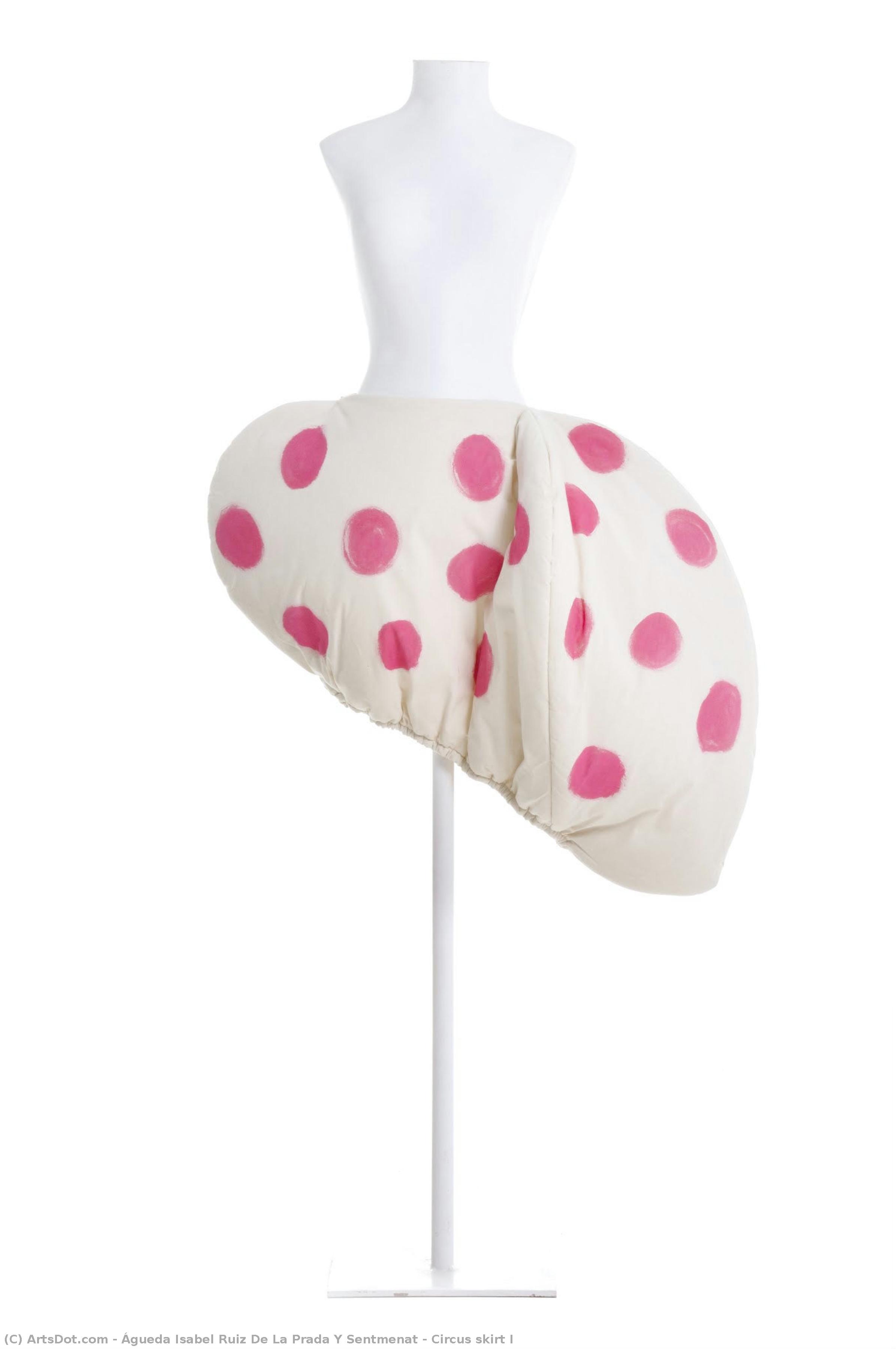
Circus Skirt I – A Celebration of Color and Playful Geometry
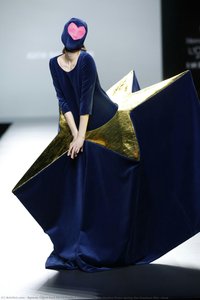
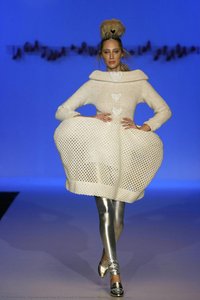
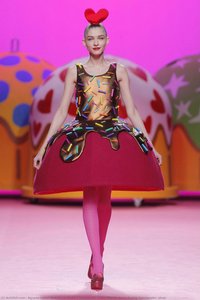
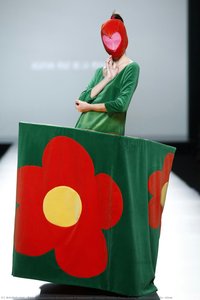
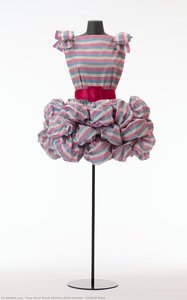
The artwork “Circus Skirt I” by Águeda Isabel Ruiz de la Prada y Sentmenat, created in 2001, is a striking photographic study that encapsulates the essence of contemporary textile art. More than just a garment—though undeniably beautiful—it’s an invitation to immerse oneself in a world brimming with vibrant hues and dynamic patterns. The photograph captures a mannequin draped elegantly in a voluminous skirt crafted from silk or a similar luxurious material, showcasing the artist's masterful command of visual composition.- Overall Impression: The image depicts a mannequin wearing a flamboyant skirt adorned with large, pink polka dots. Its dramatic drape contributes to an exaggerated silhouette, instantly conveying a sense of whimsy and theatrical flair.
- Stylistic Influences: Ruiz de la Prada’s aesthetic leans heavily toward couture fashion, referencing the bold experimentation characteristic of avant-garde designers. The photograph's minimalist approach—focused solely on the skirt and mannequin—highlights its form and texture against a neutral backdrop.
- Technical Considerations: Employing photographic techniques, the artist meticulously captures every detail of the fabric’s folds and patterns, emphasizing their visual impact. Soft lighting enhances the textures and colors, creating an atmosphere that is both inviting and sophisticated.
Exploring Águeda Ruiz de la Prada's Artistic Vision
Águeda Isabel Ruiz de la Prada y Sentmenat—known universally as Ágatha Ruiz de la Prada—emerges from a lineage steeped in artistic heritage. Growing up surrounded by the masterpieces of Andy Warhol and Miró instilled within her an unwavering appreciation for color, form, and expressive visual language. This formative influence profoundly shaped her artistic trajectory, propelling her toward fashion design as a medium for conveying joy and challenging conventional boundaries. Her early fascination with painting served as a springboard for exploring textile art, recognizing its capacity to communicate emotion and stimulate imagination.- Early Influences: Ruiz de la Prada’s father's collection of artworks—particularly those by Warhol and Miró—provided invaluable inspiration for her artistic sensibilities. These artists championed bold experimentation and playful distortion, values that resonate throughout Ruiz de la Prada’s distinctive style.
- Conceptual Framework: The artist’s work operates on a conceptual level, aiming to transcend mere decoration and engage viewers in contemplation about beauty and creativity. Her designs are imbued with symbolic meaning—often referencing circus motifs—reflecting her fascination with spectacle and transformation.
A Symphony of Color and Texture
The color palette dominates by creamy beige and vibrant pink creates a captivating visual contrast, mirroring the playful spirit of the artwork itself. The predominant hue—beige—serves as a grounding element, anchoring the composition while allowing the pink polka dots to burst forth with energy and vibrancy. These dots are strategically positioned across the skirt’s surface, generating an optical illusion that draws the eye upward and outward.- Color Harmony: Ruiz de la Prada skillfully employs color harmony principles—specifically complementary colors—to maximize visual impact. The pink polka dots harmonize beautifully with the beige fabric, creating a dynamic interplay of hues that stimulates perception.
- Material Texture: The photograph meticulously reveals the texture of the silk or similar material, emphasizing its fluidity and drape. Subtle folds accentuate the skirt’s volume, contributing to its dramatic silhouette and enhancing its tactile appeal.
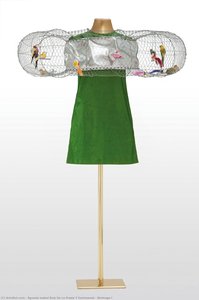
Circus Skirt II – A Continuation of Bold Expression
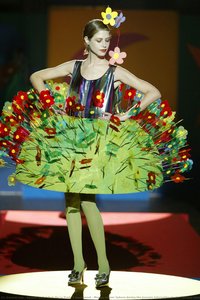
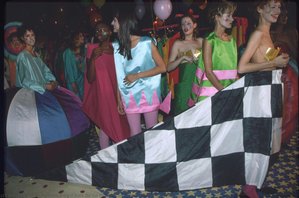
The second artwork by Ruiz de la Prada, “Circus Skirt II,” continues her exploration of color and form with equally impressive results. This photograph showcases a mannequin draped in a skirt featuring bold stripes—a stylistic choice that reinforces the artist’s commitment to visual dynamism. Like its predecessor, “Circus Skirt I,” this piece exemplifies Ruiz de la Prada's signature aesthetic: contemporary fashion combined with meticulous attention to detail and textural nuance.- Geometric Composition: The bold stripes contribute to a geometric composition that adds structure and rhythm to the image. They intersect diagonally across the skirt’s surface, creating visual interest and guiding the viewer’s gaze.
- Photographic Technique: Ruiz de la Prada utilizes photographic techniques—such as careful lighting and framing—to maximize the impact of her artwork. The photograph captures the garment in its entirety, presenting it as a self-contained visual experience.
Related Artworks
Artist Biography
A Kaleidoscope of Joy: The World of Ágatha Ruiz de la Prada
Águeda Isabel Ruiz de la Prada y Sentmenat, known to the world as Ágatha Ruiz de la Prada, is more than a fashion designer; she’s an architect of happiness. Born in Madrid in 1960 into a family steeped in both aristocracy and artistic appreciation, her journey has been one of vibrant rebellion against convention, transforming the landscape of Spanish design with a playful spirit that continues to captivate globally. Growing up surrounded by art – her father was a collector boasting works by luminaries like Andy Warhol and Miró – instilled within young Ágatha an innate understanding of color, form, and the power of visual expression. This early exposure wasn’t about replicating masters but absorbing their audacity, their willingness to challenge norms, a seed that would blossom into her signature aesthetic. Initially aspiring to be a painter herself, she ultimately found her canvas in clothing, recognizing its potential for wearable art, for broadcasting joy directly onto the human form.From Madrid’s Movida to International Acclaim
Ágatha's entry into the fashion world was remarkably swift and impactful. In 1981, she launched her first women’s collection, a burst of color and whimsical designs that immediately resonated with a Spain undergoing its own cultural explosion – *La Movida Madrileña*. This post-Franco era saw a surge in artistic freedom and experimentation, and Ágatha became one of its most visible and exuberant proponents. Her early work wasn't about sleek sophistication; it was deliberately childlike, adorned with hearts, flowers, stars, and bold, unapologetic hues. A pivotal partnership with El Corte Inglés, the Spanish department store chain, catapulted her designs into mainstream consciousness, making them accessible to a wider audience and solidifying her position as a rising star. This wasn’t merely commercial success; it was a cultural moment, injecting a much-needed dose of optimism and playfulness into a society emerging from decades of restraint. Her expansion beyond clothing in 1991 – licensing her brand for everything from ceramics and toys to linens and makeup – demonstrated an astute business sense alongside her artistic vision, transforming “Ágatha Ruiz de la Prada” into a lifestyle empire spanning over 140 countries.Aristocratic Roots & Artistic Influences
The title of Marchioness of Castelldosríus and Baroness of Santa Pau, bestowed upon her in 2010 after a protracted legal battle with an uncle, adds another layer to the fascinating narrative of Ágatha’s life. While she embraces her aristocratic heritage, it has never defined her artistic output. Instead, it provides a unique perspective – a playful subversion of tradition. Her designs are often described as surrealist, and indeed, there's a clear lineage connecting her work to the dreamlike imagery of artists like Salvador Dalí and René Magritte. However, she also draws heavily from Pop Art, particularly the bold colors and graphic simplicity of Andy Warhol, whose influence is evident in her recurring motifs and playful appropriation of everyday objects. Beyond visual art, Ágatha cites a deep appreciation for music and performance, elements that contribute to the theatricality and energy of her fashion shows. She doesn’t simply present clothes; she creates experiences, immersive worlds where joy and imagination reign supreme.A Legacy of Color & Celebration
Ágatha Ruiz de la Prada's influence extends far beyond the realm of high fashion. She has dressed numerous celebrities, most notably Miley Cyrus, who embraced her designs with an enthusiasm that perfectly captured their spirit of playful rebellion. Her work is a celebration of individuality, encouraging people to embrace color and express themselves without reservation. The Agatha Ruiz de la Prada Foundation, established in Madrid, serves as a testament to her commitment to art and culture, showcasing her own creations alongside works by other artists who share her vision. She has collaborated with major brands like Mattel (designing a dress for Barbie) and Vorwerk (creating vibrant rug collections), demonstrating the versatility of her aesthetic and its appeal across diverse platforms. More than just a designer, Ágatha is a cultural icon, a symbol of optimism, creativity, and the enduring power of joy. Her designs aren’t simply garments; they are statements – declarations of individuality, celebrations of life, and reminders that fashion can be, above all else, *fun*.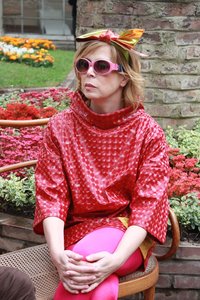
Águeda Isabel Ruiz de la Prada y Sentmenat
1960 - , Spain
Quick Facts
- Artistic Movement Or Style: Colorful fashion, Pop art
- Artists Who Influenced This Artist:
- Andy Warhol
- Miro
- Date Of Birth: July 22, 1960
- Full Name: Águeda Isabel Ruiz de la Prada
- Nationality: Spanish
- Notable Artworks:
- Sketches Greatest Hits
- Rooster
- Dress selection
- Place Of Birth: Madrid, Spain
Related Articles
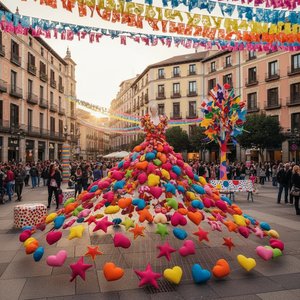
Águeda Ruiz de la Prada: A Study of Eclecticism & Emotional Resonance in Contemporary Spanish Painting
Discover the vibrant world of Ágatha Ruiz de la Prada, a leading figure in contemporary Spanish art. Explore her eclectic style, emotional depth & legacy – a must-read for discerning collectors.

Goya's Masterpieces: Explore 25 Iconic Paintings & Art Prints | ArtsDot
Delve into the world of Francisco Goya with ArtsDot. Explore 25 iconic paintings – from 'The Third of May' to his haunting Black Paintings. Discover the stories, techniques & emotions behind these Spanish masterpieces. Find museum-quality art reproductions for your home at ArtsDot.com!

Bronze Sculptures That Defined Art History | ArtsDot
Journey through art history with our Top 10 bronze sculptures! Explore masterpieces by Rodin, Michelangelo & more. Discover stories behind iconic statues and find museum-quality reproductions for your home decor at ArtsDot.com.

The Enduring Form: Exploring Themes & Techniques in Sculpture Across Historical Periods
Explore the rich history of sculpture from ancient masterpieces to contemporary innovations. Discover key techniques, influential artists & investment potential for discerning art collectors.

Bronze Age to Modern Masters: 10 Sculptures That Redefined Art | ArtsDot
Journey through art history with 10 legendary bronze sculptures – from Michelangelo's David to Rodin’s Thinker. Explore the stories, techniques & timeless beauty of these masterpieces. Find museum-quality reproductions & elevate your home decor on ArtsDot.com.