

 Send
Send Share
Share
 Details

 Download
 Similars
 Diaporama
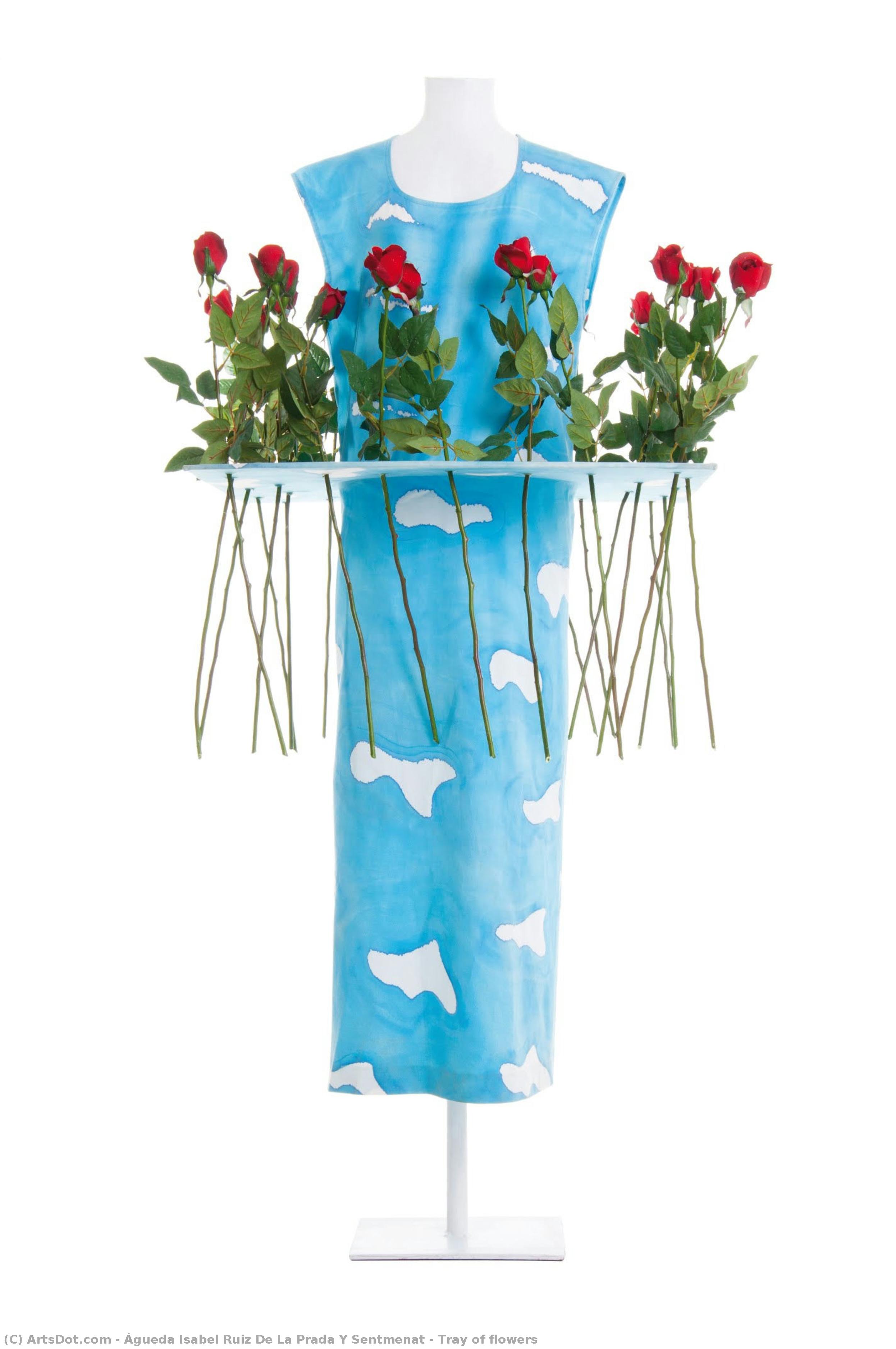
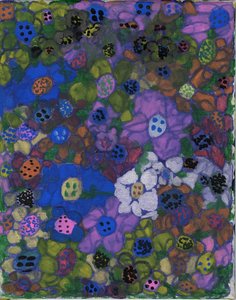
Tray of flowers


 Read More
Purchase a high-resolution, enhanced digital image, far superior to the online preview.
Each file is meticulously prepared by our in-house specialists using advanced tools and expert manual retouching. We ensure every image has exceptional clarity, precise color accuracy, and fine detail.
The final file is delivered via email within 72 hours, optimized for immediate use in professional, editorial, and print environments. This is the same quality trusted by top-tier design studios, publishers, and galleries.
Digital Image
Download a high-resolution file for personal display, printing, and creative projects. ( Buy Print Buy Hand Made Painting)
Included in Every Digital Image Order
Expert Digital Delivery, Guaranteed
When you choose ArtsDot.com, you're not just getting an image - you're receiving a professionally enhanced digital artwork, crafted with precision and backed by a satisfaction guarantee. Here's everything that comes with your order, automatically:

Fast Email Delivery
Your high-resolution digital image file will be emailed to you within 72 hours of ordering - ready for immediate use.

AI-Enhanced Digital File
Your artwork is professionally optimized using advanced AI tools and manual editing, ensuring maximum detail, clarity, and color accuracy.

Free Lifetime Re-Delivery
Accidentally deleted or lost your file? No worries - we'll resend it to you anytime, free of charge.

No Import Fees - Ever
Enjoy your artwork instantly with zero customs, duties, or delivery fees - digital downloads are always tax-free.

Color Accuracy Guarantee
We ensure your digital image reflects the original colors as closely as possible using professional tools and color management.

60-Day Satisfaction Guarantee
If you're not satisfied with your digital image, we'll revise it or refund 100% within 60 days - no questions asked.

100% Money-Back Guarantee
Not satisfied? Get a full refund within 60 days of receiving your digital file - no questions asked.

Bulk Order Discounts
Buy 3 images, save 10% - Buy 5, save 15% - Buy 10+, save 20%. Great for creative projects, galleries, and agencies.
A Symphony of Silk and Petals
In the realm of wearable art, few pieces capture the whimsical essence of Spanish creativity quite like Tray of Flowers. Created in 1998 by the visionary Ágatha Ruiz de la Prada, this extraordinary creation transcends the boundaries of traditional fashion, merging the tactile intimacy of sculpture with the fluid grace of haute couture. The piece is a masterclass in texture and dimension, meticulously constructed from a delicate marriage of hand-painted silk, structured foam cardboard, and fabric flowers that mimic the ephemeral beauty of nature. It is not merely a garment but a three-dimensional garden, an architectural feat of soft materials that invites the viewer to lose themselves in its intricate, layered landscape.
The visual narrative of the work is one of profound joy and unexpected discovery. At first glance, the eye is drawn to the striking blue expanse of the dress, which serves as a serene sky for the white floral blooms to dance upon. However, closer inspection reveals a playful subversion of expectations; hidden within the fabric are subtle fish shapes, a signature touch of de la Prada’s surrealist-inspired aesthetic. This interplay between the terrestrial—the flowers—and the aquatic—the fish—creates a dreamlike atmosphere, suggesting a world where the elements blend seamlessly. The arrangement is further enriched by its presentation, often envisioned amidst a sea of vases and scattered roses, echoing the artist's lifelong obsession with color, form, and the boundless energy of life.
The Legacy of Joyful Rebellion
To understand the soul of Tray of Flowers, one must look to the lineage of its creator. Born into a Madrid family where the works of Andy Warhol and Joan Miró were part of the domestic tapestry, Ágatha Ruiz de la Prada inherited a profound understanding of visual audacity. Her technique avoids the rigid constraints of classical tailoring, opting instead for a "kaleidoscope of joy" that challenges the somber norms of high fashion. The use of hand-painted silk allows for a level of expressive freedom usually reserved for canvas painting, making each fold and drape a stroke of a brush. This piece stands as a testament to her ability to transform clothing into an emotional experience, using vibrant palettes to evoke happiness and a sense of childlike wonder.
For the discerning collector or interior designer, this work offers more than just aesthetic pleasure; it provides a focal point of conversation and inspiration. As a reproduction of such a significant moment in late 20th-century Spanish design, it brings an element of avant-garde sophistication to any curated space. Whether displayed as a centerpiece in a contemporary gallery setting or used to anchor the vibrant energy of a luxury lounge, the piece radiates a sense of optimism. It serves as a reminder that art, much like fashion, is at its most powerful when it dares to be playful, breaking the boundaries between the wearer and the world, and turning the simple act of observation into an emotional journey.
Related Artworks



Artist Biography
A Kaleidoscope of Joy: The World of Ágatha Ruiz de la Prada
Águeda Isabel Ruiz de la Prada y Sentmenat, known to the world as Ágatha Ruiz de la Prada, is more than a fashion designer; she’s an architect of happiness. Born in Madrid in 1960 into a family steeped in both aristocracy and artistic appreciation, her journey has been one of vibrant rebellion against convention, transforming the landscape of Spanish design with a playful spirit that continues to captivate globally. Growing up surrounded by art – her father was a collector boasting works by luminaries like Andy Warhol and Miró – instilled within young Ágatha an innate understanding of color, form, and the power of visual expression. This early exposure wasn’t about replicating masters but absorbing their audacity, their willingness to challenge norms, a seed that would blossom into her signature aesthetic. Initially aspiring to be a painter herself, she ultimately found her canvas in clothing, recognizing its potential for wearable art, for broadcasting joy directly onto the human form.From Madrid’s Movida to International Acclaim
Ágatha's entry into the fashion world was remarkably swift and impactful. In 1981, she launched her first women’s collection, a burst of color and whimsical designs that immediately resonated with a Spain undergoing its own cultural explosion – *La Movida Madrileña*. This post-Franco era saw a surge in artistic freedom and experimentation, and Ágatha became one of its most visible and exuberant proponents. Her early work wasn't about sleek sophistication; it was deliberately childlike, adorned with hearts, flowers, stars, and bold, unapologetic hues. A pivotal partnership with El Corte Inglés, the Spanish department store chain, catapulted her designs into mainstream consciousness, making them accessible to a wider audience and solidifying her position as a rising star. This wasn’t merely commercial success; it was a cultural moment, injecting a much-needed dose of optimism and playfulness into a society emerging from decades of restraint. Her expansion beyond clothing in 1991 – licensing her brand for everything from ceramics and toys to linens and makeup – demonstrated an astute business sense alongside her artistic vision, transforming “Ágatha Ruiz de la Prada” into a lifestyle empire spanning over 140 countries.Aristocratic Roots & Artistic Influences
The title of Marchioness of Castelldosríus and Baroness of Santa Pau, bestowed upon her in 2010 after a protracted legal battle with an uncle, adds another layer to the fascinating narrative of Ágatha’s life. While she embraces her aristocratic heritage, it has never defined her artistic output. Instead, it provides a unique perspective – a playful subversion of tradition. Her designs are often described as surrealist, and indeed, there's a clear lineage connecting her work to the dreamlike imagery of artists like Salvador Dalí and René Magritte. However, she also draws heavily from Pop Art, particularly the bold colors and graphic simplicity of Andy Warhol, whose influence is evident in her recurring motifs and playful appropriation of everyday objects. Beyond visual art, Ágatha cites a deep appreciation for music and performance, elements that contribute to the theatricality and energy of her fashion shows. She doesn’t simply present clothes; she creates experiences, immersive worlds where joy and imagination reign supreme.A Legacy of Color & Celebration
Ágatha Ruiz de la Prada's influence extends far beyond the realm of high fashion. She has dressed numerous celebrities, most notably Miley Cyrus, who embraced her designs with an enthusiasm that perfectly captured their spirit of playful rebellion. Her work is a celebration of individuality, encouraging people to embrace color and express themselves without reservation. The Agatha Ruiz de la Prada Foundation, established in Madrid, serves as a testament to her commitment to art and culture, showcasing her own creations alongside works by other artists who share her vision. She has collaborated with major brands like Mattel (designing a dress for Barbie) and Vorwerk (creating vibrant rug collections), demonstrating the versatility of her aesthetic and its appeal across diverse platforms. More than just a designer, Ágatha is a cultural icon, a symbol of optimism, creativity, and the enduring power of joy. Her designs aren’t simply garments; they are statements – declarations of individuality, celebrations of life, and reminders that fashion can be, above all else, *fun*.
Águeda Isabel Ruiz de la Prada y Sentmenat
1960 - , Spain
Quick Facts
- Artistic Movement Or Style: Colorful fashion, Pop art
- Artists Who Influenced This Artist:
- Andy Warhol
- Miro
- Date Of Birth: July 22, 1960
- Full Name: Águeda Isabel Ruiz de la Prada
- Nationality: Spanish
- Notable Artworks:
- Sketches Greatest Hits
- Rooster
- Dress selection
- Place Of Birth: Madrid, Spain

