

 Preview
 Send
Send Share
Share
 Details

 Download
 Similars
 X-Ray
X-Ray Diaporama
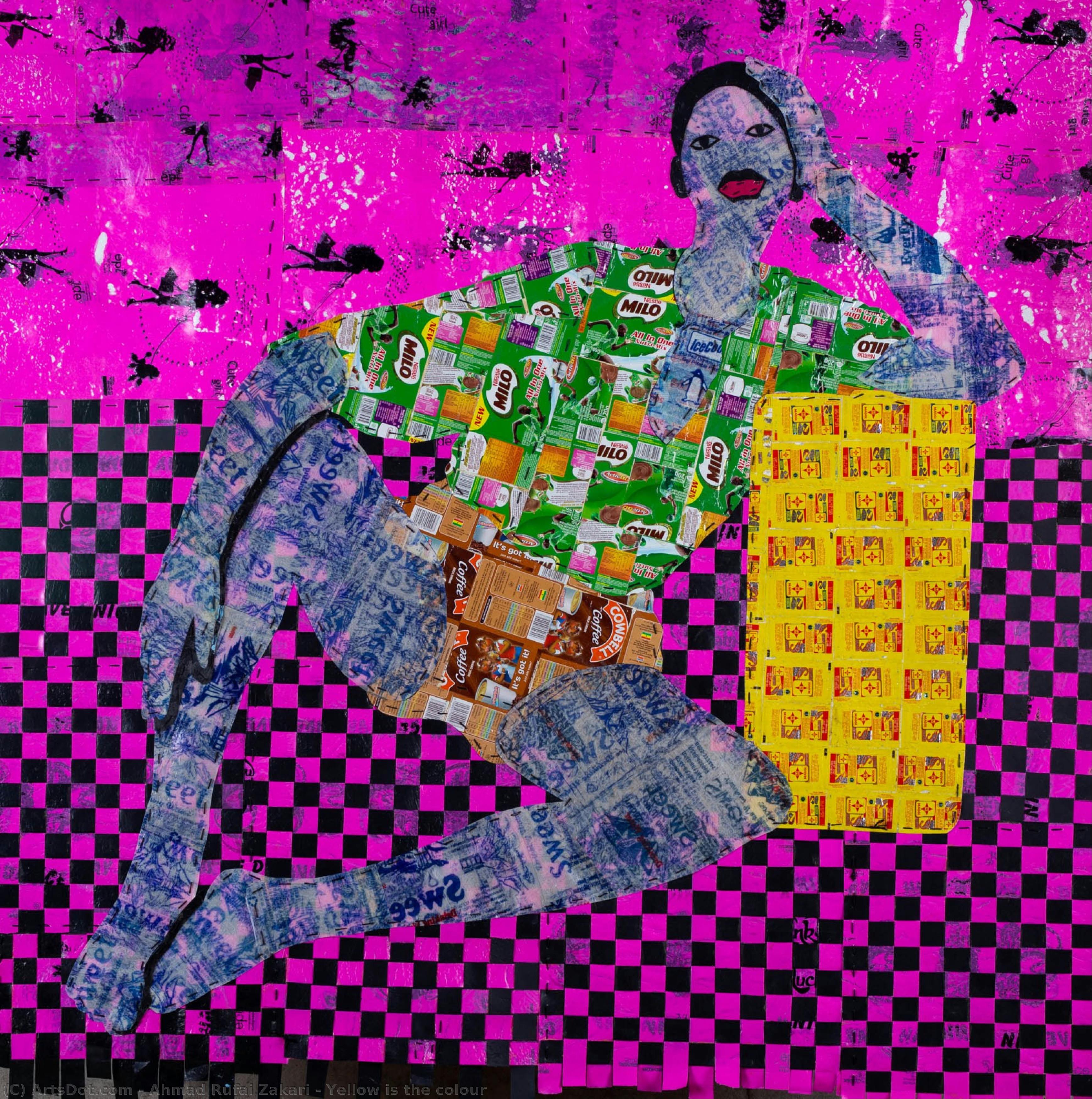
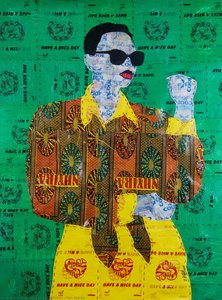
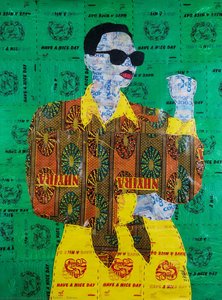
Yellow is the colour


 Read More
Purchase a high-resolution, enhanced digital image, far superior to the online preview.
Each file is meticulously prepared by our in-house specialists using advanced tools and expert manual retouching. We ensure every image has exceptional clarity, precise color accuracy, and fine detail.
The final file is delivered via email within 72 hours, optimized for immediate use in professional, editorial, and print environments. This is the same quality trusted by top-tier design studios, publishers, and galleries.
Digital Image
Download a high-resolution file for personal display, printing, and creative projects. ( Buy Print Buy Hand Made Painting)
Included in Every Digital Image Order
Expert Digital Delivery, Guaranteed
When you choose ArtsDot.com, you're not just getting an image - you're receiving a professionally enhanced digital artwork, crafted with precision and backed by a satisfaction guarantee. Here's everything that comes with your order, automatically:

Fast Email Delivery
Your high-resolution digital image file will be emailed to you within 72 hours of ordering - ready for immediate use.

AI-Enhanced Digital File
Your artwork is professionally optimized using advanced AI tools and manual editing, ensuring maximum detail, clarity, and color accuracy.

Free Lifetime Re-Delivery
Accidentally deleted or lost your file? No worries - we'll resend it to you anytime, free of charge.

No Import Fees - Ever
Enjoy your artwork instantly with zero customs, duties, or delivery fees - digital downloads are always tax-free.

Color Accuracy Guarantee
We ensure your digital image reflects the original colors as closely as possible using professional tools and color management.

60-Day Satisfaction Guarantee
If you're not satisfied with your digital image, we'll revise it or refund 100% within 60 days - no questions asked.

100% Money-Back Guarantee
Not satisfied? Get a full refund within 60 days of receiving your digital file - no questions asked.

Bulk Order Discounts
Buy 3 images, save 10% - Buy 5, save 15% - Buy 10+, save 20%. Great for creative projects, galleries, and agencies.
Collectible Description
Related Artworks

Artist Biography
The Alchemy of Waste: The Visionary Art of Ahmad Rufai Zakari
In the vibrant landscape of contemporary Ghanaian art, few voices resonate with as much tactile urgency and social depth as Ahmad Rufai Zakari. Born in Ghana in 1990, Zakari has emerged not merely as a creator of images, but as an alchemist of the discarded. His practice is a profound engagement with the realities of modern existence, specifically the environmental and human costs of global consumerism. Growing up amidst the shifting tides of Ghanaian society, Zakari witnessed firsthand the pervasive impact of industrialization—the way single-use plastics, once convenient, become permanent scars upon the landscape. This observation became the seed for an artistic journey that seeks to transform the ephemeral debris of modern life into enduring monuments of human dignity.
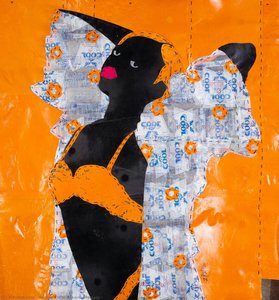
Zakari’s medium is perhaps his most radical statement. Eschewing traditional oils or acrylics, he utilizes a sophisticated form of collage and assemblage, meticulously repurposing single-use plastics—bags, food packaging, water sachets, and bottles—to construct his figures. This technique is far more than an aesthetic choice; it is a deliberate act of environmental stewardship. By trimming these found objects into precise shapes and stitching them together with rope and needle, he creates a textured, multidimensional surface that mimics the depth of fine art painting while retaining the raw, physical reality of its components. In his hands, the very materials that threaten our ecosystems are reborn as canvases of beauty, forcing the viewer to confront their own relationship with consumption and the culture of disposability.
Reimagining Identity Through Plastic and Thread
The subjects of Zakari’s work are often powerful, dynamic portraits of women, particularly Black women, who serve as vessels for themes of resilience, strength, and defiance. His compositions frequently feature figures in motion or poised with a commanding presence, embodying aspirations for liberation and empowerment. Through his use of vibrant, often clashing colors found within plastic wrappers, he creates a visual rhythm that feels both contemporary and deeply rooted in the aesthetic traditions of African textiles and folklore. These portraits are not mere representations; they are reimagined icons that challenge conventional perspectives on femininity and social status.
Several of his works stand as pillars of his creative achievement, each exploring different facets of the human condition:
- Janet: A mesmerizing masterpiece that functions as a complex, tactile tapestry. In this piece, Zakari explores themes of carelessness and transgression, using the textures of food packages to create a figure that is both fragile and indomitable.
- Zakiya: A vibrant celebration of modernity where the boundaries between waste and wonder dissolve. Clad in a brilliant yellow shirt, the subject stands as a beacon of joy against a lush backdrop, illustrating how beauty can be reclaimed from the overlooked.
- Hawa One: A work that invites the viewer into a world where the discarded becomes divine, featuring a serene presence draped in luminous colors that radiate warmth and spiritual depth.
- Melanin I: An energetic exploration of movement and identity, where the rhythmic presence of a dancing figure captures the uninhibited spirit of life amidst the remnants of consumer culture.
A Legacy of Social Commentary and Artistic Evolution
The evolution of Zakari’s style reveals a deep connection to the history of collage, drawing subtle inspirations from Surrealist pioneers such as Kurt Schwitters and Max Ernst. However, he has moved beyond mere imitation to create a uniquely African narrative that addresses the specificities of labor exploitation and environmental degradation in contemporary Ghana. His work sits at the intersection of fine art and activism, where every stitch of thread and every fragment of plastic serves as a critique of the pervasive culture of waste.
As his practice continues to develop, Zakari’s historical significance lies in his ability to bridge the gap between the environmental crisis and the human spirit. He compels us to look closer at what we cast aside, suggesting that within the wreckage of modern consumerism, there exists the potential for profound rebirth. Through his innovative technique and unflinching social gaze, Ahmad Rufai Zakari ensures that the voices of the marginalized and the stories of our changing planet are not just heard, but seen in all their textured, brilliant glory.
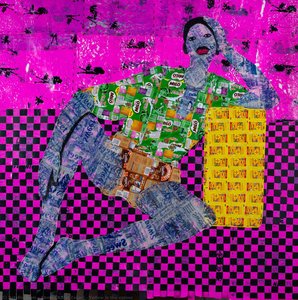
ahmad rufai zakari
1990 - , Ghana
Quick Facts
- Artistic Movement Or Style: Plastic Collage Art
- Full Name: Ahmad Rufai Zakari
- Nationality: Ghanaian
- Notable Artworks:
- Janet
- Yellow is the colour
- Place Of Birth: Ghana

