 Preview
 Send
Send Share
Share
 Details

 Download
 Similars
 X-Ray
X-Ray Diaporama
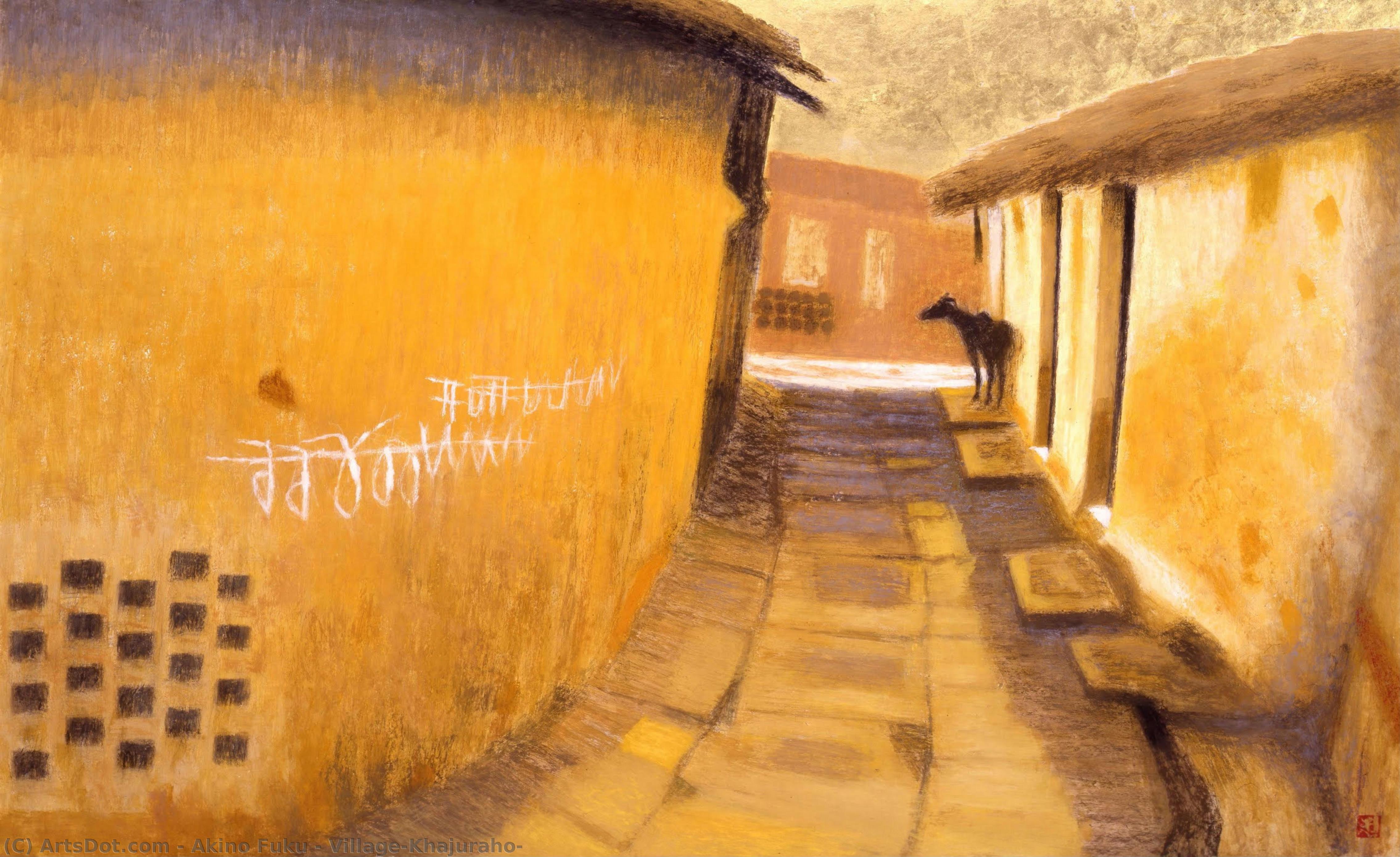
Village(Khajuraho)
 Painting
- Contemporary Realism
 Modern
 184.0 x 114.0 cm
 Hamamatsu City Fuku Akino Art Museum
 Read More
Hand Made Oil Reproduction
Hand-painted oil on canvas in your size and frame, made to order by our artists. ( Buy Print Buy Image)




P118B $10

P118H $10

P118W $10

P438Z $10

P508JH $12

P508YH $12

P805H $10

P805Z $10

P919BZ $10

P919G $10

P919XJ $10

P959ZH $10

P968JZ $12

W106C $8

W218G $10

W218JH $8

W218Y $10

W307PJ $10

W316G $10

W316PJ $8

W316Y $10

W398PJ $8

W4111J $10

W500HY $15

W500JH $15

W692G $12

W849H $8

W940BG $15

W953PJ $8




Pick from our preset sizes that match the artwork's original proportions.

You may enter your own dimensions to fit a specific frame or space. If your selected size does not match the original image's proportions, we will either crop the artwork or extend the painting with additional hand-painted elements. A digital mockup will be sent for your approval before production begins.
Please note that the on-screen preview does not reflect the actual cropping or extension. Only the mockup will accurately show the final composition.
While custom sizes are available, we recommend selecting a dimension from the predefined list to preserve the original proportions.
After order, ArtsDot.com team will email client for instructions and provide a mockup preview
Worldwide Delivery () in 3/4 weeks instead of standard 5 weeks. (21 August). No compromise on quality.

Free Worldwide Express Shipping

High-Quality Linen Canvas

Full Shipping Insurance

Customs Tax Refund Guarantee

True Color Matching Guarantee

60-Day Return Policy (Defects Only)

100% Money-Back Guarantee

Bulk Discount Offer
 Glass option is only available in size under 110 CM

Village(Khajuraho)
Reproduction Medium
Reproduction Size
-


Total Price
$ 263
Artwork Description
A Window into Timeless India
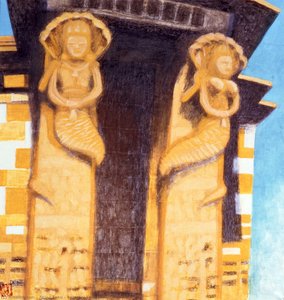
In the evocative masterpiece Village (Khajuraho), the viewer is transported to the heart of central India, where the golden warmth of the sun seems to permeate the very canvas. The painting captures a serene moment within a village setting, likely inspired by the artist's profound connection to the Indian landscape. At the center of this composition stands a horse, its poised silhouette acting as a silent observer of the daily rhythms unfolding around it. The scene is populated with the gentle traces of human life—figures moving through the settlement and a loyal dog resting near a traveler—all set against a luminous yellow background that bathes the entire landscape in an amber, nostalgic glow. This use of color does more than just depict light; it evokes a sense of eternal afternoon, a moment frozen in time where the bustle of the world fades into a peaceful, sun-drenched stillness.
The artistry of Akino Fuku is defined by a rare and beautiful synthesis of traditions. Having trained in the rigorous Japanese-style painting techniques under Suisho Nishiyama, Fuku brought a disciplined eye for line and form to her subjects. However, her soul was deeply moved by the vibrant textures and cultural richness of India. In Village (Khajuraho), one can observe this fusion: the delicate, precise brushwork characteristic of Japanese aesthetics meets the expansive, atmospheric warmth of Indian landscapes. The way the buildings are layered, with some receding into the soft distance while others anchor the foreground, creates a profound sense of depth and spatial harmony that invites the eye to wander through the village streets.
Historical Resonance and Cultural Soul
To understand this work is to understand the spirit of Khajuraho itself. While the region is globally renowned for its magnificent temple ruins and intricate sculptures of the Chandela dynasty, Fuku chooses to look away from the stone monuments and toward the living, breathing pulse of the village. She captures the "human" side of history—the continuity of life that persists long after empires have faded. This choice imbues the painting with a deep sense of empathy and respect for the local way of life. For collectors and lovers of fine art, this piece offers more than just a visual depiction; it offers a narrative of cultural intersection, where the artist's Japanese heritage meets her profound love for the Indian subcontinent.
For those looking to integrate such a piece into a curated interior, Village (Khajuraho) serves as a magnificent focal point. Its warm palette and tranquil subject matter make it an ideal selection for spaces designed for contemplation and warmth, such as a study, a library, or a sophisticated living area. The painting does not merely decorate a wall; it opens a portal to another time and place, bringing a sense of worldly wisdom and quiet elegance to any architectural setting. It is a testament to the power of art to bridge distances, connecting the viewer to the timeless beauty of a landscape far from home.
Related Artworks
Artist Biography
early life and training
akino fuku, a renowned japanese painter, was born in futamata, iwata-gun, shizuoka prefecture, japan in 1908. she began her artistic journey under the guidance of suisho nishiyama in kyoto, where she studied japanese-style painting.artistic career and style
akino fuku's work is characterized by its focus on indian themes, landscapes, and peoples. her unique style, which blends traditional japanese techniques with her fascination for indian culture, has captivated audiences worldwide. notably, her artwork "returning through the fields" (1930) was selected for the teiten exhibition, marking a significant milestone in her career.international recognition and travel
in 1962, akino fuku was invited to teach at visva-bharati university in india as a guest professor. this experience deeply influenced her work, leading to numerous subsequent visits to the country. her travels also extended to afghanistan, nepal, cambodia, and africa, which she depicted in her artwork.awards and legacy
akino fuku's contributions to japanese art have been recognized with several awards, including the order of cultural merit (1991) and the order of culture (1999). her legacy continues to inspire artists and art enthusiasts alike.notable artworks and exhibitions
* "on the sand" (1936), exhibited at the bunten juried exhibition * "the significance of the museum of fine arts (gifu, japan)", featuring her work at the museum of fine arts (gifu, japan) * featured in the collection of the murauchi art museum in tokyo, japan- view akino fuku's artworks on ArtsDot.com: https://ArtsDot.com/@/akino fuku
- explore her biography and notable works on wikipedia: https://en.wikipedia.org/wiki/fuku_akino
conclusion
akino fuku's remarkable life and artistic career serve as a testament to her innovative spirit and dedication to capturing the essence of diverse cultures. through her work, she continues to inspire new generations of artists and art enthusiasts worldwide.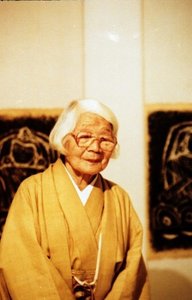
akino fuku
1908 - 2001 , Japan
Quick Facts
- Artistic Movement Or Style: Nihonga, Indian themes
- Artists Or Movements Influenced By This Artist: ['Sozo Bijutsu']
- Artists Who Influenced This Artist:
- Suisho Nishiyama
- Ishii Rinkyo
- Date Of Birth: 1908-07-25
- Date Of Death: 2001-10-11
- Full Name: Akino Fuku
- Nationality: Japanese
- Notable Artworks:
- On the Sand (1936)
- The Significance...
- River Crossing
- Place Of Birth: Futamata, Hamamatsu City, Japan
Related Articles

Romantic Landscapes: 10 Masterpieces for Your Home | ArtsDot
Journey through 10 Romantic landscape masterpieces by Friedrich, Turner & Cole. Explore emotional art, sublime nature scenes & iconic 19th-century paintings. Find museum-quality reproductions for your home at ArtsDot.com – discover the full collection online!

John Constable's Masterpieces: Explore 25 Iconic Landscapes for Your Home
Journey through John Constable's 25 most celebrated landscapes. Explore Romanticism, Dedham Vale & his masterful use of light in iconic paintings like 'Hay Wain'. Find museum-quality art reproductions and elevate your home decor on ArtsDot.com.

Evocations of Place: A Historical Journey Through Landscape Art
Explore the rich history of landscape art with ArtsDot. Discover renowned artists, movements like Impressionism & Romanticism, and expert guidance for collecting timeless pieces. Find your perfect serene escape today!
Evocations of Place: A Historical Journey Through Landscape Art
Explore the rich history of landscape art with ArtsDot. Discover renowned artists, movements like Impressionism & tonalism, and expert guidance for collecting timeless pieces. Find your perfect serene escape today!

Impressionistic Landscapes: 10 Masterpieces That Changed Art & Decor
Journey into the heart of Impressionism! Explore 10 masterpieces by Monet, Renoir & Degas that revolutionized landscape art. Discover their stories, techniques & find museum-quality reproductions to elevate your home decor on ArtsDot.com.