

 Preview
 Send
Send Share
Share
 Details

 Download
 Similars
 X-Ray
X-Ray Diaporama
 Stats
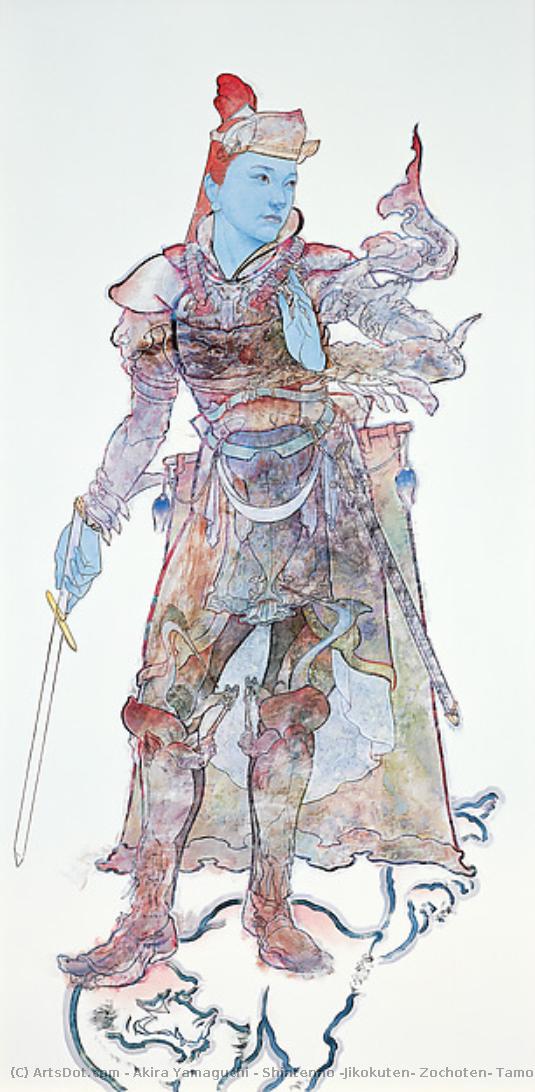
StatsShintenno (Jikokuten, Zochoten, Tamonten, Komokuten)
 Contemporary
 2006
2006 194.0 x 97.0 cm
 Read More
Purchase a high-resolution, enhanced digital image, far superior to the online preview.
Each file is meticulously prepared by our in-house specialists using advanced tools and expert manual retouching. We ensure every image has exceptional clarity, precise color accuracy, and fine detail.
The final file is delivered via email within 72 hours, optimized for immediate use in professional, editorial, and print environments. This is the same quality trusted by top-tier design studios, publishers, and galleries.
Digital Image
Download a high-resolution file for personal display, printing, and creative projects. ( Switch to Print Buy Hand Made Painting)
Included in Every Digital Image Order
Expert Digital Delivery, Guaranteed
When you choose ArtsDot.com, you're not just getting an image - you're receiving a professionally enhanced digital artwork, crafted with precision and backed by a satisfaction guarantee. Here's everything that comes with your order, automatically:

Fast Email Delivery
Your high-resolution digital image file will be emailed to you within 72 hours of ordering - ready for immediate use.

AI-Enhanced Digital File
Your artwork is professionally optimized using advanced AI tools and manual editing, ensuring maximum detail, clarity, and color accuracy.

Free Lifetime Re-Delivery
Accidentally deleted or lost your file? No worries - we'll resend it to you anytime, free of charge.

No Import Fees - Ever
Enjoy your artwork instantly with zero customs, duties, or delivery fees - digital downloads are always tax-free.

Color Accuracy Guarantee
We ensure your digital image reflects the original colors as closely as possible using professional tools and color management.

100-Day Satisfaction Guarantee
If you're not satisfied with your digital image, we'll revise it or refund 100% within 100 days - no questions asked.

100% Money-Back Guarantee
Not satisfied? Get a full refund within 100 days of receiving your digital file - no questions asked.

Bulk Order Discounts
Buy 3 images, save 10% - Buy 5, save 15% - Buy 10+, save 20%. Great for creative projects, galleries, and agencies.
Related Artworks
Artist Biography
Akira Yamaguchi: Bridging Tradition and Innovation in Yamato-e Painting
Akira Yamaguchi (山口晃, *Yamaguchi Akira*; born 1969 in Tokyo, Japan) stands at the intersection of Japanese artistic heritage and contemporary visual expression. His distinctive style—characterized by a masterful fusion of Yamato-e tradition with oil painting techniques—has garnered international acclaim and cemented his place as one of Japan’s most compelling artists working today. While biographical details remain relatively sparse beyond confirmed birthdate, Yamaguchi's artistic journey has been marked by a profound engagement with Buddhist iconography and a dedication to exploring themes of femininity and spirituality.- Early Life & Artistic Beginnings: Yamaguchi’s formative years were spent in Tokyo, fostering an early appreciation for Japanese art history and aesthetics. He honed his skills through rigorous training in traditional Yamato-e painting—a genre deeply rooted in Buddhist symbolism and known for its serene landscapes and stylized depictions of deities—before transitioning to oil painting as a medium. This deliberate choice reflects a desire not merely to replicate established forms but to reinterpret them with fresh perspectives.
The Influence of Yamato-e Tradition
Yamato-e, originating in the Edo period (1603–1868), represents more than just a stylistic preference for Yamaguchi; it’s an intellectual bedrock. The genre's emphasis on capturing the essence of nature—often imbued with spiritual significance—directly informs his artistic vision. Specifically, Yamaguchi draws inspiration from depictions of Buddhist guardians, or *Shintenno*, transforming them into powerful female figures rendered in luminous watercolor and oil blends. This reimagining isn’t simply decorative; it’s a deliberate challenge to conventional representations, elevating feminine strength and embodying the core tenets of Buddhist philosophy.- Notable Works & Artistic Style: Yamaguchi's oeuvre showcases a remarkable versatility across mediums. He is particularly recognized for his dresses—elaborate textile designs that combine intricate patterns with symbolic imagery—and his contributions to the film ‘Lost in Translation,’ where he created stunning illustrations capturing the melancholic beauty of Tokyo. His technique distinguishes itself through a layered approach: watercolor serves as an initial foundation, establishing tonal harmony and atmospheric depth before being overlaid with oil paint for textural richness and luminosity. This blending process allows him to achieve unparalleled visual impact—capturing both subtle nuances and grand vistas simultaneously.
Exploring Themes of Femininity & Spirituality
Yamaguchi’s artistic explorations consistently grapple with concepts of femininity and spirituality, mirroring the core values of Yamato-e. Recurring motifs – such as lotus blossoms symbolizing purity and enlightenment—underscore his commitment to conveying profound philosophical ideas through visual language. His depictions often portray women not merely as subjects but as active agents embodying resilience and grace, reflecting a broader humanist perspective.- Recognition & Legacy: Yamaguchi’s work has garnered critical acclaim internationally, appearing in prestigious exhibitions and publications. He continues to push boundaries within the contemporary art landscape while honoring the legacy of Yamato-e tradition. His enduring contribution lies in demonstrating how artistic innovation can simultaneously engage with deep cultural roots—a testament to his singular talent and vision.
Further Exploration
For a deeper understanding of Akira Yamaguchi’s artistic practice, consider examining his pieces ‘Shintenno,’ ‘aoi ooinu’, and ‘mata au hi ni’. These artworks exemplify his distinctive style and thematic concerns. You can find more information about his work on ArtsDot.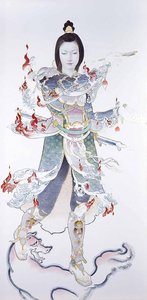
akira yamaguchi
1969 - , Japan
Quick Facts
- Artistic Movement Or Style: Yamato-e & Contemporary Oil Painting
- Date Of Birth: 1969
- Full Name: Akira Yamaguchi
- Nationality: Japanese
- Notable Artworks:
- Shintenno
- aoi ooinu
- mata au hi ni
- Place Of Birth: Tokyo, Japan