

 Preview
 Send
Send Share
Share
 Details

 Download
 Similars
 X-Ray
X-Ray Diaporama
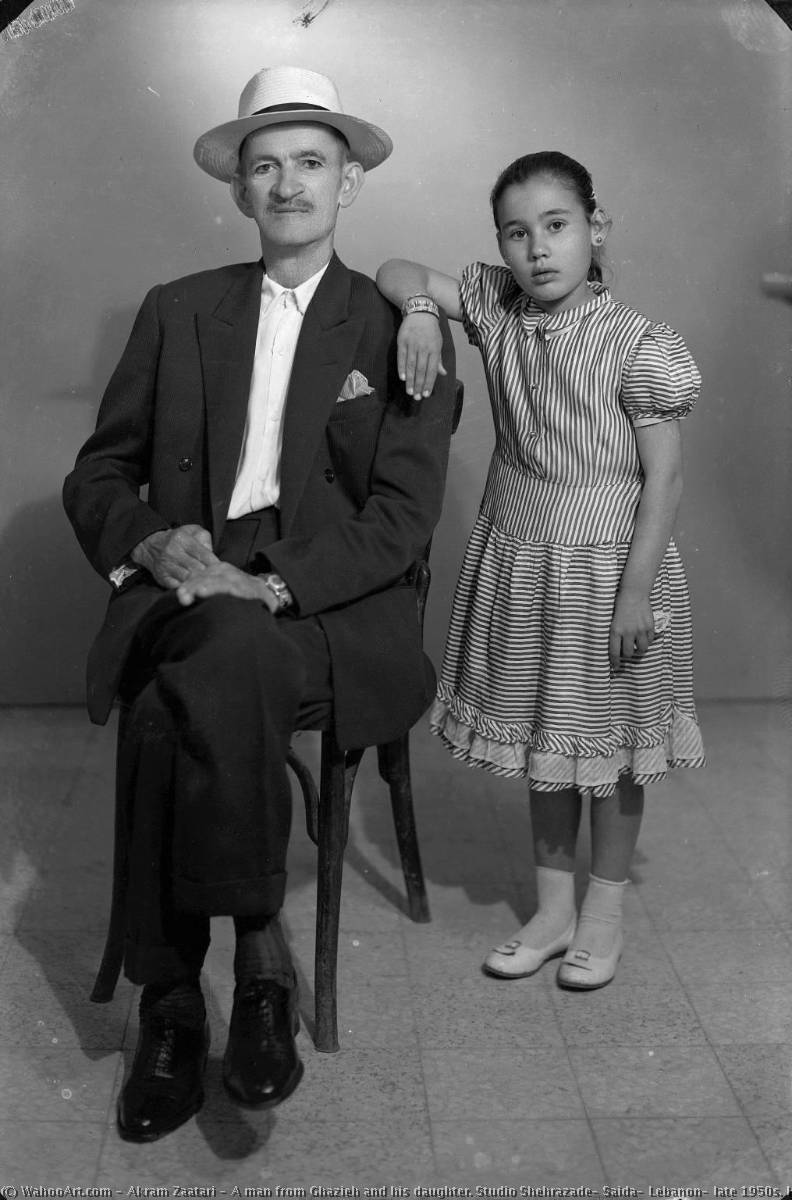
A man from Ghazieh and his daughter. Studio Shehrazade, Saida, Lebanon, late 1950s. Hashem el Madani

 Read More
Purchase a high-resolution, enhanced digital image, far superior to the online preview.
Each file is meticulously prepared by our in-house specialists using advanced tools and expert manual retouching. We ensure every image has exceptional clarity, precise color accuracy, and fine detail.
The final file is delivered via email within 72 hours, optimized for immediate use in professional, editorial, and print environments. This is the same quality trusted by top-tier design studios, publishers, and galleries.
Digital Image
Download a high-resolution file for personal display, printing, and creative projects. ( Buy Print Buy Hand Made Painting)
Included in Every Digital Image Order
Expert Digital Delivery, Guaranteed
When you choose ArtsDot.com, you're not just getting an image - you're receiving a professionally enhanced digital artwork, crafted with precision and backed by a satisfaction guarantee. Here's everything that comes with your order, automatically:

Fast Email Delivery
Your high-resolution digital image file will be emailed to you within 72 hours of ordering - ready for immediate use.

AI-Enhanced Digital File
Your artwork is professionally optimized using advanced AI tools and manual editing, ensuring maximum detail, clarity, and color accuracy.

Free Lifetime Re-Delivery
Accidentally deleted or lost your file? No worries - we'll resend it to you anytime, free of charge.

No Import Fees - Ever
Enjoy your artwork instantly with zero customs, duties, or delivery fees - digital downloads are always tax-free.

Color Accuracy Guarantee
We ensure your digital image reflects the original colors as closely as possible using professional tools and color management.

60-Day Satisfaction Guarantee
If you're not satisfied with your digital image, we'll revise it or refund 100% within 60 days - no questions asked.

100% Money-Back Guarantee
Not satisfied? Get a full refund within 60 days of receiving your digital file - no questions asked.

Bulk Order Discounts
Buy 3 images, save 10% - Buy 5, save 15% - Buy 10+, save 20%. Great for creative projects, galleries, and agencies.
Related Artworks





Artist Biography
Akram Zaatari: Excavating Memory, Witnessing Conflict
Akram Zaatari’s art isn't merely visual; it’s a deeply immersive excavation of memory, history, and the enduring scars of conflict, primarily rooted in his native Lebanon. Born in Saida in 1966 amidst a landscape perpetually shaped by political upheaval and war, Zaatari’s artistic trajectory is inextricably linked to this turbulent reality. He doesn't simply document events; he meticulously reconstructs them through a layered process of collecting, archiving, and re-presenting images – photographs, film stills, documents – transforming them into potent artifacts that speak volumes about the human condition under siege.
Zaatari’s early years were formative. Growing up in Saida during periods of intense conflict—the 1982 invasion by Israel, the Lebanese Civil War—instilled within him a profound awareness of how images are used to shape narratives and influence perceptions. This experience directly informed his founding in 1997 of the Arab Image Foundation (AIF), an institution dedicated to collecting, studying, and disseminating photographic material from across the Arab world. The AIF isn’t just a repository; it's a critical tool for Zaatari, providing him with the raw materials – often overlooked or marginalized images – that he then transforms into his complex and layered artworks. He describes his practice as akin to an archaeologist, carefully unearthing forgotten histories and confronting viewers with uncomfortable truths about the past.
The Language of Archives and Found Objects
Zaatari’s work is characterized by a deliberate blurring of boundaries between documentary photography, personal memory, and artistic fiction. He frequently employs found objects – fragments of photographs, newspaper clippings, military documents – alongside his own photographic creations to build intricate narratives. These assemblages aren't simply collages; they are carefully constructed systems designed to disrupt conventional modes of representation and challenge viewers to actively engage with the historical context of each image. His use of repetition—particularly in works like “After They Got the Right to Arms” (2006)—creates a disorienting effect, mirroring the fragmented nature of memory and the overwhelming scale of conflict.
A key element of Zaatari’s methodology is his meticulous attention to detail. He often prints photographs on various materials – wood, metal, fabric – altering their texture and physicality, thereby imbuing them with new layers of meaning. This process transforms the images from static representations into tangible objects that invite tactile engagement and force a reconsideration of their original context. His work is not about providing definitive answers but rather about posing questions—questions about how we remember, how we witness, and how images shape our understanding of the world.
Major Works and Exhibitions
Zaatari’s career has been marked by a string of significant exhibitions and awards. He gained international recognition with “Letter to a Refusing Pilot” (2013), a haunting 34-minute video installation based on a rumored incident during the Israeli invasion of Lebanon in 1982, where an Israeli pilot refused to bomb a school. The work’s ambiguous narrative and evocative imagery sparked widespread discussion about morality, resistance, and the role of images in shaping public opinion. Other notable works include “My Your Memory” (2022), exploring the complexities of memory through a series of photographs and film stills; "Masculinities. Liberation through Photography" (2020), examining representations of masculinity within the Arab world; and his representation of Lebanon at the 55th Venice Biennale in 2013.
His work has been exhibited extensively, including at institutions such as the Centre Pompidou in Paris, the Barbican Centre in London, the Walker Art Center in Minneapolis, and the MAXXI Museum in Rome. He’s also a frequent participant in major biennials like Sharjah Biennial 14 (2019) and Yokohama Triennale 2014 (2014), solidifying his position as a leading contemporary artist addressing critical issues of identity, conflict, and memory.
Legacy and Influence
Akram Zaatari’s influence extends beyond the realm of individual artworks. He has played a pivotal role in shaping the intellectual landscape of contemporary art in Lebanon and the wider Arab world. His founding of the Arab Image Foundation established a crucial resource for documenting and preserving photographic heritage, fostering dialogue about the region's complex history and visual culture. Furthermore, his emphasis on archival research and the deconstruction of dominant narratives has resonated with artists globally, contributing to a broader shift in artistic practice towards critical engagement with memory, power, and representation.
Zaatari’s work continues to provoke reflection on the enduring impact of conflict and the vital importance of bearing witness. He reminds us that images are not simply reflections of reality but active agents in shaping our understanding of it—and that by carefully excavating the past, we can gain a deeper appreciation for the present.
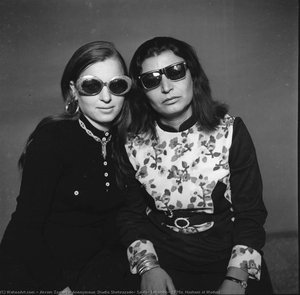
akram zaatari
1966 -
Quick Facts
- Artistic Movement Or Style: Archival art, photography
- Artists Or Movements Influenced By This Artist:
- Conceptual art
- Media art
- Artists Who Influenced This Artist:
- Fouad Elkoury
- Hashem el Madani
- Date Of Birth: 1966
- Full Name: Akram Zaatari
- Nationality: Lebanese
- Notable Artworks:
- Letter to a Refusing Pilot
- After They Got the Right to Arms
- A man from Ghazieh and his daughter
- Place Of Birth: Saida, Lebanon

