

 Preview
 Send
Send Share
Share
 Details

 Download
 Similars
 X-Ray
X-Ray Diaporama
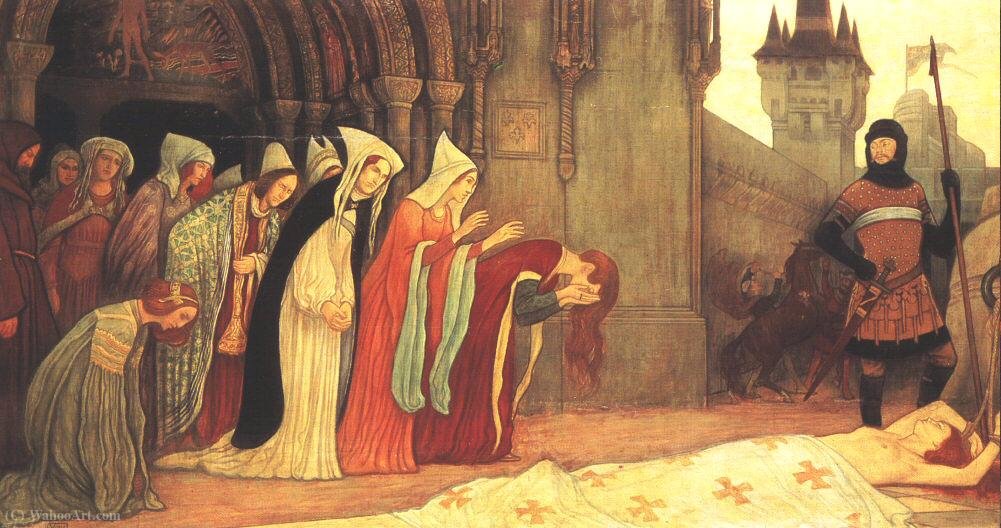
History Klara Zach II
 Read More
Purchase a high-resolution, enhanced digital image, far superior to the online preview.
Each file is meticulously prepared by our in-house specialists using advanced tools and expert manual retouching. We ensure every image has exceptional clarity, precise color accuracy, and fine detail.
The final file is delivered via email within 72 hours, optimized for immediate use in professional, editorial, and print environments. This is the same quality trusted by top-tier design studios, publishers, and galleries.
Digital Image
Download a high-resolution file for personal display, printing, and creative projects. ( Buy Print Buy Hand Made Painting)
Included in Every Digital Image Order
Expert Digital Delivery, Guaranteed
When you choose ArtsDot.com, you're not just getting an image - you're receiving a professionally enhanced digital artwork, crafted with precision and backed by a satisfaction guarantee. Here's everything that comes with your order, automatically:

Fast Email Delivery
Your high-resolution digital image file will be emailed to you within 72 hours of ordering - ready for immediate use.

AI-Enhanced Digital File
Your artwork is professionally optimized using advanced AI tools and manual editing, ensuring maximum detail, clarity, and color accuracy.

Free Lifetime Re-Delivery
Accidentally deleted or lost your file? No worries - we'll resend it to you anytime, free of charge.

No Import Fees - Ever
Enjoy your artwork instantly with zero customs, duties, or delivery fees - digital downloads are always tax-free.

Color Accuracy Guarantee
We ensure your digital image reflects the original colors as closely as possible using professional tools and color management.

60-Day Satisfaction Guarantee
If you're not satisfied with your digital image, we'll revise it or refund 100% within 60 days - no questions asked.

100% Money-Back Guarantee
Not satisfied? Get a full refund within 60 days of receiving your digital file - no questions asked.

Bulk Order Discounts
Buy 3 images, save 10% - Buy 5, save 15% - Buy 10+, save 20%. Great for creative projects, galleries, and agencies.
Related Artworks

Artist Biography
Edvard Munch: A Soul Exposed
Edvard Munch (1863 – 1944) stands as one of the most profoundly influential and emotionally resonant figures in modern art. Born in Løten, Norway, into a family marked by illness and loss, his early life shaped him irrevocably, imbuing his work with an enduring sense of anxiety, mortality, and the raw experience of human emotion. More than simply a painter, Munch was a chronicler of the soul—a visionary who dared to expose the darkest corners of the human psyche through a uniquely expressive and unsettling visual language. His legacy extends far beyond Norway’s borders, profoundly impacting movements like Symbolism and Expressionism and continuing to resonate with audiences today.Early Life and Influences: A Cradle of Sorrow
Munch's childhood was shadowed by tragedy. The death of his mother when he was only five years old, followed by the loss of his sister and brother, instilled in him a deep-seated fear of disease and death. These early traumas, coupled with the family’s history of mental illness, formed the bedrock of his artistic vision. He received limited formal training, but found solace and inspiration within the bohemian circles of Kristiania (now Oslo), engaging with writers and artists who championed individual expression and challenged societal norms. Figures like Christian Krohg encouraged him to explore his inner world, urging him to paint “soul painting”—a concept that prioritized emotional truth over objective representation. The influence of French Impressionism and Post-Impressionists such as Paul Gauguin and Henri de Toulouse-Lautrec also played a crucial role in shaping his artistic style, particularly his use of color and brushwork.The Development of a Distinctive Style: From Symbolism to Expressionism
Munch’s artistic journey was marked by experimentation and evolution. Initially drawn to Symbolist aesthetics, he sought to capture the intangible—dreams, anxieties, and spiritual experiences—through evocative imagery and symbolic color palettes. However, his work quickly moved beyond mere symbolism, embracing a more direct and visceral approach. The pivotal moment in this transition came with *The Scream* (1893), an iconic image that has become synonymous with modern angst and existential dread. This painting, along with works like *Madonna*, *Death*, and *Vessel*, demonstrated his ability to translate subjective experience into powerful visual forms—characterized by distorted figures, swirling lines, and intensely saturated colors. Munch’s style became increasingly expressive, prioritizing the conveyance of raw emotion over realistic depiction. He explored themes of love, loss, illness, and death with unflinching honesty, creating a body of work that is both deeply personal and universally relatable.Key Works and Recurring Themes
Munch’s oeuvre encompasses a vast range of subjects—portraits, landscapes, scenes of urban life, and intimate depictions of human relationships. Yet, certain themes recur throughout his work, reflecting the core concerns that preoccupied him: mortality, anxiety, love, loss, and the experience of isolation. *The Scream* remains his most famous work, but other paintings such as *Madonna*, *Vessel*, *Despair*, and *Red Dance* offer profound insights into his artistic vision. His series *Frieze of Life*, comprising fourteen large-scale paintings depicting stages of human existence—love, ecstasy, sin, death—provides a comprehensive exploration of the emotional landscape of life. Beyond painting, Munch was also a prolific printmaker, creating lithographs and woodcuts that further explored these themes with remarkable intensity.Legacy and Historical Significance
Edvard Munch’s impact on 20th-century art is undeniable. His pioneering exploration of psychological themes paved the way for Expressionism, influencing artists such as Ernst Ludwig Kirchner and Emil Nolde. *The Scream*, in particular, has become a potent symbol of modern anxiety—a visual shorthand for the alienation and existential dread that characterize the human condition. Despite facing periods of mental instability and professional setbacks, Munch’s work continues to captivate audiences worldwide. His unflinching honesty, emotional depth, and innovative use of color and form ensure his place as one of the most important and enduring artists of the modern era—a true visionary who dared to expose the soul.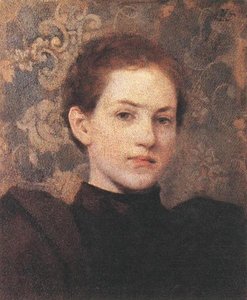
aladar korosfoi kriesch
1863 - 1920 , Hungary
Quick Facts
- Artistic Movement Or Style: Expressionism, Symbolism
- Artists Or Movements Influenced By This Artist: ['German Expressionism']
- Artists Who Influenced This Artist:
- Vincent van Gogh
- Paul Gauguin
- Date Of Birth: December 12, 1863
- Date Of Death: January 23, 1944
- Full Name: Edvard Munch
- Nationality: Norwegian
- Notable Artworks:
- The Scream
- Madonna
- Vierge Orphée
- Place Of Birth: Løten, Norway

