 Preview
 Send
Send Share
Share
 Details

 Download
 Similars
 X-Ray
X-Ray Diaporama
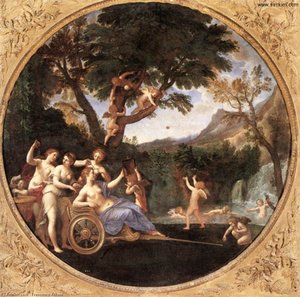
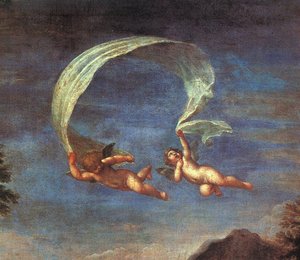
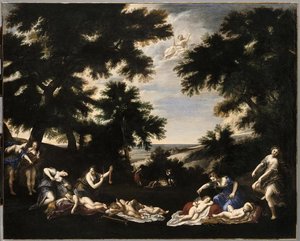
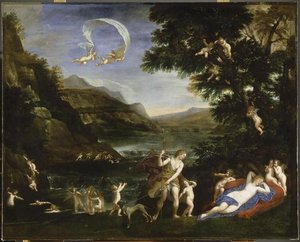
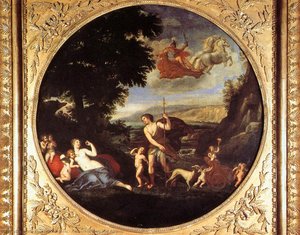
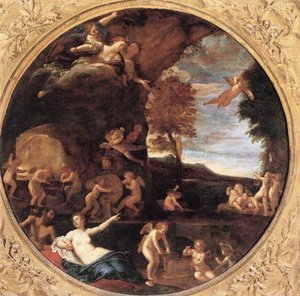
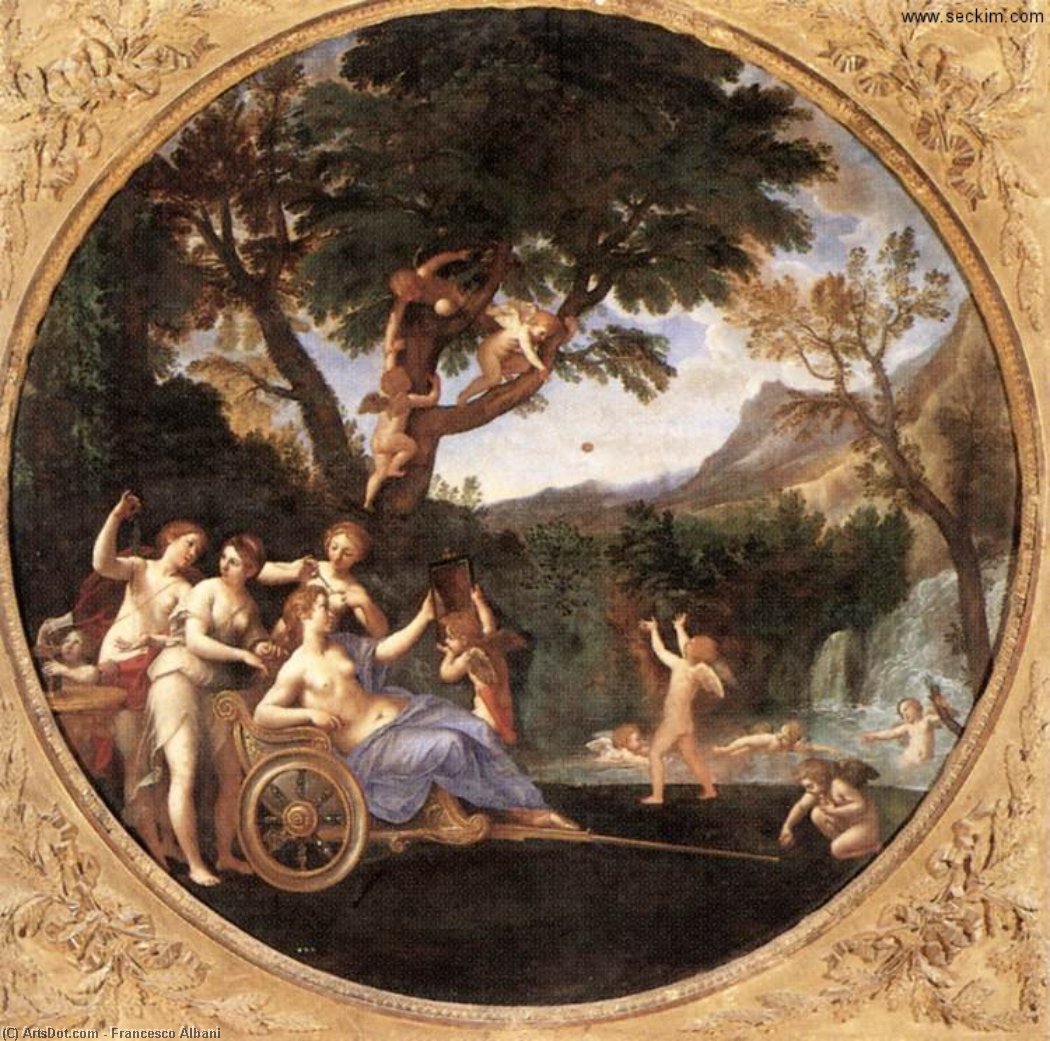
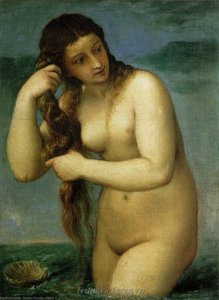
Spring (Venus at her Toilet)
 Oil On Canvas
- WallArt
- Baroque Painting
 1616
1616- Early Modern
 154.0 x 154.0 cm
 Galleria Borghese
 Read More
Hand Made Oil Reproduction
Hand-painted oil on canvas in your size and frame, made to order by our artists. ( Buy Print Buy Image)




P118B $10

P118H $10

P118W $10

P438Z $10

P508JH $12

P508YH $12

P805H $10

P805Z $10

P919BZ $10

P919G $10

P919XJ $10

P959ZH $10

P968JZ $12

W106C $8

W218G $10

W218JH $8

W218Y $10

W307PJ $10

W316G $10

W316PJ $8

W316Y $10

W398PJ $8

W4111J $10

W500HY $15

W500JH $15

W692G $12

W849H $8

W940BG $15

W953PJ $8




Pick from our preset sizes that match the artwork's original proportions.

You may enter your own dimensions to fit a specific frame or space. If your selected size does not match the original image's proportions, we will either crop the artwork or extend the painting with additional hand-painted elements. A digital mockup will be sent for your approval before production begins.
Please note that the on-screen preview does not reflect the actual cropping or extension. Only the mockup will accurately show the final composition.
While custom sizes are available, we recommend selecting a dimension from the predefined list to preserve the original proportions.
After order, ArtsDot.com team will email client for instructions and provide a mockup preview
Worldwide Delivery () in 3/4 weeks instead of standard 5 weeks. (16 August). No compromise on quality.

Free Worldwide Express Shipping

High-Quality Linen Canvas

Full Shipping Insurance

Customs Tax Refund Guarantee

True Color Matching Guarantee

60-Day Return Policy (Defects Only)

100% Money-Back Guarantee

Bulk Discount Offer
 Glass option is only available in size under 110 CM

Spring (Venus at her Toilet)
Reproduction Medium
Reproduction Size
-


Total Price
$ 263
Artwork Description
A Moment Frozen in Time: Francesco Albani’s “Toilet of Venus”
Francesco Albani's "Toilet of Venus," completed in 1616, stands as a testament to the flourishing baroque aesthetic and a captivating exploration of mythological narrative. Painted during Rome’s papal patronage era—a period characterized by opulent grandeur and fervent religious fervor—the artwork transcends mere visual representation; it embodies an intricate tapestry of artistic innovation and symbolic resonance.The Subject Matter: Mythological Reverie
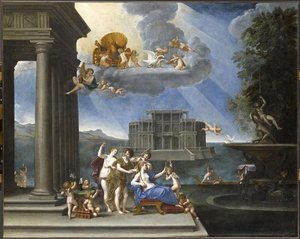
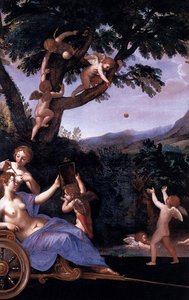
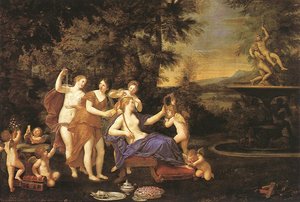
At its core, “Toilet of Venus” depicts the goddess Venus indulging in her toilette – a scene drawn directly from Roman mythology. Venus, revered as the embodiment of beauty and love, is portrayed seated upon a wheelchair, attended by several nude women who engage in various activities related to grooming and adornment. This deliberate choice of subject matter wasn’t simply decorative; it served as a vehicle for conveying profound philosophical ideas about femininity, virtue, and divine grace. The inclusion of children adds an element of innocence and vitality to the composition, highlighting the cyclical nature of life and celebrating the nurturing aspects of motherhood – concepts central to humanist thought prevalent during Albani's time.A Baroque Masterpiece: Technique and Style
Albani’s masterful technique exemplifies the hallmarks of baroque painting. Employing oil paints on canvas—a favored medium for artists of the period—he achieved remarkable luminosity and depth through meticulous layering and glazing techniques. The artist skillfully utilized chiaroscuro – dramatic contrasts between light and shadow – to sculpt the figures, creating a palpable sense of volume and realism. Furthermore, Albani’s attention to detail is evident in the exquisitely rendered drapery, which cascades around Venus and her companions, conveying movement and elegance. The backdrop features stylized mountains and trees—characteristic elements of baroque landscape painting—providing a harmonious counterpoint to the central figures and enhancing the overall visual impact.Historical Context: Papal Rome and Artistic Patronage
“Toilet of Venus” emerged from the crucible of papal Rome under Pope Paul V, who actively championed artistic endeavors as instruments for glorifying God and reinforcing papal authority. This era witnessed a surge in artistic creativity fueled by substantial royal commissions and a fervent desire to express religious piety through visual art. Albani’s work reflects this cultural climate, aligning seamlessly with the broader trends of baroque painting—which sought to evoke emotion and inspire awe—and demonstrating the profound influence of humanist ideals on artistic expression.Symbolism: Beauty, Virtue, and Divine Femininity
Beyond its aesthetic qualities, “Toilet of Venus” is laden with symbolic significance. Venus herself represents divine femininity – a concept championed by Renaissance humanists who celebrated female intellect and virtue. The act of toileting symbolizes purification and contemplation—suggesting that beauty and grace are inseparable from moral integrity. The positioning of Venus on the wheelchair underscores her regal status and reinforces the notion of divine majesty. The surrounding women embody various aspects of feminine excellence, reflecting the humanist belief in the multifaceted nature of human potential.Emotional Impact: Capturing Ideal Beauty
Ultimately, Albani’s “Toilet of Venus” succeeds in capturing a moment of idealized beauty—a sublime vision that transcends mere representation and speaks to the viewer's deepest sensibilities. The painting evokes feelings of serenity, reverence, and admiration for the divine feminine—themes that continue to resonate with audiences today. It serves as an enduring reminder of the transformative power of art to inspire contemplation and elevate the human spirit.Related Artworks
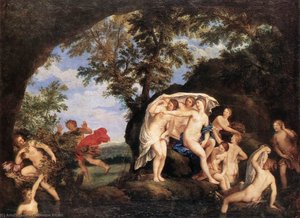
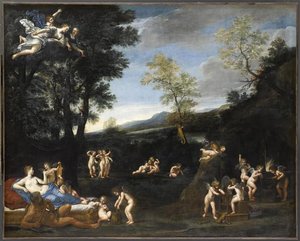
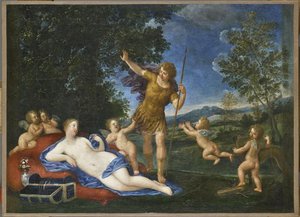
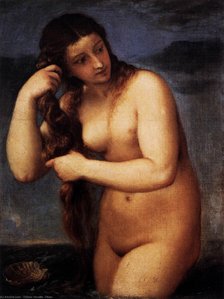
Artist Biography
The Grace of the Bolognese Master
In the vibrant tapestry of the Italian Baroque, few threads are as delicate and luminous as those woven by Francesco Albani, often remembered by the evocative moniker l'Albane. Born in the storied city of Bologna in 1578, Albani was destined for a life steeped in pigment and prestige. Coming from a lineage of creators, he was the son of the painter Daniele Albani and the nephew of the esteemed Giovanni Paolo Cavagna. This early immersion in an environment of artistic rigor provided him with a foundation that would eventually allow him to bridge the gap between the classical elegance of the Renaissance and the dramatic emotionality of the Baroque era.
His formative years were shaped by rigorous apprenticeship, beginning in the studio of Denzio Ferrari, where he mastered the fundamental mechanics of light and form. However, it was his subsequent move to Rome that truly ignited his creative spirit. Under the tutelage of Guidobaldo Gandolfi, Albani began to refine a style that would become his hallmark: a sophisticated blend of mythological grace and classical poise. His journey from the academic traditions of Bologna to the grand, theatrical atmosphere of Rome allowed him to synthesize a unique visual language that resonated with the religious and aristocratic patrons of the seventeenth century.
A Symphony of Light and Myth
Albani’s oeuvre is characterized by an extraordinary ability to breathe life into the legends of antiquity and the sacred narratives of the Bible. He possessed a rare gift for capturing the ephemeral beauty of the human form, rendering skin with a porcelain-like delicacy that seemed to glow from within. This mastery is perhaps most profoundly realized in his celebrated work, Toilet of Venus, where the goddess emerges not merely as a figure of myth, but as a vision of divine aesthetic perfection. Through his brush, the mythological becomes intimate, and the classical becomes deeply human.
Beyond the figures themselves, Albani was a pioneer in the atmospheric use of chiaroscuro. While many of his contemporaries used extreme light and shadow to create jarring tension, Albani employed the technique to instill his compositions with a sense of depth and spiritual weight. This is evident in works such as The Baptism of Christ, where the interplay of light serves to heighten the emotional gravity of the sacrament, and in his depictions of St. Sebastian, where shadow sculpts the musculature and emphasizes the martyr's profound suffering. His ability to integrate naturalistic landscapes into these sacred scenes also marked him as a precursor to the development of landscape painting, as he often used sweeping, verdant backgrounds to frame his central dramas.
Legacy and Enduring Influence
The historical significance of Francesco Albani lies in his role as a stabilizing force during a period of intense artistic experimentation. While the Baroque era is often associated with turbulent movement, Albani provided a sense of lyrical continuity, reminding the art world of the enduring power of classical harmony. His influence stretched far beyond the borders of Italy, as his refined approach to composition and color became a standard for subsequent generations of European painters.
Today, the legacy of l'Albane is preserved in some of the most prestigious galleries in the world. To walk through the halls of the Musée du Louvre in Paris is to encounter his enduring vision, particularly through masterpieces like Toilet of Venus, which continue to captivate viewers with their timeless elegance. His life’s work remains a testament to the power of beauty, serving as a bridge between the structured ideals of the past and the emotive complexities of the Baroque age. Through his delicate touch and masterful command of light, Albani ensured that the grace of the Bolognese tradition would forever be etched into the annals of art history.

albani francesco (l'albane)
1578 - 1660 , Italy
Quick Facts
- Artistic Movement Or Style: Baroque and Classical
- Artists Or Movements Influenced By This Artist:
- Baroque painting
- Landscape painting
- Artists Who Influenced This Artist:
- Denzio Ferrari
- Guidobaldo Gandolfi
- Date Of Birth: 1578
- Date Of Death: 1660
- Full Name: Francesco Albani
- Nationality: Italian
- Notable Artworks:
- Toilet of Venus
- The Baptism of Christ
- St. Sebastian
- Virgin and Child with St. John the Baptist
- Place Of Birth: Bologna, Italy
Related Articles

Demandes Commerciales
APS ofrece reproducciones de bellas artes y encargos personalizados desde 2004. Confían en nosotros corporaciones, hoteles y coleccionistas selectos para obras de arte de calidad museística, servicio discreto y soluciones artísticas completas. ¡Póngase en contacto con nosotros para obtener un presupuesto personalizado!

Goya's Masterpieces: Explore 25 Iconic Paintings & Art Prints | ArtsDot
Delve into the world of Francisco Goya with ArtsDot. Explore 25 iconic paintings – from 'The Third of May' to his haunting Black Paintings. Discover the stories, techniques & emotions behind these Spanish masterpieces. Find museum-quality art reproductions for your home at ArtsDot.com!

Giclée Prints: Archival Quality & Aesthetic Nuances for the Discerning Collector
Explore the world of giclée prints with ArtsDot. Learn about archival quality, aesthetic nuances & investment potential. Expert guidance for discerning art collectors seeking museum-quality reproductions and lasting value.

A riguardo di noi
Découvrez notre histoire ! Nous apportons l'art de classe mondiale dans votre vie grâce à une sélection experte, des créations personnalisées et des aperçus gratuits. Approuvé par les particuliers et les entreprises depuis 2000.

The Enduring Legacy of Fine Art Prints: Technique, History & Aesthetic Impact
Explore the rich history & techniques of fine art prints. Discover investment potential, assess authenticity, and learn how to preserve your collection with expert guidance. Trusted insights for discerning collectors.