 Preview
 Send
Send Share
Share
 Details

 Download
 Similars
 X-Ray
X-Ray Diaporama
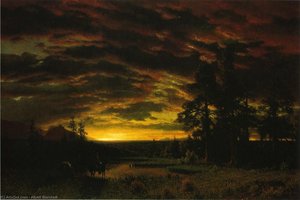
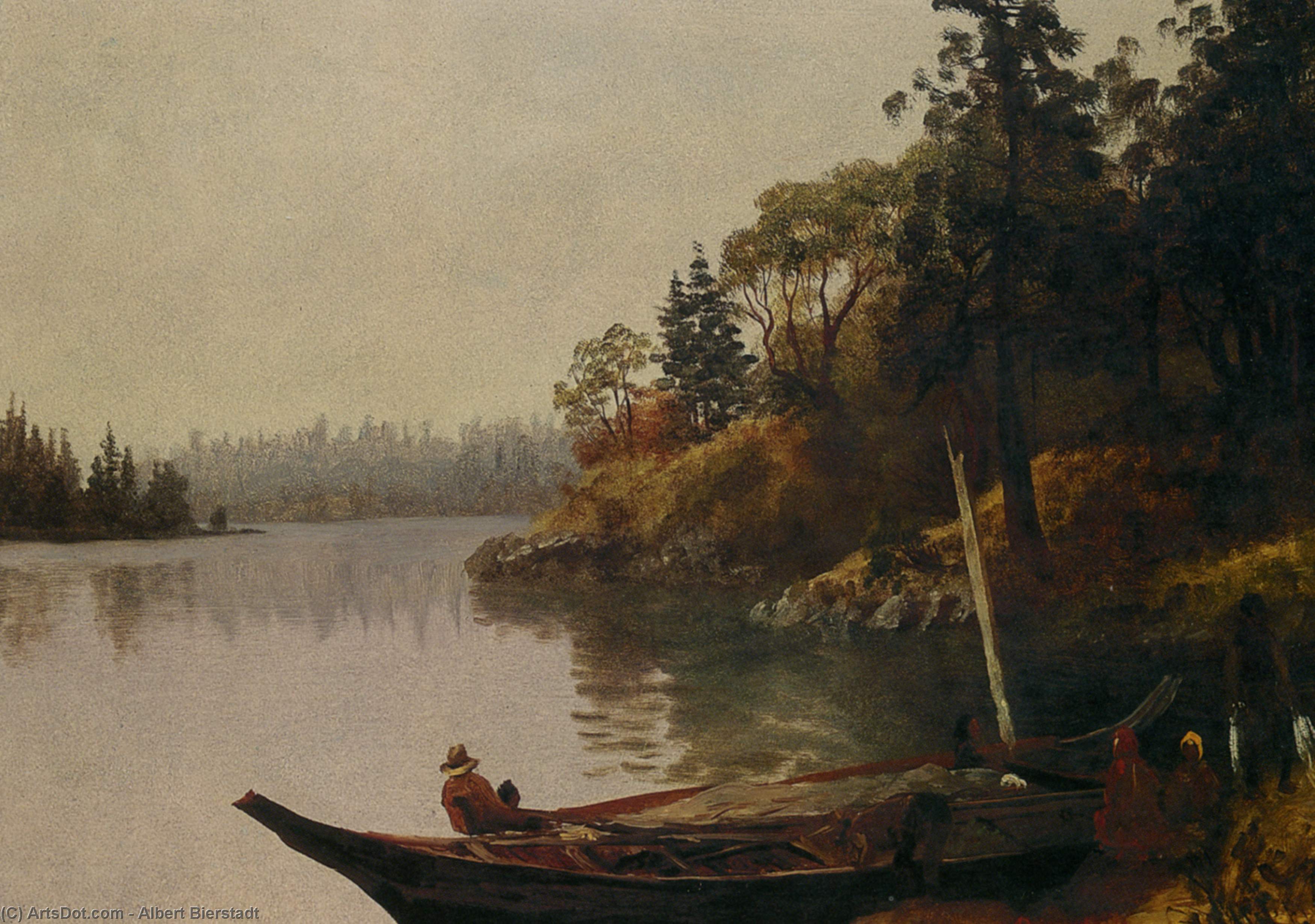
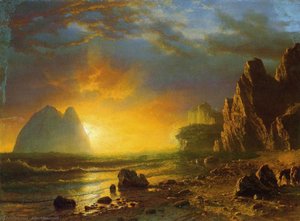
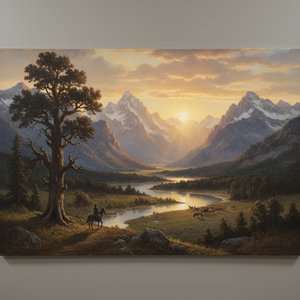
Fishing on the Northwest Coast
 Oil On Canvas
- WallArt
- Hudson River School
 1889
1889- 19th Century
 35.0 x 48.0 cm
 Read More
Hand Made Oil Reproduction
Hand-painted oil on canvas in your size and frame, made to order by our artists. ( Buy Print Buy Image)




P118B $10

P118H $10

P118W $10

P438Z $10

P508JH $12

P508YH $12

P805H $10

P805Z $10

P919BZ $10

P919G $10

P919XJ $10

P959ZH $10

P968JZ $12

W106C $8

W218G $10

W218JH $8

W218Y $10

W307PJ $10

W316G $10

W316PJ $8

W316Y $10

W398PJ $8

W4111J $10

W500HY $15

W500JH $15

W692G $12

W849H $8

W940BG $15

W953PJ $8




Pick from our preset sizes that match the artwork's original proportions.

You may enter your own dimensions to fit a specific frame or space. If your selected size does not match the original image's proportions, we will either crop the artwork or extend the painting with additional hand-painted elements. A digital mockup will be sent for your approval before production begins.
Please note that the on-screen preview does not reflect the actual cropping or extension. Only the mockup will accurately show the final composition.
While custom sizes are available, we recommend selecting a dimension from the predefined list to preserve the original proportions.
After order, ArtsDot.com team will email client for instructions and provide a mockup preview
Worldwide Delivery () in 3/4 weeks instead of standard 5 weeks. (16 August). No compromise on quality.

Free Worldwide Express Shipping

High-Quality Linen Canvas

Full Shipping Insurance

Customs Tax Refund Guarantee

True Color Matching Guarantee

60-Day Return Policy (Defects Only)

100% Money-Back Guarantee

Bulk Discount Offer
 Glass option is only available in size under 110 CM

Fishing on the Northwest Coast
Reproduction Medium
Reproduction Size
-


Total Price
$ 263
Artwork Description
A Symphony of Light and Wilderness: Albert Bierstadt's *Fishing on the Northwest Coast*
Albert Bierstadt’s *Fishing on the Northwest Coast*, painted in 1889, is more than just a depiction of a river scene; it’s an immersive experience, a testament to the Romantic movement’s fascination with untamed nature and the burgeoning spirit of the American West. Measuring 35 x 48 cm, this oil on canvas work transports the viewer directly to the rugged beauty of the Northwest Coast, capturing a fleeting moment of human interaction within a vast and awe-inspiring landscape. Bierstadt, a key figure in the Hudson River School, wasn’t simply rendering what he saw; he was translating his profound emotional response to the wilderness onto the canvas, employing techniques honed during his rigorous training in Düsseldorf that emphasized meticulous detail and masterful manipulation of light.
Romanticism's Embrace of the Sublime
Created during a period of intense national identity formation in America, *Fishing on the Northwest Coast* embodies the core tenets of Romanticism. The movement prioritized emotion over reason, individualism over societal norms, and, crucially for Bierstadt’s work, the sublime power of nature. This painting isn't about a realistic portrayal of fishing; it’s an exploration of the human experience in relation to the overwhelming grandeur of the natural world. The dramatic use of light – particularly the golden hour glow illuminating the river and surrounding trees – evokes a sense of drama and spiritual significance, aligning with Romantic ideals of encountering the divine through nature's majesty. Bierstadt skillfully uses atmospheric perspective, blurring distant elements to emphasize the scale and depth of the landscape, further enhancing this feeling of awe.
Technique and Composition: A Masterful Hand
- Oil on Canvas: Bierstadt’s choice of oil paint allowed for rich, luminous colors and a smooth, blended finish – essential for capturing the atmospheric effects he sought.
- Detailed Rendering: The artist's meticulous attention to detail is evident in every element, from the individual leaves on the trees to the ripples on the water surface. This precision reflects his Düsseldorf training and commitment to realism within the Romantic framework.
- Compositional Balance: The painting’s composition – with the boat strategically placed near the center and a smaller figure towards the right – draws the viewer's eye through the scene, creating a sense of depth and inviting contemplation.
Symbolism and Emotional Impact
*Fishing on the Northwest Coast* resonates with themes of human connection to nature and the spirit of exploration that defined the American West. The lone fisherman in his boat represents humanity’s attempt to understand and master its environment, while the surrounding wilderness symbolizes both opportunity and potential danger. The dog, a common motif in Bierstadt's work, adds a layer of companionship and reinforces the theme of harmonious coexistence with nature. Ultimately, the painting evokes a powerful sense of tranquility and wonder, inviting viewers to share in Bierstadt’s profound appreciation for the beauty and power of the natural world.
NoneRelated Artworks

Artist Biography
A Pioneer of the American West: The Life and Art of Albert Bierstadt
Born in Prussia in 1830, Albert Bierstadt’s story is one deeply interwoven with the burgeoning identity of America itself. His family's early emigration to New Bedford, Massachusetts, when he was just a year old, planted the seeds for a lifelong fascination with the landscapes that would come to define his artistic legacy. Though initially self-taught, sketching with crayons as a youth, Bierstadt recognized the need for formal training and embarked on studies in Düsseldorf, Germany, in 1853. This European grounding proved crucial, providing him with technical mastery—a meticulous attention to detail and a sophisticated understanding of light and atmosphere—that he would later apply to his depictions of the American wilderness. It was not merely replication that Bierstadt sought, but an emotional resonance, a way to convey the sublime power and beauty of nature.Capturing the Majesty: The Hudson River School and Beyond
Upon his return to the United States in 1857, Bierstadt quickly became associated with the Hudson River School, a group of artists dedicated to portraying the American landscape with both accuracy and romantic idealism. However, while sharing their reverence for nature, Bierstadt soon distinguished himself through his ambitious scale and dramatic compositions. He wasn’t content to simply paint pretty pictures; he aimed to create immersive experiences that transported viewers to the heart of the wilderness. His breakthrough came in 1858 with a Swiss landscape exhibited at the National Academy of Design, earning him immediate acclaim and honorary membership. But it was his subsequent expeditions westward—first with land surveyor Frederick W. Lander in 1859, then with author Fitz Hugh Ludlow in 1863 to Yosemite Valley—that truly ignited his artistic vision. These journeys weren’t just about observation; they were about immersion, allowing Bierstadt to absorb the grandeur of the Rocky Mountains, the vastness of the plains, and the awe-inspiring scale of canyons and waterfalls.The Painter of Empires: Shaping Perceptions of the West
Bierstadt’s paintings weren't simply landscapes; they were statements about national identity and Manifest Destiny. His canvases—often enormous in size—depicted the American West not as a harsh, untamed frontier, but as a land of promise, abundance, and divine beauty. The Rocky Mountains, Lander’s Peak, completed in 1863 and purchased for an astonishing $25,000 (equivalent to nearly $400,000 today), exemplifies this approach. The painting isn't a precise topographical rendering; it’s a carefully constructed vision of idealized grandeur, bathed in golden light and imbued with a sense of spiritual significance. This ability to evoke emotion, to inspire awe, made Bierstadt immensely popular during his lifetime. He wasn’t just an artist; he was a cultural ambassador, shaping how Americans—and the world—perceived the West. His work fueled westward expansion by presenting it as a noble and divinely ordained undertaking.Legacy and Influence: A Lasting Impression
While Bierstadt's popularity waned somewhat in the late 19th century as artistic tastes shifted, his influence on American landscape painting remains undeniable. He demonstrated the power of large-scale canvases to create immersive experiences, a technique later adopted by many artists. His meticulous attention to detail and masterful use of light continue to inspire painters today. Beyond his technical achievements, Bierstadt’s work serves as a valuable historical document, offering insights into the evolving perceptions of the American West during a period of rapid change and expansion. He captured a moment in time—a vision of pristine wilderness before it was irrevocably altered by human intervention. His paintings are not just beautiful images; they are windows into a pivotal era in American history, reminding us of both the promise and the cost of westward expansion. His legacy endures, ensuring that his breathtaking landscapes will continue to captivate and inspire generations to come.
Albert Bierstadt
1830 - 1902 , Germany
Quick Facts
- Artistic Movement Or Style: Hudson River School
- Date Of Birth: January 7, 1830
- Date Of Death: February 18, 1902
- Full Name: Albert Bierstadt
- Nationality: German-American
- Notable Artworks:
- Western Landscape
- Coastal Scene
- Place Of Birth: Solingen, Germany
Related Articles
Hudson River School: 10 Masterpieces That Capture America's Wild Beauty | ArtsDot
Journey through America's breathtaking landscapes with our guide to the Top 10 Hudson River School masterpieces. Explore Thomas Cole, Frederic Church & more! Find museum-quality art reproductions and elevate your home decor at ArtsDot.com.

The Sublime Landscape: Exploring the Hudson River School Movement
Explore the captivating world of the Hudson River School! Discover the history, artists, and defining characteristics of this iconic American art movement. Learn about Romanticism's influence & find inspiration for your collection.

Robert Spencer: Luminism, Narrative & the American Landscape Tradition
Explore the captivating world of Luminism & the Hudson River School with our expert analysis. Discover the history, artists, and enduring beauty of 19th-century American landscape painting. Find museum-quality reproductions at ArtsDot.
David Johnson: A Luminist Master of the Hudson River School & Beyond
Explore the captivating landscapes of David Johnson, a key figure in the Hudson River School & Luminism movement. Discover his artistic evolution, legacy, and how to collect his works with ArtsDot.
Albert Bierstadt: Luminosity, Landscape & the American Ideal
Explore the breathtaking landscapes of Albert Bierstadt, master of the American West & a leading figure in the Hudson River School. Discover his luminous style and iconic paintings – a timeless investment for art lovers.