 Preview
 Send
Send Share
Share
 Details

 Download
 Similars
 X-Ray
X-Ray Diaporama
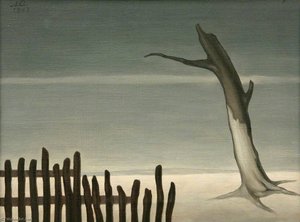
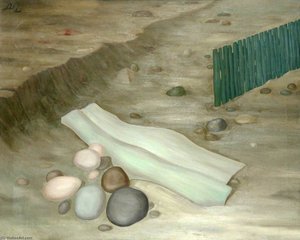
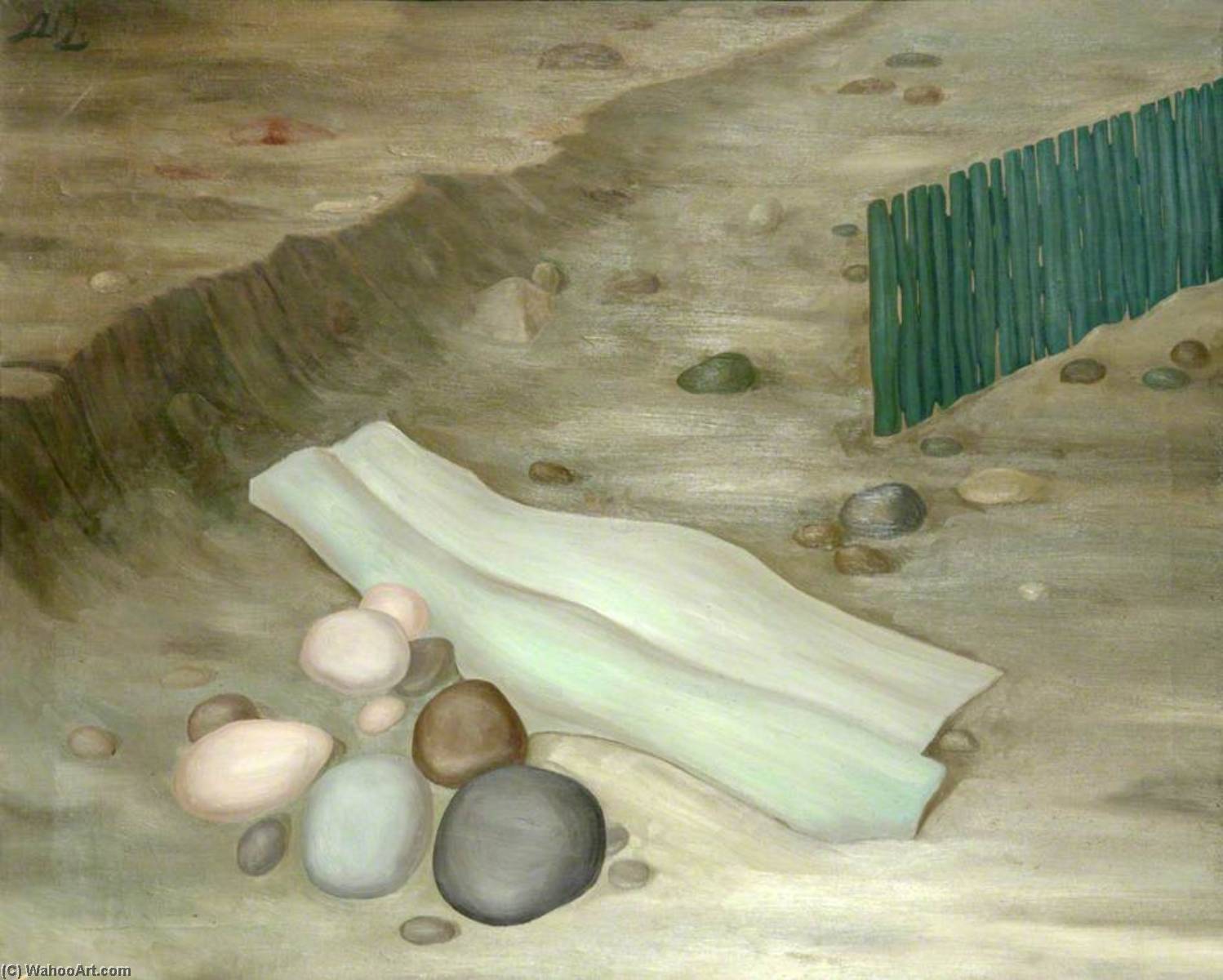
Green Fence, Driftwood and Pebbles
 74.0 x 91.0 cm
 Read More
Hand Made Oil Reproduction
Hand-painted oil on canvas in your size and frame, made to order by our artists. ( Buy Print Buy Image)




































Pick from our preset sizes that match the artwork's original proportions.

You may enter your own dimensions to fit a specific frame or space. If your selected size does not match the original image's proportions, we will either crop the artwork or extend the painting with additional hand-painted elements. A digital mockup will be sent for your approval before production begins.
Please note that the on-screen preview does not reflect the actual cropping or extension. Only the mockup will accurately show the final composition.
While custom sizes are available, we recommend selecting a dimension from the predefined list to preserve the original proportions.
After order, ArtsDot.com team will email client for instructions and provide a mockup preview
Worldwide Delivery () in 3/4 weeks instead of standard 5 weeks. (25 August). No compromise on quality.

Free Worldwide Express Shipping

High-Quality Linen Canvas

Full Shipping Insurance

Customs Tax Refund Guarantee

True Color Matching Guarantee

60-Day Return Policy (Defects Only)

100% Money-Back Guarantee

Bulk Discount Offer
 Glass option is only available in size under 110 CM

Green Fence, Driftwood and Pebbles
Reproduction Medium
Reproduction Size
-


Total Price
$ 263
Related Artworks









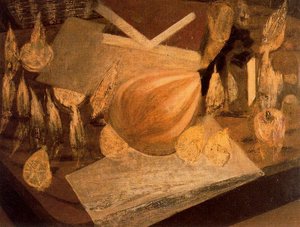
Artist Biography
A Life Forged in the Shadows of Displacement
The story of Albert Reuss is one of profound resilience, a narrative etched into the very textures of his canvases and the precision of his lines. Born in Vienna in 1889 to a Hungarian-Jewish family, Reuss’s early years were marked by a sense of profound vulnerability. A frail and sickly child, he often felt like an outsider within his own kin, a feeling that would later find a haunting resonance in his art. While his path toward formal academic training at the Akademie der bildenden Künste Wien was thwarted by persistent ill-health, his artistic spirit remained unyielding. Guided by the patronage of his wealthy uncle, Baron Andreas Ritter von Reisinger, Reuss nurtured a talent that would eventually transcend the borders of his homeland.
The trajectory of his life—and indeed, the soul of his work—was irrevocably altered in 1938. The Anschluss and the subsequent rise of Nazi persecution forced Reuss to flee Austria, seeking refuge in Britain. This period of exile was not merely a geographical shift but a psychological rupture. In the process of fleeing, he lost much of his family and the established reputation he had painstakingly built in Vienna. This trauma became the silent protagonist in his later works, transforming his aesthetic from one of burgeoning talent into a deeply emotive language capable of articulating the weight of loss and the disorientation of the displaced.
The Evolution of an Expressive Vision
Reuss’s artistic development is a fascinating study of stylistic metamorphosis. During the First World War, he began to cultivate a signature approach characterized by precise, linear renderings. His early explorations were deeply influenced by the Expressionist movement, drawing inspiration from the psychological intensity of Edvard Munch and Oskar Kokoschka. He sought to move beyond mere representation, utilizing simplified forms and muted palettes to capture the internal emotional landscapes of his subjects. This rejection of academic rigidity allowed him to explore the nuances of human suffering and dignity through subtle tonal variations.
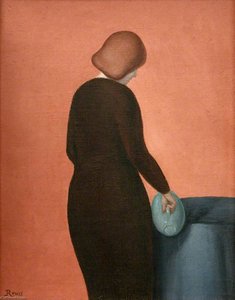
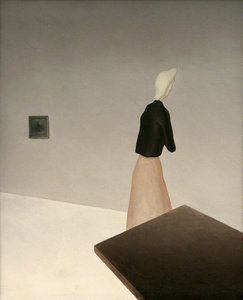
As he settled into life in England, his style underwent further dramatic shifts. His work began to embrace elements of Cubism and Geometric Abstraction, often reflecting a minimalist aesthetic that evoked profound loneliness and contemplation. In pieces such as Woman and Table, one can observe a stark, de Chirico-esque stillness, where the geometry of the composition serves to amplify the sense of isolation. Whether through the earthy tones of his oil paintings or the meticulous detail of his drawings, Reuss’s oeuvre remains a testament to his ability to translate personal upheaval into universal symbols of human endurance.
Legacy and Artistic Significance
The historical significance of Albert Reuss lies in his ability to bridge the gap between the vibrant, pre-war Viennese art scene and the evolving landscape of British modernism. He stands as a vital figure in the history of refugee artists, whose work serves as a visual archive of the twentieth century's greatest tragedies. His mastery of both painting and sculpture allowed him to explore volume and space with a unique sensitivity, making him a versatile contributor to the era's artistic discourse.
Today, Reuss’s legacy is preserved in some of the world's most prestigious institutions, ensuring that his voice—once silenced by exile—continues to resonate with contemporary audiences. His work can be found in:
- The British Museum, London
- The Victoria and Albert Museum, London
- Newlyn Art Gallery, Cornwall
- The Österreichische Galerie Belvedere, Vienna
- The Albertina, Vienna
- The Tel Aviv Museum of Art, Israel
Through his evocative portraits and hauntingly beautiful landscapes, Reuss invites us to confront the complexities of memory and the enduring strength of the human spirit in the face of unimaginable change.
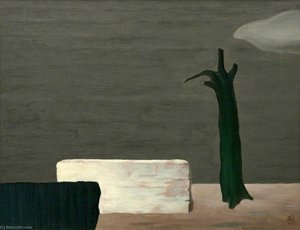
Albert Reuss
1889 - 1975
Quick Facts
- Artistic Movement Or Style: Expressionist Influence
- Artists Or Movements Influenced By This Artist: ['British Art History']
- Artists Who Influenced This Artist: ['Andreas Ritter von Reisinger']
- Date Of Birth: October 2, 1889
- Date Of Death: November 4, 1975
- Full Name: Albert Reuss
- Nationality: Austrian
- Notable Artworks:
- Women Dressing
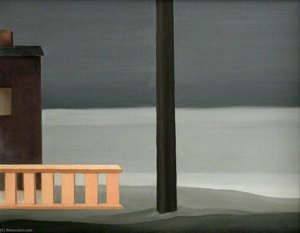
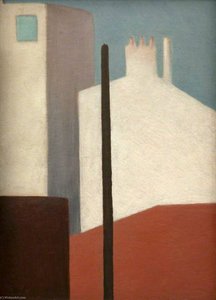
- Pole and Two Sand Piles
- Place Of Birth: Vienna, Austria