

 Preview
 Send
Send Share
Share
 Details

 Download
 Similars
 X-Ray
X-Ray Diaporama
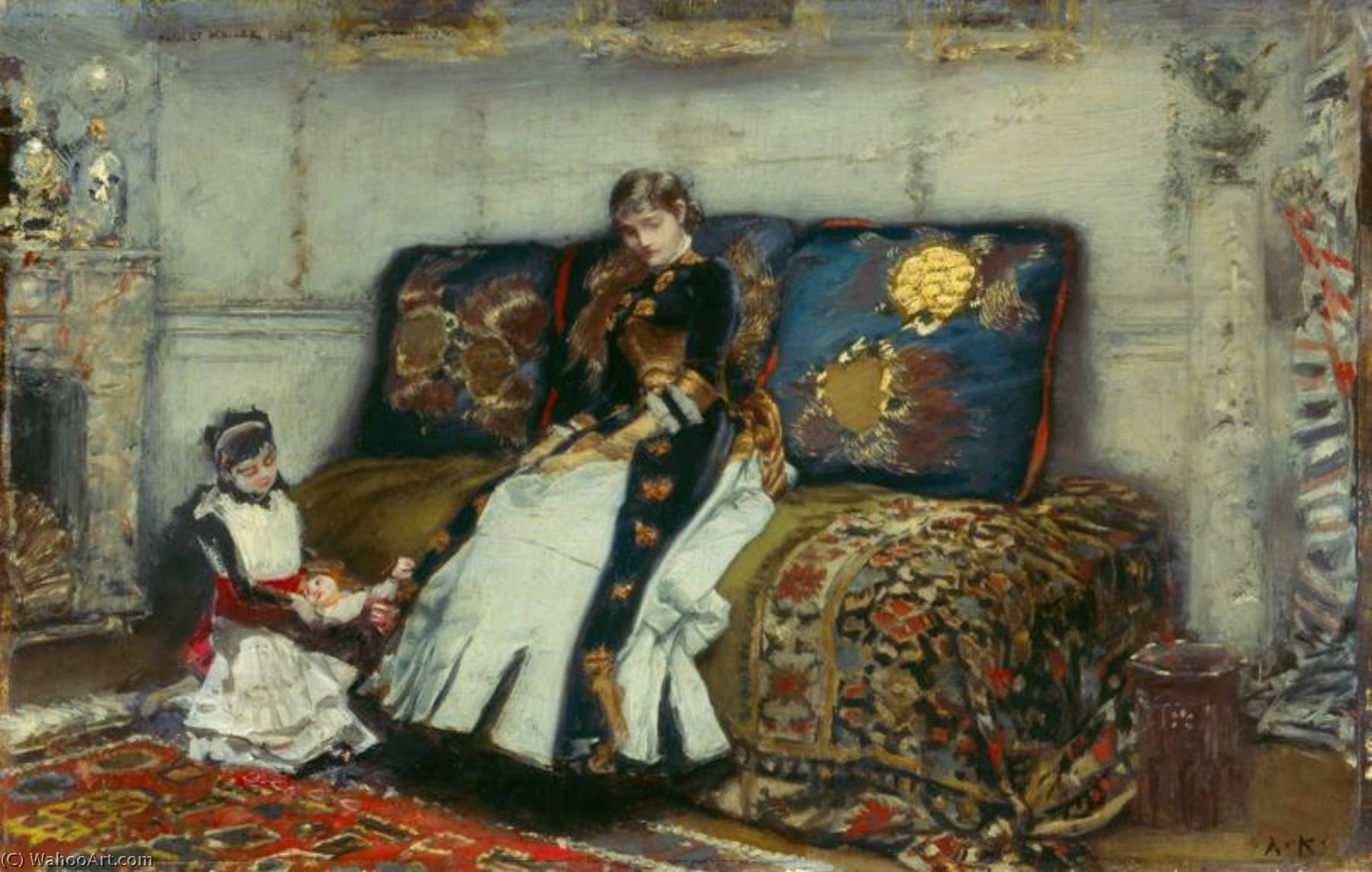
Milli Beckmann with Daughter, Paris

 Read More
Purchase a high-resolution, enhanced digital image, far superior to the online preview.
Each file is meticulously prepared by our in-house specialists using advanced tools and expert manual retouching. We ensure every image has exceptional clarity, precise color accuracy, and fine detail.
The final file is delivered via email within 72 hours, optimized for immediate use in professional, editorial, and print environments. This is the same quality trusted by top-tier design studios, publishers, and galleries.
Digital Image
Download a high-resolution file for personal display, printing, and creative projects. ( Buy Print Buy Hand Made Painting)
Included in Every Digital Image Order
Expert Digital Delivery, Guaranteed
When you choose ArtsDot.com, you're not just getting an image - you're receiving a professionally enhanced digital artwork, crafted with precision and backed by a satisfaction guarantee. Here's everything that comes with your order, automatically:

Fast Email Delivery
Your high-resolution digital image file will be emailed to you within 72 hours of ordering - ready for immediate use.

AI-Enhanced Digital File
Your artwork is professionally optimized using advanced AI tools and manual editing, ensuring maximum detail, clarity, and color accuracy.

Free Lifetime Re-Delivery
Accidentally deleted or lost your file? No worries - we'll resend it to you anytime, free of charge.

No Import Fees - Ever
Enjoy your artwork instantly with zero customs, duties, or delivery fees - digital downloads are always tax-free.

Color Accuracy Guarantee
We ensure your digital image reflects the original colors as closely as possible using professional tools and color management.

60-Day Satisfaction Guarantee
If you're not satisfied with your digital image, we'll revise it or refund 100% within 60 days - no questions asked.

100% Money-Back Guarantee
Not satisfied? Get a full refund within 60 days of receiving your digital file - no questions asked.

Bulk Order Discounts
Buy 3 images, save 10% - Buy 5, save 15% - Buy 10+, save 20%. Great for creative projects, galleries, and agencies.
Related Artworks



Artist Biography
Albert von Keller: A Pioneer of Psychological Art
Albert von Keller (1844-1920) stands as a singular figure in German art history—a painter who seamlessly blended realism with the burgeoning fascination for psychology and symbolism, establishing himself as one of the foremost proponents of the Munich Secession. Born in Gais, Switzerland, amidst a family steeped in artistic tradition, Keller’s early life foreshadowed his lifelong dedication to visual expression. His father, a professor of law, instilled in him a disciplined intellect alongside an appreciation for beauty, shaping him into an artist acutely aware of both observation and inner contemplation. Keller's formal training commenced at the Munich Academy under Arthur von Ramberg, where he honed his technical skills while simultaneously absorbing the stylistic currents of the time. However, it was Ramberg’s insistence on studying nude studies—a practice considered controversial by many contemporaries—that profoundly impacted Keller’s artistic vision. This exposure to anatomical precision combined with a sensitivity to emotion would become hallmarks of his oeuvre. He traveled extensively throughout Europe – Italy, France, England and the Netherlands – absorbing influences from Impressionism and Japonisme, yet he steadfastly maintained an individual style rooted in German Romantic tradition. Keller's artistic breakthrough arrived in 1873 when he debuted at the Salon in Paris with “Roman Bath,” a painting that immediately garnered critical acclaim for its masterful depiction of light and atmosphere—a technique heavily indebted to Claude Monet and Pierre-Auguste Renoir. This success propelled him into the spotlight, attracting commissions from wealthy patrons and establishing him as a respected artist within the artistic circles of his day. Notably, he married Irene von Eichthal in 1878, forging a partnership that would endure until her death in 1907. Their marriage produced two sons, though tragedy struck when their eldest succumbed to illness shortly after birth. Keller’s artistic output expanded dramatically during the Secession era (1892), where he collaborated with fellow artists like Edvard Munch and Gustav Klimt to challenge academic conventions and explore uncharted territories of psychological expression. He embraced Symbolism's preoccupation with dreams, myths, and spiritual themes, channeling his anxieties about mortality and the human condition into haunting canvases imbued with profound emotional resonance. His fascination with hypnosis—documented in “Hypnosis at Schrenck Notzing’s”—reflected a broader interest in paranormal phenomena and fueled his artistic explorations of altered states of consciousness. Keller's oeuvre encompasses portraits that capture not merely physical likeness but also psychological character, demonstrating an uncanny ability to convey inner turmoil and vulnerability. His landscapes are imbued with melancholic beauty—particularly “In the Moonlight,” which exemplifies his masterful manipulation of tonal gradations and dramatic lighting—creating immersive environments that evoke feelings of solitude and contemplation. Among his most celebrated works are "Faustina in the Temple of Juno at Praeneste," portraying a woman caught in a moment of profound introspection; “The Witches Sleep,” capturing an unsettling scene of nocturnal terror; “The Judgment of Paris,” exploring themes of beauty, desire, and moral ambiguity; “The Happy Sister” and “Temptation”—both depicting female figures with exquisite sensitivity. Furthermore, he produced evocative depictions of biblical narratives—such as "The Crucifixion"—demonstrating his unwavering commitment to conveying spiritual truths through visual art. Keller’s legacy extends beyond his individual paintings; he served as a pivotal figure in shaping the Munich Secession's artistic ethos and championed the pursuit of psychological realism, influencing generations of artists who followed him. His enduring contribution to German art lies not merely in his technical prowess but also in his courageous willingness to confront existential questions—a testament to his profound understanding of the human psyche and his unwavering belief in the transformative power of art.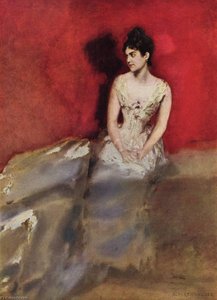
albert von keller
1844 - 1920
Quick Facts
- Artistic Movement Or Style: Munich Secession
- Artists Or Movements Influenced By This Artist: ['Symbolism']
- Artists Who Influenced This Artist:
- Arthur von Ramberg
- Ludwig Maximilian University
- Date Of Birth: April 27, 1844
- Date Of Death: July 14, 1920
- Full Name: Albert Ritter von Keller
- Nationality: Swiss
- Notable Artworks:
- Hypnosis at Schrenck Notzing’s
- In the moonlight
- Place Of Birth: Gais, Switzerland

