

 Send
Send Share
Share
 Details

 Download
 Similars
 Diaporama
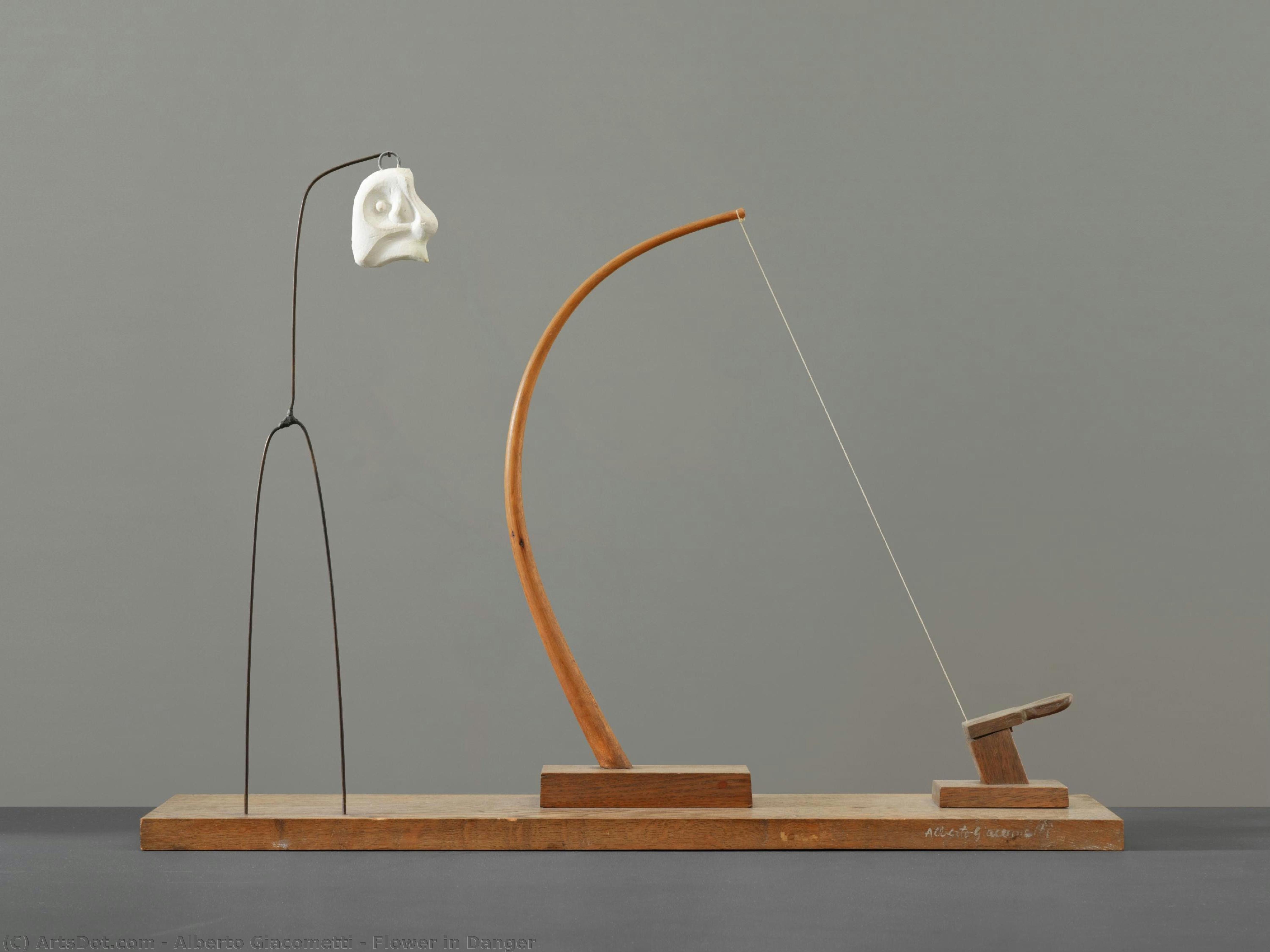
Flower in Danger
 Mixed Materials
- Sculpture
- Surrealism
 1932
1932 56.0 x 78.0 cm
 Kunsthaus Zürich
 Read More
Purchase a high-resolution, enhanced digital image, far superior to the online preview.
Each file is meticulously prepared by our in-house specialists using advanced tools and expert manual retouching. We ensure every image has exceptional clarity, precise color accuracy, and fine detail.
The final file is delivered via email within 72 hours, optimized for immediate use in professional, editorial, and print environments. This is the same quality trusted by top-tier design studios, publishers, and galleries.
Digital Image
Download a high-resolution file for personal display, printing, and creative projects. ( Buy Print Buy Hand Made Painting)
Included in Every Digital Image Order
Expert Digital Delivery, Guaranteed
When you choose ArtsDot.com, you're not just getting an image - you're receiving a professionally enhanced digital artwork, crafted with precision and backed by a satisfaction guarantee. Here's everything that comes with your order, automatically:

Fast Email Delivery
Your high-resolution digital image file will be emailed to you within 72 hours of ordering - ready for immediate use.

AI-Enhanced Digital File
Your artwork is professionally optimized using advanced AI tools and manual editing, ensuring maximum detail, clarity, and color accuracy.

Free Lifetime Re-Delivery
Accidentally deleted or lost your file? No worries - we'll resend it to you anytime, free of charge.

No Import Fees - Ever
Enjoy your artwork instantly with zero customs, duties, or delivery fees - digital downloads are always tax-free.

Color Accuracy Guarantee
We ensure your digital image reflects the original colors as closely as possible using professional tools and color management.

60-Day Satisfaction Guarantee
If you're not satisfied with your digital image, we'll revise it or refund 100% within 60 days - no questions asked.

100% Money-Back Guarantee
Not satisfied? Get a full refund within 60 days of receiving your digital file - no questions asked.

Bulk Order Discounts
Buy 3 images, save 10% - Buy 5, save 15% - Buy 10+, save 20%. Great for creative projects, galleries, and agencies.
Collectible Description
Alberto Giacometti’s “Flower in Danger”: A Silent Plea for Preservation
The sculpture "Flower in Danger," created by Alberto Giacometti in 1932, stands as a poignant emblem of existentialist art and a testament to the artist's masterful manipulation of form and space. Executed in wood, plaster, wire, and string – materials chosen deliberately to convey fragility and vulnerability – it’s more than just an aesthetically pleasing object; it’s a visual meditation on themes of mortality and the urgent need for safeguarding beauty amidst encroaching threats. Giacometti's distinctive style, characterized by elongated figures that seem to defy gravity, immediately establishes itself as a departure from traditional sculptural conventions. This deliberate distortion isn’t merely stylistic flourish; it serves as a powerful metaphor for confronting anxieties about existence and grappling with the precariousness of life itself.- Material Composition: The sculpture utilizes wood as its primary structural element, providing stability while simultaneously highlighting its inherent vulnerability. Plaster reinforces this fragility, creating an impression of delicate balance—a visual representation of the flower’s fragile state. Wire and string are interwoven throughout the piece, adding textural complexity and subtly suggesting connections between disparate elements.
- Technique: Giacometti employed a subtractive sculpting technique, meticulously carving away material to reveal the underlying form. This painstaking process underscores the artist's commitment to capturing essence rather than replicating surface detail—a hallmark of Surrealist art’s exploration of subconscious imagery and emotional resonance.
Emotional Impact
“Flower in Danger” evokes a profound sense of melancholy and contemplation—a reminder of the ephemeral nature of existence and the importance of cherishing moments of beauty. Its stark simplicity compels viewers to confront uncomfortable truths about vulnerability and loss, prompting reflection on our role in protecting the natural world and safeguarding artistic legacies for future generations. The sculpture’s enduring power resides not merely in its formal qualities but also in its ability to resonate with audiences on an emotional level—a testament to Giacometti's profound understanding of the human condition.Related Artworks
Artist Biography
A Life Sculpted by Existential Echoes
Alberto Giacometti, a name synonymous with the hauntingly elongated figures that define much of 20th-century sculpture, was born in 1901 amidst the breathtaking landscapes of Borgonovo, Switzerland. This alpine setting, nestled near the Italian border, instilled within him an early appreciation for form and space – qualities that would profoundly shape his artistic vision. He wasn’t simply entering a world of art; he was *born* into it. His father, Giovanni Giacometti, was a respected Post-Impressionist painter, and this familial immersion provided both encouragement and a foundation upon which young Alberto could build. The echoes of the Reformation resonated within his lineage too, as his family descended from Protestant refugees who had sought sanctuary from persecution, perhaps contributing to a lifelong exploration of isolation and the human condition. His brothers, Diego – himself a sculptor – and Bruno, an architect, further cemented art’s central role in their lives, creating a dynamic creative atmosphere that fostered experimentation and mutual influence.From Cubism to the Void: A Shifting Artistic Landscape
Giacometti's formal artistic journey began at the Geneva School of Fine Arts, but it was his move to Paris in 1922 that truly ignited his creative fire. He entered the studio of Antoine Bourdelle, a former associate of Rodin, absorbing classical techniques while simultaneously being swept up by the avant-garde currents swirling through the city. The early years were marked by an exploration of Cubism, dismantling and reassembling forms in a manner reflective of the era’s intellectual ferment. However, Giacometti wasn't content to merely mimic; he sought his own voice, moving towards a more personal style that focused intently on the human figure. This period saw him gravitating toward Surrealism, creating works imbued with dreamlike imagery and psychological depth, associating with luminaries like Miró, Ernst, and Picasso. Yet, even within this movement, Giacometti felt constrained. He ultimately rejected its purely subconscious approach, yearning for a more rigorous analysis of figurative composition – a desire to understand the essence of being through form. The late 1930s witnessed a dramatic shift in scale; he began producing incredibly small sculptures, often no larger than seven centimeters tall. These diminutive figures weren’t simply miniature representations but rather expressions of distance, both physical and emotional, reflecting a sense of detachment and loss that permeated his worldview.The Post-War Silhouette: Fragility and the Human Condition
The devastation of World War II profoundly impacted Giacometti's work. Taking refuge in Switzerland during the conflict, he continued to sculpt, but it was after the war that he achieved his most iconic style – the tall, attenuated figures for which he is celebrated today. These weren’t portraits in the traditional sense; they were distillations of human presence, stripped down to their essential forms. Rough surfaces and elongated limbs conveyed a profound sense of fragility and isolation, mirroring the existential anxieties of the post-war era. They seem perpetually on the verge of dissolving into nothingness, embodying the precariousness of existence. These sculptures weren’t merely *of* people; they were explorations of what it meant to *be* human in a world grappling with trauma and uncertainty. The space surrounding these figures is as crucial as the forms themselves – an imaginary yet tangible realm that speaks to our own sense of alienation and longing. Simultaneously, Giacometti's painting gained prominence, mirroring the themes of isolation and attenuation found in his sculptures through almost monochromatic depictions of the human form.Legacy of a Visionary
Giacometti’s artistic contributions were recognized with increasing acclaim throughout his career, culminating in the Grand Prize for Sculpture at the Venice Biennale in 1962. However, despite this success, he remained relentlessly self-critical, constantly reworking and sometimes even destroying sculptures that failed to meet his exacting standards. His unfinished commission for the Chase Manhattan Bank Building in New York – *Grande Femme Debout I–IV* – stands as a testament to his dissatisfaction with the relationship between art and its environment, highlighting his uncompromising artistic integrity. His work resonates deeply with existentialist philosophy, grappling with themes of human existence, mortality, and the search for meaning in an absurd world. He wasn’t simply creating aesthetically pleasing objects; he was posing fundamental questions about what it means to be alive. Alberto Giacometti is rightfully considered one of the most important sculptors of the 20th century, his influence continuing to inspire artists and captivate audiences with its profound exploration of the human condition and its uniquely evocative visual language. His sculptures are not merely representations of figures; they are embodiments of our shared vulnerability and search for connection in an increasingly fragmented world.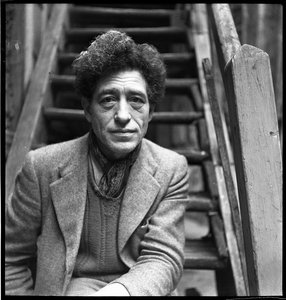
Alberto Giacometti
1901 - 1966 , Switzerland
Quick Facts
- Artistic Movement Or Style: Surrealism, Existentialism
- Artists Who Influenced This Artist:
- Antoine Bourdelle
- Rodin
- Miró
- Max Ernst
- Picasso
- Date Of Birth: 1901
- Date Of Death: 1966
- Full Name: Alberto Giacometti
- Nationality: Swiss
- Notable Artworks:
- The City Square
- Reclining Woman Who Dreams
- Surrealist Table
- Place Of Birth: Borgonovo, Switzerland

