

 Preview
 Send
Send Share
Share
 Details

 Download
 Similars
 X-Ray
X-Ray Diaporama
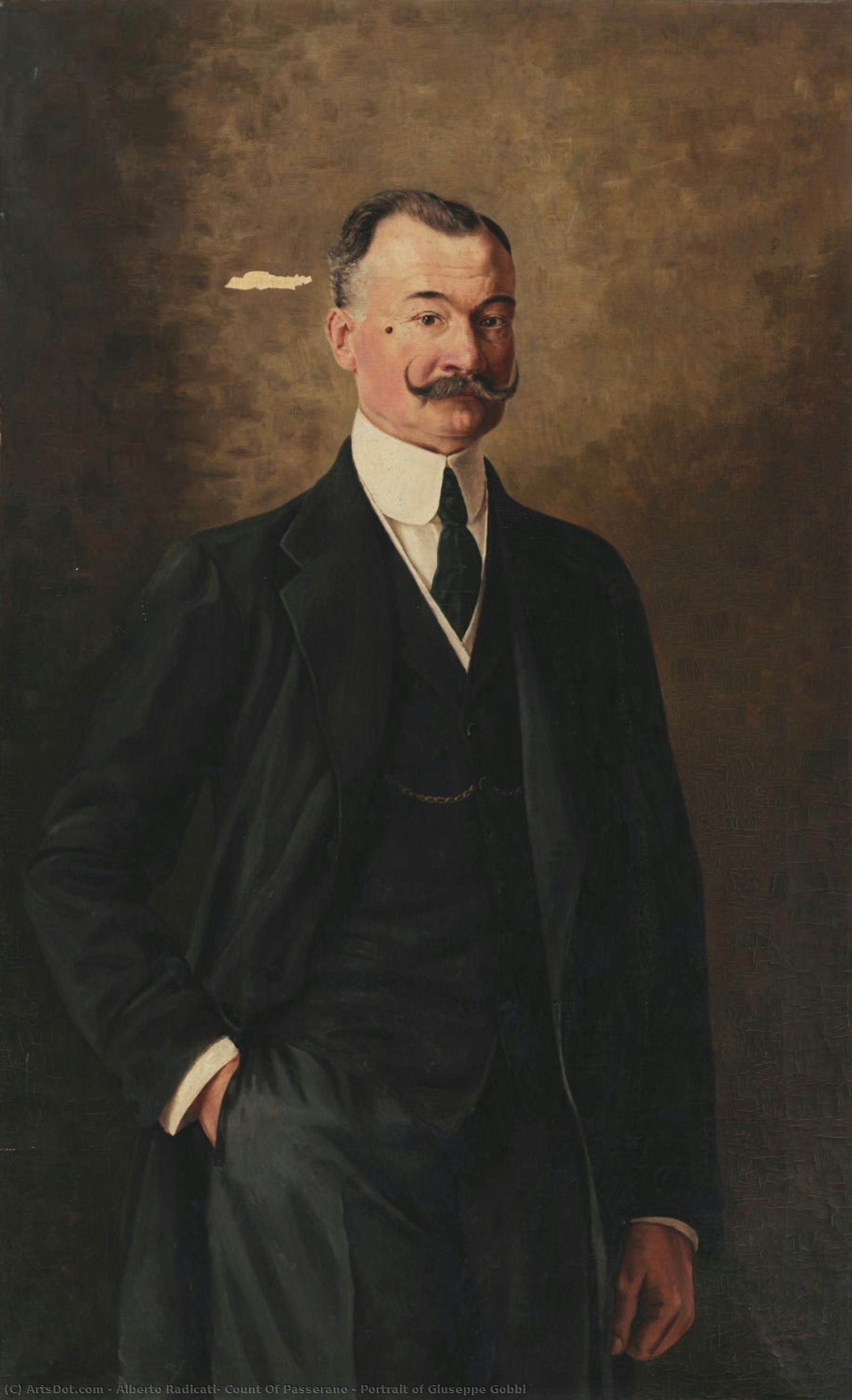
Portrait of Giuseppe Gobbi
 1912
1912 131.0 x 80.0 cm
 Ca’ Granda – Ospedale Maggiore Policlinico
 Read More
Purchase a high-resolution, enhanced digital image, far superior to the online preview.
Each file is meticulously prepared by our in-house specialists using advanced tools and expert manual retouching. We ensure every image has exceptional clarity, precise color accuracy, and fine detail.
The final file is delivered via email within 72 hours, optimized for immediate use in professional, editorial, and print environments. This is the same quality trusted by top-tier design studios, publishers, and galleries.
Digital Image
Download a high-resolution file for personal display, printing, and creative projects. ( Buy Print Buy Hand Made Painting)
Included in Every Digital Image Order
Expert Digital Delivery, Guaranteed
When you choose ArtsDot.com, you're not just getting an image - you're receiving a professionally enhanced digital artwork, crafted with precision and backed by a satisfaction guarantee. Here's everything that comes with your order, automatically:

Fast Email Delivery
Your high-resolution digital image file will be emailed to you within 72 hours of ordering - ready for immediate use.

AI-Enhanced Digital File
Your artwork is professionally optimized using advanced AI tools and manual editing, ensuring maximum detail, clarity, and color accuracy.

Free Lifetime Re-Delivery
Accidentally deleted or lost your file? No worries - we'll resend it to you anytime, free of charge.

No Import Fees - Ever
Enjoy your artwork instantly with zero customs, duties, or delivery fees - digital downloads are always tax-free.

Color Accuracy Guarantee
We ensure your digital image reflects the original colors as closely as possible using professional tools and color management.

60-Day Satisfaction Guarantee
If you're not satisfied with your digital image, we'll revise it or refund 100% within 60 days - no questions asked.

100% Money-Back Guarantee
Not satisfied? Get a full refund within 60 days of receiving your digital file - no questions asked.

Bulk Order Discounts
Buy 3 images, save 10% - Buy 5, save 15% - Buy 10+, save 20%. Great for creative projects, galleries, and agencies.
Related Artworks








Artist Biography
Johann Carl Loth: A Venetian Master of Group Portraits
The late 17th and early 18th centuries witnessed a remarkable flourishing of artistic talent in Venice, a city renowned for its patronage, vibrant social life, and unparalleled skill in portraiture. Among the many artists who contributed to this golden age was Johann Carl Loth (c. 1698 – 1698), a German painter who spent most of his prolific career immersed in the Venetian artistic milieu. While often overshadowed by some of his more celebrated contemporaries, Loth’s work offers a fascinating glimpse into the social dynamics and aristocratic circles of the era, particularly through his masterful depictions of group portraits—conversation pieces that captured the essence of convivial gatherings.
Born around 1698 in Munich, Bavaria, Loth's early life remains somewhat shrouded in mystery. He received his initial artistic training under his father, Johann Ulrich Loth, a painter who had already established himself in the region. Following this foundational education, Loth traveled to Venice, a pivotal decision that would profoundly shape his artistic development and ultimately define his legacy. The Venetian style—characterized by its rich color palettes, dramatic lighting, and emphasis on capturing fleeting expressions—proved immensely influential, transforming Loth’s approach to portraiture.
Loth quickly established himself as a sought-after artist within the city's vibrant artistic community. His specialization lay in history paintings, though he is most remembered for his intricate group compositions. These weren't merely static arrangements of figures; rather, they were dynamic scenes brimming with personality and social interaction. Loth possessed an extraordinary ability to convey the atmosphere of a gathering—the laughter, the animated conversation, the subtle gestures that revealed character and relationships. His subjects frequently included members of the nobility, artists, musicians, and intellectuals, offering a window into the cultural life of Venice.
A key element of Loth’s artistic practice was his collaboration with other prominent Venetian painters. He worked alongside figures like Pietro Liberi and Michael Wenzel Halbax, benefiting from their expertise and contributing to the collective dynamism of the city's art scene. His association with the renowned collector and connoisseur, Willem Drost, further solidified his position within the artistic elite. Loth’s work was highly regarded by influential critics such as Horace Walpole, who praised his “coloring and graceful likeness,” suggesting a level of skill that surpassed even some of his more established peers. The artist's dedication to capturing authentic social interactions is evident in works like ‘The Club of Artists,’ a lively depiction of a gathering at the King’s Arms, showcasing Loth’s ability to portray both individual personalities and the collective energy of the group.
Loth’s Techniques and Influences
Loth's artistic style was deeply rooted in the Baroque tradition, yet he skillfully adapted it to the unique demands of Venetian portraiture. He employed a rich, layered technique, utilizing a complex system of glazes and scumbles to achieve luminous colors and subtle tonal variations. His brushwork was often loose and expressive, contributing to the sense of movement and spontaneity within his compositions. He drew inspiration from the works of earlier masters, particularly Rubens and Rembrandt, incorporating their techniques into his own practice.
The influence of Italian art is undeniable in Loth’s work. He embraced the Venetian penchant for dramatic lighting—often employing chiaroscuro to highlight key figures and create a sense of depth and atmosphere. Furthermore, he skillfully rendered fabrics and textures, capturing the luxuriousness of aristocratic attire with remarkable detail. His meticulous attention to costume and setting provided valuable insights into the social customs and material culture of 18th-century Venice.
Notably, Loth’s work demonstrates a keen understanding of composition—a skill honed through years of observation and study. He expertly arranged his figures within the frame, creating visual balance and directing the viewer's eye to the most important elements of the scene. His ability to capture fleeting expressions and subtle gestures was particularly noteworthy, conveying a sense of immediacy and realism that set his work apart from more formal or idealized portraits.
A Legacy in Conversation Pieces
Johann Carl Loth’s contribution to the development of the conversation piece is significant. These intimate group portraits, capturing moments of social interaction, became increasingly popular during the 18th century—reflecting a shift towards greater informality and a desire to represent the complexities of human relationships. Loth's work exemplifies this trend, offering a glimpse into the private lives of Venetian aristocrats and intellectuals.
Despite his considerable talent and influence, Loth’s artistic legacy has often been overlooked. However, his paintings continue to be admired for their technical skill, expressive quality, and insightful portrayal of social life. His work serves as a valuable reminder of the vibrant artistic community that flourished in Venice during the late 17th and early 18th centuries—a period marked by innovation, experimentation, and a profound appreciation for beauty.
Related Works & Historical Context
- Rubens’ *Adoration of the Magi* (1698): Loth purchased this masterpiece from Gijsbert van Ceulen, demonstrating his discerning eye and commitment to acquiring significant works of art.
- Hyacinthe Rigaud’s *Self-Portrait in a Turban* (1704): A contemporary example of the Venetian style that influenced Loth's work.
- 1698 in Art: This year saw several important artistic developments, including Maximilian II Emanuel, Prince-Elector of Bavaria, acquiring Rubens’ *Adoration of the Magi*.
The broader historical context of Loth’s career is crucial to understanding his work. Venice was a cosmopolitan center—a crossroads of cultures and ideas—during the 18th century. The city's wealth and influence attracted artists, merchants, and intellectuals from across Europe. Loth’s artistic practice reflects this dynamic environment, incorporating elements of Italian, German, and Venetian traditions.
Further research into Johann Carl Loth reveals a complex and fascinating artist—a skilled painter, astute observer, and dedicated member of the Venetian art community. His legacy endures through his captivating group portraits—testaments to his artistic talent and his ability to capture the essence of human interaction.
alberto radicati, count of passerano
1698 - 1737 , Italy
Quick Facts
- Artistic Movement Or Style: Baroque
- Artists Or Movements Influenced By This Artist:
- Karel Dujardin
- Karel Marat
- Artists Who Influenced This Artist: ['Johann Ulrich Loth']
- Date Of Birth: August 8, 1632
- Date Of Death: October 6, 1698
- Full Name: Johann Carl Loth
- Nationality: German
- Notable Artworks:
- Adoration of the Magi
- Self-portrait in a turban
- Place Of Birth: Munich, Bavaria

