

 Preview
 Send
Send Share
Share
 Details

 Download
 Similars
 X-Ray
X-Ray Diaporama
 Stats
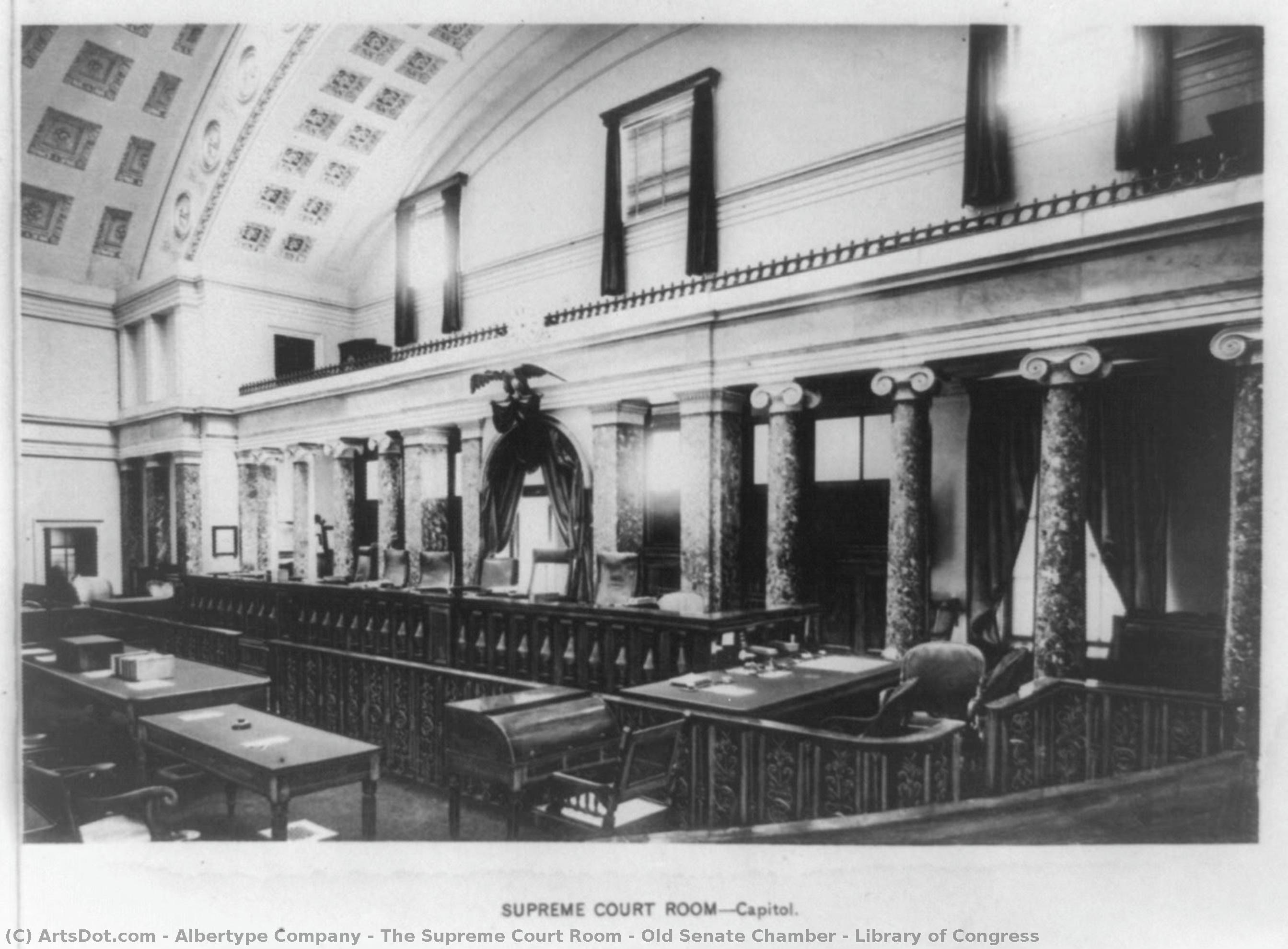
StatsThe Supreme Court Room - Old Senate Chamber / Library of Congress


 Read More
Purchase a high-resolution, enhanced digital image, far superior to the online preview.
Each file is meticulously prepared by our in-house specialists using advanced tools and expert manual retouching. We ensure every image has exceptional clarity, precise color accuracy, and fine detail.
The final file is delivered via email within 72 hours, optimized for immediate use in professional, editorial, and print environments. This is the same quality trusted by top-tier design studios, publishers, and galleries.
Digital Image
Download a high-resolution file for personal display, printing, and creative projects. ( Switch to Print Buy Hand Made Painting)
Included in Every Digital Image Order
Expert Digital Delivery, Guaranteed
When you choose ArtsDot.com, you're not just getting an image - you're receiving a professionally enhanced digital artwork, crafted with precision and backed by a satisfaction guarantee. Here's everything that comes with your order, automatically:

Fast Email Delivery
Your high-resolution digital image file will be emailed to you within 72 hours of ordering - ready for immediate use.

AI-Enhanced Digital File
Your artwork is professionally optimized using advanced AI tools and manual editing, ensuring maximum detail, clarity, and color accuracy.

Free Lifetime Re-Delivery
Accidentally deleted or lost your file? No worries - we'll resend it to you anytime, free of charge.

No Import Fees - Ever
Enjoy your artwork instantly with zero customs, duties, or delivery fees - digital downloads are always tax-free.

Color Accuracy Guarantee
We ensure your digital image reflects the original colors as closely as possible using professional tools and color management.

100-Day Satisfaction Guarantee
If you're not satisfied with your digital image, we'll revise it or refund 100% within 100 days - no questions asked.

100% Money-Back Guarantee
Not satisfied? Get a full refund within 100 days of receiving your digital file - no questions asked.

Bulk Order Discounts
Buy 3 images, save 10% - Buy 5, save 15% - Buy 10+, save 20%. Great for creative projects, galleries, and agencies.
Related Artworks






Artist Biography
The Pioneering Vision of the Albertype Company
The story of the Albertype Company is not that of a single artist, but rather a fascinating chronicle of photographic reproduction and the democratization of imagery in America during the late 19th and early 20th centuries. Founded by brothers Adolph and Herman L. Wittemann in 1890, though rooted in their earlier venture, Wittemann Bros. established in 1879, the company quickly became synonymous with the vibrant postcard and “view book” industry that swept the nation. Their legacy lies not in individual artistic expression, but in their mastery of a groundbreaking printing process – the albertype – and their dedication to capturing and disseminating scenes of American life to an eager public.From Wittemann Brothers to a New Era of Reproduction
The foundation for Albertype’s success was laid by Adolph Wittemann's early photographic endeavors. He emigrated from Baden, Germany in 1870, bringing with him a keen eye and technical skill. Initially operating as Wittemann Bros., the family business focused on general photography before recognizing the burgeoning demand for readily accessible visual representations of places and events. The shift towards mass reproduction was driven by Josef Albert’s invention of the albertype process itself in 1868, a technique that offered a compelling alternative to existing methods like collotype and heliotype. Albert's innovation—replacing cumbersome lithographic stones with glass plates coated in gelatin—allowed for greater efficiency and clarity in printing. The Wittemann brothers were quick to adopt this technology, establishing the Albertype Company as a leader in its application. This wasn’t merely about replicating images; it was about making them available to a wider audience than ever before.The Albertype Process: A Technical Marvel
At the heart of Albertype's achievement lay their skillful implementation of Albert’s process. Unlike traditional photographic prints, albertypes were created using gelatin plates sensitized with silver salts and exposed through a negative. The resulting image was then developed and fixed directly onto the plate, creating a durable surface capable of producing numerous high-quality impressions. This method allowed for approximately two thousand prints per plate, significantly exceeding the output of earlier techniques. The process involved meticulous hand-rolling to ensure even pressure during printing, demanding both technical expertise and artistic sensitivity. The resulting images possessed a distinctive tonal range and sharpness that distinguished them from other forms of reproduction at the time. While not possessing the unique texture of a handmade print, albertypes offered an exceptional level of detail and consistency, making them ideal for postcards and viewbooks intended for widespread distribution.Capturing America: View Books and Postcards as Cultural Artifacts
The Albertype Company’s output was prolific, amassing over 25,000 prints throughout its existence. Their focus centered on creating “American Views,” documenting cities, towns, landmarks, and everyday life across the United States. Their postcards and viewbooks weren't simply souvenirs; they were windows into a rapidly changing nation. The company’s business model involved collecting negatives from various sources—individual photographers, other companies—and skillfully reproducing them for mass consumption. This collaborative approach allowed them to offer an incredibly diverse range of subjects and perspectives. From bustling cityscapes of New York to serene landscapes of the countryside, Albertype's images captured a sense of place and time that resonates even today. The viewbooks, in particular, became popular mementos for travelers, offering a curated glimpse into destinations both near and far.Legacy and Historical Significance
Though the Albertype Company ceased operations in 1952 when acquired by Art View Postcard Company, its impact on American visual culture remains significant. The company’s dedication to quality reproduction helped fuel the postcard craze of the early 20th century, transforming how Americans experienced and remembered places. Their images provide invaluable historical documentation, offering a glimpse into architectural styles, social customs, and everyday life during a period of rapid growth and change. Adolph Wittemann’s entrepreneurial spirit and technical acumen, combined with his brother Herman's business management skills, created a company that not only thrived commercially but also played a crucial role in shaping the visual landscape of America. Today, Albertype postcards and viewbooks are highly sought after by collectors, serving as tangible reminders of a bygone era and testaments to the power of photography to connect people with places and moments in time.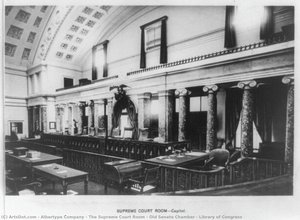
Quick Facts
- Artistic Movement Or Style: Photo-mechanical prints
- Date Of Death: Living
- Full Name: Albertype Company