 Preview
 Send
Send Share
Share
 Details

 Download
 Similars
 X-Ray
X-Ray Diaporama
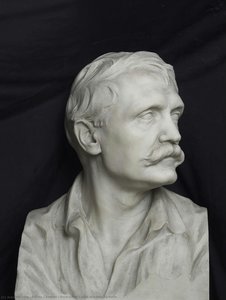
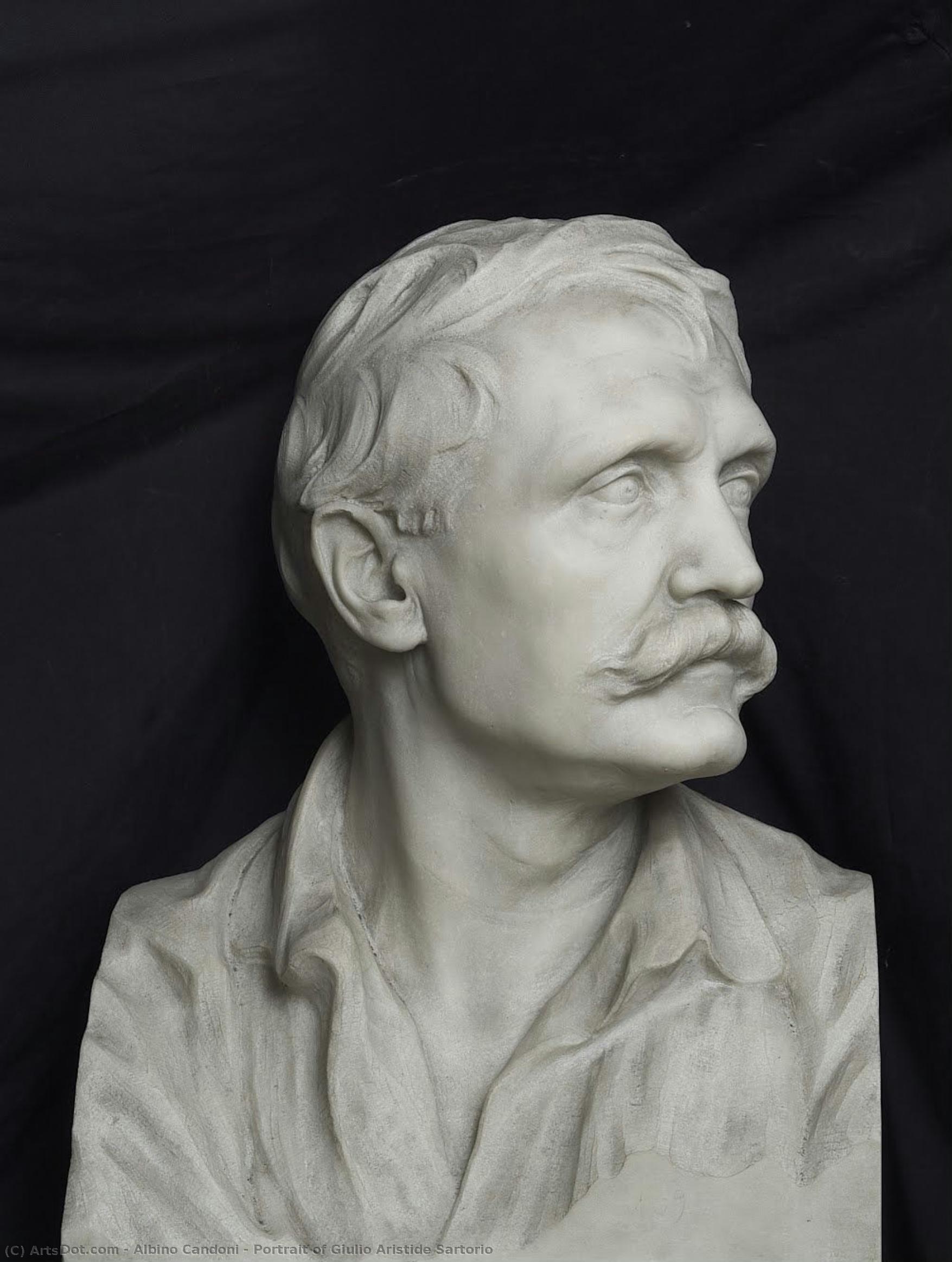
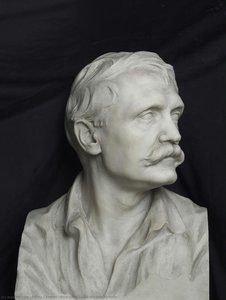
Portrait of Giulio Aristide Sartorio
 50.0 x 37.0 cm
 Accademia di San Luca
 Read More
Giclée / Art Print
Museum-quality giclée or canvas print with fast production and flexible finish options. ( Buy Hand Made Painting Buy Image)




































Pick from our preset sizes that match the artwork's original proportions.

You may enter your own dimensions to fit a specific frame or space. If your selected size does not match the original image's proportions, we will either crop the artwork or extend the image with a mirrored or solid-fill edge. A digital mockup will be sent for your approval before production begins.
Please note that the on-screen preview does not reflect the actual cropping or extension. Only the mockup will accurately show the final composition.
While custom sizes are available, we recommend selecting a dimension from the predefined list to preserve the original proportions.
Worldwide Delivery () in 2 weeks instead of standard 4/5 weeks. (27 August)

Free Worldwide Express Shipping

High-Quality Linen Canvas

Full Shipping Insurance

Customs Tax Refund Guarantee

True Color Matching Guarantee

60-Day Return Policy (Defects Only)

100% Money-Back Guarantee

Bulk Discount Offer
 Glass option is only available in size under 110 CM

Portrait of Giulio Aristide Sartorio
Giclée / Art Print
Reproduction Size
-


Total Price
$ 63
Related Artworks








Artist Biography
A Sculptor of Fame: The Life and Legacy of Albino Candoni
Albino Candoni, born in Rome in 1877, was a sculptor whose career unfolded against the backdrop of a rapidly changing Italy – a nation forging its modern identity. While not a household name like some of his contemporaries, Candoni played a significant role in shaping the artistic landscape of his city and contributed to the monumental public art projects that defined the era. His life, though relatively undocumented beyond official records, reveals an artist dedicated to classical ideals, refined technique, and collaborative endeavors.
Early Life and Artistic Formation
Details surrounding Candoni’s early training remain scarce; however, his work clearly demonstrates a strong grounding in traditional sculptural methods. Rome itself served as his primary education – a living museum brimming with the masterpieces of antiquity and the Renaissance. The city's pervasive artistic atmosphere undoubtedly influenced his aesthetic sensibilities, fostering an appreciation for anatomical accuracy, graceful form, and narrative power. It is likely he studied at one of Rome’s prestigious academies or under established sculptors, honing his skills in marble carving – a medium he would master throughout his career.
Contributions to the Galleria Nazionale d'Arte Moderna e Contemporanea
Candoni’s most notable achievement lies in his involvement with the façade of the Galleria Nazionale d'Arte Moderna e Contemporanea (National Gallery of Modern and Contemporary Art) in Rome. Commissioned in the early 20th century, this ambitious project aimed to create a grand architectural statement reflecting Italy’s artistic prowess. Candoni was one of several sculptors entrusted with creating the allegorical figures that adorn the building's exterior. Specifically, he sculpted four figures representing Fame, each holding bronze wreaths crafted by Adolfo Pantaresi and himself. This collaborative effort highlights Candoni’s ability to work within a larger artistic vision while contributing his own distinct sculptural voice.
Marble Portraits and Artistic Style
Beyond the Galleria Nazionale project, Candoni is recognized for his marble sculptures, particularly portraiture. The Portrait of Giulio Aristide Sartorio, though undated, exemplifies his skill in capturing likeness and conveying character through stone. His style leans towards a refined realism, eschewing overt stylistic flourishes in favor of subtle modeling and meticulous attention to detail. While not overtly innovative, Candoni’s work embodies a sense of dignity and composure characteristic of the academic tradition. He appears to have been influenced by the Neoclassical movement, prioritizing clarity of form and harmonious proportions.
Legacy and Historical Context
Candoni's involvement in the 1934 expansion of the Galleria Nazionale further underscores his connection to Rome’s artistic institutions. His sculptures can also be found within the Museo Boncompagni Ludovisi per le Arti Decorative, the Museo Hendrik C. Andersen, the Raccoltà Manzù, and the Museo Mario Praz – all part of the Galleria Nazionale complex. While he may not have achieved widespread international fame, Candoni’s contributions were integral to the development of public art in Rome during a pivotal period. He represents a generation of Italian sculptors who skillfully blended classical traditions with modern sensibilities, leaving behind a legacy of refined craftsmanship and enduring beauty. His work serves as a testament to the power of sculpture to embody ideals of fame, honor, and artistic excellence.
albino candoni
1877 - 1948 , Italy
Quick Facts
- Artistic Movement Or Style: Marble sculpture, Art deco
- Date Of Birth: 1877
- Date Of Death: 1948
- Full Name: Albino Candoni
- Nationality: Italian
- Notable Artworks:
- Portrait of Giulio Sartorio
- Fame figures (Galleria Nazionale)
- Place Of Birth: Rome, Italy