 Preview
 Send
Send Share
Share
 Details

 Download
 Similars
 X-Ray
X-Ray Diaporama
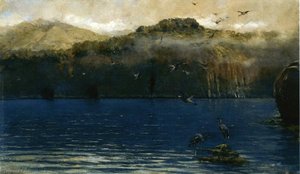
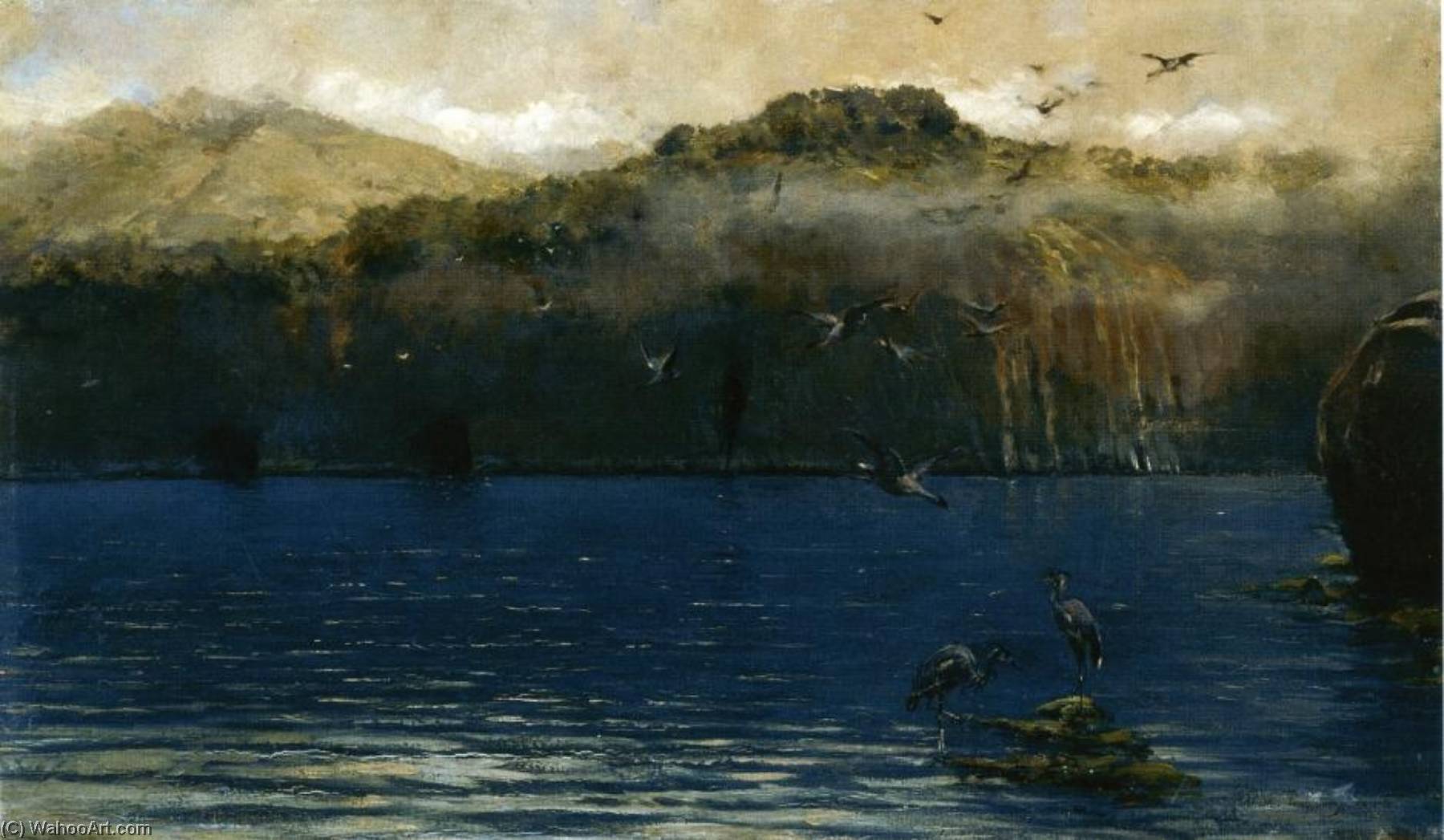
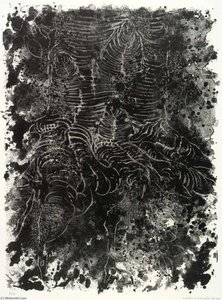
Herons along the Amalfi Coast
 Read More
Giclée / Art Print
Museum-quality giclée or canvas print with fast production and flexible finish options. ( Buy Hand Made Painting Buy Image)




































Pick from our preset sizes that match the artwork's original proportions.

You may enter your own dimensions to fit a specific frame or space. If your selected size does not match the original image's proportions, we will either crop the artwork or extend the image with a mirrored or solid-fill edge. A digital mockup will be sent for your approval before production begins.
Please note that the on-screen preview does not reflect the actual cropping or extension. Only the mockup will accurately show the final composition.
While custom sizes are available, we recommend selecting a dimension from the predefined list to preserve the original proportions.
Worldwide Delivery () in 2 weeks instead of standard 4/5 weeks. (25 August)

Free Worldwide Express Shipping

High-Quality Linen Canvas

Full Shipping Insurance

Customs Tax Refund Guarantee

True Color Matching Guarantee

60-Day Return Policy (Defects Only)

100% Money-Back Guarantee

Bulk Discount Offer
 Glass option is only available in size under 110 CM

Herons along the Amalfi Coast
Giclée / Art Print
Reproduction Size
-


Total Price
$ 63
Related Artworks









Artist Biography
Paul Gauguin: A Savage Martyr of Art
Paul Gauguin, born in Paris in 1848 and tragically dying in the Marquesas Islands in 1903, remains one of the most enigmatic and influential figures in modern art. More than just a painter, he cultivated a complex persona – a “wolfish wild man” juxtaposed with a sensitive martyr dedicated to the pursuit of pure artistic expression. His life was a relentless quest for an idealized world, a rejection of Parisian society, and ultimately, a profound exploration of spirituality through color and form. Gauguin’s journey wasn't simply about creating beautiful pictures; it was about forging a new path for art itself, one rooted in the primal and the symbolic.Early Life and Artistic Beginnings
Gauguin’s early years were marked by constant movement and a somewhat fabricated backstory designed to enhance his image as an exotic outsider. Descended from Peruvian nobility through his mother, he spent his childhood in Lima, Peru, before returning to France with her after Napoleon III's coup d'état. This nomadic upbringing instilled within him a restless spirit and a fascination with distant lands – qualities that would profoundly shape his artistic vision. He initially pursued a career as a stockbroker, but the financial instability of this profession led him to embrace art as his true calling. He began his formal training under Camille Pissarro at the Académie Julian in Paris, absorbing influences from Impressionism and, crucially, Cézanne. Gauguin’s early works reflected these influences – landscapes imbued with a sense of light and atmosphere, still lifes rendered with careful observation. However, he quickly grew dissatisfied with what he perceived as the limitations of academic art, seeking something more profound and authentic.The Search for Paradise: Tahiti and Beyond
Driven by a desire to escape the constraints of European civilization and find inspiration in a simpler, more elemental existence, Gauguin embarked on a transformative journey to Tahiti in 1891. He envisioned this South Pacific island as a “new world,” a refuge from the corruption and artificiality of Paris. His arrival was met with considerable attention, fueled by his own carefully constructed image of a rebellious artist. In Tahiti, he immersed himself in the culture of the native Polynesians, adopting their customs and beliefs – though often selectively and superficially. This period produced some of his most iconic works, including *Nafea fa tatoua o Tehu-poo* (When Will You Marry?) and *Atan* (1892), which are characterized by bold colors, simplified forms, and a powerful sense of rhythm. However, the idyllic vision he had initially held began to crumble as he struggled with personal demons – including alcoholism and a tumultuous relationship with Teha’amana, a local chief's daughter.Symbolism and the Rejection of Naturalism
Gauguin’s artistic style evolved dramatically during his time in Tahiti and subsequently in the Marquesas Islands. He deliberately rejected the naturalistic conventions of Impressionism and sought to express deeper emotional and spiritual truths through color, line, and composition. His work is often categorized as Symbolist, though he resisted being neatly confined to any single movement. He employed flattened perspectives, bold outlines, and a vibrant palette – often using colors in ways that defied realistic representation – to create images that were both visually arresting and emotionally charged. The influence of Japanese prints (Ukiyo-e) is particularly evident in his use of decorative patterns and simplified forms. His paintings are not merely depictions of the external world; they are explorations of the inner landscape, imbued with symbolism and a sense of mystery.Legacy and Influence
Paul Gauguin’s impact on the course of art history is undeniable. His radical departure from traditional artistic conventions paved the way for Fauvism and Expressionism, movements that prioritized emotional expression over realistic representation. His embrace of primitivism – drawing inspiration from non-Western cultures – challenged European notions of artistic superiority and opened up new possibilities for creative exploration. Furthermore, his life itself became a subject of fascination, contributing to his enduring mystique. Despite facing poverty, illness, and rejection during much of his career, Gauguin’s work continues to resonate with audiences today, reminding us of the power of art to transcend boundaries and explore the depths of human experience. His legacy is not simply one of artistic innovation but also a testament to the unwavering pursuit of an authentic vision—a “savage” commitment to the creation of pure, unadulterated art.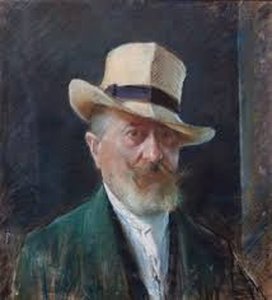
alceste campriani
1848 - 1933
Quick Facts
- Artistic Movement Or Style:
- Post-Impressionism
- Symbolism
- Synthetism
- Artists Or Movements Influenced By This Artist:
- Nabis
- Fauvism
- Artists Who Influenced This Artist:
- Cézanne
- van Gogh
- Date Of Birth: June 7, 1848
- Date Of Death: May 8, 1903
- Full Name: Paul Gauguin
- Nationality: French
- Notable Artworks:
- Vision of the Sermon
- Where Do We Come From?
- Iahona and Teha
- Place Of Birth: Paris, France